How to Make Pour-Over Coffee & Is Single-Origin Pour-Over Coffee Difficult? Why Doesn't My Pour-Over Coffee Taste Good?
Sitting at the bar watching a barista gracefully brew a pot of coffee, you rush out to buy a full coffee kit, watch every brewing video you can find, and set out to make pour-over at home... only to discover that every cup tastes different, and whether it is good seems to come down to pure luck!? 0.0
How Pour-Over Coffee Emerged and Spread
Pour-over belongs to the drip brewing family: a filter cup with paper or another medium holds back the grounds and delivers a clean, clear cup. Before drip brewing existed, people simply mixed water and ground coffee and boiled them together - rich and aromatic, but you swallowed plenty of grounds. In Germany a century ago, a housewife tired of grounds in her cup combined a perforated copper pot with blotting paper to create the prototype of the drip brewer: pour the boiled coffee through the "copper cup" and out comes clean, grounds-free coffee.
By 1978, Erna Knutsen had coined the concept of specialty coffee: "beans cultivated with regional flavor characteristics under unique microclimates and geographic conditions" - what FrontStreet Coffee calls terroir flavor. To present a bean's flavor properly, people kept refining filter cups and techniques: from filtering pre-boiled coffee, to grinding beans fresh to the right fineness and extracting briefly with water of the right ratio and temperature, producing a cup of proper concentration and layered complexity. The method was named "pour over" - brewing by pouring water from above.
How Basic Brewing Parameters Shape Extraction
Back to the opening scene: the barista makes it look effortless, but your home brews never taste right, and you wonder whether you need a barista's hands to brew well. You do not! While everyone copies the masters' pouring theatrics, have you looked at their brewing parameters?
"Every QR code on FrontStreet Coffee's bean labels links to suggested brewing parameters - scan and see!"
You may have heard that "coffee is a mysterious art." FrontStreet disagrees. It only seems mysterious because people neither visualize the variables that control flavor nor digitize the process. That is why FrontStreet keeps stressing brewing parameters, which revolve around four basics: coffee-to-water ratio, grind size, water temperature, and extraction time. Water quality and pouring technique matter too, but beginners should master these four first.
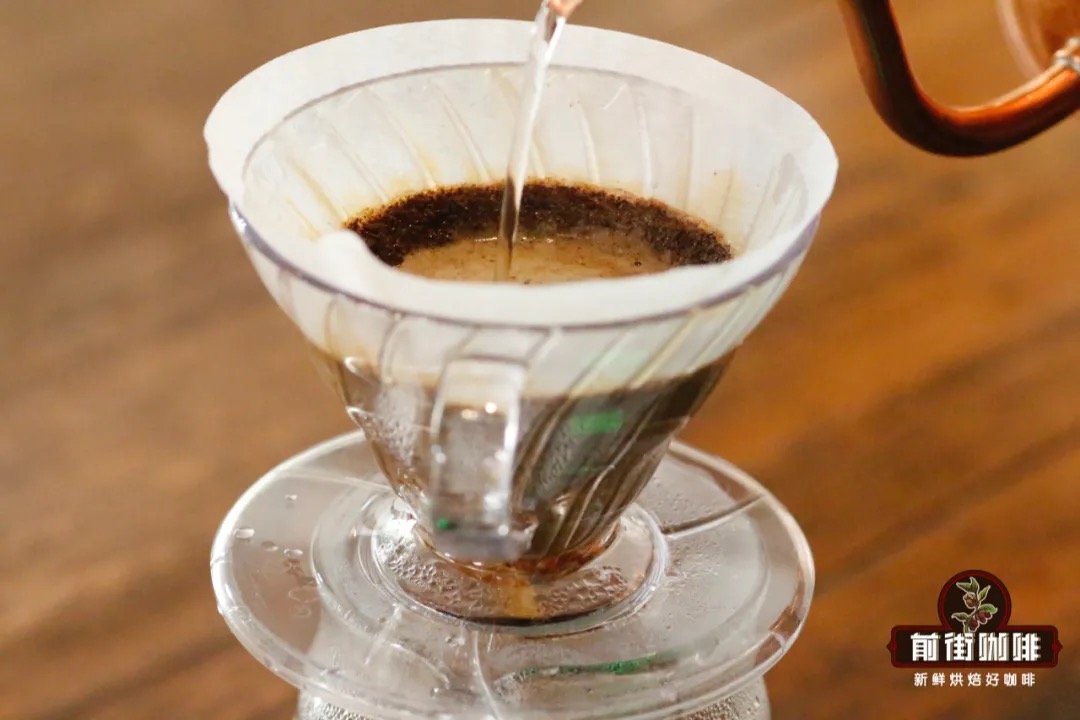
The four are interlinked - change one and the final flavor changes. Here is FrontStreet's quick summary of how each affects extraction.
Coffee-to-Water Ratio
The ratio is the proportion of coffee to water poured. A larger ratio means a lighter cup; a smaller ratio, a more concentrated one. To keep the ratio precise, you need an electronic scale.
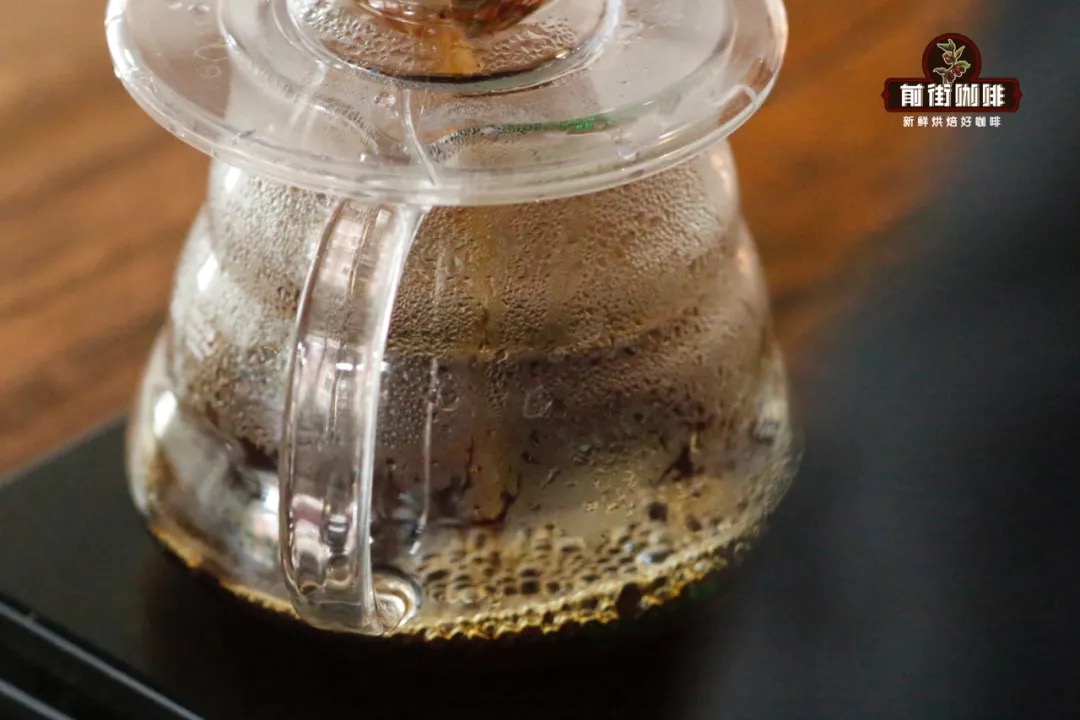
After countless side-by-side brews, FrontStreet finds that with all other parameters consistent, a 1:15 coffee-to-water ratio hits exactly the right concentration and flavor. If your cup tastes too strong or too weak, look next at whether the grind, temperature, and time suit the bean.
Grind Size
Grind size is how finely the beans are ground. Finer grounds give stronger flavor; coarser grounds, lighter flavor. There is no universal standard for grinder settings, and the right grind also shifts with roast degree.
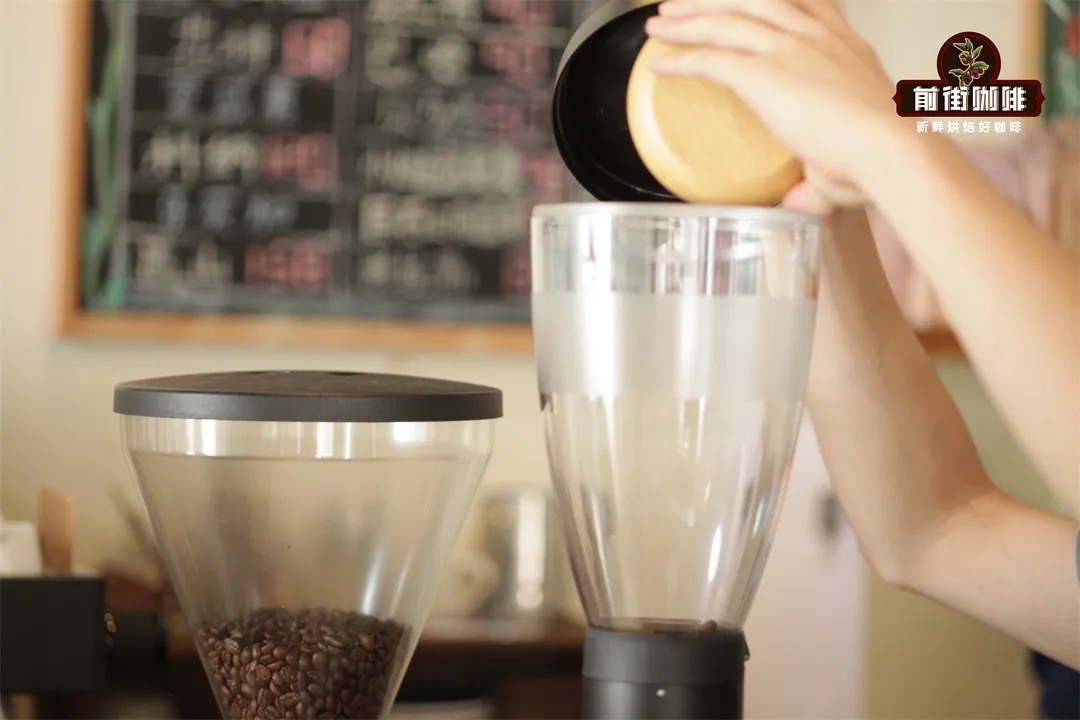
Light-to-medium roasts are denser in structure and withstand extraction, so brew them finer - a 75-80% pass rate through a 0.85 mm Chinese #20 standard sieve (fine-sugar texture). Medium-to-dark roasts are more porous and extract easily, so go coarser - a 68-73% pass rate through the same sieve (coarse-sugar texture).
Water Temperature
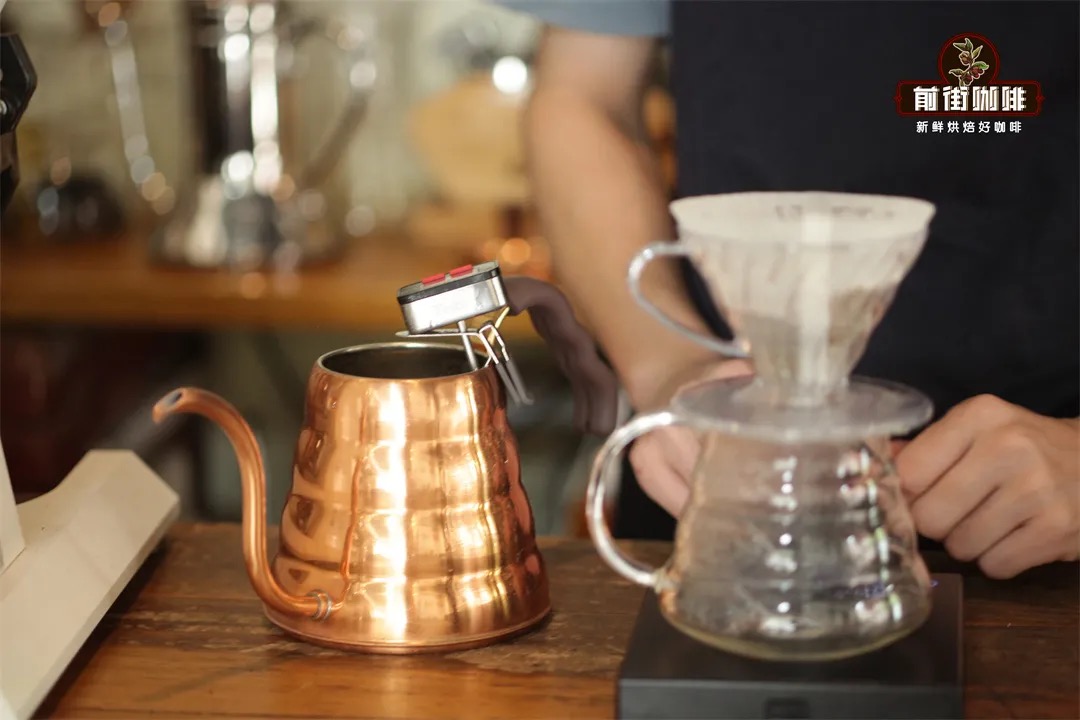
Hotter water extracts more; cooler water extracts less. Paired with the grinds above, extraction-resistant light-to-medium roasts brew well at 90-93 degrees C, while medium-to-dark roasts do better at 87-89 degrees C.
Extraction Time
Extraction time runs from the first pour to the moment you lift the dripper - the full contact time between water and coffee. Longer means stronger; shorter, lighter. Because the four factors interact, no fixed time exists, but FrontStreet's experience says: (under normal conditions) the optimal total extraction for 15 g of coffee falls between 1'50" and 2'20".
How Pouring Technique Affects Extraction
Technique is really about stretching or slowing extraction by changing flow rate and the number of pours, and each technique pairs with specific parameters. For a beginner, what matters more is extracting the right flavors from 15 g of coffee within that 1'50"-2'20" window. FrontStreet recommends the three-stage method: with proper parameters it pulls the pleasant front- and mid-stage flavors fully while taking just enough of the later bitter compounds to give the cup body and richness.
- Log the parameters of every brew, and coffee stops being a mysterious art! -
FrontStreet Coffee Recommendation
If you are choosing a dripper, most experienced brewers will point a beginner straight at the V60. Designed by Hario - the Tokyo glassware maker founded in 1921 - and redesigned in 2004 before hitting the market a year later, it takes its name from the 60-degree "V" cone. That cone forces the water toward the center before dripping, extending contact between water and grounds for fuller extraction, while the single large outlet leaves the flow entirely in the pourer's hands. FrontStreet favors the resin version: it retains heat well, and mass production keeps its dimensions the most consistent of any material.
For the V60's fast, flavor-forward extraction, floral-fruity beans are the natural match: the washed Yirgacheffe Idido Cooperative with its classic Yirgacheffe profile of citrus, berries, and green-tea sweetness; the natural Huakui (Flower Champion) loaded with tropical fruit; the raisin-toned Mozart from Costa Rica; and the Strawberry Sugar Gesha blend. Kenya lovers should try the Kenya "Little Tomato" - SL28 and SL34 from Thika at 1,550-1,750 meters, 72-hour double-washed fermentation, light roasted for bright tomato, dried plum, and yellow-sugar sweetness that the V60 renders with dazzling clarity.
If your taste runs to the deeper end, stick with the darker classics and adjust for them: FrontStreet's PWN Golden Mandheling (herbs, dark chocolate, low acid) and Brazil Fazenda Rainha (nuts, cocoa, caramel) brew best at the coarser 68-73% sieve grind and 87-89 degree C water, and Jamaica Blue Mountain No. 1 - that perfect balance of cream, caramel, chocolate, and honey - remains what professionals call the specialty coffee almost everyone can love.
Important Notice :
FrontStreet Coffee is a long-established specialty coffee roaster in Guangzhou China, selling freshly roasted beans from its own farm in Yunnan as well as dozens of carefully selected single-origin beans from around the world for both pour-over and espresso. The products deliver consistently excellent quality and great value, with shipping within 24 hours. Guangzhou's FrontStreet Coffee shop is recommended by many coffee lovers, and the beans are now available online at the Tmall 。
FrontStreet Coffee has moved to a new address:
FrontStreet Coffee Address: 315,Donghua East Road,GuangZhou
Tel:020 38364473
 Scan and follow the En Gafei WeChat official account. Please indicate that the reprint comes from "En Gafei".