How Much Coffee Is in One Cup? Are Coffee Cups Always Small, and What Are the Standard Cup Sizes?
How Is the Amount of a Cup of Coffee Determined?
First, we need to determine what type of coffee sample this is, as different coffee beverages have different cup sizes.
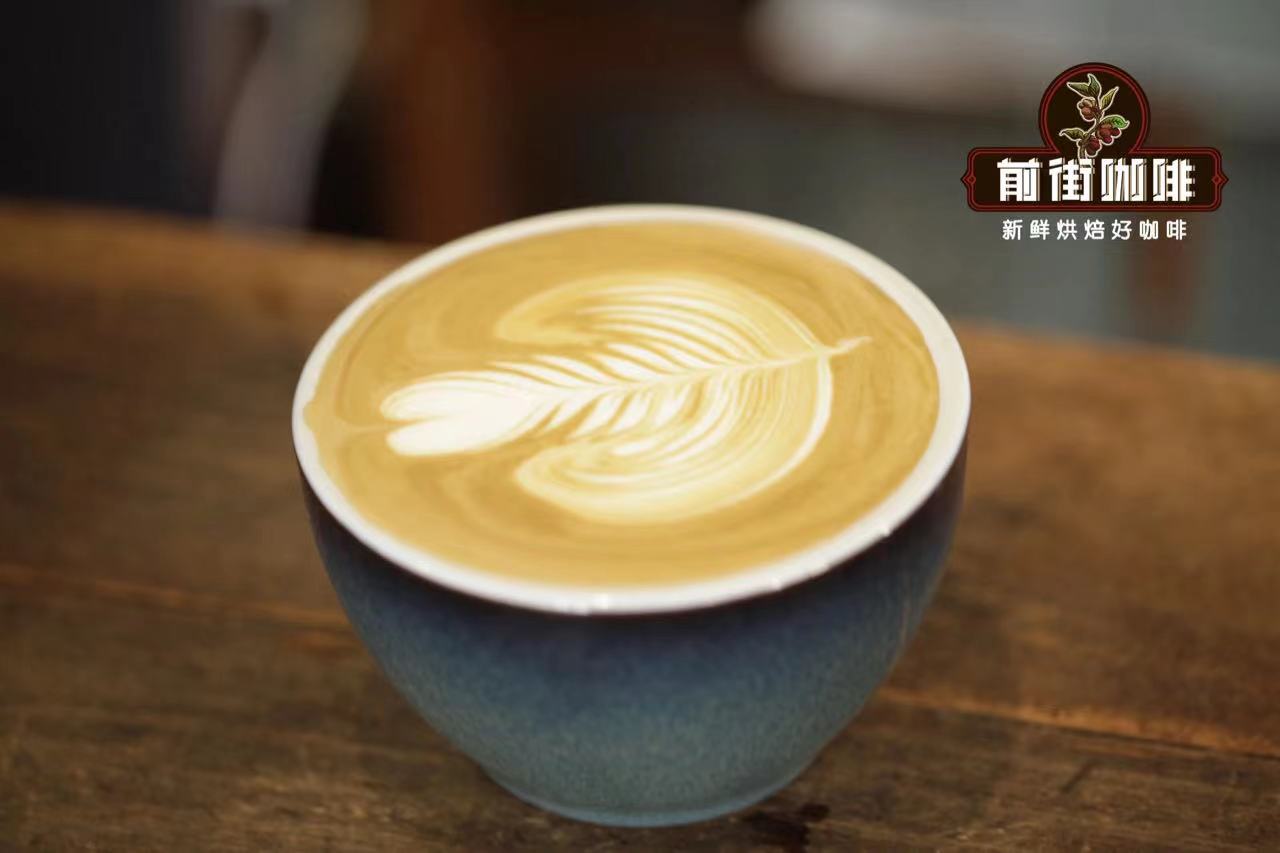
Latte
The "latte" in latte coffee is phonetically translated from the Italian "latte," which means "milk." We can understand latte coffee literally as "milk coffee." The ratio of milk to coffee, the beans used, the extraction parameters, and other aspects will vary slightly from shop to shop. Generally speaking, however, latte coffee is a beverage with a large amount of milk mixed into espresso. Because of the higher milk content, the milk flavor will be more pronounced than the coffee flavor, and a small amount of milk foam gives latte coffee a delicate and smooth texture. FrontStreet Coffee suggests making latte coffee with a ratio of 1:9 (1ml of espresso to 9ml of milk). For example, with 30ml of espresso, the milk should be 270ml, making the total cup size 300ml.
Cappuccino
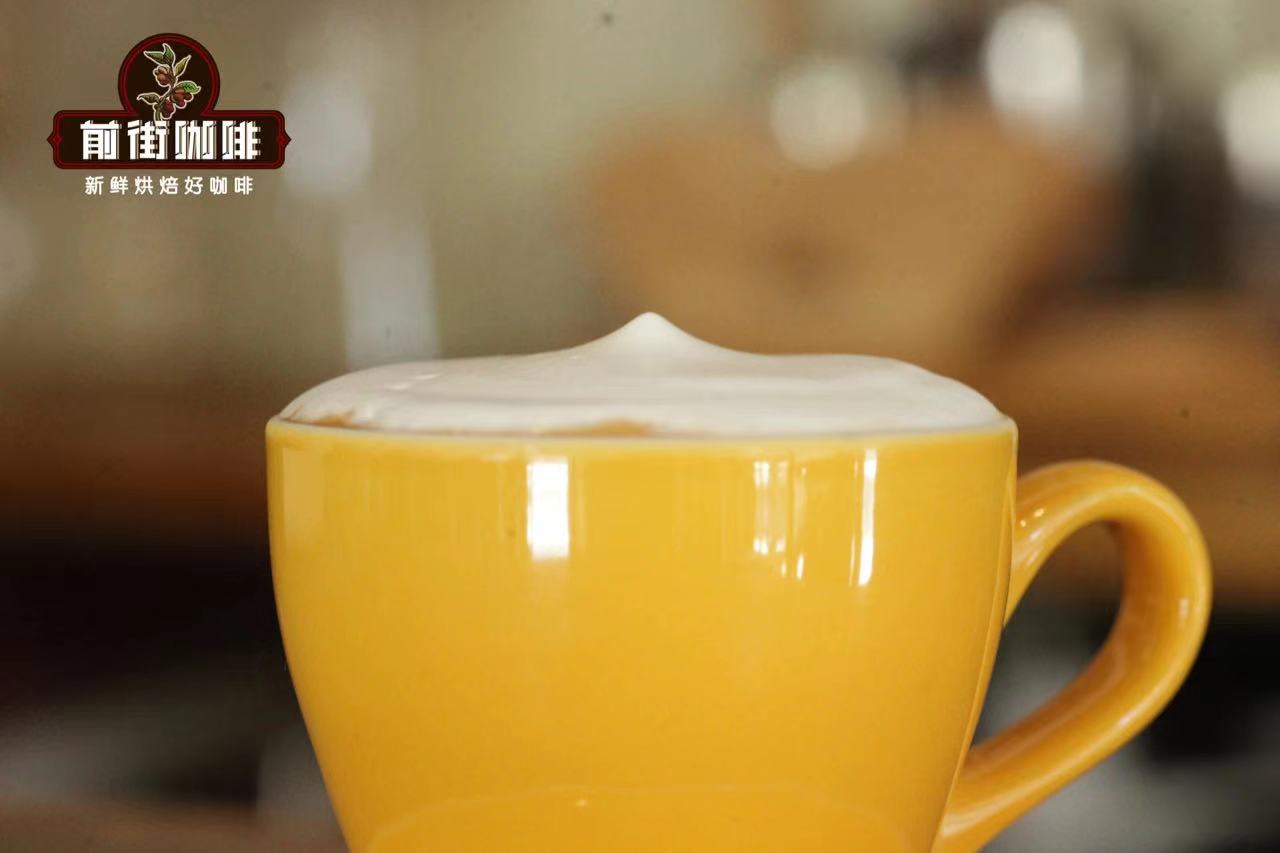
The name cappuccino originates from Italy. It is said that the color of the coffee resembled the cloak of the Franciscan friar Marco d'Aviano, who prepared the first cup of cappuccino in 1683.
Take a coffee cup and extract a standard single shot of espresso (15-45 milliliters). Use a 300-milliliter steel pitcher to froth 150 milliliters of milk. Cappuccino foam is the thickest and slightly coarse. Its ratio of foam to milk is one to one, typically with a cup size of 150-230 milliliters.
Americano
What is an Americano coffee? The English word for Americano coffee is "Americano," which typically refers to black coffee made with a drip pot, or a coffee beverage made by adding water to espresso. Most Americano coffees in domestic cafes today are the latter, while the former tends to be distinguished as "drip coffee." The traditional Americano ratio is 1:8, with a double shot of espresso (60 milliliters) mixed with 480 milliliters of water. The ratio can be adjusted according to the cup size produced by the shop, approximately 1:7 or 1:8.
In the third wave of specialty coffee, however, different beans from different regions and estates are made into SOEs (Single Origin Espressos), creating a diverse selection of espresso beans. So is the 1:8 ratio really suitable for all coffee beans? Traditional Americano coffee is indeed used to describe coffee with a weak flavor. The French jokingly call Americano coffee "sock-water," so it is not hard to imagine why 1:8 is considered the standard ratio. Through experimentation, FrontStreet Coffee found that the ratio for making Americano coffee with the Warm Sun Blend falls between 1:4 and 1:5. After remaking cups with ratios of 1:4, 1:4.5, and 1:5, it was ultimately determined that the 1:4.5 ratio is most suitable for the Warm Sun Blend beans as an Americano coffee. At this ratio, it better highlights the wine-like notes and cocoa aftertaste of the Warm Sun Blend while maintaining its richness. Americano coffee, then, should be adjusted according to the coffee beans.
Pour-Over Coffee
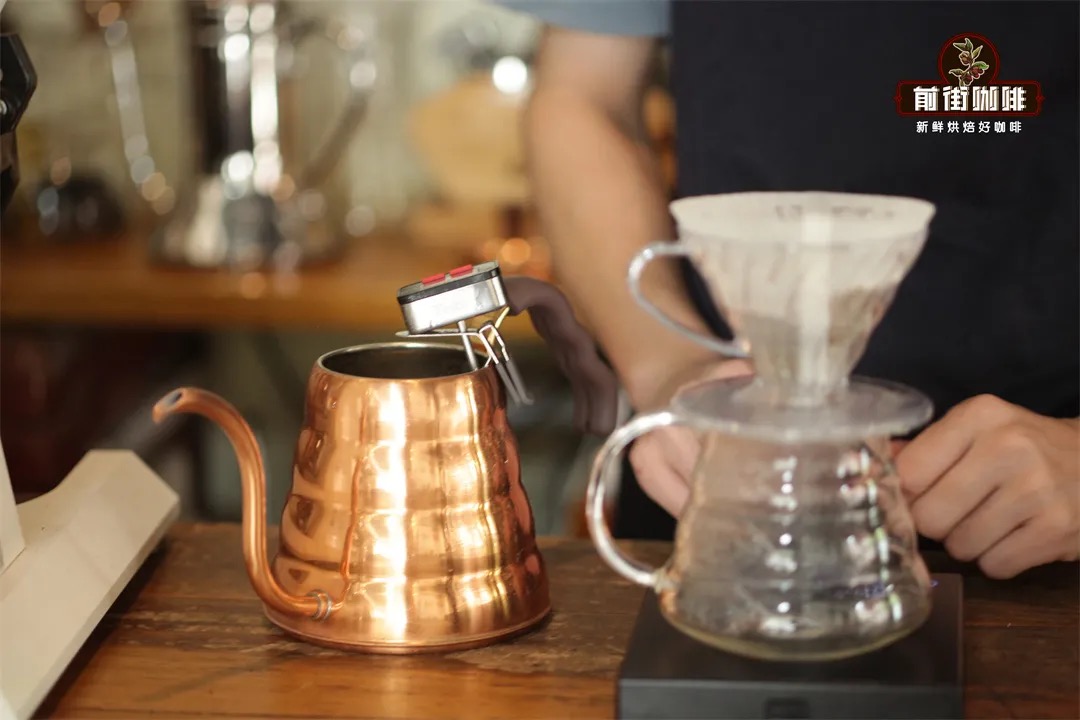
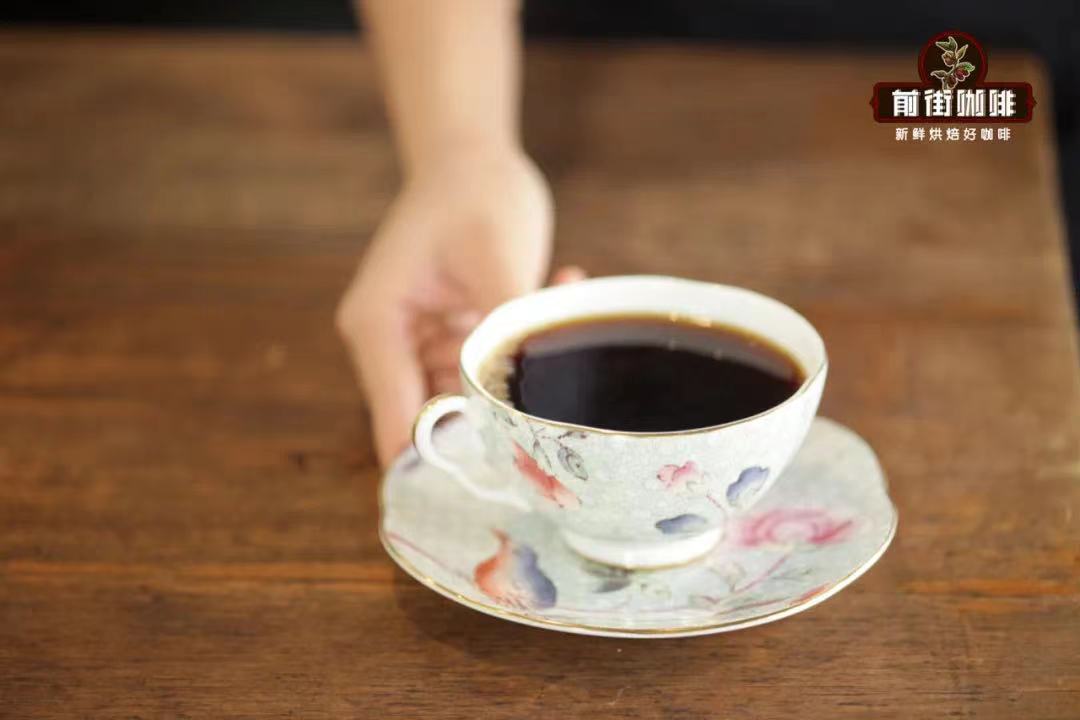
What about pour-over coffee? Generally speaking, the ratio for pour-over coffee is 1:15. If you prefer it lighter, use 1:16; for stronger, use 1:14. For a single serving of pour-over coffee, use 15 grams of coffee grounds, which would result in 225 grams of liquid.
FrontStreet Coffee Recommendation
A cappuccino lives or dies by its espresso, and FrontStreet suggests starting with its Classic blend, a rich-crema house espresso, or the Black Cocoa base blend for value. Both are built for milk drinks and pull a sweet, full-bodied shot.
To pull a cappuccino like the recipe here, FrontStreet extracts 20g of grounds at a 1:2 coffee-to-liquid ratio over about 30 seconds, giving a concentrated but fully extracted shot. If you want to push the milk drink in a fruity direction, FrontStreet's Strawberry Candy espresso blend brings aromas of berry, rose, raisin, and fruit candy.
For a fresher, less bitter cappuccino, try FrontStreet's Grana Geisha SOE. Natural processed and medium roasted, it carries berry, orange, and persimmon notes that turn creamy and candy-like when paired with milk.
Important Notice :
FrontStreet Coffee is a long-established specialty coffee roaster in Guangzhou China, selling freshly roasted beans from its own farm in Yunnan as well as dozens of carefully selected single-origin beans from around the world for both pour-over and espresso. The products deliver consistently excellent quality and great value, with shipping within 24 hours. Guangzhou's FrontStreet Coffee shop is recommended by many coffee lovers, and the beans are now available online at the Tmall 。
FrontStreet Coffee has moved to a new address:
FrontStreet Coffee Address: 315,Donghua East Road,GuangZhou
Tel:020 38364473
 Scan and follow the En Gafei WeChat official account. Please indicate that the reprint comes from "En Gafei".