How Rum-Flavored Coffee Beans Are Made, Rum Coffee Bean Flavor Review—Colombia San José Coffee
In recent years all kinds of special processing methods have emerged. So how do coffee beans with wine aroma actually come about?
The Birth of Barrel Fermentation Processing
According to FrontStreet Coffee, the barrel fermentation process at San José Estate was developed by the estate's third-generation female owner. The story began by chance: while Monsalve Botero, the lady of San José Estate, was accompanying her husband — who specializes in making rum oak barrels and brewing rum — as he filled barrels with rum distillate for fermentation, she suddenly wondered whether raw coffee beans might develop different flavors if fermented in oak barrels.
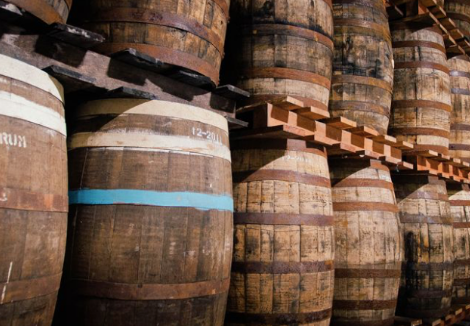
Following that idea, since 2013 Madame Monsalve Botero has been placing raw beans into rum barrels of different ages for winemaking-style low-temperature fermentation, comparing the flavors across different fermentation times. Through these experiments she identified the most suitable barrels and fermentation duration, finally landing on the optimal combination — special, satisfying flavors, and a rum barrel-fermented coffee unlike anything traditional washed processing produces. So what does the process actually look like? FrontStreet Coffee shares it with all coffee enthusiast friends below.
The owner of San José Estate selects Castillo variety coffee beans, handpicks fully ripe cherries, and after complete washing lets them ferment for 20 hours. The beans then go into rum oak barrels aged over 8 years, where they rest for three months, rolled once daily so they absorb the wine aroma evenly. During the barrel fermentation period, samples are taken from the barrels every 30 days to check the degree of fermentation and the completeness of aroma absorption — guarding against both under- and over-absorption — so the finished beans show more distinct, more complete character.
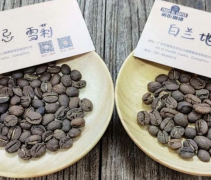
Once fermentation is complete, the rum-flavored beans are taken to greenhouses for drying; the even temperature there avoids the secondary fermentation that the high heat of African-rack sun-drying can trigger. Because this Colombia San José coffee shares its processing method with two Honduras coffee beans sold at FrontStreet Coffee's store, FrontStreet ran cupping comparisons and concluded that the flavor sequence of the two Honduras barrel-fermented beans is: wine aroma first, then soft fruit acidity, and finally a creamy texture with nutty cocoa flavors.
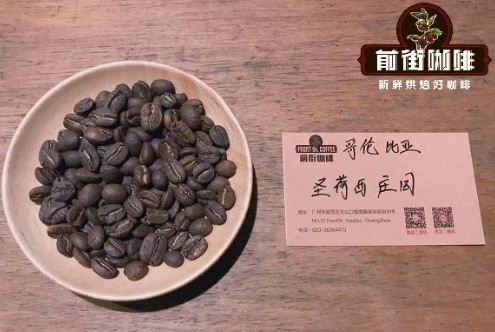
This San José rum barrel-fermented coffee, however, opens with nutty cocoa flavors and a creamy texture, immediately followed by the aroma of rum, with tropical fruit acidity and maple sweetness emerging afterward.
Colombian Coffee Bean Grading
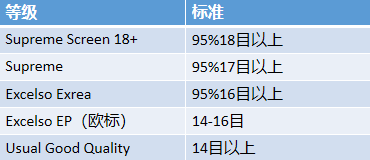
Colombia also has its own distinctive coffee bean grading system, and FrontStreet Coffee's San José Estate coffee bean is made from the highest local grade. Below are the grading standards for Colombian coffee beans:
FrontStreet Coffee Recommendation
Colombian coffee is remarkably versatile: it works in espresso blends and as a pour-over single origin, and comes in bright fruit-acid styles, full-bodied styles, and aromatic styles — something for every palate.
Huila Department, in the southern part of Colombia's central cordillera, is the country's most famous specialty region — hills ringed by mountains, planted above 1,500 meters, where Colombia's most important rivers meet and bring rich water resources and moisture. To get to know the origin, start with FrontStreet Washed Huila: medium-dark roasted to highlight black chocolate and nut aromas, with moderate crema and full body — fine as a pour-over or French press, and equally ready for the moka pot or espresso machine.
For something in the same experimental spirit as barrel fermentation, try the FrontStreet Sidra from the Boundary Line Estate, processed by anaerobic natural fermentation — a method fermented in low- or no-oxygen environments, usually in pressure-capable stainless steel tanks with controlled temperature, time, and pH. After the oxygen-free fermentation, this coffee takes on abundant tropical fruit aromas; brewed medium-light as a pour-over, cold brew, drip bag, or moka pot, it delivers complex notes of passion fruit, grape, apricot, and dried fruit.
And if you brew at home with an espresso machine or moka pot, the FrontStreet Boutique Blend is the barista-recommended pick: it pairs the creamy nut character of Brazilian coffee with the dark chocolate bitterness of Colombian coffee, extracts with a fine golden crema, makes a rich, silky latte, and stands up just as well as the base for americanos, cappuccinos, and mochas.
Important Notice :
FrontStreet Coffee is a long-established specialty coffee roaster in Guangzhou China, selling freshly roasted beans from its own farm in Yunnan as well as dozens of carefully selected single-origin beans from around the world for both pour-over and espresso. The products deliver consistently excellent quality and great value, with shipping within 24 hours. Guangzhou's FrontStreet Coffee shop is recommended by many coffee lovers, and the beans are now available online at the Tmall 。
FrontStreet Coffee has moved to a new address:
FrontStreet Coffee Address: 315,Donghua East Road,GuangZhou
Tel:020 38364473
 Scan and follow the En Gafei WeChat official account. Please indicate that the reprint comes from "En Gafei".