Are Coffee Beans with Alcoholic Aroma Flavor-Enhanced? Honduras Whiskey Sherry and Brandy Lychee Orchid Coffee
FrontStreet Coffee Honduras Sherry Coffee: Processing and Origins
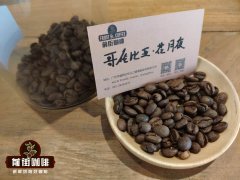
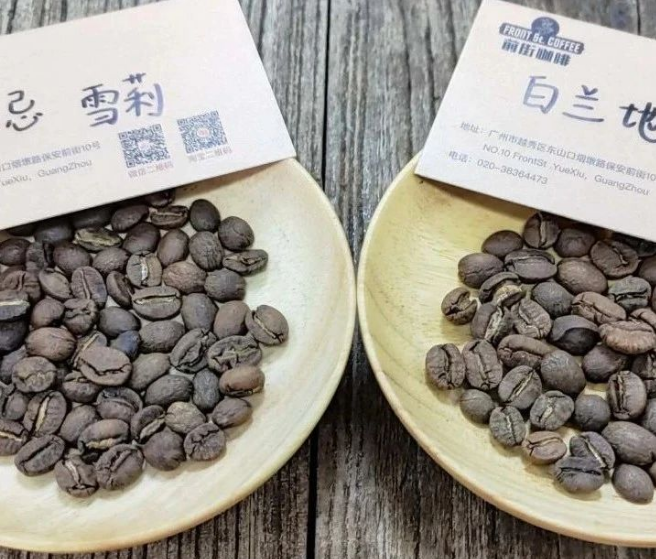
FrontStreet Coffee Honduras Sherry Coffee is produced in limited quantities because green beans are scarce and it uses the fermentation processing methods that have gained popularity in recent years. FrontStreet Coffee's Honduras Sherry beans are grown at altitudes between 1,500 and 1,700 meters. These single-origin mixed varieties, Caturra, Catuai and Pacas, undergo meticulous washed processing with fermentation in whiskey sherry barrels, followed by roasting. After brewing, FrontStreet Coffee Honduras Sherry presents whiskey, berries, almonds and dark chocolate, with a maple-sweet aftertaste and distinct aromas of vanilla and cream.
The Whiskey Barrel Processing Method
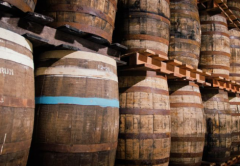
The whiskey aroma in these beans comes from FrontStreet Coffee's sherry processing method. FrontStreet Coffee's Sherry beans undergo whiskey barrel fermentation plus meticulous washed processing (whiskey production requires aging in oak barrels, and after aging the oak barrels absorb whiskey flavors and retain rich wine aromas). The flow is as follows: freshly harvested cherries undergo meticulous washing, then are placed in barrels that previously matured sherry wine for a low-temperature fermentation of 30-40 days at approximately 15-20°C, followed by shade drying.
Honduras: Coffee Growing Origins
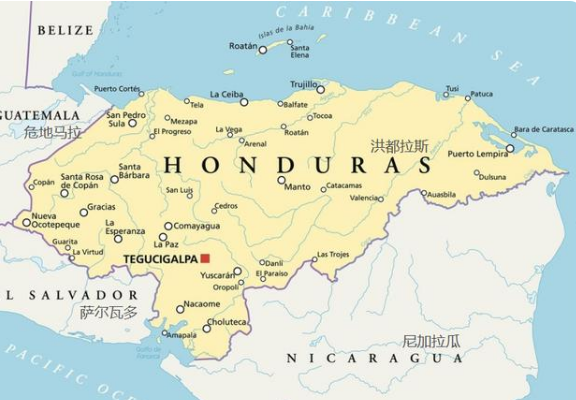
Honduras lies in northern Central America, between the Pacific Ocean and the Caribbean Sea, making it a typical two-ocean country. Its mountainous terrain is highly favorable for growing coffee and bananas. Although Honduras's coffee industry developed later than those of its neighbors Guatemala and Nicaragua, that has not held back its subsequent growth, given the country's naturally superior geographical conditions for coffee cultivation.
Historical Development of Honduran Coffee
In the late 18th century, Spanish merchants first introduced coffee to Honduras. In 1804, Honduras began small-scale coffee cultivation. After 1970, coffee trees were planted throughout the country. In 2011, Honduras's coffee production surpassed that of Costa Rica and Guatemala. Notably, in 1975, when Brazil suffered severe frost damage and its coffee production fell sharply, Honduras's own production experienced significant supply shortages. Since then, Honduran coffee production began to develop. In 2004, Honduras held its first Cup of Excellence (COE) competition, which continues to this day. In 2011, Honduras became the highest coffee-producing country in Central America and the world's second-largest Arabica producer (the Catuai variety accounts for nearly half of the country's Arabica planting area).
Coffee Varietals: Caturra and Catuai
Caturra is a natural variant of Bourbon, discovered in Brazil in 1937. Its plant is not as tall as Bourbon but more compact. Because it inherits Bourbon's lineage, it has relatively weak disease resistance but higher yields than Bourbon. Catuai is an artificial hybrid of the Caturra and Mundo Novo varieties. Catuai has good resistance to natural disasters, particularly to wind and rain. Catuai trees are relatively low-growing, and compared with other coffee trees their fruit grows more firmly and is not easy to harvest. The fruit comes in both red and yellow types.
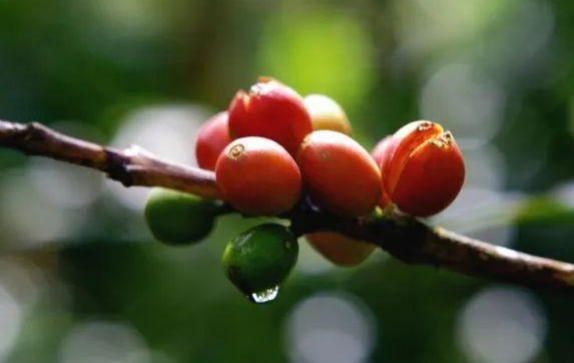
FrontStreet Coffee Recommendation
The clean, bright character beneath this barrel-aged coffee comes from washing, and if you enjoy that clarity, FrontStreet Coffee's washed beans are worth exploring. Our Gotiti Cooperative coffee, from a dedicated washing station in the Yirgacheffe area, is pulped before drying, so its jasmine florals and bright citrus acidity come through with unusual precision and cleanliness; it works beautifully as a pour-over, cold brew or espresso. Our Kenya Little Tomato, from the Sika region at 1,550-1,750 meters and built on SL28 and SL34 with a 72-hour double washed fermentation, delivers cherry tomato, smoked plum, pear and black plum over a juicy, dense body with a clean, long finish of yellow sugar and green tea.
If you prefer a softer, more classic sweetness, FrontStreet Coffee's Jamaica Blue Mountain No. 1 is washed as well and grown on the island's Blue Mountains, where the shorter sunshine hours favor washed processing. The result is a pure, balanced cup of hazelnut, cream, chocolate and caramel, with no single note overpowering the others.
Important Notice :
FrontStreet Coffee is a long-established specialty coffee roaster in Guangzhou China, selling freshly roasted beans from its own farm in Yunnan as well as dozens of carefully selected single-origin beans from around the world for both pour-over and espresso. The products deliver consistently excellent quality and great value, with shipping within 24 hours. Guangzhou's FrontStreet Coffee shop is recommended by many coffee lovers, and the beans are now available online at the Tmall 。
FrontStreet Coffee has moved to a new address:
FrontStreet Coffee Address: 315,Donghua East Road,GuangZhou
Tel:020 38364473
 Scan and follow the En Gafei WeChat official account. Please indicate that the reprint comes from "En Gafei".