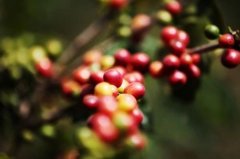
Is Pour-Over Coffee Mysticism or Science? Are Brewing Techniques Really That Important?
Many newcomers to coffee marvel at what seems like the mystical art of brewing. With thousands of coffee varieties, some people can coax countless nuances from a single bean, while different brewing methods create entirely different flavor experiences. It's enough to make anyone call it coffee magic!
The Mysticism of Coffee
Coffee mysticism has flourished since the early days of internet culture, spawning many curious beliefs: that pour-over must exclude the final extraction to avoid bitterness, or that wetting the filter paper tastes better than not wetting it. The debate between single-pour and three-pour techniques carries an almost martial-arts fervor. Then there's the ever-elusive grind size, forever benchmarked against coarse sugar granules - and of course, the mysticism of coffee flavors...

Why We Call It Coffee Mysticism
There's a saying: "Theology and science are not opposed to each other. Science is humanity's explanation of known things; theology is human speculation while exploring the unknown." We call coffee a form of mysticism precisely because we don't yet fully understand it, so we try to explain it through the forces of nature. But as we gradually probe and prove our understanding of coffee, the veil of mysticism will be stripped away layer by layer - and what remains becomes coffee science.

Using Science to Open the Door of Mysticism
Claims that pour-over tastes better without the final extraction, or that wetting the filter paper improves the cup, are only true under specific circumstances.
Take the question of cutting the tail first. If "you must exclude the final extraction or the coffee turns bitter" were true, it would mean that normal brewing inevitably produces bitterness - an unfounded conclusion. With correct parameters (good beans, proper coffee-to-water ratio, appropriate grind size, water temperature, and technique), you simply won't encounter bitterness or off-flavors. If you need to cut the tail to avoid them, the real problem is your parameters. Cutting the tail is one workaround, but isn't fixing the cause better than masking the symptom at the end?
So when is cutting the tail actually warranted? When your grinder's precision falls short and produces too many fines, or when the beans are stale but you'd rather not waste them - in those situations, cutting the final extraction may well be the optimal solution.
The single-pour versus three-pour debate is a microcosm of the pour-over community: an almost obsessive pursuit of technique, like hunting for secret martial-arts manuals. Certain methods have been mythologized along the way. Drip towers, for instance, look deeply mystical to outsiders - and rather cool. The coffee they produce has rich character, and mastering them demands real perseverance and practice, which only adds to the legend.
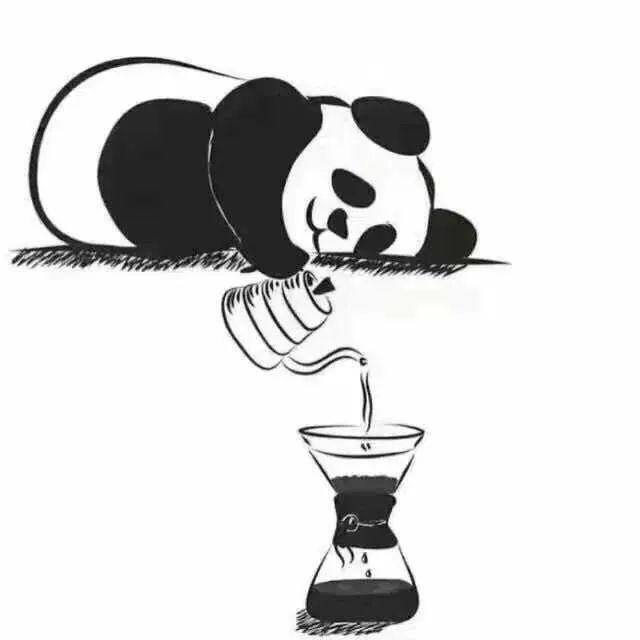
Viewed scientifically, the drip method simply uses prolonged, slow pouring for an extended contact time, letting the grounds fully saturate so that less water extracts more later. Its coffee-to-water ratio of 1:10 yields a relatively concentrated cup with no burnt or bitter edge, and the extended timeline ensures greater flavor stability. Once you understand the extraction principles, drip coffee stops feeling mystical.
Flavors may be what newcomers find most mystical of all. A barista sets down a cup and describes lemon, berries, red wine, and cane sugar - and you're left bewildered. Can an ordinary black coffee really contain so many flavors?
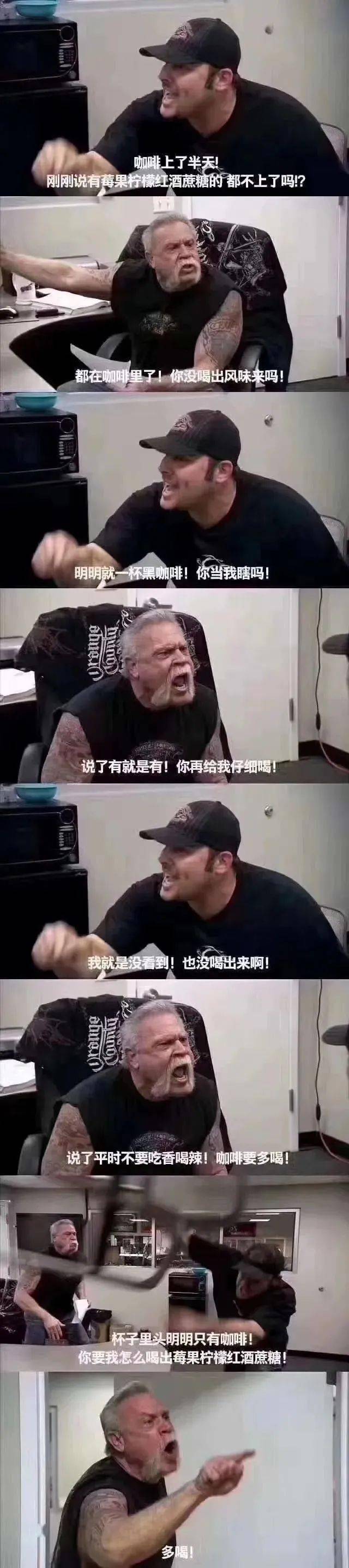
FrontStreet Coffee can tell you responsibly: an ordinary black coffee contains no lemons, berries, red wine, or cane sugar - but it does contain flavor compounds that remind you of them. Everything has multiple characteristics, and different people latch onto different aspects (memory points) of the same thing.
Take lemon: some people remember its acidity, others its aroma. When a coffee shows "lemon" flavor, it doesn't literally contain lemon - the coffee's acidity is simply bright enough to evoke it.
There's also our tendency to associate parts with wholes. Someone might say, "This coffee smells like roasted sweet potato - so sweet." Literature has traced roasted sweet potato aroma to 29 aromatic compounds, with the biggest contributions from almond-like 2-acetylfuran and popcorn-like 2-acetylpyrrole.
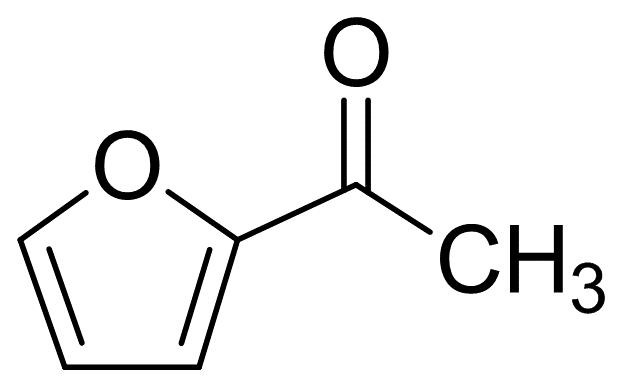
These are the aroma compounds you're actually smelling.
Coffee's aroma comes largely from furan compounds, including 2-acetylfuran - which is why coffee can smell like roasted sweet potato. Interestingly, sweet potato aroma is also described as having "rose-like notes of citronellol and geraniol." And when coffee smells sweet, it isn't actually sweet - our noses can't detect taste. The sweetness is constructed by association: smelling aromas reminiscent of roasted sweet potato, honey, or maple syrup, the mind automatically supplies the taste of those things. That is what we perceive as sweetness.
So coffee flavors all have a scientific basis - they're simply dressed up with humanistic imagination and artistic interpretation.
FrontStreet Coffee Recommendation
Want to test these ideas yourself? The V60 is the ideal laboratory: Hario's 60-degree cone and single large opening reward good technique with layered aromatics and lively acidity. Pair it with FrontStreet Coffee's washed Guodingding Cooperative Yirgacheffe for delicate white florals and citrus, or the Natural Huakui for a rush of tropical fruit - both showcase exactly how much your technique can shape the cup.
Important Notice :
FrontStreet Coffee is a long-established specialty coffee roaster in Guangzhou China, selling freshly roasted beans from its own farm in Yunnan as well as dozens of carefully selected single-origin beans from around the world for both pour-over and espresso. The products deliver consistently excellent quality and great value, with shipping within 24 hours. Guangzhou's FrontStreet Coffee shop is recommended by many coffee lovers, and the beans are now available online at the Tmall 。
FrontStreet Coffee has moved to a new address:
FrontStreet Coffee Address: 315,Donghua East Road,GuangZhou
Tel:020 38364473
 Scan and follow the En Gafei WeChat official account. Please indicate that the reprint comes from "En Gafei".