What is Beethoven Coffee? Costa Rica Beethoven Coffee Bean Flavor and Taste Evaluation.

Beethoven is a coffee bean from Costa Rica's Canet Estate. Because the estate owner is passionate about classical music, every bean the farm produces is named after a musician, and the lots are collectively known as the "Musician Series." Alongside Beethoven there are three others — Mozart, Bach, and Chopin — all showing gorgeous fruit flavors and elegant aromatics, which made the series memorable almost overnight.
FrontStreet Coffee - Costa Rica Musician Series: Beethoven
Region: Costa Rica, Tarrazú
Estate: Finca Canet
Processing: Washed
Variety: Yellow Catuai
Altitude: 1900m
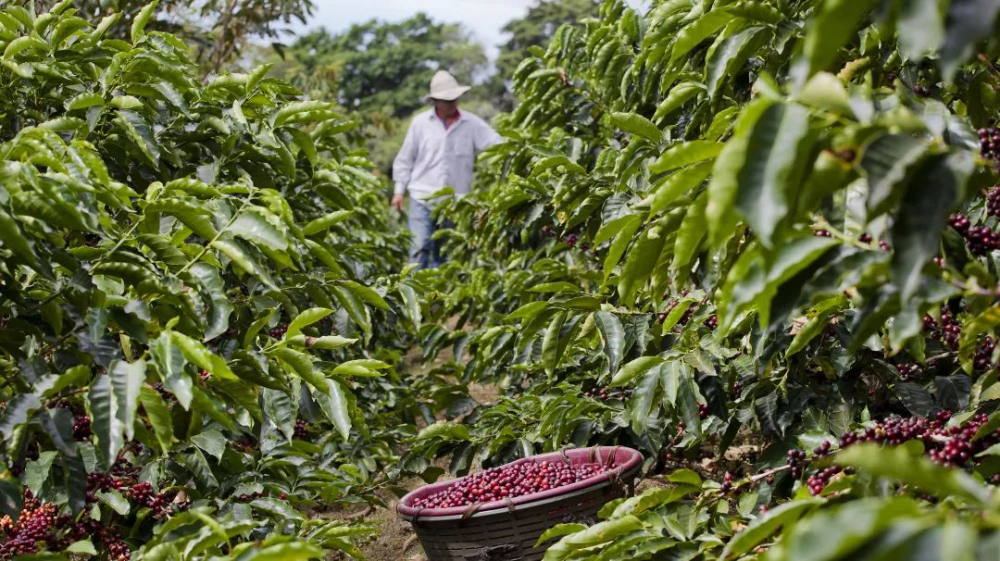
Canet Estate (Finca Canet)
The estate sits in the highest altitude band of Costa Rica's Tarrazú region — an area that is also the country's most intensive fruit-growing zone. Tarrazú is one of Costa Rica's primary coffee-producing areas, with the highest average elevation, excellent climate, fertile soil, and good drainage. These superior conditions have made Tarrazú widely recognized as Costa Rica's finest major coffee region.
Canet Estate is run jointly by the families of three brothers, and most of its coffee is honey processed. They now have more than a decade of coffee production experience. The estate primarily grows passion fruit and other fruits, with the coffee trees concentrated in dedicated blocks for easier management. Each December, when the cherries ripen, the owner arranges picking and sends the harvest to a nearby small wet mill (beneficio) for processing. The owners' love of classical music and romanticism explains the musician names, and they continually research variety selection and post-harvest processing. High-quality beans paired with honey processing at different pectin levels produce coffees with good sweetness, consistency, body, and ripe fruit flavors reminiscent of banana — and borrowing the names of great composers makes the coffee easy to remember, too.
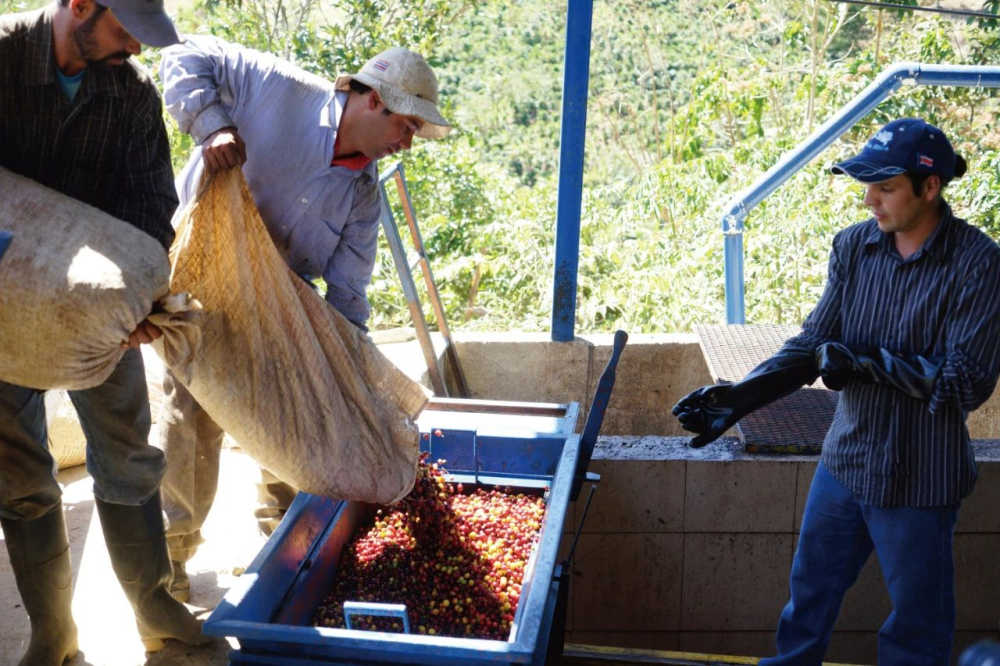
The Washed Process
Unlike the other three musician beans, Beethoven is the only lot processed with the traditional washed method, presenting the purest expression of the coffee's own character. In washed processing, screened cherries go into a depulper to strip away skin and pulp. The beans, still coated with a little pulp and pectin, ferment in water for about 18-36 hours. After fermentation, the parchment coffee moves through flowing water channels that wash the remaining pulp and pectin away. The washed beans are then dried to about 12% moisture, and finally the parchment is milled off the green coffee. FrontStreet Coffee finds that washed processing yields cleaner, brighter cups with livelier acidity.
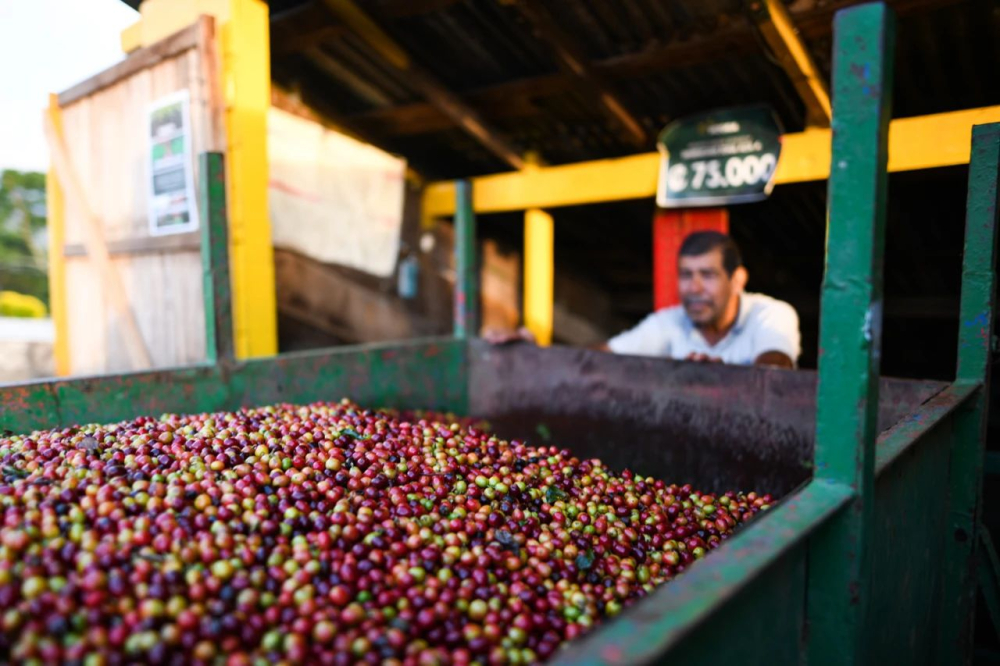
The Coffee Variety
FrontStreet Coffee's Beethoven uses the Yellow Catuai variety. Catuai is a hybrid of Mundo Novo and Caturra. Like Red Catuai, Yellow Catuai shows extremely high disease resistance and suits high-altitude cultivation, combining high yield and hardiness to direct sun with delicate, clean acidity.
FrontStreet Coffee Roasting Recommendations
FrontStreet Coffee's roasters found Beethoven's beans to be high in density and chose a medium-light roast — preserving the bright acidity, showcasing the bean's fruity notes, and enhancing richness and balance. Preheat the roaster to 170°C before charging, set heat to 120, open the damper to 3, and let the turning point arrive at 1'36", then hold the heat;

At 140°C, keep the heat unchanged and open the damper to 4. At 5'55", the beans turn yellow, the grassy aroma fades, and the drying stage ends. At 151°C, reduce heat to 100 with the damper at 4. At 176°C, adjust heat to 85, damper unchanged. At 8'15", drying completes — wrinkles and black spots appear on the bean surface, and the toast aroma turns to coffee aroma, signaling the prelude to first crack. Listen carefully for it. At 9'01", first crack begins: open the damper fully to 5 and keep the heat unchanged. Develop for 1'45" after first crack and drop the beans at 193°C.
Cupping Experience
Freshly roasted Beethoven beans are cupped first at FrontStreet Coffee to evaluate the flavor and texture of this Musician Series entry. Cupping revealed the sweet-tart sensation of red berries plus a lively, brisk citrus acidity. As the cup cools, the juiciness of red berries gradually emerges, with a hint of almond in the aftertaste. Tasting this bean brought to mind Beethoven's own romantic compositions — his early romantic style, specifically. The ground coffee smells of strawberry, and during brewing you sense floral notes and the sweet-tart character of grapes.

FrontStreet Coffee Cupping Report
Dry Aroma: Strawberry
Wet Aroma: Citrus, white floral notes
Flavor: White florals, citrus, strawberry, ripe berries, almond
FrontStreet Coffee's Brewing Recommendations
Dripper: Hario V60
Water Temperature: 91°C
Dose: 15g
Ratio: 1:15
Grind Size: Medium-fine (80% pass-through on a #20 standard sieve)

FrontStreet Coffee's Step-by-Step Extraction Method
First, pour 30g of water to saturate the coffee bed into a "hamburger" shape and bloom for 30 seconds. For the second stage, FrontStreet Coffee uses a steady, medium-fine stream in circles, bringing the water to 125g at 55 seconds on the timer, then stops and waits for the level to fall to two-thirds of the coffee bed before starting the third. In the third stage, FrontStreet Coffee continues with the same steady, medium-fine stream, pouring to 225g at 1'45" on the timer. Once the coffee fully drains, the total extraction time is 1'59".
The Brewed Flavor of Beethoven
The overall mouthfeel is clean with a rich aroma. The entry offers the sweet-tart juiciness of strawberry plus lively citrus acidity — like light, brisk musical notes dancing across the palate. Floral notes and an almond-like aftertaste provide the perfect embellishment to this little musical movement.

FrontStreet Coffee Recommendation
Canet Estate's signature is honey processing, so if you want to explore that side of the Musician Series, FrontStreet Coffee's Costa Rica Mozart is the perfect companion piece. It uses raisin honey processing — an improved method that pre-dries the cherries on raised beds for at least three days before the skin and pulp come off, with 100% of the mucilage retained throughout. That extra precision makes it even more demanding than black honey, and it rewards you with richer cooked-fruit sweetness: osmanthus, pineapple, and raisin, delicious as pour-over, cold brew, or moka pot coffee.
For the deepest expression of the honey family, try FrontStreet Coffee's Costa Rica Blackberry. Its black honey process removes almost no mucilage and dries the beans for at least two weeks under shading, with regular turning to prevent uneven fermentation and preserve the sugars. Roasted medium-light, it fills the room with fresh floral aroma and pours out grape, berry, and ripe blackberry flavors.
Important Notice :
FrontStreet Coffee is a long-established specialty coffee roaster in Guangzhou China, selling freshly roasted beans from its own farm in Yunnan as well as dozens of carefully selected single-origin beans from around the world for both pour-over and espresso. The products deliver consistently excellent quality and great value, with shipping within 24 hours. Guangzhou's FrontStreet Coffee shop is recommended by many coffee lovers, and the beans are now available online at the Tmall 。
FrontStreet Coffee has moved to a new address:
FrontStreet Coffee Address: 315,Donghua East Road,GuangZhou
Tel:020 38364473
 Scan and follow the En Gafei WeChat official account. Please indicate that the reprint comes from "En Gafei".