What's the Difference Between "Hua Kui" and Geisha? Understanding the Distinctions Between Hua Kui and Geisha Coffee Varieties and Their Stories
Understanding Geisha Coffee
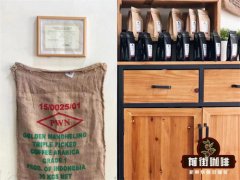
Geisha, also spelled Gesha, takes its common name from its resemblance in pronunciation to the Japanese word for "geisha," which is why it is called Geisha coffee in some regions. The variety's flavor is exquisite, but that elegance depends on specific growing conditions. Geisha is unusually picky about where it lives: it needs high altitude with cloud cover or generous shade trees, plus fertile soil, to produce the rich, captivating florals, delicate fruit acidity and tea-like aftertaste that define it.
Major Geisha Growing Regions
The main growing regions for Geisha are Panama, Costa Rica, Ethiopia and Colombia.
Panama Geisha
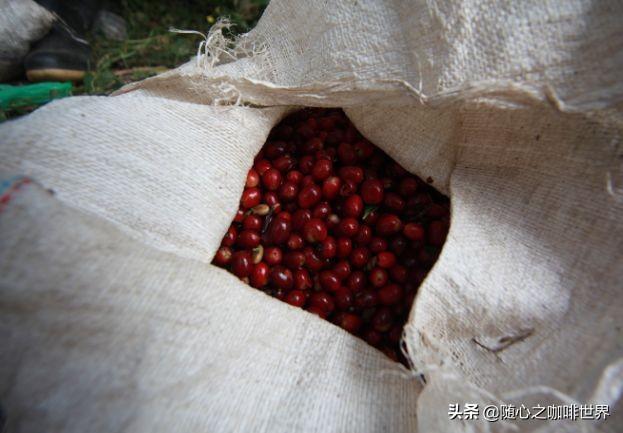
Panama Geisha is what introduced the variety to the world and made it widely known. The Panama Geisha variety originates from Ethiopia. It was discovered in Ethiopia's Geisha forest in 1931, then sent to the Coffee Research Institute in Kenya. In 1936 it was introduced to Uganda and Tanzania, then to Costa Rica in 1953, and finally to Panama in 1970. When it first arrived in Panama, farmers were unwilling to cultivate it because yields were so low, so it was planted as a windbreak to protect other coffee trees.

Ethiopia Geisha
The most representative Ethiopian Geisha comes from Gesha Village Estate, one of the few estates devoted primarily to the variety. Because the Geisha grown at Gesha Village belongs to wild Geisha populations, its plant structure and flavor share similarities with the Panamanian Geisha we know, but overall it still differs substantially from Panama Geisha coffee.
Colombia Geisha
Colombia only began importing Geisha beans from Panama in recent years. Most Colombian coffee regions sit in mountainous terrain with abundant microclimates, mild temperatures and plentiful water, giving coffee excellent growing conditions. Cupping Colombian Geisha beans, FrontStreet Coffee found flowers, a soft orange and mandarin acidity, honey-like sweetness and a tea-like finish.
Hua Kui Coffee Beans
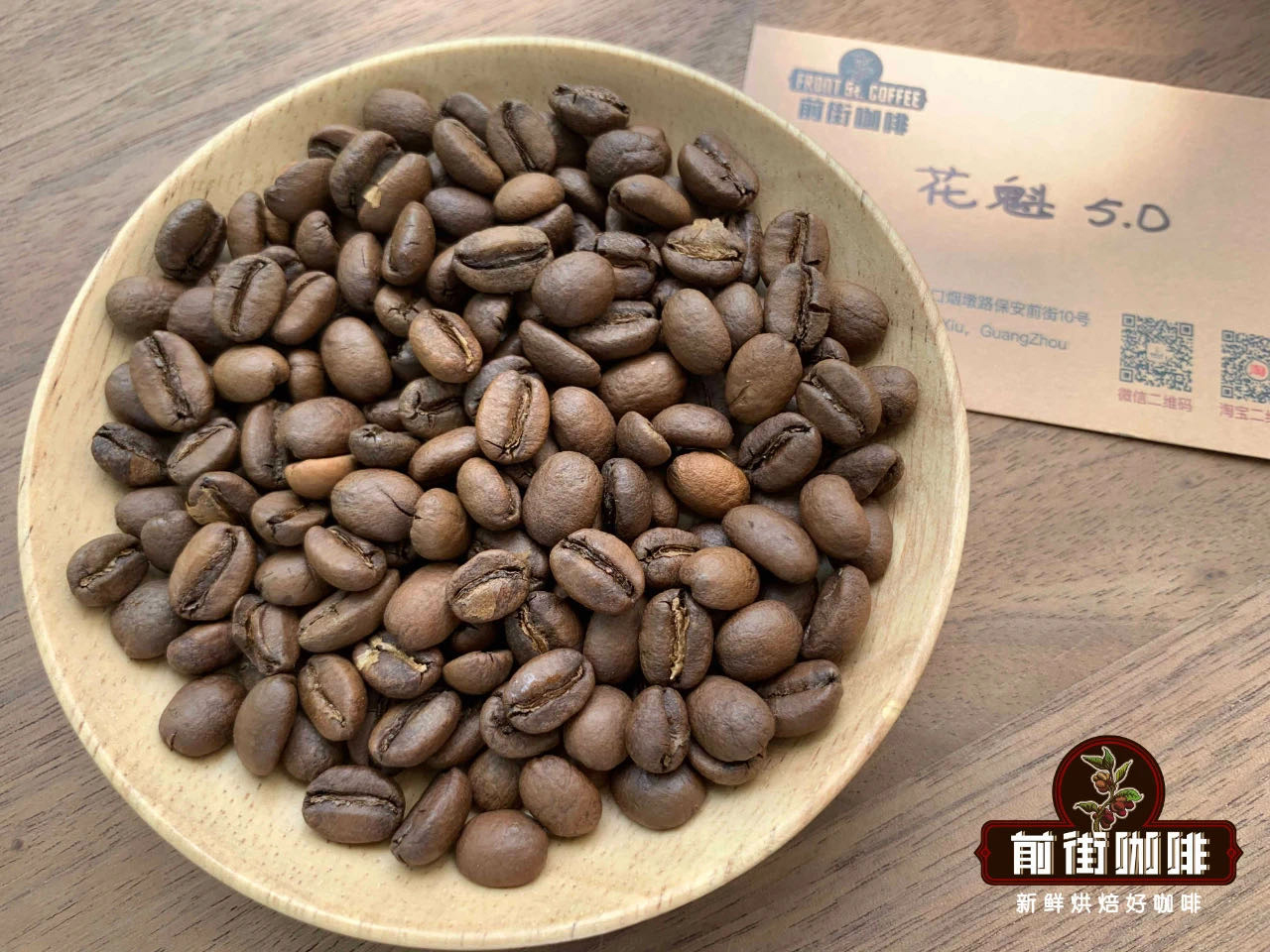
This 2017 TOH (Taste of Harvest) champion bean was originally known simply as Hambela coffee. That same year, after the champion green bean lot was imported by a Beijing green bean trader, it was named "Hua Kui" — meaning "the finest among flowers," with a suggestion of something enchanting. Chinese coffee drinkers truly came to know Hua Kui in 2017, when Li Jianfei, runner-up in the China region of the World Brewers Cup, used this lot of Hua Kui to defeat the Geisha coffees of many other competitors. In an era when Geisha dominated the major competitions, a sun-dried Ethiopian bean beating so many Geisha lots naturally made everyone look at this unassuming coffee with new respect. That is where the name Hua Kui comes from — it has not been many years, and anyone drinking coffee back then will have some memory of it.
Hua Kui uses Ethiopian native varieties, and this is not a reference to a single cultivar. As the birthplace of coffee, Ethiopia holds countless coffee varieties — a natural gene bank for Arabica. On one hand the sheer number makes identification and classification difficult; on the other, the Ethiopian government, for protection, is unwilling to disclose information about them, so they are grouped together as Ethiopian native varieties. It is precisely this varietal complexity, planted and harvested together, that gives Ethiopian native beans their uneven size.
FrontStreet Coffee Recommendation
Whether you come to Geisha through its Panama fame or through its Ethiopian roots, FrontStreet carries lots that trace both branches of the family.
FrontStreet Boquete Washed Geisha
The easiest way to taste the "Geisha flavor" people talk about. Boquete's mountain valleys are often veiled in cloud, humid by day and cool by night, and the Baru volcano leaves fertile soil — ideal for Geisha. Higher planting means a longer ripening period, more nutrients taken up and a more layered, distinctive cup. This estate-level Geisha is planted at 1,600 meters, and brewed it delivers the classic Panama orange-blossom honey character with an oolong-tea quality, fine fruit sweet-sour balance and clear layering.
FrontStreet Gesha Village Gold Label
Ethiopia also has an estate famous for the Geisha variety. Gesha Village runs a similarly strict grading system to Panama's, with a more complex structure: it grows three Geisha varieties — Gori Gesha, Gesha 1931 and Illubabor Forest — and grades lots as Gold Label Rarities, Red Label Growers Reserve, Green Label Single-Terroir and Chaka. Gold Label belongs to the Gesha 1931 variety and accounts for 10% of Gesha Village's total output; it is the estate's top coffee outside auction and is frequently chosen by competition baristas. This lot is given a refined natural process and cups with complex, layered flavor — distinctive in dry aroma, in the slurp and in the lingering finish.
FrontStreet Genlana Geisha
Genlana Estate lies in Yirgacheffe, Ethiopia, and is a rare estate planted with a single variety. This lot comes from the Genlana processing station at the border of Ethiopia's Kochere and Genlana Abaya districts; founded in 2014 and run by Mr. Israel Degefa, the station sits in an area of up to 700 hectares of coffee cultivation, much of it uncultivated, with fertile soil and shade trees throughout. The original rainforest soil and generous shade give this native Ethiopian Geisha noticeable layering. Cherries are hand-picked fully ripe and dried in the sun on raised beds for 14–20 days, depending on the weather. Roasted medium-light, it shows bright citrus acidity, elegant ginger flower, the full sweetness of ripe fruit and a fine, silky texture with Geisha's signature refined finish.
Important Notice :
FrontStreet Coffee is a long-established specialty coffee roaster in Guangzhou China, selling freshly roasted beans from its own farm in Yunnan as well as dozens of carefully selected single-origin beans from around the world for both pour-over and espresso. The products deliver consistently excellent quality and great value, with shipping within 24 hours. Guangzhou's FrontStreet Coffee shop is recommended by many coffee lovers, and the beans are now available online at the Tmall 。
FrontStreet Coffee has moved to a new address:
FrontStreet Coffee Address: 315,Donghua East Road,GuangZhou
Tel:020 38364473
 Scan and follow the En Gafei WeChat official account. Please indicate that the reprint comes from "En Gafei".