Differences Between Indonesian Golden Mandheling and Mandheling Coffee Beans: Flavor Profile of Pour-Over Mandheling Coffee
Anyone who enjoys rich, bitter coffee has surely heard of Mandheling. Its solid, mellow texture and distinctive herbal-spice aroma have made it a classic in the hearts of many older coffee lovers. Among Mandheling coffees, different flavor profiles fall into different types, such as the Golden Mandheling on FrontStreet Coffee's bean list. In this article, FrontStreet Coffee compares Golden Mandheling with regular Mandheling.
Where does Mandheling come from?
Although Mandheling coffee comes from Indonesia, its fame came from Japan.
The name "Mandheling" came from a mispronunciation of the Mandheling tribe in northwestern Sumatra, Indonesia. Legend has it that during Japan's occupation of Indonesia in World War II, a Japanese soldier tasted an incredibly fragrant coffee in a cafe. When he asked the owner the coffee's name, the owner thought he was being asked "Where are you from?" and answered with his tribe's name: "Mandheling." After the war the soldier returned to Japan, remembered the delicious coffee as "Mandheling," and commissioned locals to import 15,000 kilograms of Mandheling coffee from Sumatra. It became hugely popular once it reached the Japanese market. That local was actually the owner of Indonesia's famous PWN company (Pwani Coffee Company), also the first company to export Mandheling coffee to Japan. FrontStreet Coffee has imported their PWN Golden Mandheling coffee for many years.
What is Golden Mandheling coffee?
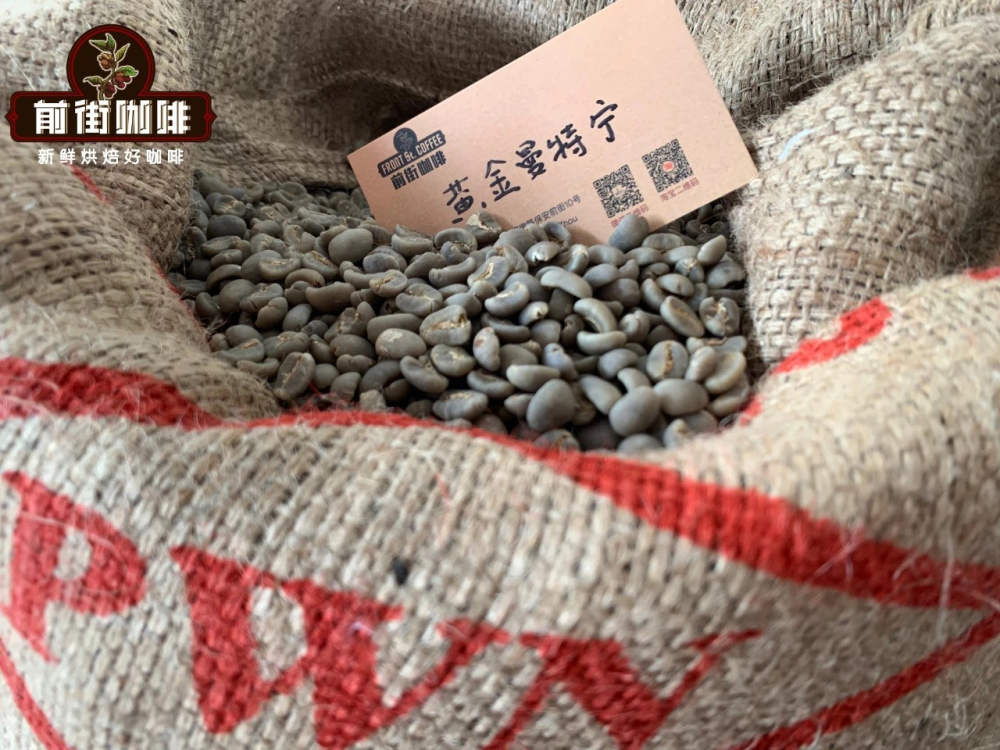
PWN is short for Indonesia's famous green bean merchant, Pwani Coffee Company. The English name "Golden Mandheling" was registered as a trademark by PWN long ago, which makes "Golden Mandheling" exclusive to PWN. Many Golden Mandheling coffees on the market that do not specify PWN Golden Mandheling merely reference the screening system PWN uses, without matching the meticulous screening PWN performs. PWN is even stricter: after four rounds of hand sorting, it runs unified machine-based density and color sorting, finally presenting Mandheling beans of uniform color and consistent shape. In other words, PWN conducts 5 screenings to secure the initial quality of its Golden Mandheling.
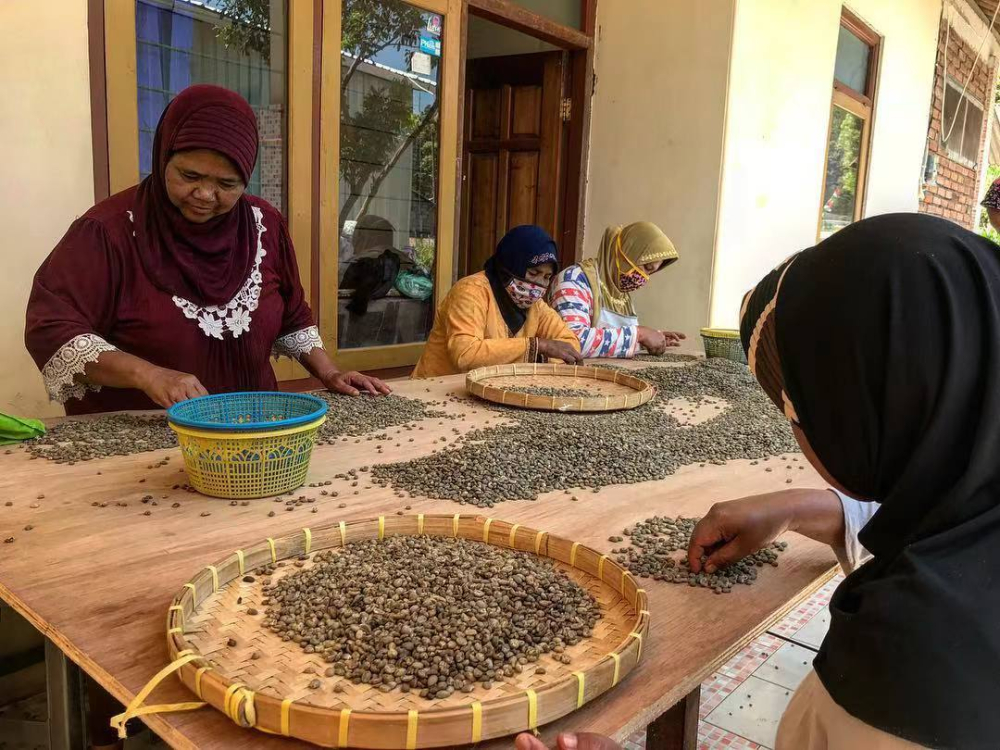
How to identify if your Golden Mandheling comes from PWN Company?
The Golden Mandheling FrontStreet Coffee buys comes with PWN's factory certificate and green bean gunny sacks bearing a clear "PWN Company" logo, printed with "PWN GOLDEN MANDHELING TRIPLE PICKED Grade 1 PROD OF INDONESIA 30KGS NET." Both of these Golden Mandheling identifiers are displayed at FrontStreet Coffee's Dongshankou store, so friends who can visit should take note. If you are unsure whether the PWN Mandheling you bought is genuine, you might ask the seller to provide the certificate or the coffee gunny sacks.

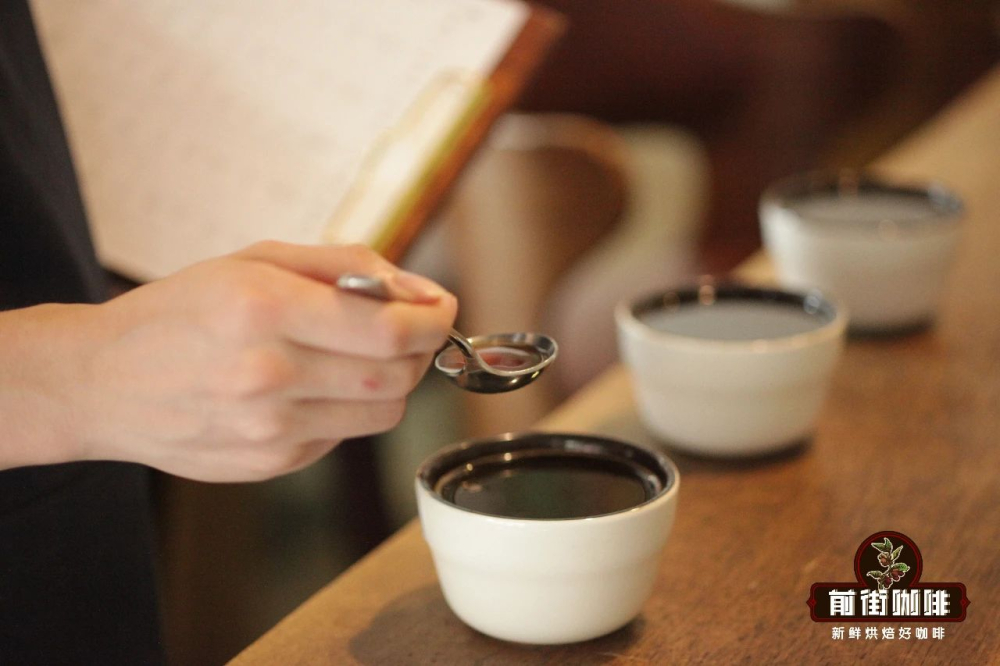
FrontStreet Coffee cupped a regular Mandheling from the Lintong region against the PWN Golden Mandheling. Both showed herbal plants, cinnamon spice, chocolate, nuts, and a rich, mellow texture. The Golden Mandheling, however, had clearer sweetness and restrained, gentle fruit acidity. As the temperature dropped it revealed cream, walnut, melon, and herbal aromas, with an incredibly rich aftertaste.
The flavor of Mandheling comes from the Wet Hulling method
Indonesia has humidity between 70-90% year-round, with frequent typhoons and annual rainfall that can exceed 2000mm. Such harsh weather makes the 2-3 week sun-drying used in Africa impossible. The washed process is not only time-consuming but also needs more labor and water than Indonesia, with its focus on volume, can afford. So they developed a unique semi-washed method: wet hulling.
Coffee cherries with the skin and pulp removed are poured straight into a pool for a brief fermentation of several hours. Some mucilage remains on the parchment, which is removed by brushing. The parchment coffee is then dried, but only to 30-40% moisture content, over about 2-3 days, after which farmers sell the green beans to buyers. The buyers use machines to hull the semi-dry parchment coffee directly to get the innermost green beans. Because the huller uses significant friction to tear off the parchment layer clinging to the beans, and because that friction stirs the beans, the green beans are more easily crushed or squeezed, especially at both ends, forming small gaps and what are known as "elephant foot beans."
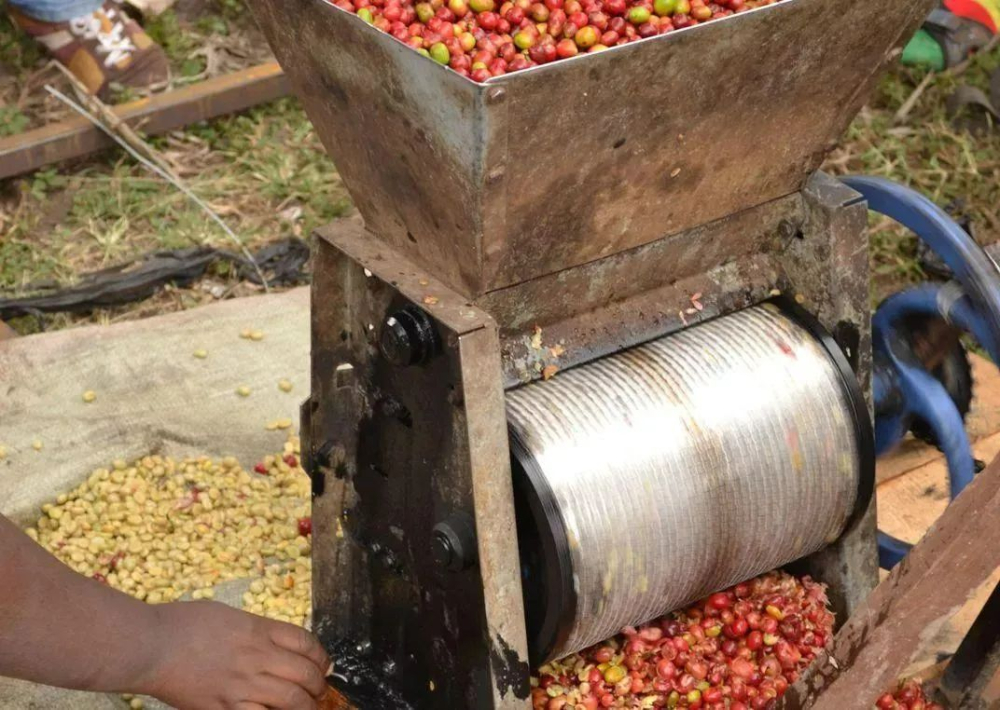
These "naked beans," stripped of parchment, dry very quickly. Because the drying time is shortened, the fermentation period and the beans' acidity are reduced, while body increases, with distinct caramel and fruit aromas and slightly woody, herbal notes. This is the classic "terroir flavor" of Sumatran coffee. FrontStreet Coffee believes the wet-hulled Mandheling from the Lintong region has exactly these characteristics, which is why it joined FrontStreet Coffee's small-pack daily bean selection, so everyone can have a taste.
How to brew PWN Golden Mandheling coffee for better flavor?
Some friends buy coffee beans and then don't know how to brew them properly, worrying about poor extraction and wasted beans. Here, FrontStreet Coffee uses its store's parameters as an example to explain how to hand-brew Golden Mandheling.
Before brewing, FrontStreet Coffee first confirms the freshness of the beans, making sure to use beans roasted within 1 month. Freshly roasted Golden Mandheling needs 7-10 days of degassing to enter its optimal flavor window. FrontStreet Coffee wants every customer to enjoy the full aroma, so it ships only beans roasted within 5 days, letting everyone receive them inside the complete flavor window.
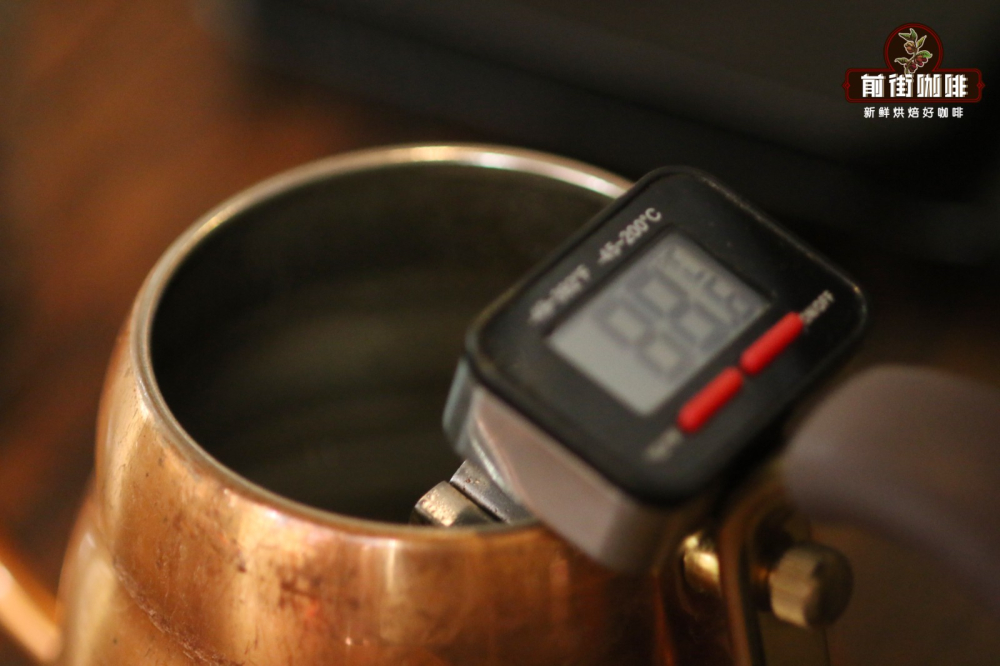
Roasted beans expand and have a loose texture. When ground they readily absorb more water and release their compounds faster. To avoid over-extraction, FrontStreet Coffee uses a medium grind and a slightly lower water temperature, reducing the release of bitter macromolecules during extraction.
For this brew, FrontStreet Coffee's barista aims to highlight Golden Mandheling's rich, clean, aromatic character and uses a KONO dripper. Also a conical dripper, the KONO has far fewer flow ribs than the V60, and its upper section is a smooth curve that lets the filter paper sit closer to the wall. This restricts upward airflow and forces hot water downward only, creating a siphon-like extraction that releases the aromatics in the grounds more fully, enhancing the rich body.
Golden Mandheling pour-over parameters: 87-88°C water, medium grind (70% pass-through on the China Standard #20 sieve), 15g of grounds, coffee-to-water ratio 1:15, three-stage pour.
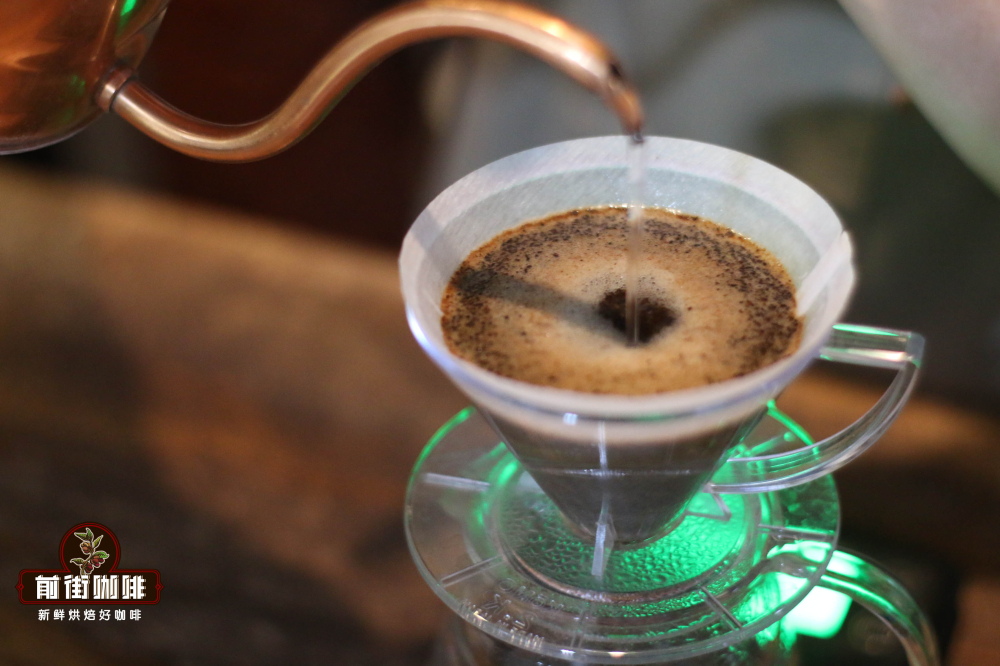
Use twice the coffee's weight in water to wet the bed and form a dome, and let it bloom for 30 seconds. Then, with a small stream, pour in circles from the inside out until you reach 125g, and pause. Wait for the bed to drop to half the height of the dripper, then continue with the same fine stream for the third stage until you reach 225g. Remove the dripper once all the liquid has filtered through, which should take about 2 minutes. Finally, swirl the coffee in the server to even it out and enjoy.
FrontStreet Coffee Recommendation
FrontStreet Coffee's Mandheling comes from Sumatra, Indonesia, and is a single-origin bean usually brewed as pour-over, with a rich aroma and a full body; it also works as espresso, where an espresso machine pulls a shot with rich crema, an intense taste, and pronounced caramel aroma. The Mandheling most people drink is deep-roasted to soften acidity and emphasize its mellow, fragrant character. FrontStreet Coffee's Lintong Mandheling daily bean and PWN Golden Mandheling come from Sumatra's Lintong and Aceh regions respectively, both roasted medium-dark, with the hope of showing dark chocolate and caramel while preserving Mandheling's wild herbal notes, a fragrance born of its growing environment and processing.
Sumatra is split into eight provinces, but only the high-altitude Aceh and North Sumatra provinces grow Arabica on a large scale. Because Sumatra is a tropical rainforest region, cloud and rain often drift through the forests, adding a layer of mystery. Coffee cherries ripen from September to April the following year, when many farmers can be seen busy picking in the hills. What sets Indonesia apart from many origins is its damp weather: humidity of 70-90% year-round, frequent typhoons, and annual rainfall above 2000mm. Such conditions make the 2-3 week sun-drying used in Africa impossible, while washed processing is time-consuming and heavy on labor and water, beyond the means of ordinary farmers. So they developed the unique semi-washed wet-hulling method, in which the parchment is stripped by machine while the beans are still half-dry, exposing them to speed drying but also letting them absorb airborne microbes and develop an utterly unique, wild flavor.
To taste wet-hulled specialty coffee at its best, FrontStreet Coffee recommends the top-grade PWN Golden Mandheling. PWN mainly buys high-quality Mandheling green beans and, after purchase, runs machine sorting plus hand sorting to pick plump, defect-free beans, all of specialty level, with Golden Mandheling as its flagship. The beans are even, plump, large, and clear, with a low defect rate, and after medium-dark roasting carry a rich roasted aroma; the brewed black coffee has a clean cup and a full body, ideal for anyone who dislikes acidic coffee. FrontStreet Coffee's PWN Golden Mandheling shows its charm best as pour-over: use 87-88°C water, 15g of coffee, a 1:15 ratio, a coarse-sugar grind, and a three-stage pour, which better expresses the full body and caramel sweetness. Bloom with 30ml to fully wet the grounds and let them degas, pour the second stage of 100ml to push out the golden foam and lift the bed, and finish with a gentle, centered 95ml pour to raise sweetness, for a thick, robust cup with caramel sweetness and chocolate and nut flavors.
Important Notice :
FrontStreet Coffee is a long-established specialty coffee roaster in Guangzhou China, selling freshly roasted beans from its own farm in Yunnan as well as dozens of carefully selected single-origin beans from around the world for both pour-over and espresso. The products deliver consistently excellent quality and great value, with shipping within 24 hours. Guangzhou's FrontStreet Coffee shop is recommended by many coffee lovers, and the beans are now available online at the Tmall 。
FrontStreet Coffee has moved to a new address:
FrontStreet Coffee Address: 315,Donghua East Road,GuangZhou
Tel:020 38364473
 Scan and follow the En Gafei WeChat official account. Please indicate that the reprint comes from "En Gafei".