How to Use a Pour-Over Coffee Maker: Should You Use Specialty Coffee Beans or Single-Origin Beans for Pour-Over Coffee?
If you want to make simple, genuinely delicious coffee at home, pour-over is where FrontStreet Coffee would point you first. Specialty coffee is beloved by enthusiasts everywhere, and what makes it "special" is a flavor so distinctive that people fall for it almost mysteriously. The single best way to showcase what specialty coffee can do is brewing it by hand, pour-over style.
Drip bags are convenient, but they can't match what a proper pour-over delivers. Many enthusiasts hit a wall when they first pick up a gooseneck kettle, though. Does using one really take skill? It does — so let's talk through the techniques that matter.
Pour-Over Kettle Techniques
Using a pour-over kettle well comes down to adopting the right brewing method. Great pour-over depends not just on good beans or a good grind, but on technique and execution.
Pouring Methods
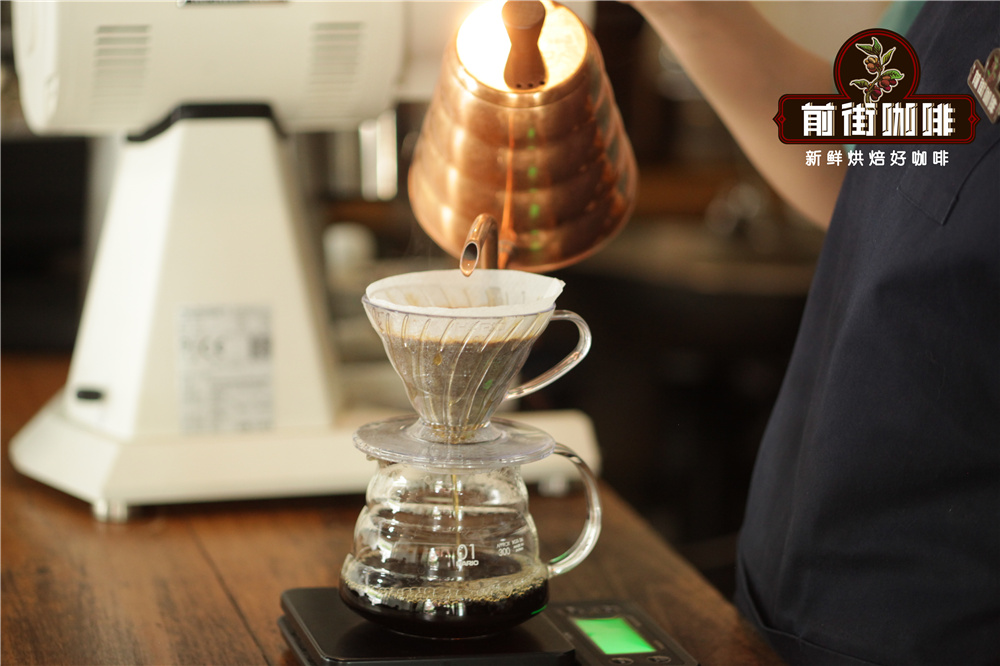
1. Direction of the pour: Control where the water goes. Don't pour in one spot continuously; instead, draw concentric circles in a single direction until you reach the outer edge of the coffee bed. And keep the stream off the filter paper — water running down the paper bypasses the grounds and drags papery, flat flavors into the cup.
2. Flow stability: Pour-over extraction is driven by the kinetic energy of the water stream, so stability is everything. A wavering flow unbalances the extraction, and a stream that cuts in and out lets grounds settle and pool at the bottom of the filter, causing water to linger and the extraction to drag on. Keep your hand steady and learn to hold the stream at a consistent thickness.
3. Interrupting the pour: The third key technique is stopping mid-brew — "breaking" the pour. Pausing lets you steer the cup away from being too strong or too weak. For example, when brewing with 360cc of water, you can stop at the halfway mark (180cc), let the water level drain down through the grounds, then resume pouring. This deepens the flavor and adds richness. It also helps when your stream is running too heavy: interrupt the pour so the coffee doesn't dilute. One or two pauses per brew is usually enough — each one adjusts the extraction rhythm and reshapes the final taste.
As for which beans to use, FrontStreet Coffee believes that's ultimately a matter of personal taste — but if you want pour-over to show what it's really capable of, specialty-grade beans are the ones that will prove it.
FrontStreet Coffee Recommendation
A steady hand deserves a well-designed dripper, and that's where the Hario V60 earns its reputation. Ask any experienced pour-over drinker to recommend one practical, beginner-friendly dripper, and the V60 is the likeliest answer. Hario, a Tokyo company founded in 1921 that began by making heatproof laboratory glass, redesigned the V60 into its modern form in 2004 and named it for its 60-degree V-shaped cone. The cone channels water toward the center before it drips through, prolonging contact between water and grounds so that aroma and flavor extract fully, while the single, unobstructed outlet makes flow speed a direct reflection of your pouring control — the very skill you're practicing.
The V60's fast drainage flatters floral, fruit-forward light roasts best. FrontStreet Coffee's washed Yirgacheffe Worka (Guodingding) is a gentle first step — bright citrus, berry tones, jasmine florals, and a green-tea sweetness that make it remarkably easy to enjoy. FrontStreet's Ethiopia Huakui goes further into tropical fruit — strawberry, passion fruit, jackfruit, and lychee with almost no bitterness — and the Kenya Cherry Tomato, SL28 and SL34 grown at 1550–1750 meters and washed for 72 hours, pours like fresh juice with vivid cherry-tomato and dark-plum acidity.
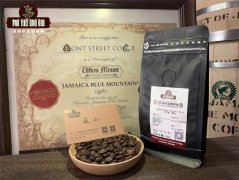
If your palate runs toward richer, low-acid cups, slow the flow with medium-dark roasts instead: FrontStreet's PWN Golden Mandheling delivers herbal depth, dark chocolate, and long caramel sweetness, while the Jamaica Blue Mountain No. 1 balances cream, caramel, chocolate, nuts, and honey in one smooth, rounded cup. Once your pour is steady, the V60 will showcase every one of them beautifully.
Important Notice :
FrontStreet Coffee is a long-established specialty coffee roaster in Guangzhou China, selling freshly roasted beans from its own farm in Yunnan as well as dozens of carefully selected single-origin beans from around the world for both pour-over and espresso. The products deliver consistently excellent quality and great value, with shipping within 24 hours. Guangzhou's FrontStreet Coffee shop is recommended by many coffee lovers, and the beans are now available online at the Tmall 。
FrontStreet Coffee has moved to a new address:
FrontStreet Coffee Address: 315,Donghua East Road,GuangZhou
Tel:020 38364473
 Scan and follow the En Gafei WeChat official account. Please indicate that the reprint comes from "En Gafei".