Why Do You Need to Wet the Filter Paper for Pour-Over Coffee? Does Pour-Over Coffee Taste Worse If You Don't Wet the Filter Paper?
Anyone who routinely skips rinsing the filter paper has probably heard the same skeptical questions. How do you respond when someone challenges you about it?
A. An awkward but polite smile
B. A cold, dismissive glance
C. A patient, earnest explanation
D. You're right

To Wet or Not to Wet?
Years ago, back in the internet forum era, I was lucky enough to watch two groups of users stage an "academic debate" on exactly this topic.
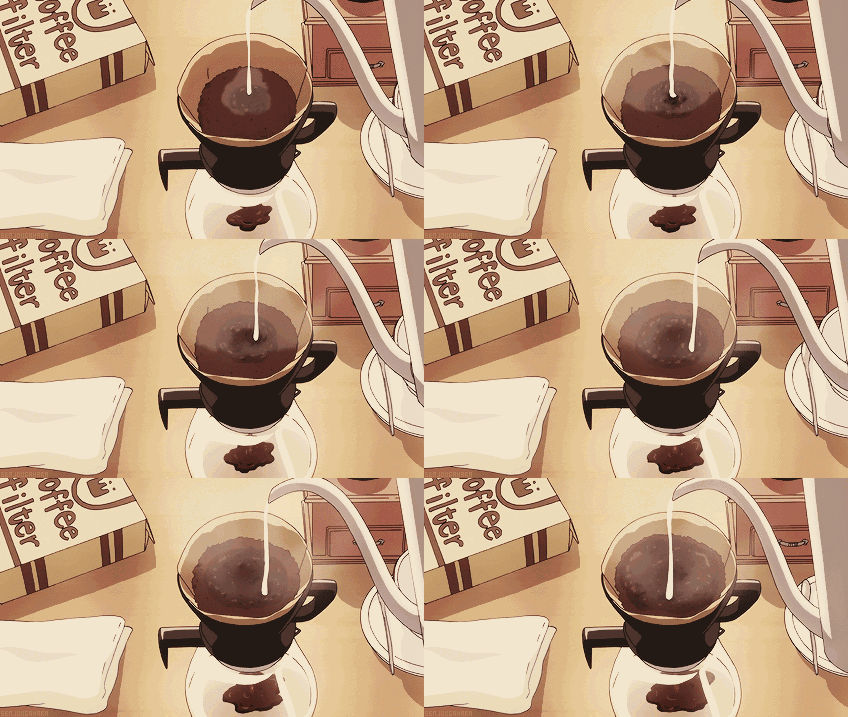
Here are the key points of that debate:
Proponents: The Wet Filter Paper Faction (Mainstream) Opponents: The Dry Filter Paper Faction
First Argument | Filter Paper Has Flavor, So Wetting Is Necessary
Proponents: Filter paper carries a papery taste that needs to be rinsed away.
Opponents: Times have changed. Modern bleached filter papers are tasteless and harmless.

Second Argument | Wetting Preheats the Dripper and Server
Proponents: Rinsing the filter paper preheats the dripper and server at the same time.
Opponents: The same result can be achieved without wetting the paper, and wetting causes pre-extraction once the coffee grounds are added.
Third Argument | Dry Paper Absorbs the First Coffee Extract
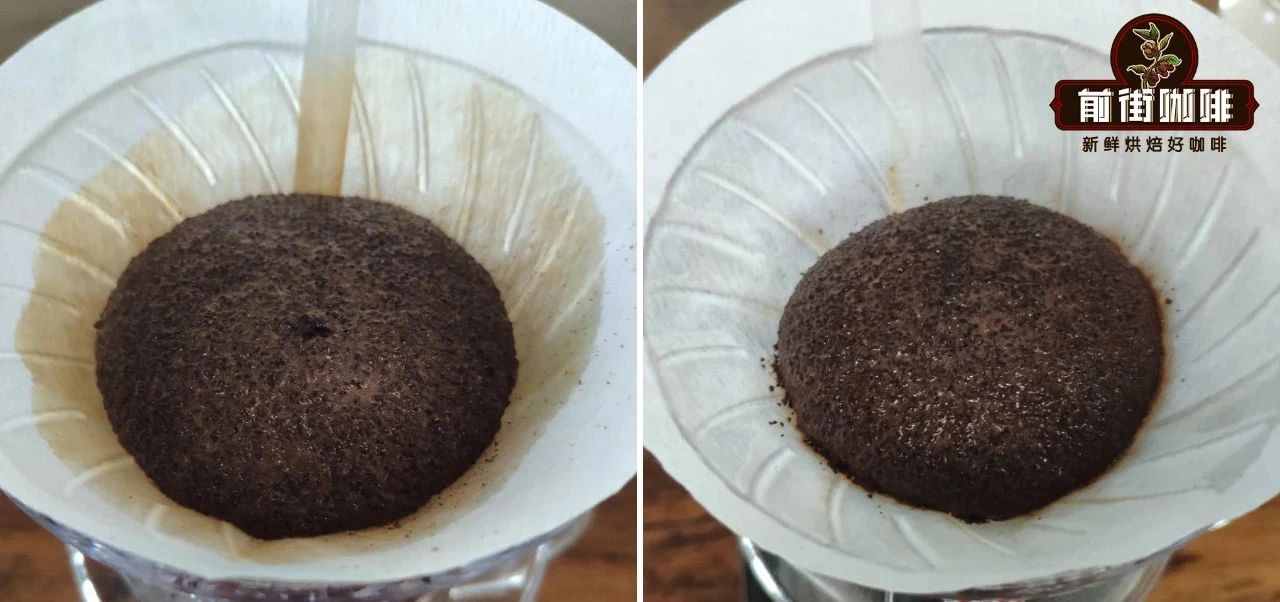
Proponents: Without wetting, the first coffee extract is absorbed by the filter paper, and the coffee-stained color of the paper is clear evidence.
Opponents: Not wetting allows for better bloom and degassing.
Fourth Argument | Wetting Ensures Proper Adhesion
Proponents: The most important reason to wet the paper is to ensure it adheres properly to the dripper.
Opponents: Relying on the weight of the coffee grounds, the paper can adhere well enough even when dry.
...
Wetting vs. Not Wetting: No Longer a Question
Whether you belong to the wet paper faction or the dry paper faction, both sides make opposing but reasonable arguments. So should the filter paper be wetted or not? As the saying goes, practice is the sole criterion for testing truth.
With that in mind, FrontStreet Coffee ran a comparative experiment, brewing the same coffee with a wetted filter paper and an unwetted one. The details are below.
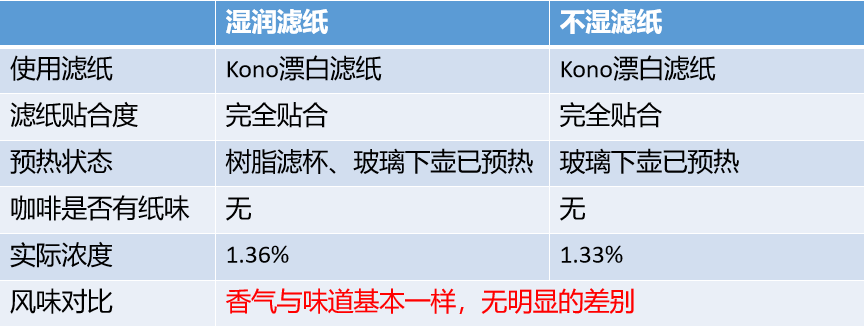
From this, we can see that the biggest point of contention, ensuring proper adhesion to the dripper, should not be an issue at all. Whether the paper adheres completely depends on how well the paper and dripper are matched. A poorly matched filter paper will not sit flush no matter how much you wet it. Personal habit plays a role too, since some people find their paper adheres better dry than wetted.
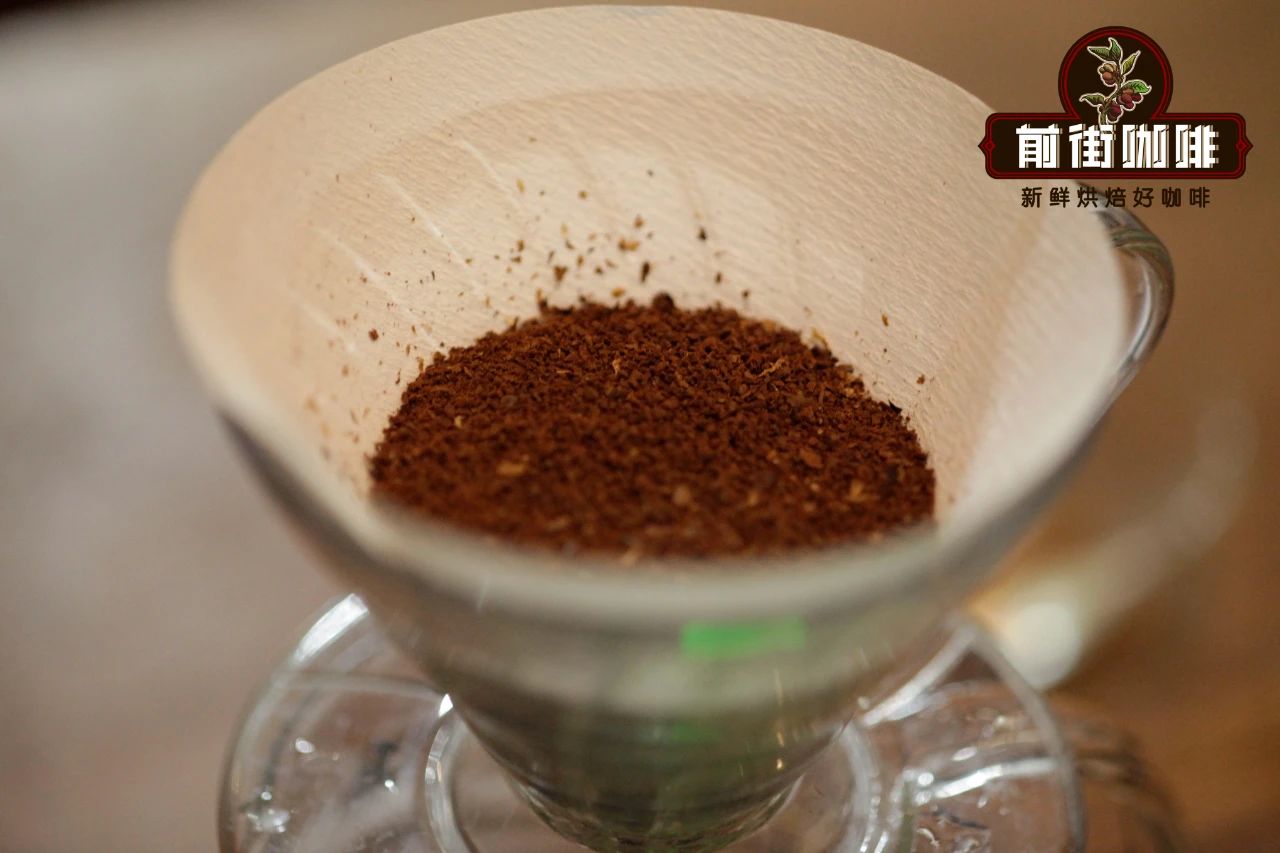
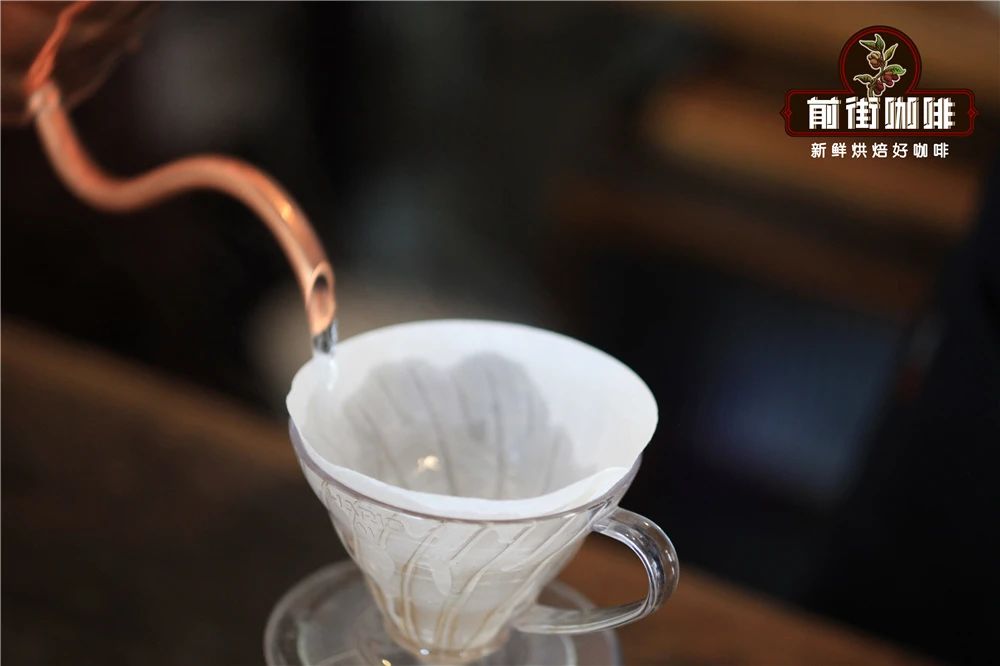
The second major controversy concerns paper taste. Most major brand filter papers today use bioactive enzymes for bleaching, which effectively removes the taste of raw wood. These technologies are widely used in the medical field and carry near-zero risk. Quality filter papers from major brands cost only about 30 cents each, which makes their quality easy to trust. If you buy unbleached filter papers or ones with quality issues, such as a strange odor, then rinsing them, or simply not using them, is advisable.
Finally, on taste differences, the practical tests concluded there is no significant difference; the two cups are virtually identical. In other words, when you properly control the five key parameters of coffee brewing, whether you wet the filter paper has no bearing on flavor. As for preheating the dripper, if you use a resin dripper this is not much of a concern, since resin neither absorbs nor retains heat, making preheating inconsequential. With glass or ceramic drippers, you may as well wet the filter paper as part of the preheating step.
Times move on, coffee equipment improves, and brewing technique advances. Today there is no longer any real debate about whether filter paper should be wetted. Follow your own habits: if you prefer to wet your filter paper, that is fine, and if you are used to skipping it, that is perfectly acceptable too.
FrontStreet Coffee Recommendation
Whether or not you rinse your filter paper, the coffee you put in the dripper matters far more, and FrontStreet Coffee's floral, fruit-forward lots are built for pour-over. The FrontStreet Gedeb cooperative coffee from Yirgacheffe is a classic: citrus, lemon acidity and jasmine in a clean, tea-like cup, the kind of coffee that lets a well-rinsed paper do its job without adding anything of its own. If you want more fruit, the FrontStreet Huakui leans hard into strawberry, passion fruit, jackfruit and lychee, with obvious sweetness, very little bitterness and a juicy, smooth body.
A V60 suits both. Hario, founded in Tokyo in 1921, redesigned the V60 in 2004, and its 60-degree cone and single large hole send water toward the center before it drips through, extending contact with the grounds. That structure turns the pour itself into a variable, which is exactly why preheating and a steady hand matter so much. If you prefer a cup built on sweetness rather than acidity, the FrontStreet Mozart brings a raisin note, while the FrontStreet Strawberry Candy, a Geisha-style blend, combines delicate florals with sweet fruit and works as pour-over, in a moka pot, in a home machine or as cold brew. Whichever you choose, rinse your paper or skip it, and then let a good bean carry the cup.
Important Notice :
FrontStreet Coffee is a long-established specialty coffee roaster in Guangzhou China, selling freshly roasted beans from its own farm in Yunnan as well as dozens of carefully selected single-origin beans from around the world for both pour-over and espresso. The products deliver consistently excellent quality and great value, with shipping within 24 hours. Guangzhou's FrontStreet Coffee shop is recommended by many coffee lovers, and the beans are now available online at the Tmall 。
FrontStreet Coffee has moved to a new address:
FrontStreet Coffee Address: 315,Donghua East Road,GuangZhou
Tel:020 38364473
 Scan and follow the En Gafei WeChat official account. Please indicate that the reprint comes from "En Gafei".