The 5 Essential Elements of Pour-Over Coffee: Grind Size, Water-to-Coffee Ratio, and Brewing Temperature
Why?
Why?
These simple three words — we might ask ourselves hundreds of times a day (only a slight exaggeration).
If you don't believe me, let me count them out for you.
"Why does the morning alarm always ring right on time?"
"Why do I have to work today?"
"Why does a week go by so fast?"
... (sheepish smile)
After a series of small struggles, we almost always make it to the workplace just in time — nearly late.
Then, I think most people are like me, using a cup of coffee to wake up for the day.
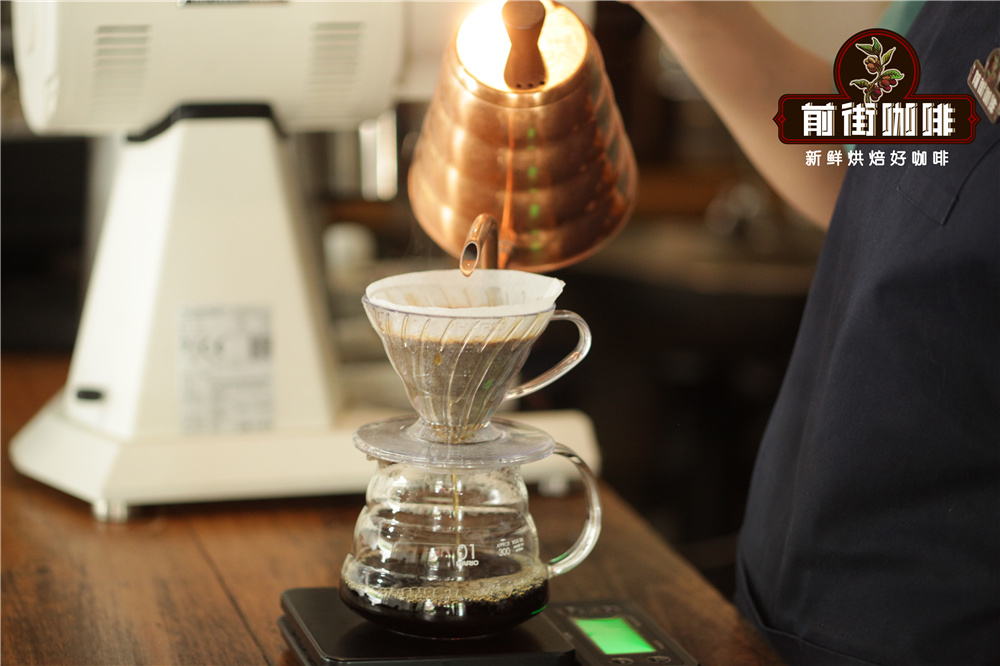
Those whose work allows it — writers like me, for instance — will pull out their "equipment" to complete this waking ritual. In plain words: they take out their own coffee tools.
Some people like to keep it simple with drip coffee bags, because they're convenient and quick. They can be made in a moment and then enjoyed slowly. Most importantly, the whole process is fast enough — after all, the supervisor and the boss are watching, and a meeting is about to start!
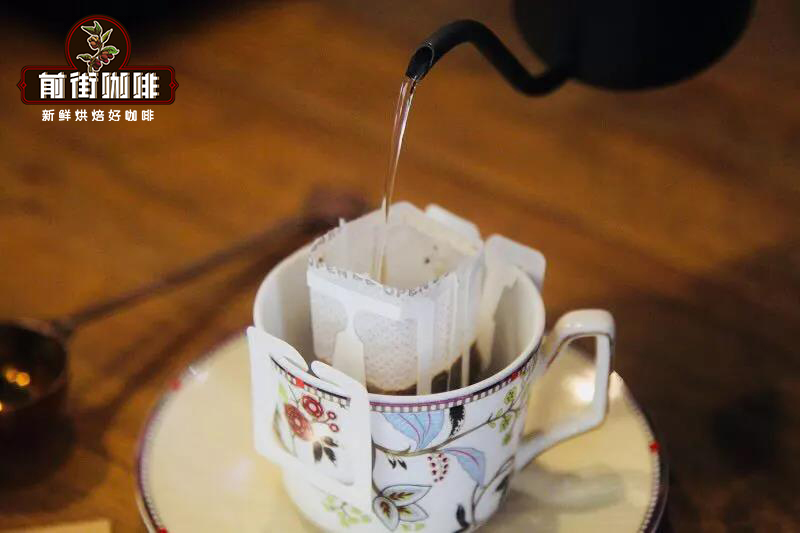
Others prefer pour-over coffee, because the boss and supervisor haven't arrived yet, and it lends the moment a sense of ritual.
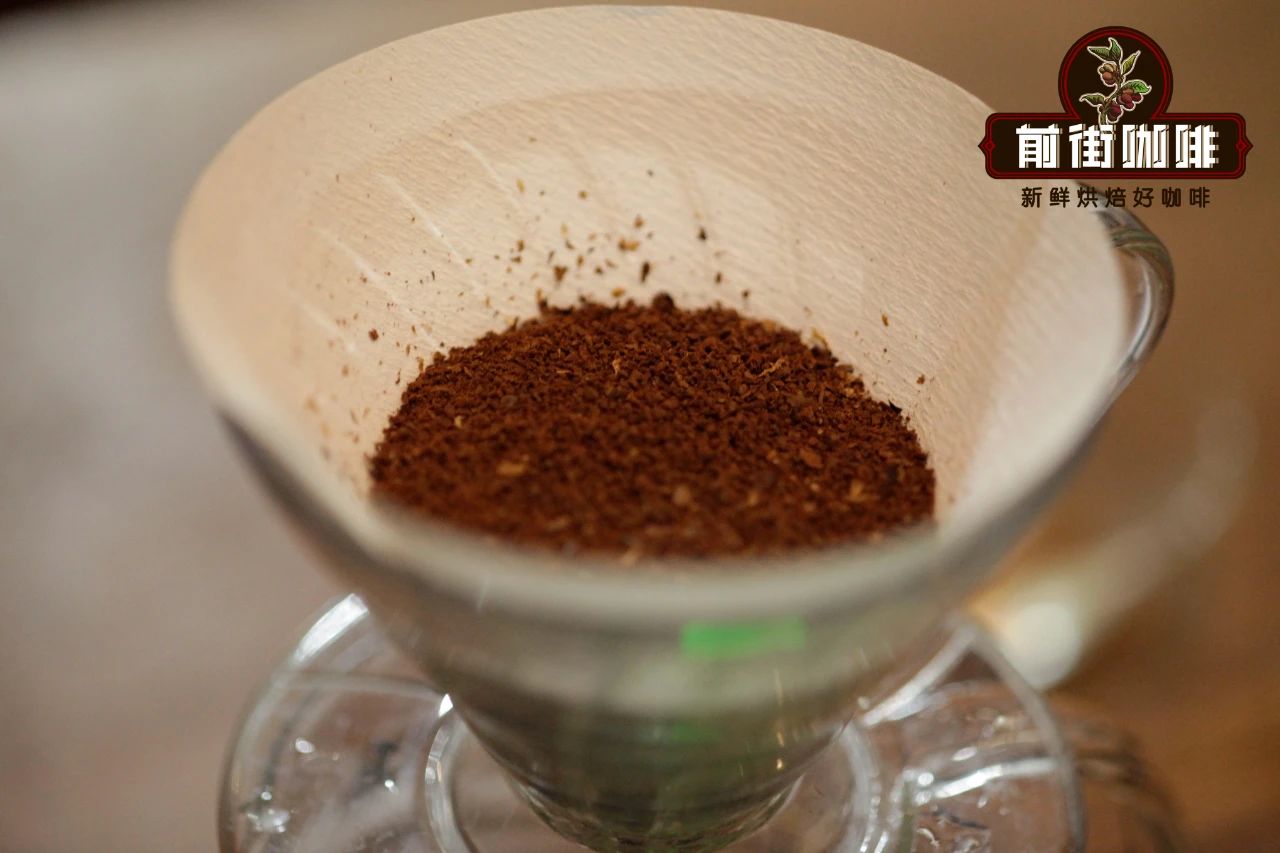
Boiling water, rinsing the filter paper and filter cup, weighing beans, grinding, brewing, and every so often a compliment from a colleague: "Wow, your coffee smells amazing!"
Yes, it smells fragrant — but it doesn't necessarily taste good (bitter), and somehow always feels like it's missing something.
Friends often ask: "The coffee smells so good, but it tastes nothing like what the barista makes! What am I missing?"
Let me guess: did you go with a "whatever" approach again today?
Approximate water-to-coffee ratio; approximate water temperature; approximate grind size; and even approximate brewing time.
???
After typing out all those "approximate" words, this writer very nearly fainted at the keyboard.
So today I'd like to lay out a few simple methods to make your homemade pour-over taste better.
After all, brewing a good cup really does call for some discipline.
/ 1 /
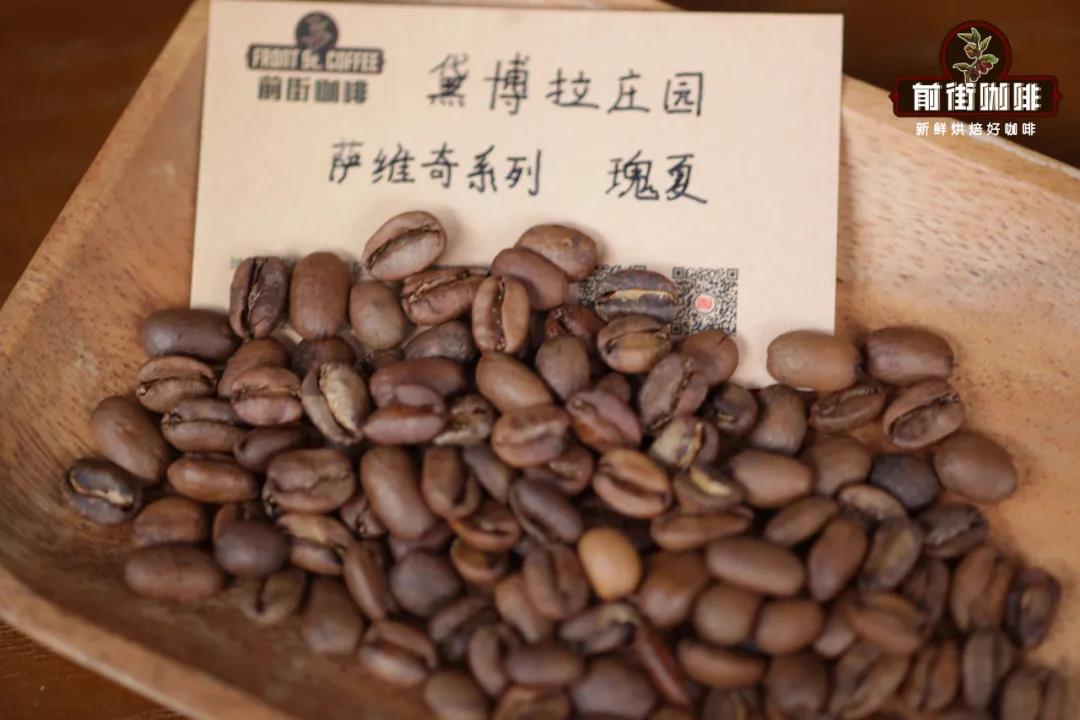
Buy coffee beans that match your brewing equipment
For example: if you're using an espresso machine, don't buy beans intended for pour-over. Pour-over beans usually emphasize the fruit aromas and naturally bright acidity of the coffee itself, so they tend to be light roasts. Light-roasted beans pulled as espresso will very likely taste sharply acidic.
Extended reading: because pour-over beans are lightly roasted, they are denser and harder, and grinding them on an espresso setting can cause real wear on the grinder (damaging the burrs).
/ 2 /
Appropriate water temperature
For dark-roasted coffee I personally recommend brewing at lower temperatures (86-88°C), while for light-roasted coffee I recommend higher temperatures (90-93°C).
Of course, the temperatures I give are only suggestions.
/ 3 /
Appropriate water-to-coffee ratio
From what I've seen, many people don't really understand the water-to-coffee ratio and simply memorize it by rote.
Like reciting multiplication tables, they struggle with their water every single time.
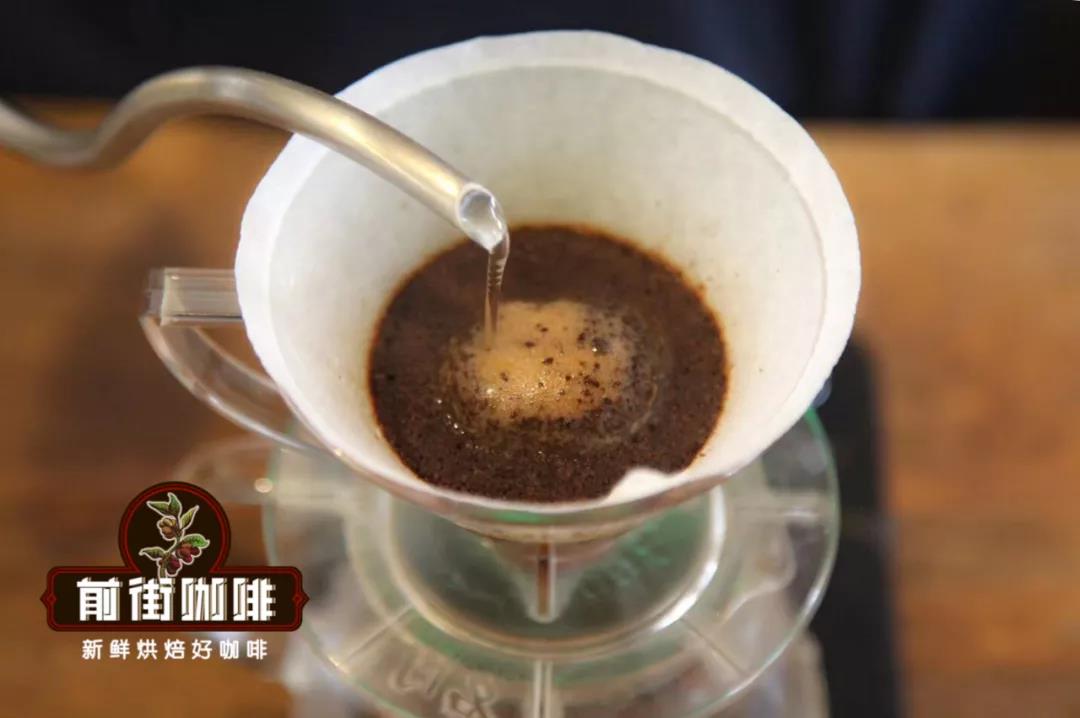
Here's a simple example: to brew an Ethiopian natural-process bean at a 1:15 ratio with 15 grams of coffee, 15 × 15 = 225, meaning you need 225 grams of water.
Different water-to-coffee ratios greatly change how the coffee tastes, so I suggest everyone experiment with different ratios, once you understand the principle, to find what suits them.
One thing is genuinely important: get a digital scale. Get a digital scale. Get a digital scale. (repeated three times for emphasis)
OVER!
/ 4 /
Appropriate grind size
You might ask: how do I know what grind size to use for my coffee equipment?
Honestly, there's no one-size-fits-all answer. It calls for fine-tuning within a certain range.
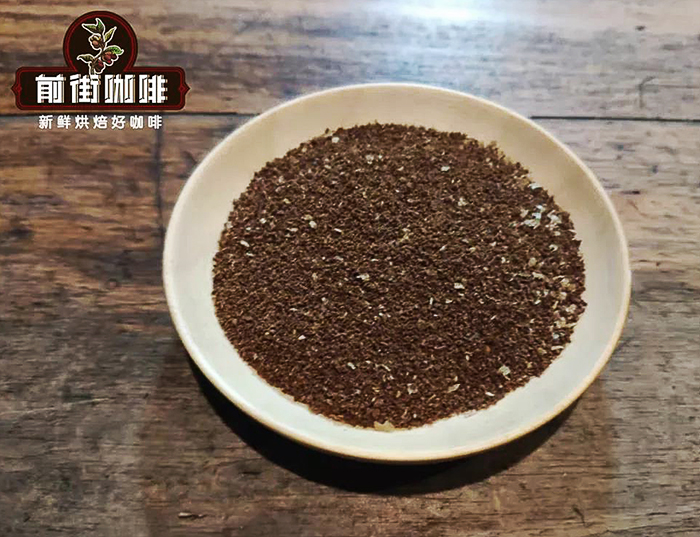
If the water flows too slowly during brewing and the coffee tastes very bitter (possibly over-extracted), you need to grind coarser. If the water flows too quickly (possibly under-extracted) and the coffee tastes very acidic, you need to grind finer.
/ 5 /
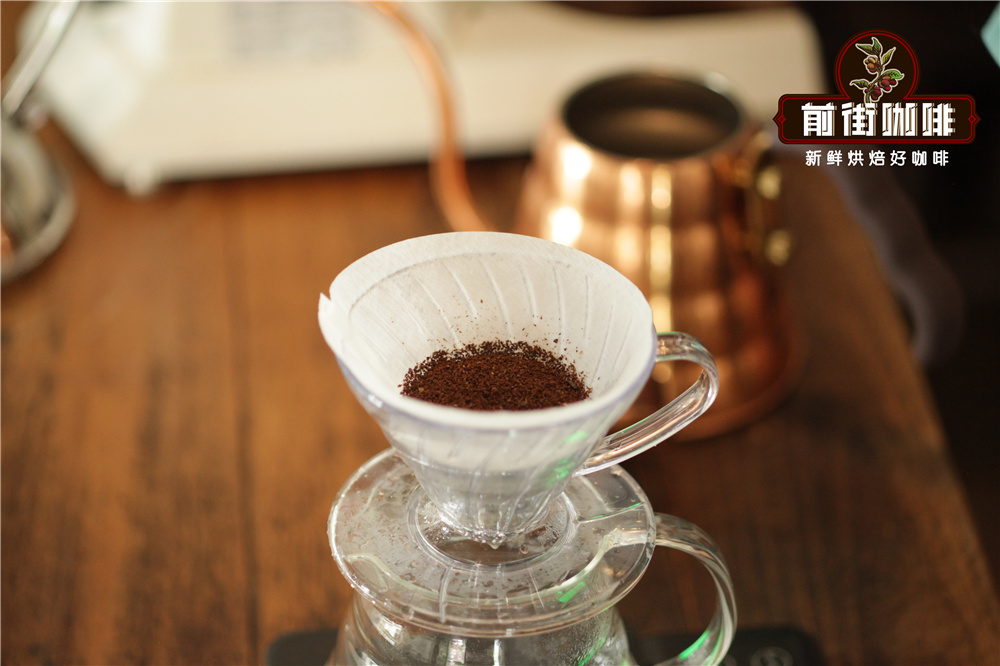
Appropriate brewing time
Time is a good way to judge the speed of the brew, because it helps you make adjustments.
Friendly reminder: the built-in timer on your phone can help.
OK, OK — I promised a "brief" introduction at the start, but I accidentally went on this long.
Whether your homemade coffee tastes as good as a barista's depends largely on whether you're using the "right" method.
Being too relaxed and loose with your brewing will likely keep you from reaching the coffee's best flavors.
FrontStreet Coffee Recommendation
Once your grind, ratio, temperature and timing are dialed in, the last piece is choosing beans that suit your gear, and FrontStreet has options for both ends of the roast spectrum. For pour-over, FrontStreet Yirgacheffe Gudingding and FrontStreet Ethiopia Huakui are forgiving, aroma-forward light roasts — the Gudingding brings citrus, lemon and white flowers with a tea-like body, while the Huakui bursts with tropical strawberry, passion fruit and lychee at very low bitterness. FrontStreet Panama Emerald Estate Red-Label Geisha is the refined choice, with jasmine, citrus, bergamot and black tea in a clean, layered cup. For espresso, on the other hand, reach for a medium-dark bean rather than these light roasts: FrontStreet Brazil Queen Estate is low in acidity and well balanced with rich nut and cocoa aroma, clear caramel sweetness and a smooth, mellow body, and FrontStreet PWN Golden Mandheling is deeply roasted and low in acidity, full-bodied and herbal with dark chocolate and spice — easy to dial in whether you pull it as espresso or brew it by hand.
Important Notice :
FrontStreet Coffee is a long-established specialty coffee roaster in Guangzhou China, selling freshly roasted beans from its own farm in Yunnan as well as dozens of carefully selected single-origin beans from around the world for both pour-over and espresso. The products deliver consistently excellent quality and great value, with shipping within 24 hours. Guangzhou's FrontStreet Coffee shop is recommended by many coffee lovers, and the beans are now available online at the Tmall 。
FrontStreet Coffee has moved to a new address:
FrontStreet Coffee Address: 315,Donghua East Road,GuangZhou
Tel:020 38364473
 Scan and follow the En Gafei WeChat official account. Please indicate that the reprint comes from "En Gafei".