
Why Pour-Over Coffee Lacks Crema: What Is Coffee Crema and Why Do Coffee Beans Produce Oil?
"Why doesn't pour-over coffee have crema? Is it because the beans aren't fresh?" This question recently came up in a discussion FrontStreet Coffee was following. The truth is that pour-over coffee is not entirely without crema — you just can't see it, because it shows up in the mouthfeel instead.
What is coffee crema?
When people talk about coffee crema, the first thing that comes to mind is often the golden layer on top of an espresso. Yet you won't find that golden crema in drip or immersion coffee. Why is that? The answer lies in understanding pressure extraction.
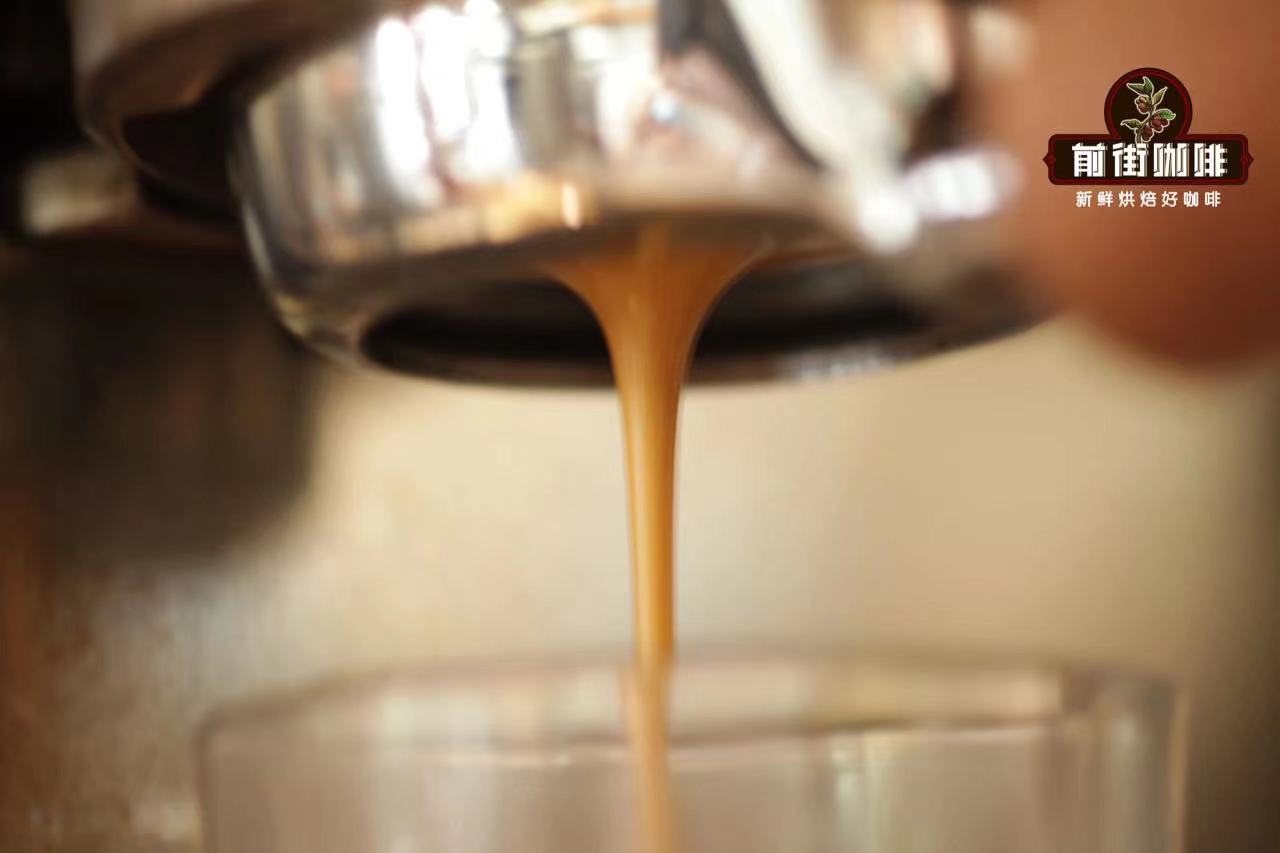
During roasting, coffee beans build up a large amount of carbon dioxide inside them. That gas escapes rapidly once the beans are ground. Espresso extraction uses high pressure to pull flavor out of the coffee quickly. Under 9 bar of pressure in a sealed environment, the carbon dioxide and water reach a supersaturated state; at the same time, the coffee oils are emulsified and trap the carbon dioxide, and they are extracted together with the coffee liquid. Since oil is lighter than water, the extracted coffee gradually separates into layers, so the golden crema floats to the top — and it looks very tempting indeed.
Factors affecting coffee crema
The amount of crema depends primarily on the variety. Robusta varieties carry more oil than Arabica, which is exactly why FrontStreet Coffee's espresso blend becomes noticeably richer in crema once a small amount of Robusta is added.
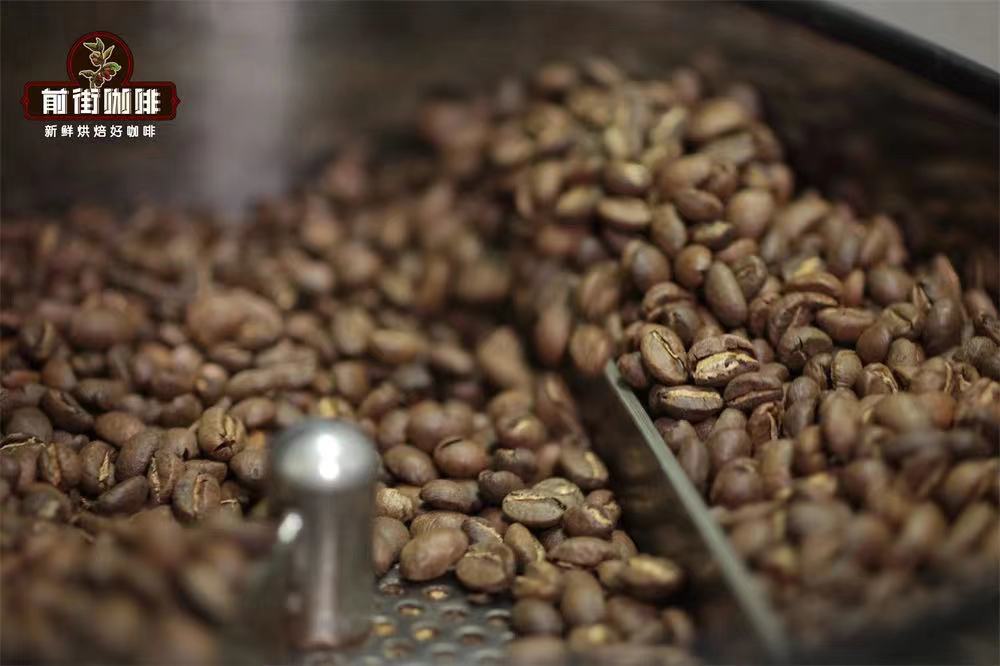
Second, it comes down to roast level. The darker the roast, the more carbon dioxide is produced. When beans reach a dark roast, they dehydrate heavily and oil emerges on the surface. This also explains why, when you make a single origin espresso, the crema looks thin no matter how lightly the beans are roasted.
Why can't you see coffee crema in pour-over coffee?
Because of the coffee filter paper. Filter paper is made from stacked pulp fibers; the thicker it feels, the slower it filters and the better it screens out coffee grounds and coffee oils. But is thicker always better? Overly thick paper can slow the flow so much that it prolongs contact between the grounds and the water, which easily leads to over-extraction.
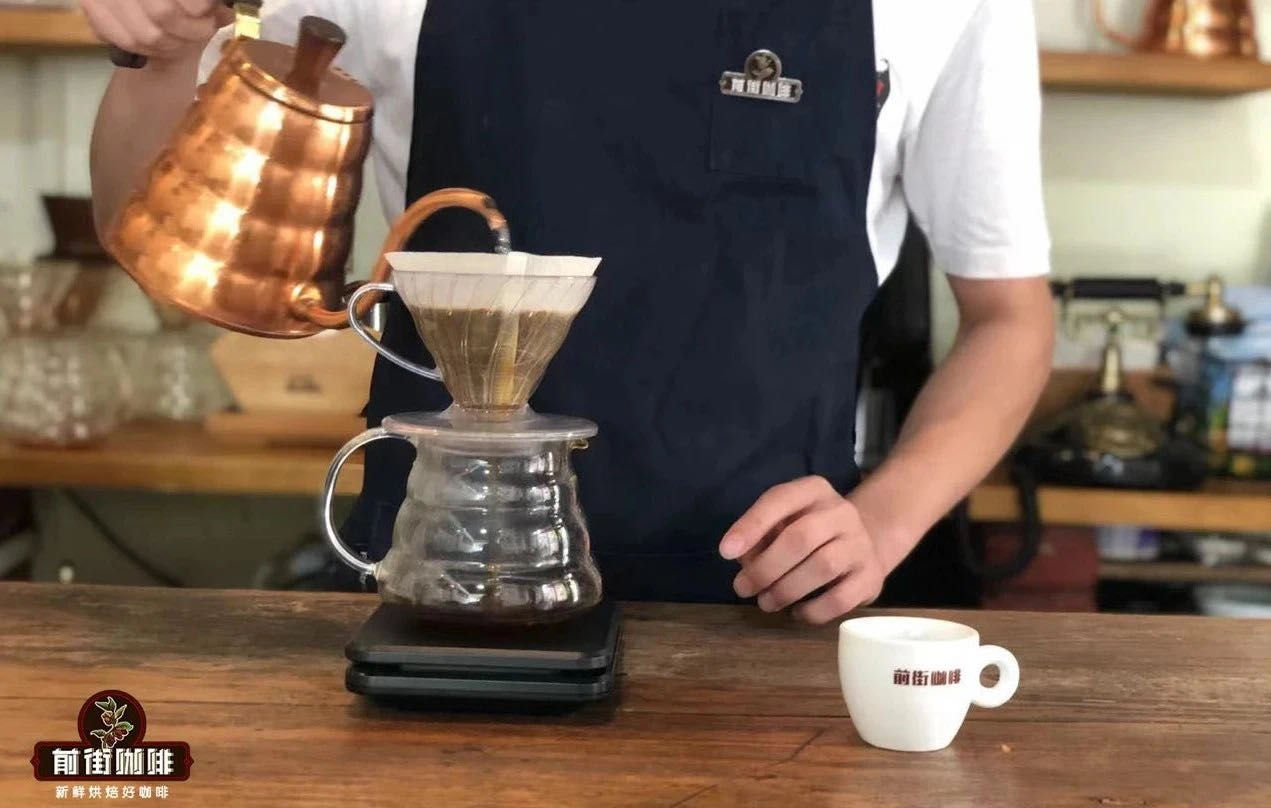
Filter paper of moderate thickness can still effectively trap fine coffee particles while blocking more than 80% of the coffee oils. The oils that do "pass through" form an extremely thin film, almost impossible to see with the naked eye — but their presence can be felt in the mouth. The creamy, smooth sensations FrontStreet Coffee often mentions are exactly how coffee oils show up on the palate.
How can you brew pour-over coffee with crema?
To keep the crema in pour-over coffee, you need to remove the filter paper. ("But how do you separate the grounds without filter paper!") FrontStreet Coffee has heard that concern many times. Besides paper filters, there are also metal pour-over filters and cloth filters for straining the grounds.
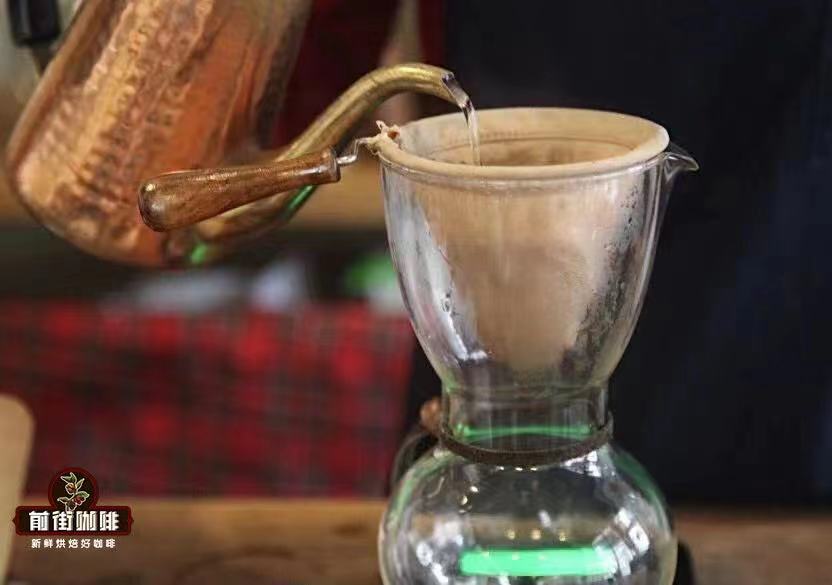
By their nature, metal filters retain most of the oils in the brewed coffee, but the drawback is that fine particles slip through the holes, so the mouthfeel ends up less than ideal. Cloth filters can effectively block fine particles and hold onto some oils, but cleaning them is a chore — precisely because of those oils, they must be scrubbed thoroughly several times after every use so no residue is left behind, otherwise it will affect the flavor of the next brew.
FrontStreet Coffee Recommendation
Since the oils that carry aroma are largely filtered out by paper, pour-over is a method that rewards clarity over body — and that is precisely why the V60 has become the go-to dripper for fruit-forward coffees. Hario, the Japanese glassmaker founded in Tokyo in 1921, redesigned the V60's prototype in 2004 and launched the finished design a year later. Its 60° cone and single large hole force the water toward the center, lengthening contact with the grounds so aroma and flavor extract fully, while the flow rate ends up almost entirely in the brewer's hands.
That fast, controllable extraction is what lets a V60 show off the delicate, lively side of a coffee — floral notes, fruit acidity, clean sweetness, and tea-like aromatics. For that reason, FrontStreet Coffee often brews floral and fruity beans on a V60: the classic Yirgacheffe-style Gudingding, the tropical Huakui, the Geisha-toned Strawberry Candy, and the raisin-forward Mozart all shine in this dripper.
If you are deciding what to put in the cone, a few FrontStreet beans are especially rewarding. Among light roasts, Yirgacheffe Gudingding offers citrus, berry, and florals with a green-tea finish; Ethiopia Huakui leads with strawberry, passion fruit, jackfruit, and lychee; and Kenya Cherry Tomato brings savory tomato, smoked plum, pear, and black plum over a clean, bright base. If you prefer a heavier cup, try the deep-roasted PWN Golden Mandheling with its herbal and dark chocolate depth, or the Brazil Queen Estate with its low acidity, nutty-cocoa aroma, and caramel sweetness — both easy to brew and hard to get wrong.
Important Notice :
FrontStreet Coffee is a long-established specialty coffee roaster in Guangzhou China, selling freshly roasted beans from its own farm in Yunnan as well as dozens of carefully selected single-origin beans from around the world for both pour-over and espresso. The products deliver consistently excellent quality and great value, with shipping within 24 hours. Guangzhou's FrontStreet Coffee shop is recommended by many coffee lovers, and the beans are now available online at the Tmall 。
FrontStreet Coffee has moved to a new address:
FrontStreet Coffee Address: 315,Donghua East Road,GuangZhou
Tel:020 38364473
 Scan and follow the En Gafei WeChat official account. Please indicate that the reprint comes from "En Gafei".
![[Illustrated] Should Coffee Bloom Liquid Be Discarded? A Step-by-Step Guide to Coffee Blooming](https://en.gafei.com/uploads/allimg/210814/15-210Q41512233E-lp.jpg)
![[Illustrated Guide] Pour-Over Coffee Watering Tutorial: How to Pour Water, Proper Height, and Circular Motion](https://en.gafei.com/uploads/allimg/210816/15-210Q6144434619-lp.jpg)