[Illustrated] Should Coffee Bloom Liquid Be Discarded? A Step-by-Step Guide to Coffee Blooming
When you bloom coffee with twice the dose of hot water relative to the grounds, some coffee liquid often drips into the server. Does that early liquid affect the final cup, and should it be discarded?
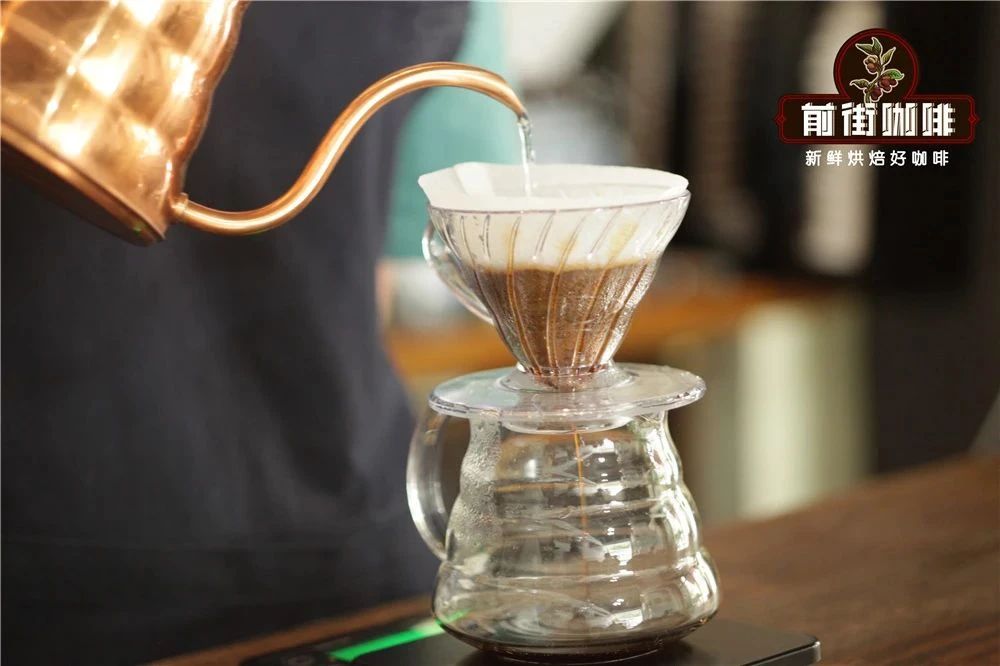
Why does coffee liquid drip into the server during blooming?
Coffee grounds can absorb water at twice their own weight, so when we inject twice the dose, in theory no excess liquid should drip into the server at all. The catch is that the *saturated* absorption rate is twice their weight—and it takes time for water to work its way into the grounds. When the grind is coarse, the water hasn't fully penetrated before gravity pulls it through.
Your pouring technique matters too. Coarser grounds paired with a heavy water flow penetrate more slowly, so more liquid escapes into the server. Pair them with a gentler flow and the water has more time to soak in—some liquid will still drip, but far less.
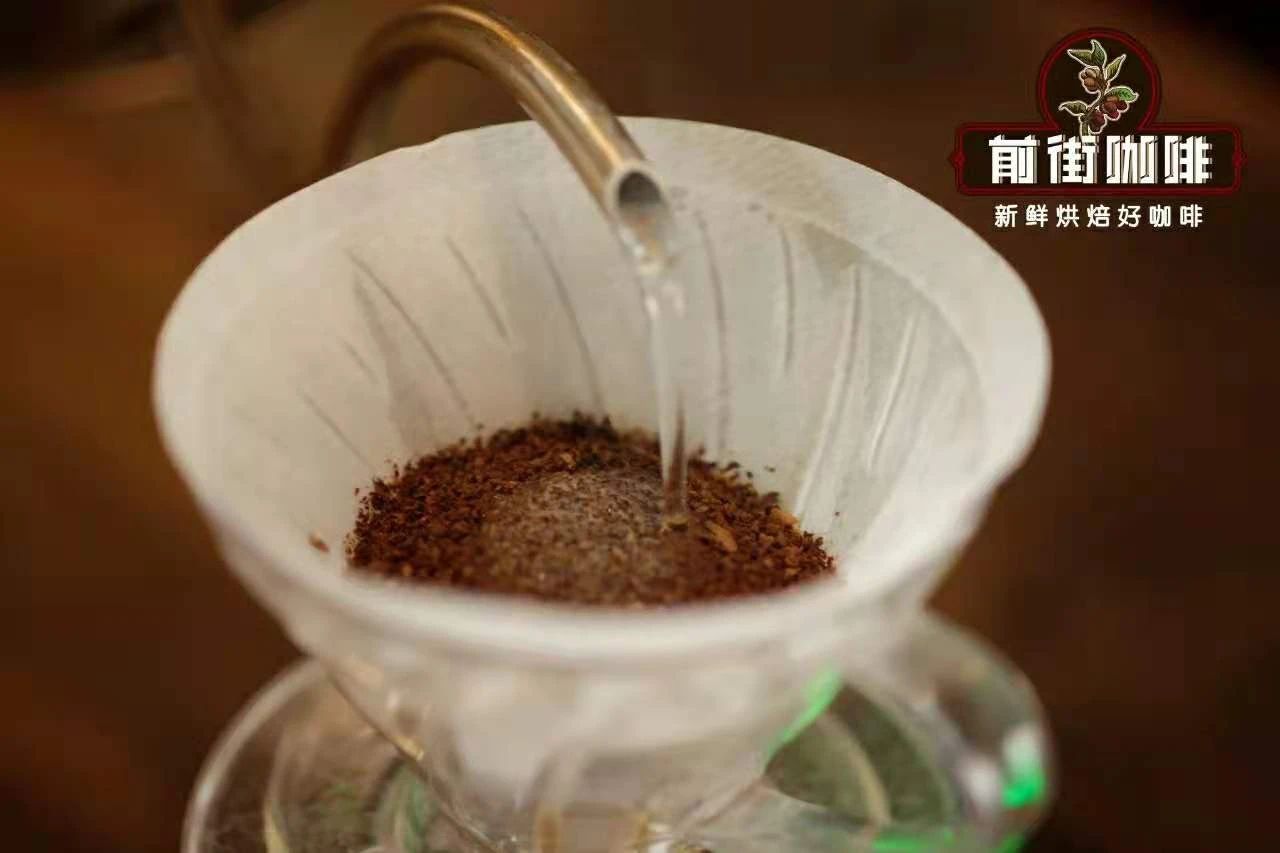
You might ask: can we bloom with less water? Yes—as long as you can guarantee every ground gets thoroughly wet. Plenty of people use 1x or 1.5x water for blooming. But compared with 2x, lower doses make it harder to wet the whole bed, which means an incomplete bloom. If you're not confident, stick with 2x.
Should the bloom liquid be discarded?
FrontStreet Coffee ran a comparative experiment on exactly this question. One cup was brewed normally, keeping the bloom liquid; in the other, the bloom liquid was discarded before continuing the brew. Bean, parameters, and technique were held as constant as possible.
For the bean we used FrontStreet Coffee's Panama Flower Butterfly, a high-value lot containing 70% Geisha. It was roasted medium-light to highlight citrus, honey, floral, and oolong tea flavors.
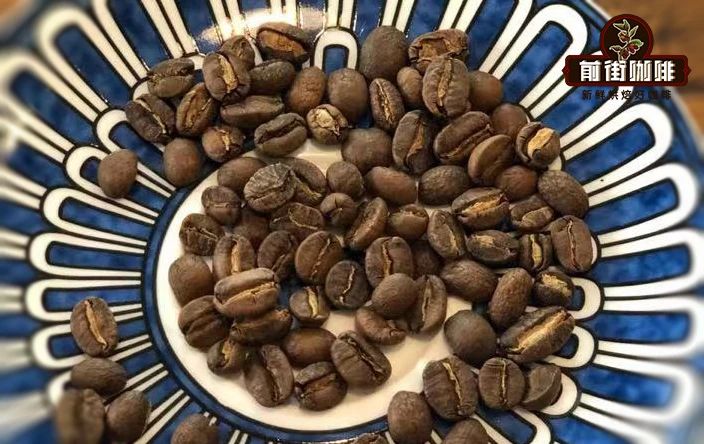
Parameters: 15g of coffee at a theoretical 1:15 ratio, a medium-fine pour-over grind (80% pass rate through a #20 standard sieve), water temperature 91°C. All brews used V60 #01 drippers and a three-stage pouring method.
Retaining the Bloom Liquid
Pour 30g of water and bloom for 30 seconds. For the second stage, pour 95g in circles from the center outward until the liquid level reaches the base of the V60's ribs. When the level drops to halfway, make the third pour of 100g, again circling from the center outward. Remove the dripper once all the liquid has drained, ending the extraction. Total time: 2 minutes.
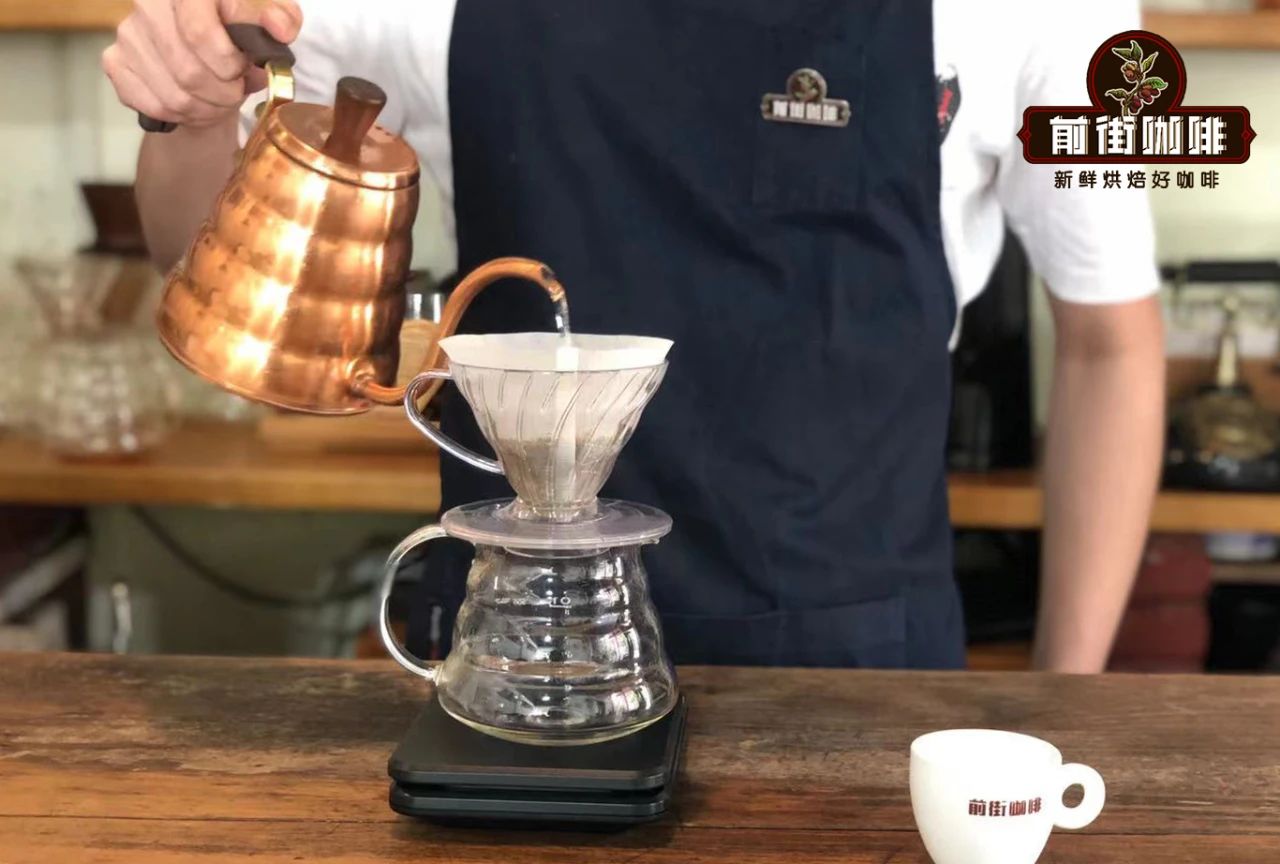
Discarding the Bloom Liquid
Pour 30g of water and bloom for 30 seconds. Around the 20-23 second mark, once the bloom liquid has finished dripping into the server, pour it off into a separate container (for later comparison) and tare the scale. Then proceed with the second stage: 95g in circles from the center outward until the level reaches the base of the V60's ribs. When the level drops to halfway, pour the third stage of 100g in circles from the center outward. Remove the dripper once everything has drained. Total time: 2 minutes.
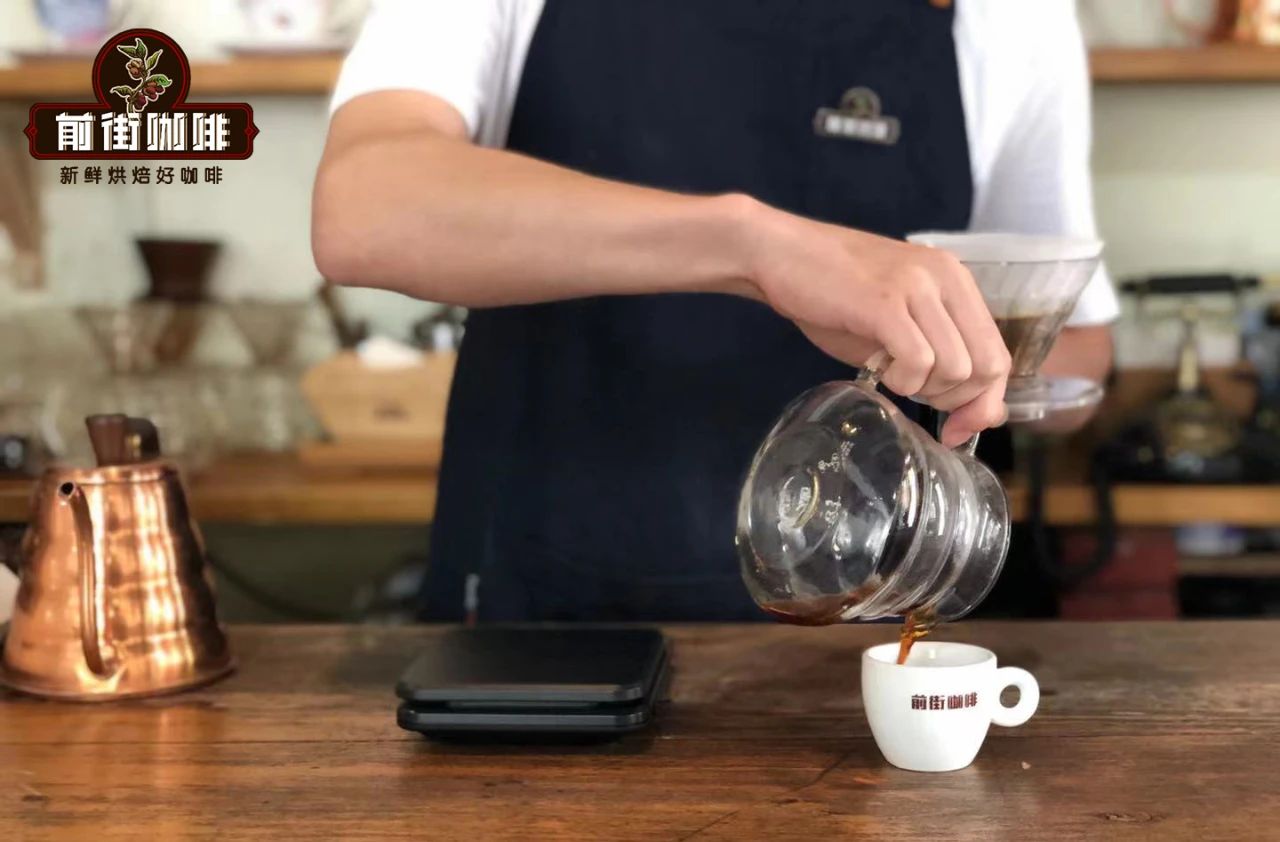
Flavor Comparison
Retaining the Bloom Liquid
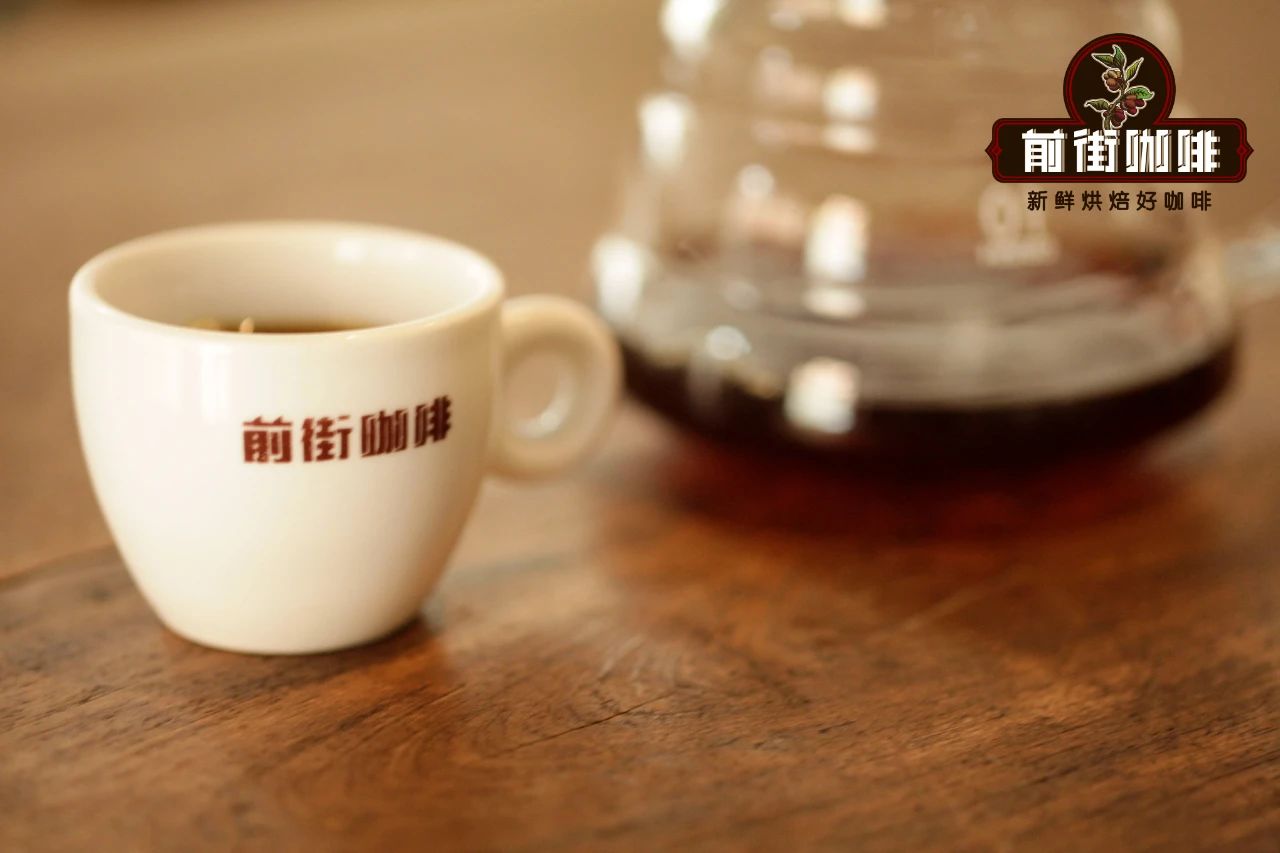
Measured concentration: 1.39%. Flavors of citrus, honey, jasmine, and tea aroma—clean and clear.
Discarding the Bloom Liquid
Measured concentration: 1.22%. Weight of discarded bloom liquid: 14.6g. The cup was overall flat, every flavor weak and faint. Citrus and honey were still present, but the florals failed to show.
The explanation is simple: early in the brew, the coffee liquid is at its most concentrated—the highest density of flavor compounds per unit—and extraction tapers off toward the end. The bloom liquid therefore carries a large share of flavor compounds at very high concentration, and discarding it directly diminishes the cup's flavor and texture.
That said, less dripping during the bloom is better. The more liquid escapes, the less water the grounds retain, and the more likely the bloom was incomplete. The ideal bloom: finish pouring your 30ml of hot water in about 8 seconds, with only occasional single drops falling into the server starting around 13 seconds.
FrontStreet Coffee Recommendation
The experiment's bean, FrontStreet Coffee's Panama Flower Butterfly, carries 70% Geisha—and if that intrigues you, the entry-level FrontStreet Coffee Boquete Gesha is the natural next step. Panama's coffee is defined by the Gesha variety, and none is more famous than Hacienda La Esmeralda with its citrus, berry, and floral character and balanced, silky cup—like a fruit-floral tea with no bitterness at all. For beginners, Esmeralda may be a stretch, so the Boquete Gesha is the smart way in: it comes from Panama's most representative specialty region with a pure Gesha pedigree, washed-processed so you can taste the classic orange-blossom honey sweetness clearly—and at a friendly price, you can explore it through many different brew methods.
For an everyday pour-over that rewards good technique like the three-stage method above, Ethiopia is hard to beat. The FrontStreet Coffee washed Gedeb (Guodingding) Cooperative—representative of Yirgacheffe—shows jasmine florals, lemon acidity, and berry tones, while the natural Sidamo Floral Champion brings berry, floral, jackfruit, melon, and honey flavors from its traditional sun-drying. Both make the case, cup after cup, that careful blooming and careful sourcing go hand in hand.
Important Notice :
FrontStreet Coffee is a long-established specialty coffee roaster in Guangzhou China, selling freshly roasted beans from its own farm in Yunnan as well as dozens of carefully selected single-origin beans from around the world for both pour-over and espresso. The products deliver consistently excellent quality and great value, with shipping within 24 hours. Guangzhou's FrontStreet Coffee shop is recommended by many coffee lovers, and the beans are now available online at the Tmall 。
FrontStreet Coffee has moved to a new address:
FrontStreet Coffee Address: 315,Donghua East Road,GuangZhou
Tel:020 38364473
 Scan and follow the En Gafei WeChat official account. Please indicate that the reprint comes from "En Gafei".