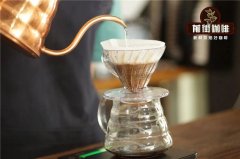
Pour-Over Coffee Tutorial: How Circular Pouring Size in Three-Stage Brewing Affects Coffee Flavor
Whether a pour-over tastes good depends not just on the beans and the brewing and grinding parameters — it also depends, to a surprising degree, on the brewer's mood. Emotions cannot directly change the coffee's flavor, but they shape your control of the water flow and the speed of your circular pour. Impatient or restless, you tend to rush the brew, speeding up both the flow and the circles. In a good mood, you naturally slow the water down, pour lazily in circles, and enjoy the almost meditative process.
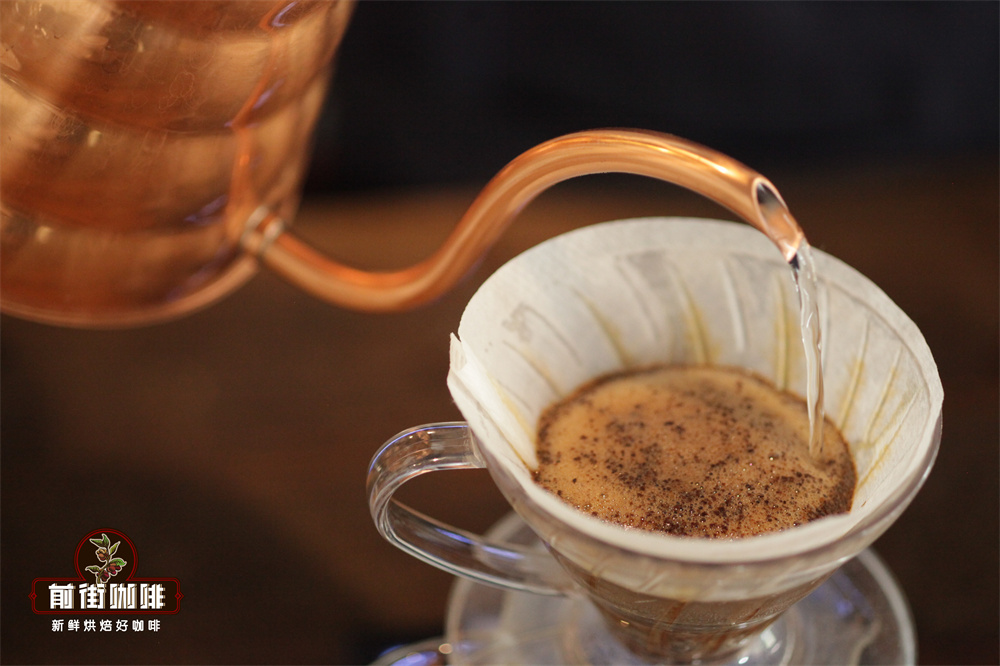
How does water flow rate change coffee flavor?
When brewing with identical parameters, changing the water flow rate changes how thickly the coffee bed distributes itself around the filter cup.
Pouring with a small water flow slows the pour, so the overall liquid level never rises too high and the coffee bed clinging to the cup walls appears thicker. Overall extraction time lengthens, concentration climbs, and the cup feels more full-bodied.
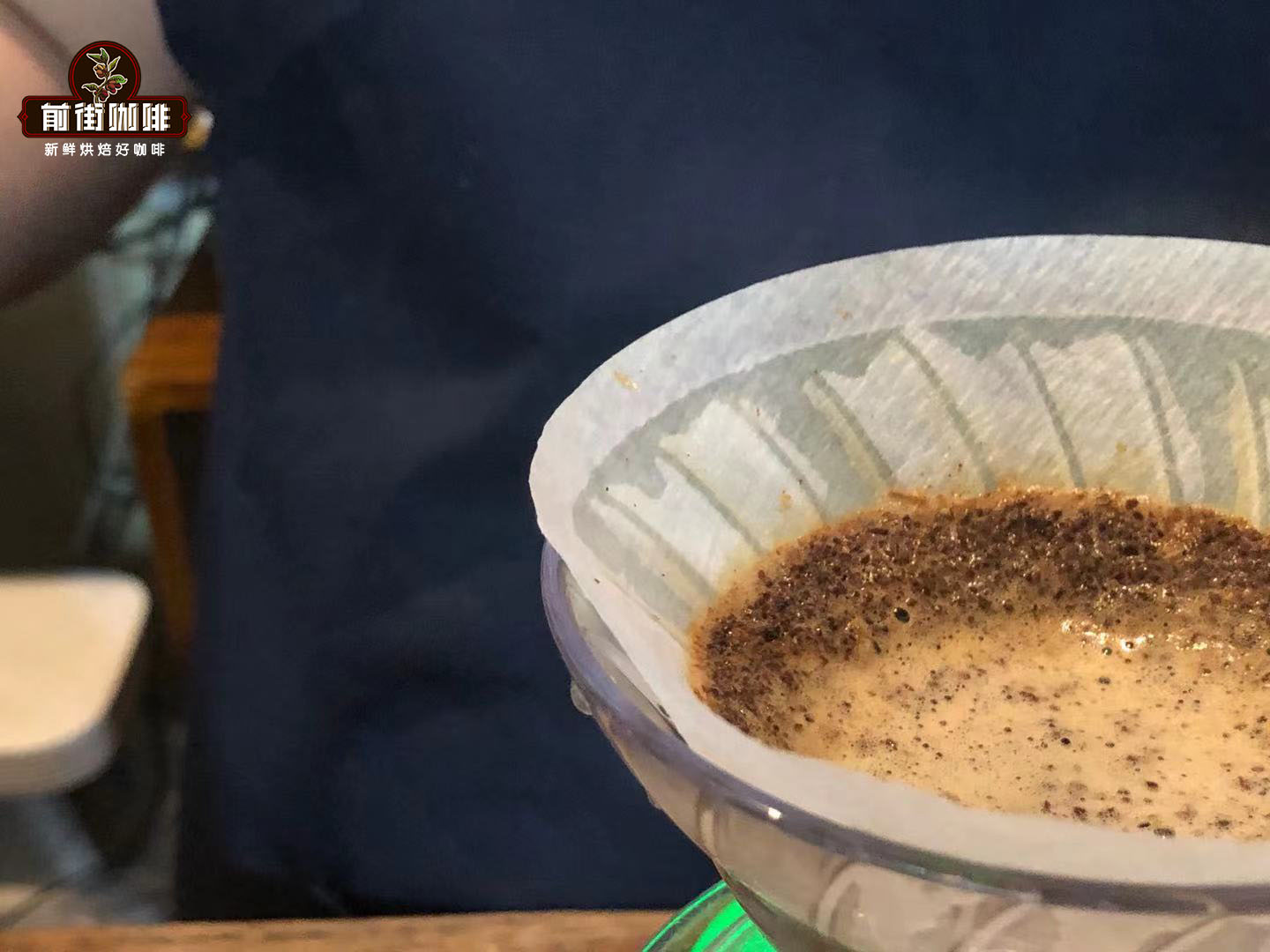
Pouring with a large water flow speeds the pour up, pushing the liquid level noticeably higher and leaving a thinner bed on the cup walls. With a thin bed, extraction time shortens, concentration drops, and the taste comes across as clean and simple.
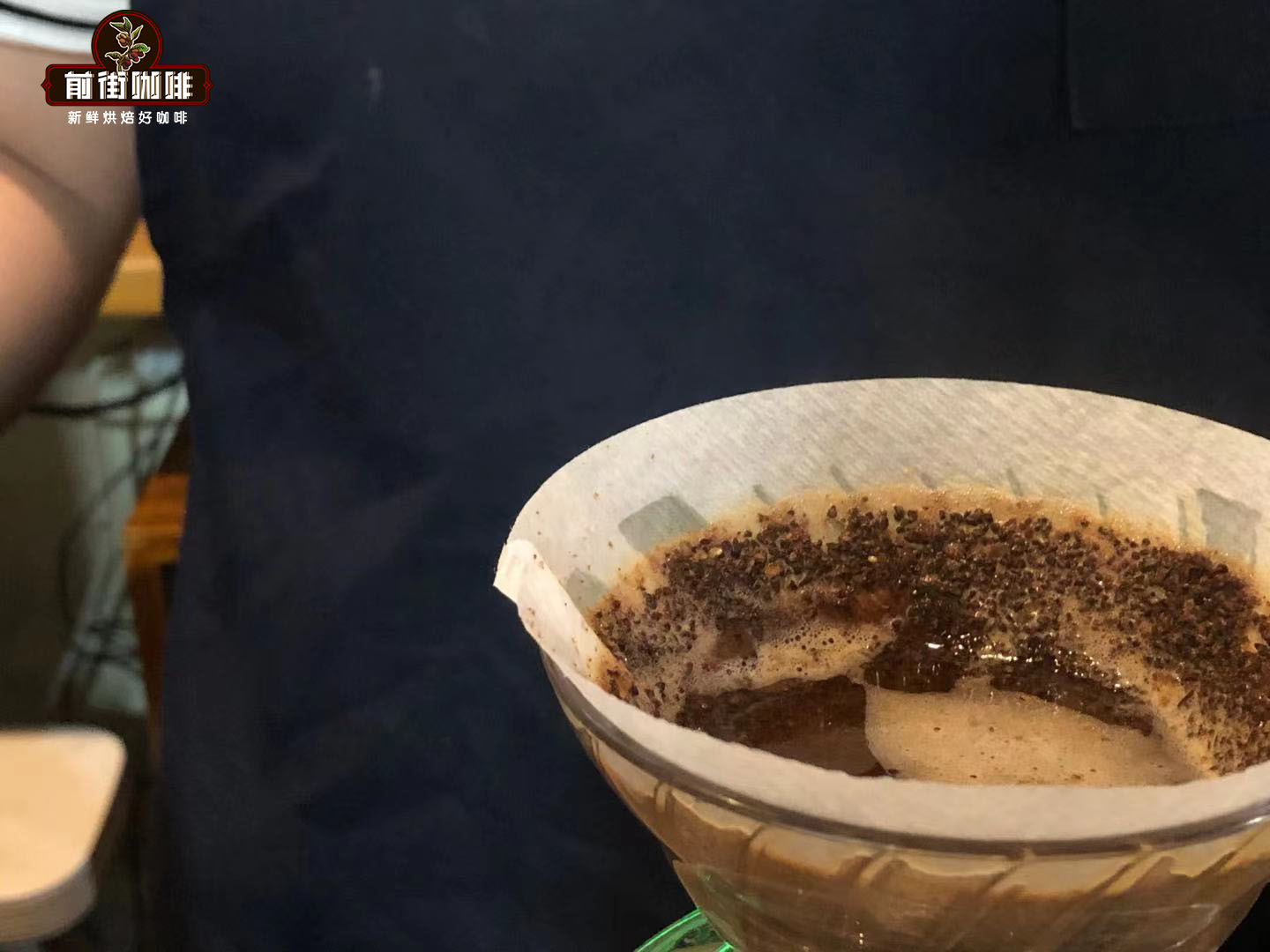
How does circular pouring speed change coffee flavor?
With the same parameters and flow rate, changing the speed of your circular pour changes how much the coffee bed is agitated. A fast circular pour brings strong scouring force and high bed agitation, raising the extraction rate; a slow circular pour applies gentle scouring, low agitation, and a comparatively lower extraction rate.
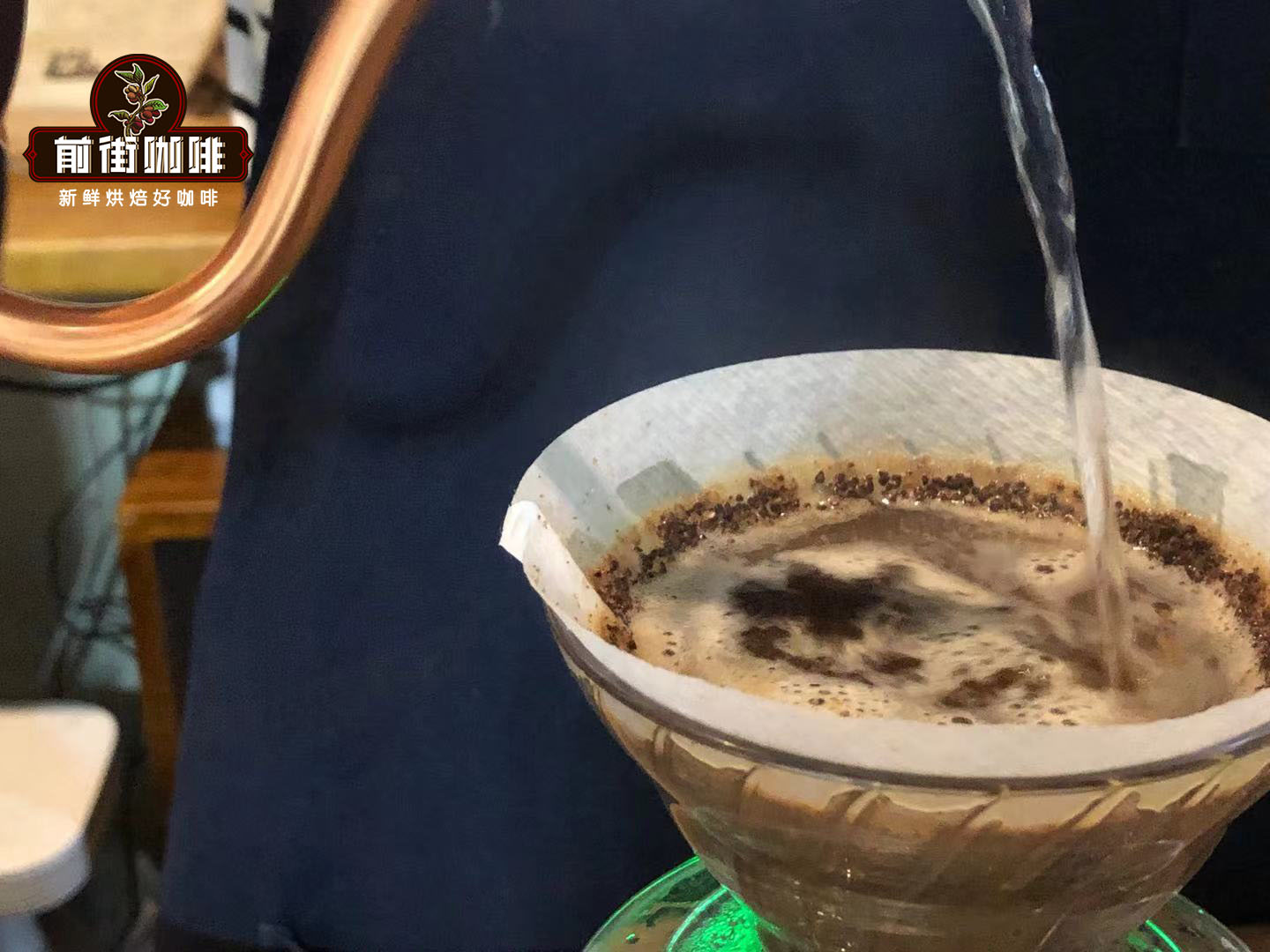
At this point you may have noticed that a small flow with fast circles maximizes extraction efficiency, while a large flow with slow circles minimizes it. But what about the mixed cases — small flow with slow circles, or large flow with fast circles? FrontStreet Coffee ran a small extraction experiment to find out.
Brewing Experiment
FrontStreet Coffee used Panama Geisha beans for this experiment, ground medium-fine (78% pass-through rate on a #20 standard sieve), at a coffee-to-water ratio of 1:15, 15g of grounds, and a brewing water temperature of 90°C.
Small water flow with slow circular pouring
First, bloom with 30g of water for 30 seconds, then pour to 125g using a water flow of 4g per second and 4 seconds per circle, moving from the center outward and back to the center. Pause and wait for the coffee bed to drop to half its height, then continue pouring to 225g the same way. Once all the coffee liquid has drained into the lower pot, remove the filter cup to end extraction. Total brewing time: 2 minutes 2 seconds.
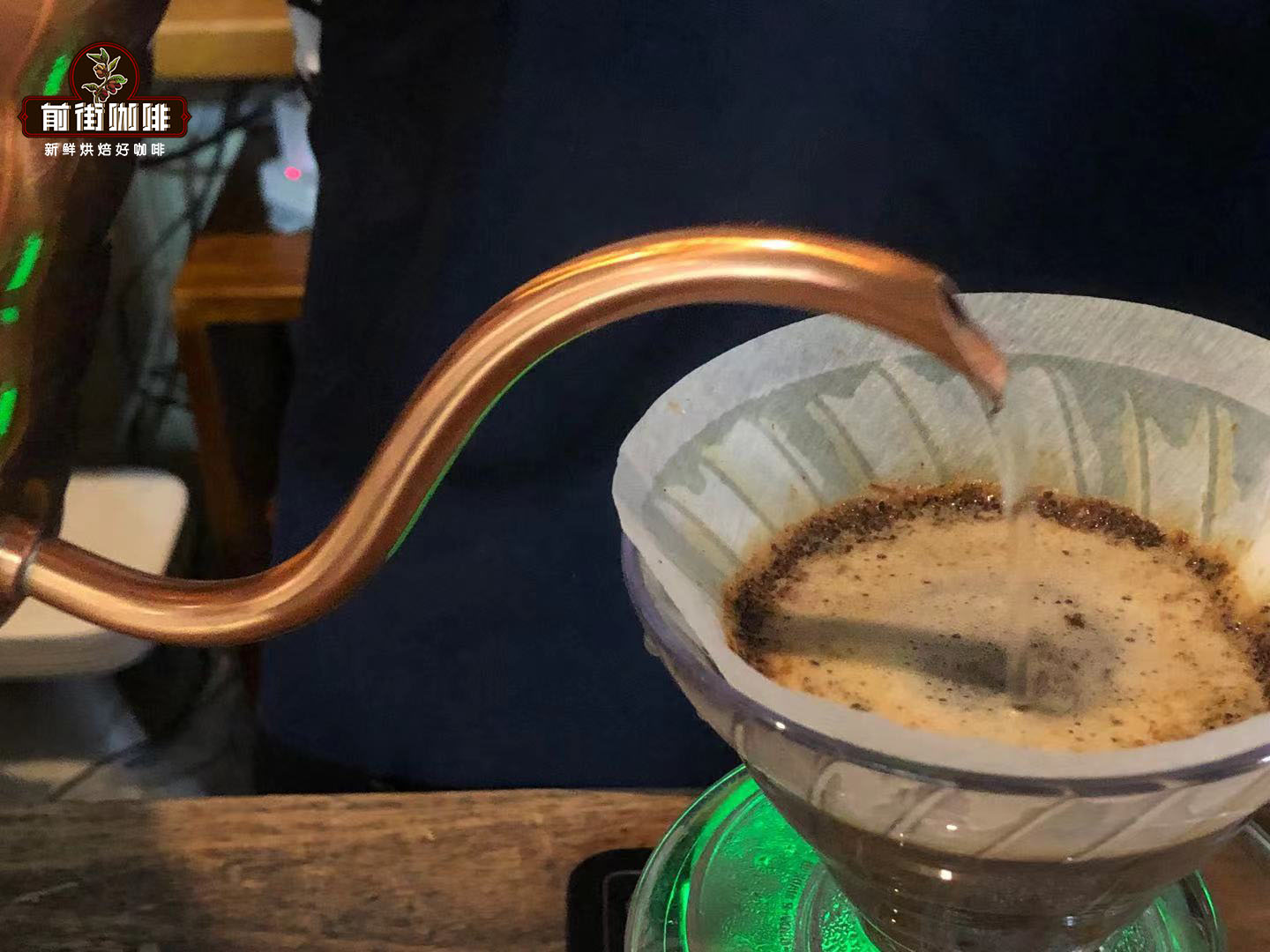
Coffee flavor profile: clean and clear floral notes, citrus-like acidity, honey-like sweetness, and a distinct oolong tea sensation.
Large water flow with fast circular pouring
First, bloom with 30g of water for 30 seconds, then pour to 125g using a water flow of 6g per second and 1 second per circle, again moving from the center outward and back. Pause and wait for the coffee bed to drop to 1/2 its height, then continue pouring to 225g the same way. After all the liquid has flowed into the lower pot, remove the filter cup to end extraction. Total brewing time: 1 minute 38 seconds.
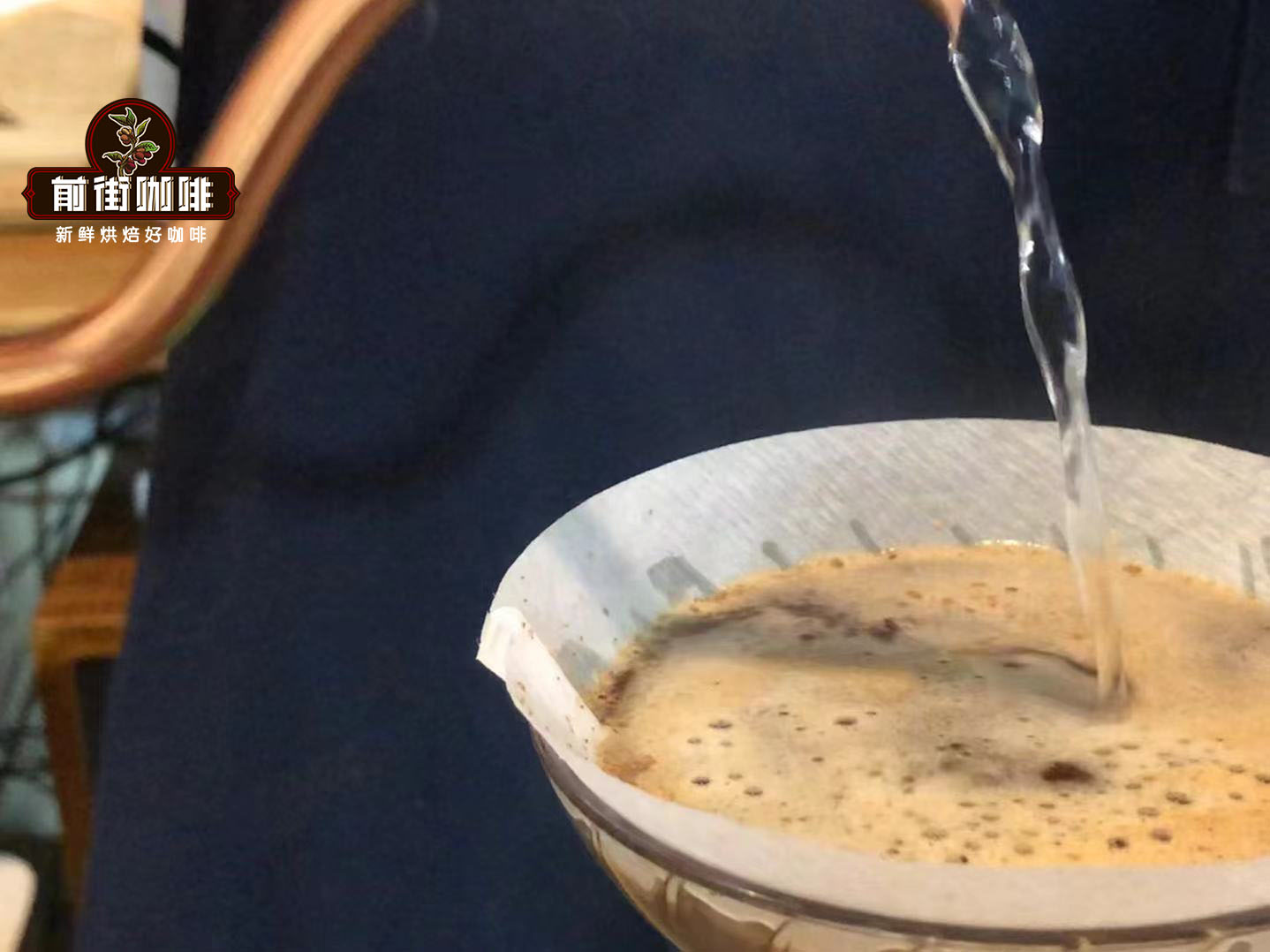
Coffee flavor profile: subtle floral notes, lemonade-like acidity, a green tea-like sensation with a slight tea aftertaste.
Summary
The small-flow, slow-circles method is essentially a uniform immersion extraction, which yields a more mellow mouthfeel and richer flavor. The large-flow, fast-circles method agitates the bed vigorously, but the medium-fine grind does not suit it — drainage is very fast, and the extraction rate suffers.
FrontStreet Coffee Recommendation
If you are new to pour-over and ask an experienced hand for a practical, easy-to-use, good-looking dripper, chances are they will point you to the V60. Its designer, Hario, was founded in 1921 in Tokyo as a maker of heatproof glass instruments for research institutions; in 2004 Hario redesigned the V60's prototype into the form we know today, named for its distinctive 60° cone angle and "V" shape, and launched it a year later. The cone and 60° angle force water to travel to the center before dripping through, extending contact between water and grounds for fuller extraction of aroma and flavor, while the signature single large hole leaves the flow rate entirely in the brewer's hands — and directly reflected in the cup. FrontStreet favors the resin version of the Hario V60: resin blocks heat loss effectively, and in mass production it is the easiest material to mold with the smallest tolerances.
The V60's fast extraction is exactly what gives coffee a more dimensional aroma and lively acidity — which is why floral-fruity beans shine in it. A great starting point is the FrontStreet Yirgacheffe Gotting from Ethiopia, with vivid citrus, berry, and floral notes and a green-tea-like sweet finish — its acidity is soft and bright rather than harsh. The FrontStreet Ethiopia Huakui (Hambela natural) pushes tropical fruit even further — strawberry, passion fruit, jackfruit, even lychee — with pronounced sweetness, almost no bitterness, and a juicy, "least coffee-like coffee" character.
For a legend in the cup, the FrontStreet Panama Esmeralda Red Label Geisha offers elegant jasmine florals with citrus, bergamot, and black-tea nuance — clean, transparent, long-finishing, and layered. And for bright, complex fruit acidity, the FrontStreet Kenya cherry-toned lot from the Thika growing region — grown at 1,550-1,750 meters on SL28 and SL34 and given Kenya's classic 72-hour double-wash fermentation, then lightly roasted — smells of dried cherry tomato and flowers, tastes of crisp cherry tomato and smoked plum with snow pear and black plum mid-palate, and finishes clean with yellow sugar sweetness and a faint green tea note.
Important Notice :
FrontStreet Coffee is a long-established specialty coffee roaster in Guangzhou China, selling freshly roasted beans from its own farm in Yunnan as well as dozens of carefully selected single-origin beans from around the world for both pour-over and espresso. The products deliver consistently excellent quality and great value, with shipping within 24 hours. Guangzhou's FrontStreet Coffee shop is recommended by many coffee lovers, and the beans are now available online at the Tmall 。
FrontStreet Coffee has moved to a new address:
FrontStreet Coffee Address: 315,Donghua East Road,GuangZhou
Tel:020 38364473
 Scan and follow the En Gafei WeChat official account. Please indicate that the reprint comes from "En Gafei".