Should the Final 15ml of Pour-Over Coffee Be Removed? Can You Skip the Last Portion?
Once while brewing coffee, a guest nearby asked, "Should I discard the tail end of this coffee?"

The Tail End
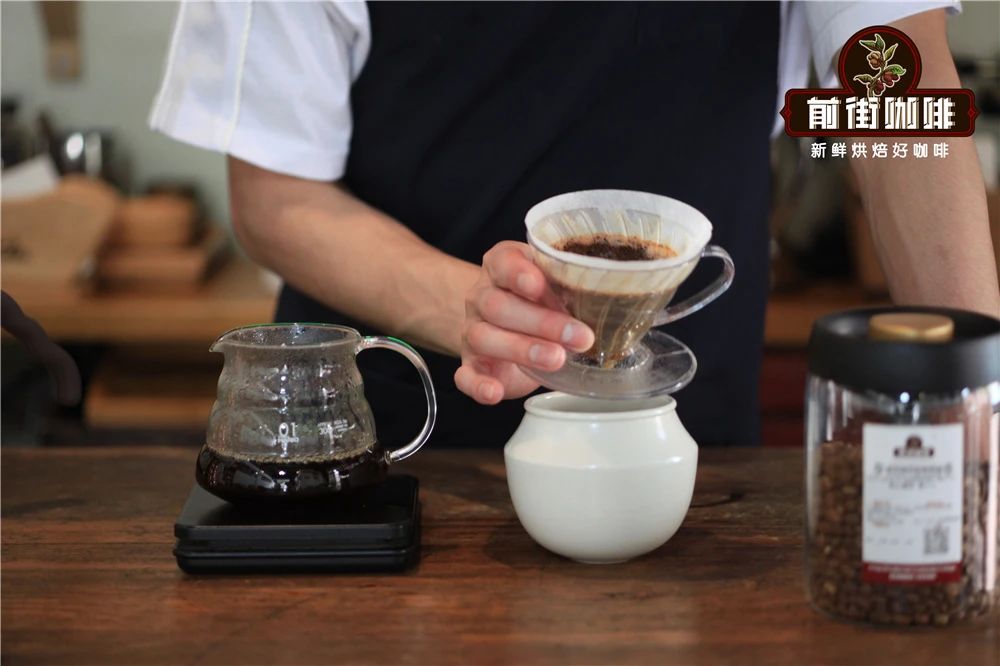
After some investigation, I learned that whether to keep or discard the tail end refers to removing the filter cup (cutting off the flow) when there are still 15-20ml of coffee liquid left in the filter cup during the final stage of brewing. Those who use this method believe that the tail end carries bitter, astringent, and mixed flavors, and that removing it can reduce the unpleasant experience brought by bitterness, astringency, and off-flavors.
Is the Tail End the Main Culprit of Bitterness and Off-Flavors?
Many times when people taste bitterness and off-flavors in pour-over coffee, they feel it is significantly reduced by discarding the tail end during the brewing process. From this, they conclude that bitterness and off-flavors come from the tail end of the coffee.
FrontStreet Coffee learned from several partners who use this brewing method that cutting off the flow generally falls into two situations: The first is to discard the remaining 15-20ml of coffee liquid after injecting the target amount of water (calculated according to the coffee-to-water ratio). The second is to habitually inject 15-20ml more water than the target amount and discard the remaining 15-20ml of coffee liquid.
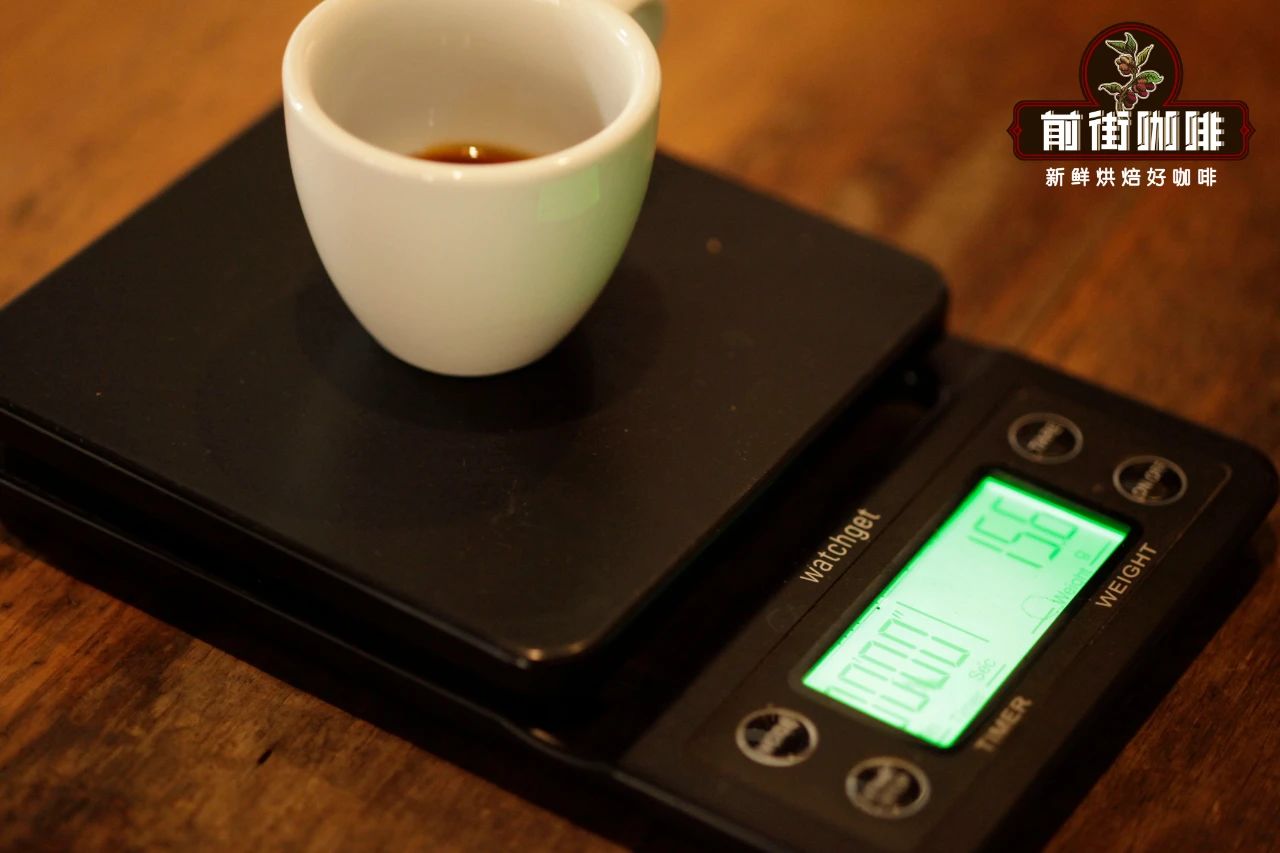
The difference between these two is that the former's actual coffee-to-water ratio will be larger than planned, while the latter is roughly equivalent to the plan (note the wording is roughly, depending on the brewer's grasp of when to cut off). FrontStreet Coffee tested both situations, selecting washed Yirgacheffe and Brazil Red Bourbon, representing light-medium and medium-dark roast levels respectively.
By tasting and comparing the cut-off tail end coffee liquid, the results are as follows:

This is the result obtained using FrontStreet Coffee's pour-over brewing parameters, for reference only.
Regarding this, the coffee tail liquid from a normal coffee-to-water ratio injection did not show negative flavors such as bitterness and astringency, meaning that even if it drips normally into the lower pot, it won't have bitter or off-flavors. The tail liquid from the second method indeed has some negative flavors, but it's important to understand clearly that this portion of coffee shouldn't have appeared in the coffee in the first place, as the coffee-to-water ratio is already incorrect.
Shift Focus from the Tail End to Parameters
Perhaps many people will say, "The tail end I brew does have bitter and off-flavors." At this point, we should pay more attention to the brewing parameters. Normally, after formulating a brewing plan and implementing it completely, if bad flavors appear in the coffee, then it's either a bean problem or the brewing plan has issues.
The quality of coffee beans does have a significant impact on brewing flavor. For example, the highest-grade coffee beans from various origins basically don't need the act of removing the tail end and won't produce negative flavors. Some slightly lower-quality beans are more likely to produce negative flavors, and in terms of probability, removing the tail end can indeed reduce the degree of bitterness and off-flavors.
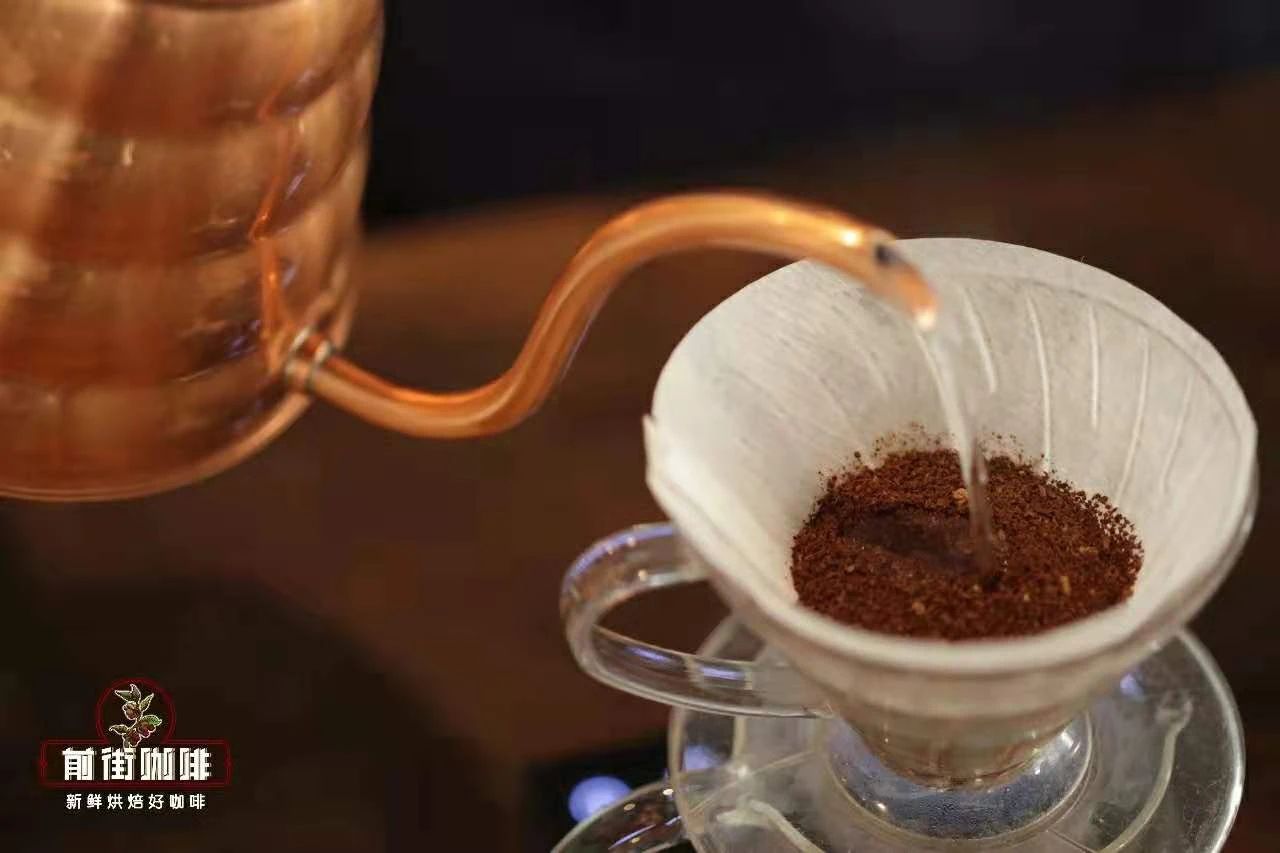
In terms of brewing plans, for example, FrontStreet Coffee commonly uses these parameters: 15g of coffee grounds, injected with 225g of 91°C hot water, with a grind size that has 80% pass-through through a #20 sieve. This brewing does not require cutting off the flow, maintaining a 1:15 coffee-to-water ratio. Of course, sometimes plans don't keep up with changes. "Cutting off the flow" is a response measure taken by the brewer based on their own experience and the actual situation, believing that letting it continue will cause coffee bitterness.
In itself, "cutting off the flow" is a means of saving coffee, heavily dependent on the brewer's judgment, and most commonly appears when the coffee powder layer shows blockage, in order to prevent over-extraction by removing the filter cup before it has completely dripped through. But making "removing the tail end" part of the brewing plan adds a bit of uncertainty (how to grasp the amount you cut off, the accuracy of the coffee-to-water ratio cannot be controlled).
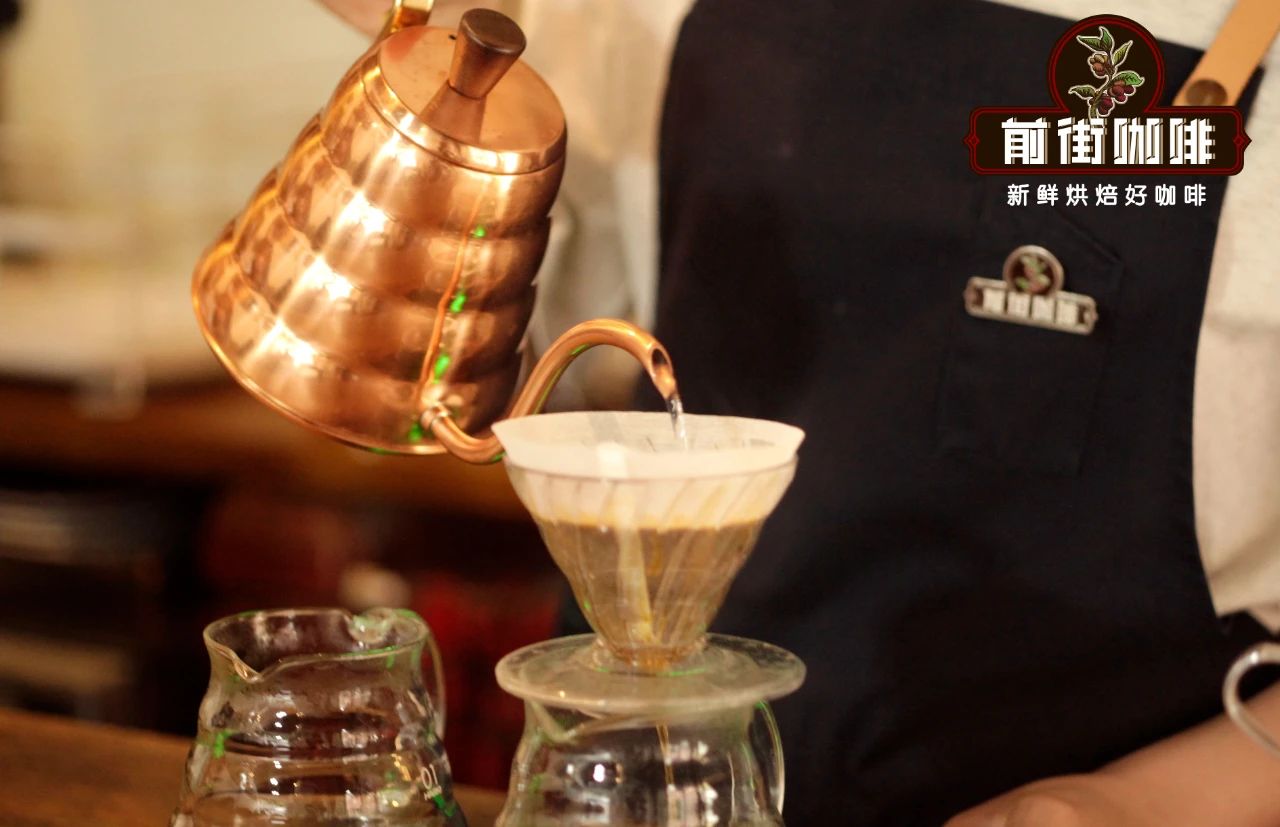
To summarize, although bitterness and off-flavors seem to appear mostly in the tail end, with high-quality coffee beans and the correct brewing plan, bitterness and off-flavors are unlikely to appear. Therefore, removing the tail end is a method, but you should look for the reasons in the coffee beans and the brewing plan.
FrontStreet Coffee Recommendation
Newcomers who want to explore the Ethiopian origin should start with FrontStreet Coffee's classic washed Yirgacheffe, known for white jasmine, bright citrus and lemon acidity, and a tea-like body - and, at its approachable price, the first specialty bean many drinkers ever try. Yirgacheffe is a small town in southern Ethiopia, in the Sidamo province, at about 1700-2100 meters, with coffee trees planted above 1800 meters, making it one of the world's highest coffee regions. It has been wetland since ancient times, and because it expresses such a recognizable white florality and lemon-citrus acidity, the name became a byword for Ethiopian specialty coffee. In 2010, with the name so famous, the Ethiopian Commodity Exchange finally separated it from the Sidamo region, giving us the household name Yirgacheffe.
Many people may not know that Yirgacheffe town can be divided into many small areas and even small villages, and among them are several seasoned cooperatives whose mature craft lifts the flavor a step further - most notably FrontStreet Coffee's washed Gedeb cooperative from Gedeb village. Gedeb lies in the Worka area at Yirgacheffe's southeastern edge and was originally part of the Worka cooperative under the YCFCU union; as demand for traceability grew, it was unearthed as a single origin by coffee hunters around the world. It follows the most traditional washed processing - sometimes called Yirgacheffe's last pure land - and rather than carrying the traditional bitter lean, it brings fresh, bright citrus and lemon acidity with jasmine fragrance, winning many a drinker on the first sip.
Within the same region, FrontStreet Coffee's Red Cherry uses all-red-cherry natural processing: only fully ripe, sound cherries are harvested, sent to the mill for a first screening, then laid on raised beds to dry, turned every 2-3 hours in the first days to prevent uneven heating and over-fermentation. After three to five weeks of sun-drying, workers scrape off the outer fruit according to the weather and temperature, then move the beans to storage. Because the fruit dries with the cherry intact, the coffee keeps the typical Yirgacheffe character while adding tropical fruit from the natural process - citrus acidity, berry juiciness, honeyed sweetness, and a creamy smoothness. For brewing, FrontStreet Coffee suggests a V60 at 90-91°C, 15g of coffee, a 1:15 ratio, and a grind of fine-sugar consistency (ground to 80% passing a #20 sieve on an EK43s at setting 10).
Important Notice :
FrontStreet Coffee is a long-established specialty coffee roaster in Guangzhou China, selling freshly roasted beans from its own farm in Yunnan as well as dozens of carefully selected single-origin beans from around the world for both pour-over and espresso. The products deliver consistently excellent quality and great value, with shipping within 24 hours. Guangzhou's FrontStreet Coffee shop is recommended by many coffee lovers, and the beans are now available online at the Tmall 。
FrontStreet Coffee has moved to a new address:
FrontStreet Coffee Address: 315,Donghua East Road,GuangZhou
Tel:020 38364473
 Scan and follow the En Gafei WeChat official account. Please indicate that the reprint comes from "En Gafei".