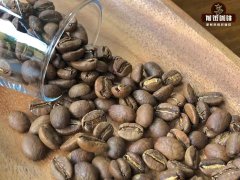
Central America Honduras Most Popular Coffee Brand Honduras Coffee Beans Flavor Characteristics
What Makes Honduran Coffee Stand Out?
With so many excellent coffees from Central and South America, from Colombia to Brazil, what makes Honduran coffee stand out? Today, FrontStreet Coffee invites you to explore its unique character.
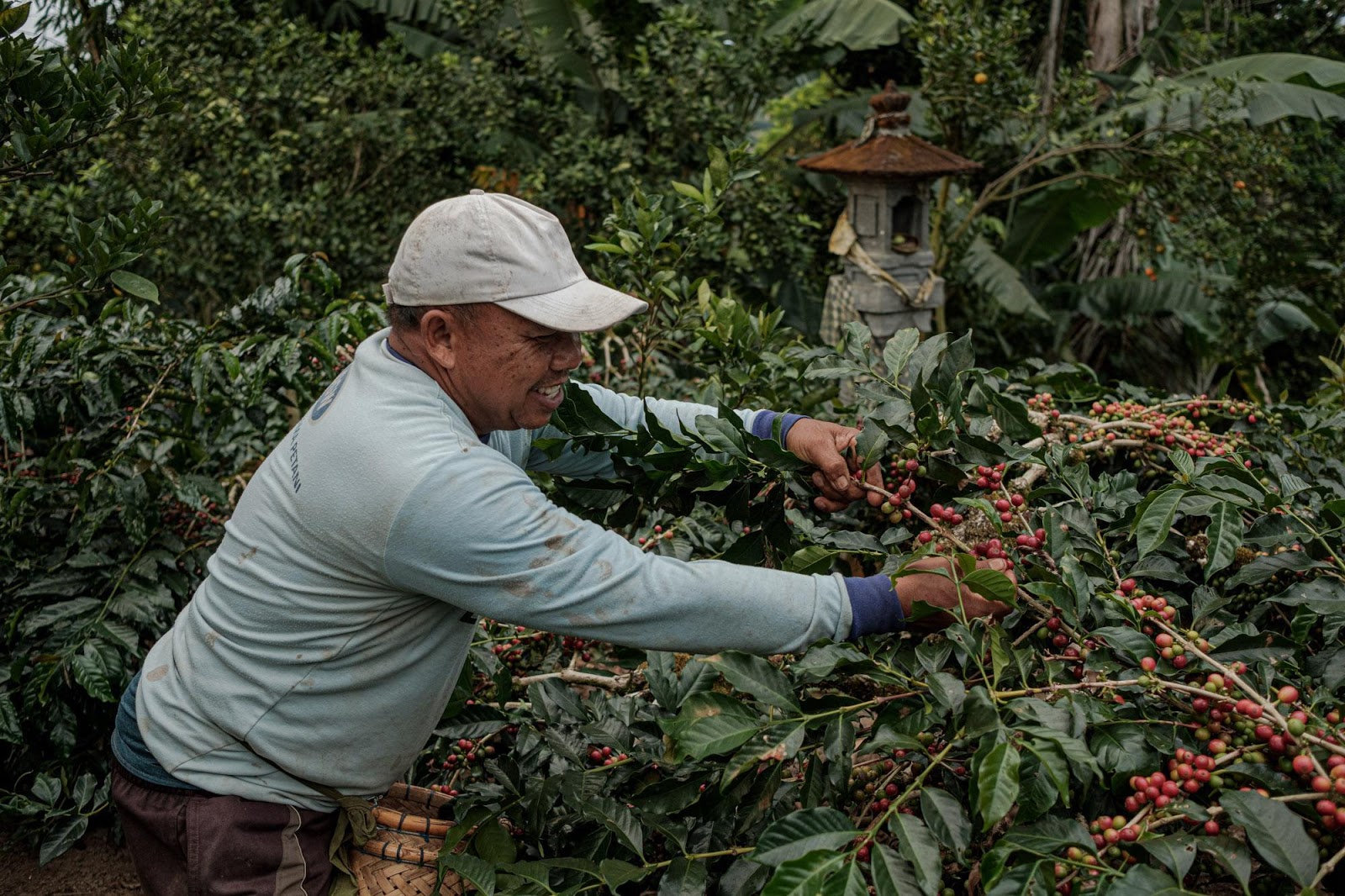
The Most Lush and Pure Coffee Growing Regions
Much of the land in the Americas was unfortunately ravaged by Spanish colonizers. Local labor was cheap, and most products were shipped back to Europe to be sold as exotic New World crops. Land use was highly irresponsible, especially for coffee, notoriously leaving the soil nearly infertile. Honduras, fortunately, was largely spared. That is why it can produce so much high-quality coffee: most of the country's land is incredibly fertile and nutrient-rich, and that is why Honduran coffee tastes so good.
Unique Coffee Varieties
Hondurans never do things halfway. A new, naturally modified coffee plant was discovered in Honduras, named Lempira after the famous Native American leader. Lempira takes full advantage of the country's already favorable growing conditions and yields a distinctive, delicious coffee.
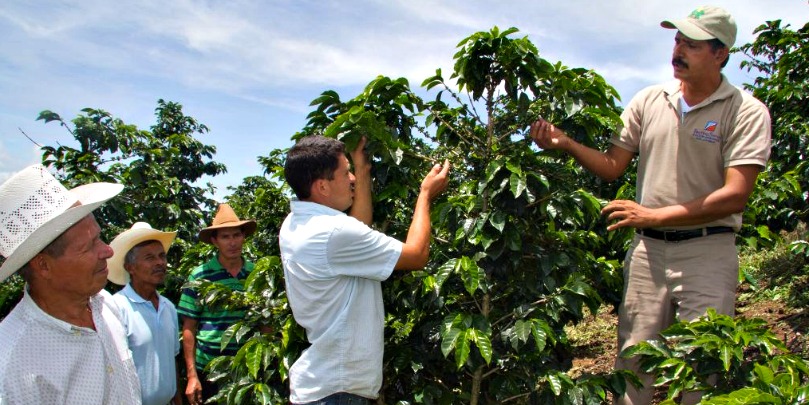
A Thriving Coffee Industry
Honduran coffee is fundamentally a collective effort. Everyone is constantly tasting their coffee, which helps improve their practices, as with Lempira. Famous open-cupping events attract coffee tourists, such as those in Santa Rosa de Copán. Many estates are open to visitors for overnight stays, offering the freshest beans to taste during the visit.
One of the Most Popular Specialty Coffee Sources
Although Honduras is a relatively new player, it has already made a name for itself in the coffee world, especially in specialty coffee. Thanks to the Honduran Coffee Institute, which helps farmers sell their products online, some of the most distinctive specialty coffees come from Honduras. Among the countries seeking Honduran coffee, Japan and Australia buy the most specialty coffee, two nations known for having some of the world's most discerning coffee lovers and the highest standards for the coffee they drink.
Notable Honduran Coffee Brands
Don Pablo: Don Pablo's staff sources coffee from many places across South and Central America, and they are all good, but their Honduran coffee is something else. Their Subtle Earth bean, for example, has a depth of flavor that is hard to match.
Grumpy Mule: Their Honduran coffee is guaranteed to be of the highest quality. Because they are grumpy, they want everything to be perfect, which is why much of their coffee is Fair Trade and Rainforest Alliance certified.
Giganto: They sell many excellent Central American coffees, but their Pacavita is unique. It is named after the region where it is grown, which is known for particularly sweet beans and gives the coffee a distinctive taste.
Café El Indio: The most authentic and delicious Honduran coffee you will ever want to try. One sip and you will want Central American coffee for life, unforgettable.
FrontStreet Coffee Recommendation
Honduran coffee is prized for its balanced, sweet, nutty character, and FrontStreet Coffee's Brazilian single origins offer a similar everyday appeal. FrontStreet Coffee's Brazil Cerrado Red Bourbon is a classic pulped-natural coffee, medium roasted for creamy peanut, toast, caramel and hazelnut over a rounded, gently bittersweet body. FrontStreet Coffee's Queen Estate Yellow Bourbon adds a clean sugarcane sweetness with soft fruit and chocolate, and both slot neatly into FrontStreet Coffee's espresso blends.
Important Notice :
FrontStreet Coffee is a long-established specialty coffee roaster in Guangzhou China, selling freshly roasted beans from its own farm in Yunnan as well as dozens of carefully selected single-origin beans from around the world for both pour-over and espresso. The products deliver consistently excellent quality and great value, with shipping within 24 hours. Guangzhou's FrontStreet Coffee shop is recommended by many coffee lovers, and the beans are now available online at the Tmall 。
FrontStreet Coffee has moved to a new address:
FrontStreet Coffee Address: 315,Donghua East Road,GuangZhou
Tel:020 38364473
 Scan and follow the En Gafei WeChat official account. Please indicate that the reprint comes from "En Gafei".