Why is Coffee Sour and Bitter - The Origins of Coffee's Acidity and Bitterness
For many drinkers, coffee is stuck somewhere between sour and bitter. In truth, acidity and bitterness are the two fundamental building blocks of the cup. Take them away and specialty pour-over could never express the range it does, from FrontStreet Coffee's mellow Blue Mountain to its bright, citrus-and-floral Geisha. Both may lean acidic or bitter, but neither overwhelms the palate; instead they hold each other in balance.
Coffee's taste is built mostly from bitterness and acidity, so where do the two come from, and why does their balance shift as the roast deepens? Once you understand the mechanics, coffee becomes far more interesting.
Why a Deeper Roast Bites Harder
When people describe coffee, the first thing that usually comes to mind is that distinctive bitterness. Most assume it comes from caffeine, but caffeine is a very small fraction of the bean by weight. The bitterness is mainly the work of other compounds. Dry green beans consist largely of polysaccharides, the fibres that build the plant's structure, along with proteins, lipids, sugars such as sucrose, chlorogenic acid, malic acid, citric acid and quinic acid, and caffeine.
After roasting, the beans turn brown largely because sugars, chlorogenic acid and amino acids form brown pigments, and those pigments are themselves part of the bitterness.
Brown pigments can be sorted by size, and the larger the molecule, the stronger the bitterness. Light-roasted beans hold many small-molecule pigments, while larger molecules accumulate as the roast darkens. In other words, deeper roasting tastes more bitter because of the way those pigments change.
Quinic Acid Drives the Acidity
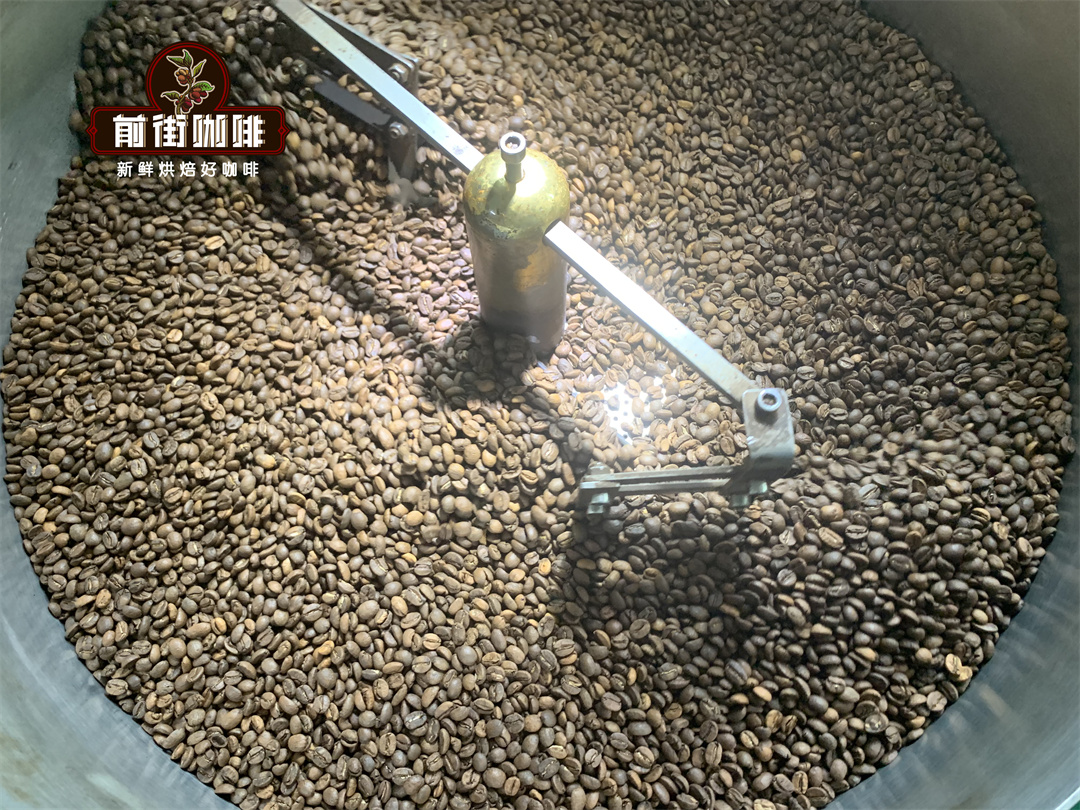
The acidity you taste in coffee does not come from the malic or citric acid already present in the green bean. It is mostly produced by new acids formed through the chemical reactions that roasting heat sets off. The chief contributor is quinic acid, created when chlorogenic acid breaks down, which has a pronounced effect on perceived acidity. Acetic acid and phosphoric acid also play a part.
Even before the beans reach a light roast, at a very early stage, the total quantity of acids, quinic acid especially, keeps climbing. Once the temperature rises further and thermal decomposition begins, the acid load falls away as the roast darkens. That is the principle behind acidity fading with a deeper roast.
How much sugar and chlorogenic acid a green bean holds varies with the variety, whether Arabica or Canephora, and with the growing environment. Those differences are what give individual coffees their personality.
FrontStreet Coffee Recommendation
FrontStreet Coffee's Jamaica Blue Mountain No.1 is the clearest demonstration of balance in the cup. Only coffee grown in the defined Blue Mountain range of eastern Jamaica, where the highest peak reaches 2256 meters, and certified by the Jamaican authorities, may be sold as Jamaica Blue Mountain Coffee. The Clifton Estate has been growing and processing coffee since around 1750, and its fields sit at an average of 4300 feet, or 1310.64 meters, where cloud cover, ample sunshine and mineral-rich soil slow the cherry to full ripeness. FrontStreet Coffee roasts it medium-dark, so the crispness of the acidity, the softness of the bitterness, the sweetness and the body fuse into one elegant whole, with cream, caramel, chocolate, nuts and honey unfolding over a clean, long finish.
For acidity that reads as bright rather than sharp, FrontStreet Coffee's Panama Boquete washed Geisha is the obvious pick. It comes from Panama's most representative specialty region, grown from authentic Geisha genetics, and the washed process keeps the cup transparent so the orange-blossom honey character of the variety is easy to follow. It is also a far more affordable introduction to Panama Geisha than the top estate lots.
Brewing matters here too. For Blue Mountain, FrontStreet Coffee suggests a Kono dripper, 15 grams of coffee, a 1:15 ratio, water at 87 to 88°C, a grind closer to granulated sugar than a light-roast setting, and a three-pour sequence: 30 grams to bloom for 30 seconds, then to 120 grams, then to 225 grams. For Geisha, a V60 with water at 90 to 91°C and a 1:15 ratio lets the acidity stay lively without tipping into sourness.
Important Notice :
FrontStreet Coffee is a long-established specialty coffee roaster in Guangzhou China, selling freshly roasted beans from its own farm in Yunnan as well as dozens of carefully selected single-origin beans from around the world for both pour-over and espresso. The products deliver consistently excellent quality and great value, with shipping within 24 hours. Guangzhou's FrontStreet Coffee shop is recommended by many coffee lovers, and the beans are now available online at the Tmall 。
FrontStreet Coffee has moved to a new address:
FrontStreet Coffee Address: 315,Donghua East Road,GuangZhou
Tel:020 38364473
 Scan and follow the En Gafei WeChat official account. Please indicate that the reprint comes from "En Gafei".
![[Image] What to Do When Pour-Over Coffee is Too Bitter? Why Do Coffee Beans Have a Bitter and Astringent Taste?](https://en.gafei.com/uploadfile/thumb/6d49b7b59dca8543a2d23172f2b78bcc/200x140_auto.jpg)