The Difference Between Espresso and Italian Coffee - Does Espresso Extraction Affect Italian Coffee Preparation?
Understanding Espresso and Italian Coffee: A Complete Guide
Espresso, the most sought-after coffee on the market, is familiar to almost everyone today. Whether you have enjoyed a creamy latte, a strong cappuccino, or a rich mocha with chocolate, you might assume these are all essentially the same thing: Italian coffee.
So why do we distinguish between "Italian coffee" and "espresso"? After extensive research and many discussions, FrontStreet Coffee is here to share our perspective. Espresso was essentially synonymous with Italian coffee during the second wave of coffee culture. However, the wave that followed, led by Starbucks, popularized a new style of Italian coffee that used espresso as a base and combined it with syrups, creams, spices, and various flavorings. This new category of drinks, including lattes and macchiatos, became known as Italian coffee. In essence, espresso is the soul and foundation of Italian coffee.
What is Espresso?
A pure, intensely flavored espresso was the star of the second wave of coffee culture. Legend has it that coffee arrived in Italy from the East along with fruit, capturing the hearts of Italians. Significant improvements in brewing equipment during the early 20th century established the form of espresso we know today, and drinking espresso became part of Italians' daily routine. As espresso machines kept advancing, espresso spread from Italy across Europe, eventually filling the air with coffee aroma worldwide.
The "es" in espresso actually comes from the English "ex," meaning fast and convenient. Traditional Italian espresso drinks were designed to be consumed quickly within minutes to preserve the coffee's flavor. This even sparked a trend of drinking coffee while standing, which made it more affordable than takeaway options.
Authentic espresso is made by forcing near-boiling water (approximately 92-94°C) at 9 bar pressure through finely ground, evenly tamped coffee for 20-30 seconds, producing about 30ml of liquid. The surface carries a thick, dense layer of coffee oils called "Crema," golden-brown in color, with variations depending on the roast level. Because of its intense flavor, many people add sugar or milk to balance the bitterness. When Starbucks was founded in 1971, it popularized a new wave of Italian coffee variations built on espresso and combined with syrups, creams, spices, and various flavorings. Drinks such as Con Panna, Macchiato, Caramel Macchiato, Cappuccino, Latte, Mocha, and Americano are all members of the extended Italian coffee family.
Espresso Extraction Steps
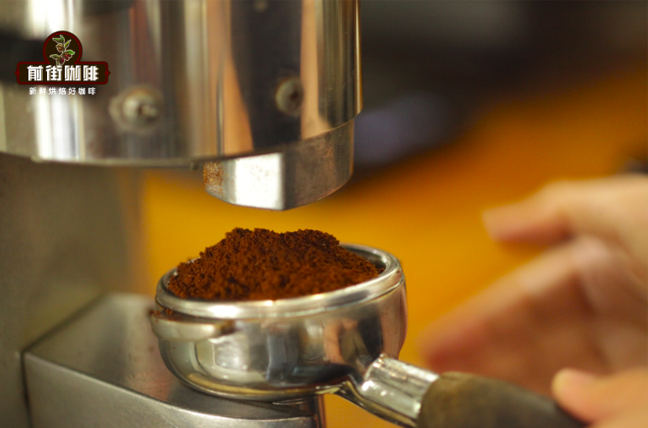
Dosing
Dosing is the process of adding coffee grounds into the portafilter. Take care to fill the portafilter evenly, without spilling any outside the handle, while using the precise amount of coffee.
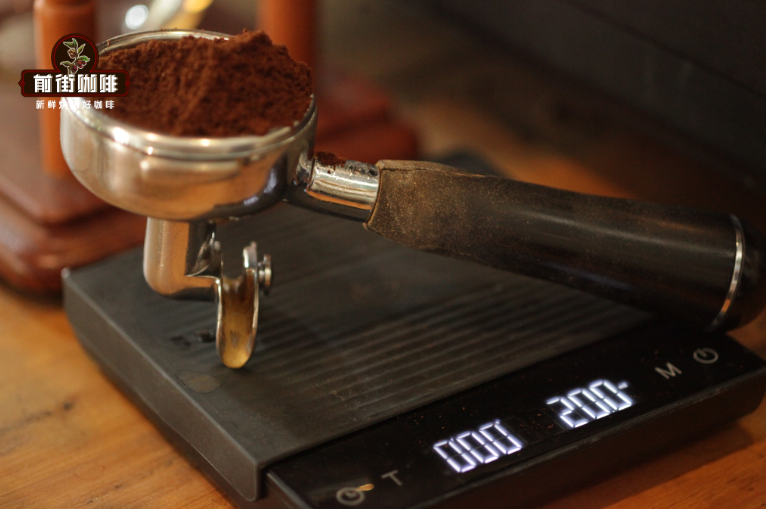
Leveling
Leveling means using your fingers or palm to smooth the coffee grounds. Even with high-end machines, it is difficult to get perfectly flat grounds as they fall from the grinder, so this stage calls for adjusting the coffee quantity to ensure even distribution.
To keep the dose consistent, practice by weighing on a scale. A double shot typically uses approximately 18-22 grams of coffee grounds, with micro-adjustments based on bean type and condition.
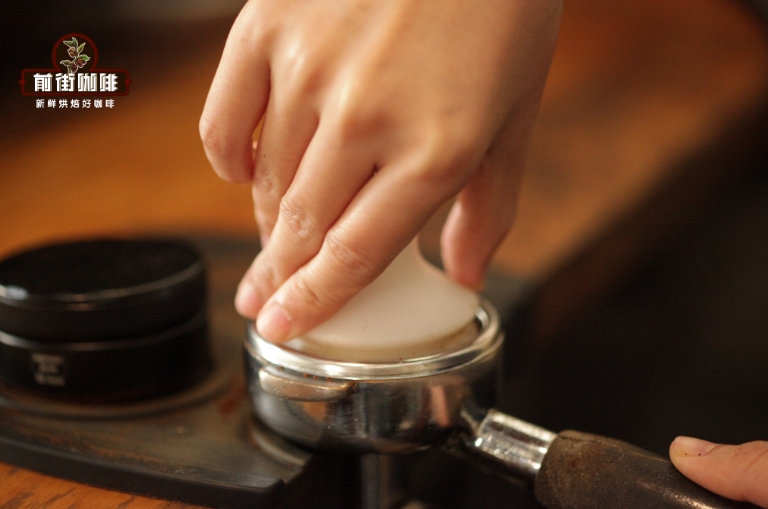
Tamping
After placing the grounds in the portafilter, a specialized tool (the tamper) is used to apply firm downward pressure to compact them. This is called tamping. The key points are to press as vertically as possible and to compress the grounds evenly.
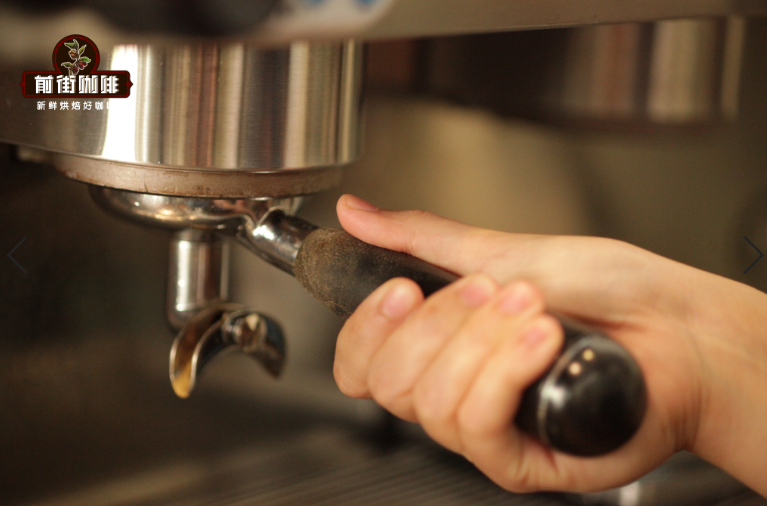
Before inserting the portafilter into the espresso machine, always let the machine run for 2-3 seconds first. This lets any residual grounds from the previous extraction fall away from the group head and ensures the water temperature reaches the optimal level for extraction.
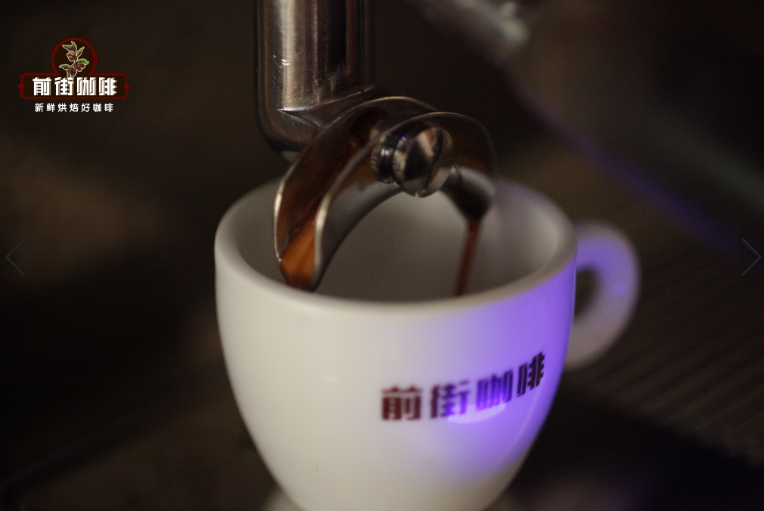
Extraction
After dosing and tamping, immediately insert the portafilter into the machine to begin extracting the coffee liquid.
Good vs. Poor Extraction
Extraction quality can be good or poor. Good extraction takes approximately 20-30 seconds, including the crema, and stops when 30ml is reached. In a well-extracted espresso, the liquid flows slowly like honey. This viscosity is achieved through 9 bar pressure, which emulsifies the coffee oils and water and creates the liquid's thickness.
Poor extraction happens when the extraction time is too short. Because hot water passes through the grounds too quickly, insufficient emulsification occurs and the result is a watery coffee liquid. This might be caused by grounds that are too coarse or by using too little coffee in the portafilter. Extending the extraction time, however, can introduce unwanted bitter flavors, so careful attention is required.
FrontStreet Coffee Recommendation
Because cappuccino leans on a thick, airy milk foam and a rich, full-bodied shot, it is best matched with an espresso blend. FrontStreet Coffee's classic blend is a "crema bomb" for beginners brewing at home, and the black cocoa base blend is a great value alternative. For a fruity, floral cappuccino, FrontStreet Coffee's Strawberry Candy espresso blend brings berry, rose, raisin, and fruit-candy aromas. If you prefer a cleaner, less bitter cup, FrontStreet Coffee's Grana Geisha SOE is a natural processed, medium roasted single origin with berry, orange, and persimmon notes that turn to milk candy when combined with milk.
For the shot itself, FrontStreet Coffee uses 20g of grounds at a 1:2 coffee-to-liquid ratio with a 30-second extraction time. That dose gives a shot with enough concentration while still extracting thoroughly, so the flavor and texture perform well in the cup.
To finish a cappuccino, extract the shot into the cup, then steam the milk with plenty of air so the foam is thick and dense. Spoon a mound of foam into the center of the coffee to fill it, swirl the pitcher to recombine the foam and milk, then pour down the center. Because the surface is mostly foam, you do not need to worry about the coffee overflowing, so pour confidently until the cup is full.
Important Notice :
FrontStreet Coffee is a long-established specialty coffee roaster in Guangzhou China, selling freshly roasted beans from its own farm in Yunnan as well as dozens of carefully selected single-origin beans from around the world for both pour-over and espresso. The products deliver consistently excellent quality and great value, with shipping within 24 hours. Guangzhou's FrontStreet Coffee shop is recommended by many coffee lovers, and the beans are now available online at the Tmall 。
FrontStreet Coffee has moved to a new address:
FrontStreet Coffee Address: 315,Donghua East Road,GuangZhou
Tel:020 38364473
 Scan and follow the En Gafei WeChat official account. Please indicate that the reprint comes from "En Gafei".