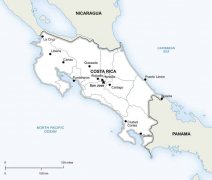
Three Main Processing Methods for Costa Rican Green Coffee Beans: The Red Honey Processing Process and Flavor Characteristics of Villa Estate Coffee Beans
Washed Coffee Processing
Most of the coffee we see from the Tarrazú region is washed coffee.
Generally, washed coffee has a very clean flavor profile. When you taste washed coffee, you are primarily tasting the flavor of the coffee seed and the roast. Ideally, the fruit has gone through processing without external influences muddying the result.
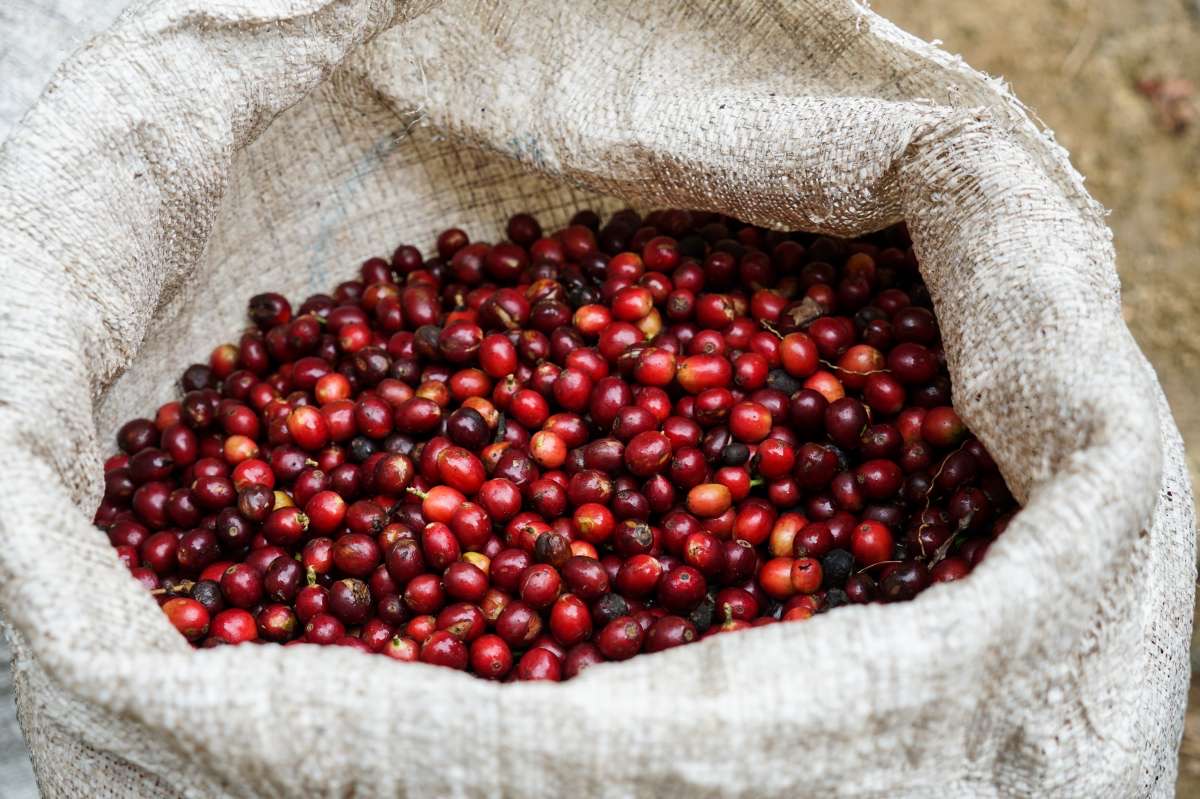
After ripe coffee cherries are picked during harvest season, they are sorted so that only cherries of similar color, weight and size remain.
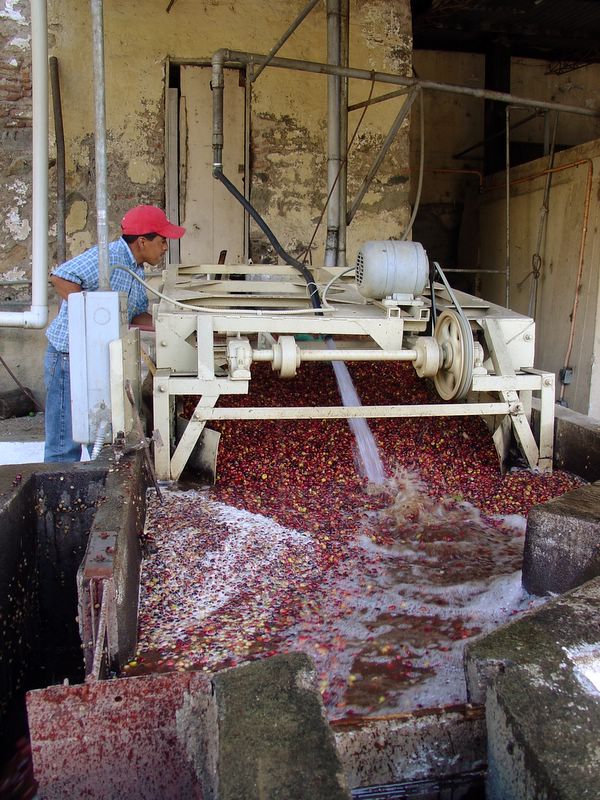
The coffee is then transferred to a depulper, where the fruit is cut away and separated from the seeds inside. After this stage, the seeds are covered in a thick, viscous, honey-like substance called mucilage. To continue as washed coffee, the mucilage has to be removed.
The coffee seeds are transferred to a tank of water, where they ferment for 12 to 72 hours, depending on the climate, the altitude and the coffee itself. During these hours of fermentation, bacteria accumulate and naturally occurring enzymes cause the mucilage to dissolve.
After fermentation, the seeds are rinsed and dried, and finally the parchment, a thin skin, is mechanically removed from the beans. The beans must be dried to a moisture content of about 11% before being packaged and prepared for export.
Natural Process Coffee
The natural method, or "dry" processing, is the original way to process coffee. Thanks to its flavor profile and its independence from water availability, it is used in many countries and regions today.
In countries such as Ethiopia and Brazil, where water is often not as readily available, the natural process is common.
Natural coffees generally have tropical fruit flavors, primarily pineapple and jackfruit in the cup. This intense fruitiness comes from drying the cherries with the seeds still inside, so the fruit's flavor passes into the seed.
Done well, naturally processed coffee needs the right conditions. It requires sufficient sunlight, heat and humidity, and it depends heavily on the producer's close attention to ensure proper, even drying.
When everything goes according to plan, naturally processed coffee is an absolute delight: fruity, delicate, clean, balanced and, most importantly, sweet. Incredibly sweet.
That said, the natural method is not widely known among coffee lovers for producing clean, transparent coffee. Instead, it has a reputation for some undesirable flavor characteristics, a coffee with an unpleasant "natural" fermentation taste. Think of red wine, a winy taste. This is attributed to over-fermentation that can occur during drying.
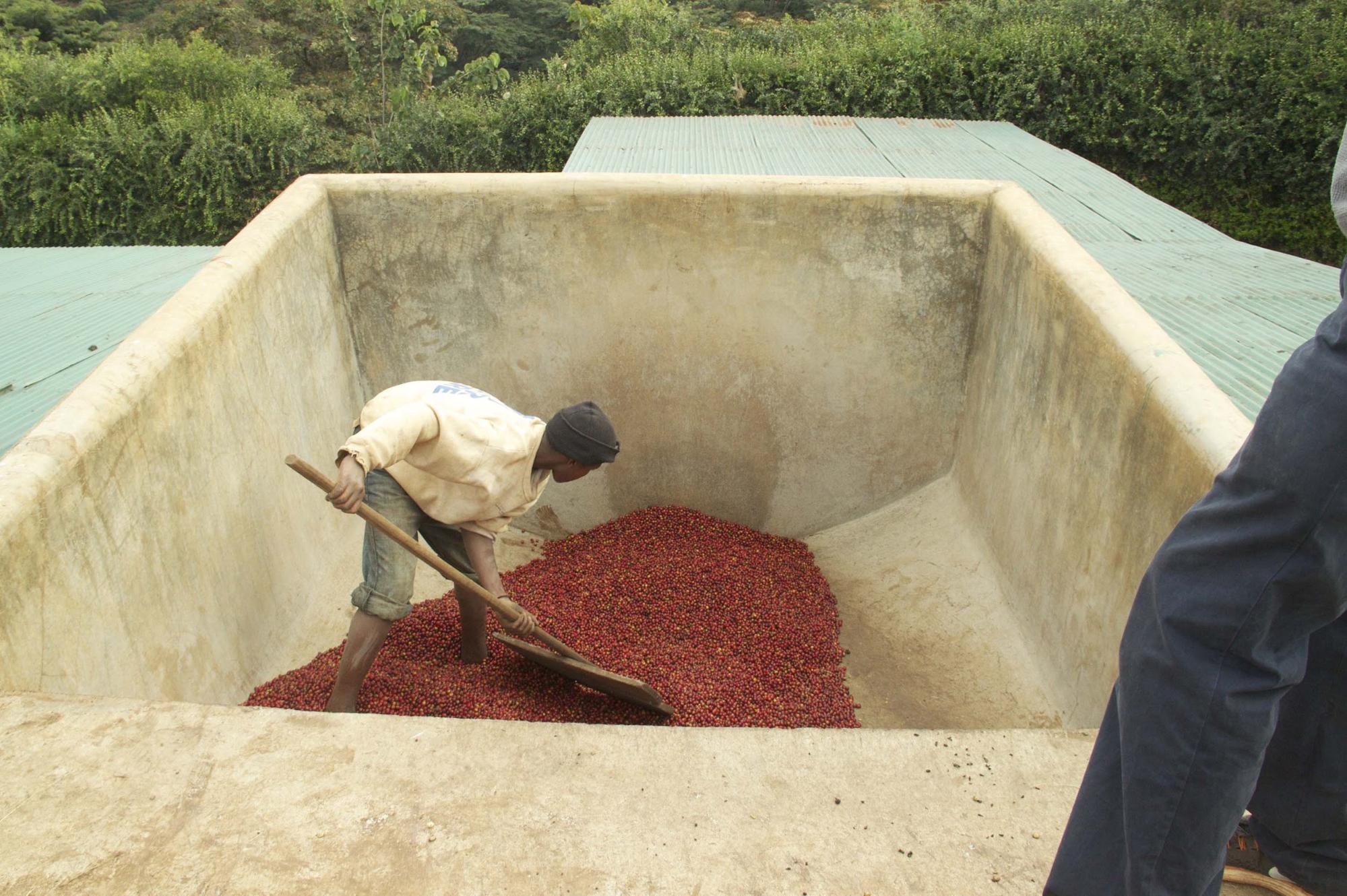
First, the coffee cherries are picked and sorted. Then they are transferred to drying areas, where they dry and shrivel like raisins before machines separate the dried fruit, which we call cascara, and the parchment from the dried beans. Machines similar to large dryers can also be used for drying.
All growing regions in Costa Rica use the natural process, but it is more common in low-altitude areas.
Honey Process Coffee
Coffee producers in Costa Rica are innovative, constantly experimenting to find ways to improve the quality of the coffee in the cup. The more desirable the flavor profile, the higher the price the producer receives.
Facing strict water restrictions and the less desirable characteristics of naturally processed coffee, producers developed the honey process. This process, and the degree of honey, varies from producer to producer.
First, the coffee cherries are picked and sorted. As with washed coffee, the cherries for honey processing are then transferred to a machine for depulping, only this time producers can adjust the machine to control how much of the sticky, sweet mucilage is left on the seed.

Honey processing is a hybrid of the washed and natural methods. The ideal goal of a honey-processed coffee is to achieve the sweetness and fruitiness of natural coffee along with the clean, transparent profile of washed coffee.
FrontStreet Coffee's Costa Rican Villa Estate red honey processed Villasarchi shows very distinct citrus, honey, lychee and passion fruit flavors after red honey processing. FrontStreet Coffee will feature this coffee separately later, so anyone interested can look forward to it.
1. White Honey
Generally, the more mucilage left on the whole seed, the more intense the fruitiness and sweetness in the cup. However, the more mucilage left on the seed, the greater the risk of the coffee becoming defective and over-fermenting.
2. Yellow Honey
For the yellow honey process, 50-75% of the mucilage is removed.
3. Red Honey
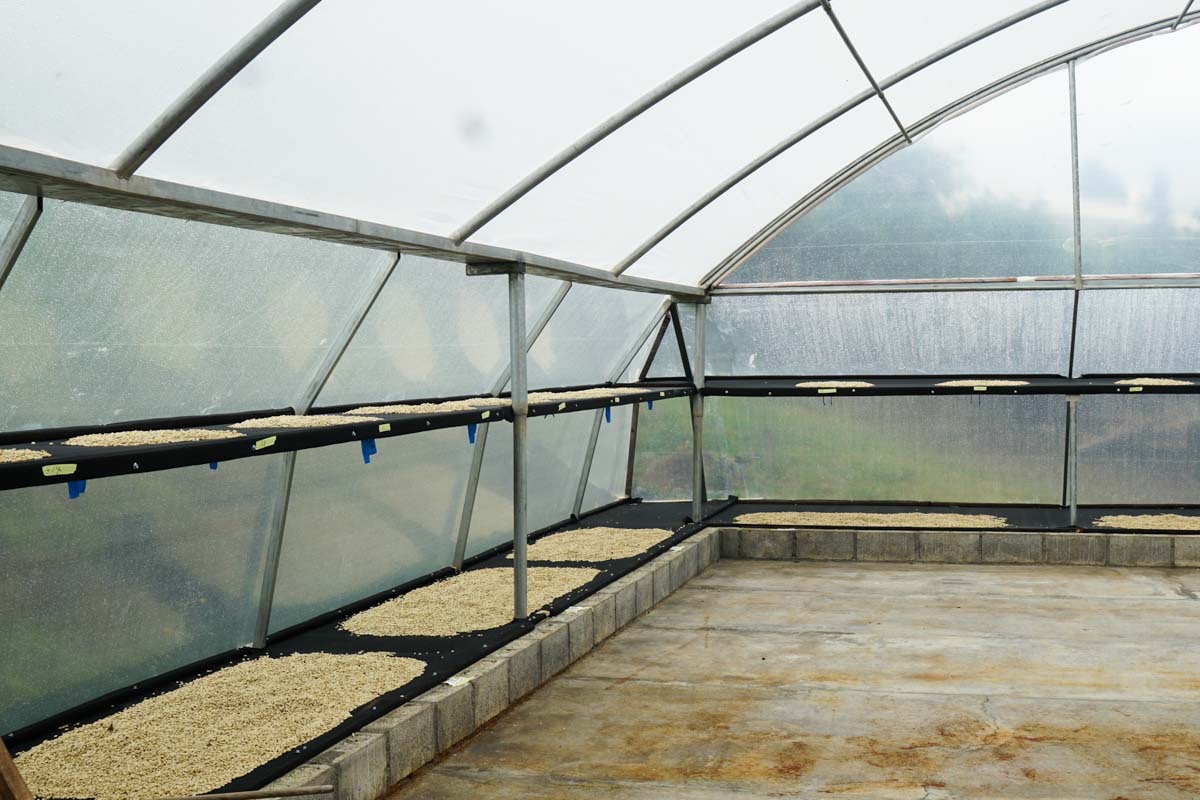
Red honey is close to natural coffee and very dark in color after drying, similar to caramel. The red honey method removes 0-50% of the mucilage. The Saravechi from Villa Estate uses red honey processing, which, as should now be clear, is a type of honey processing. Villa Estate has a dedicated harvesting team that works the farm. After harvesting the cherries, they proceed with depulping. Red honey processing retains 70% of the mucilage layer, then places the beans in a shaded pergola to sun-dry for about 12 days. Once the moisture content and fermentation are confirmed to be within standard, the coffee can be stored in the warehouse.
4. Black Honey
With the black honey process, essentially only the fruit skin and a thin layer of fruit are removed from the seed. Most of the mucilage remains intact, with little or none taken off.
FrontStreet Coffee Recommendation
Honey processing grew out of the half-washed, or pulped natural, method, and Brazil is where that tradition runs deepest. FrontStreet Coffee Brazil Cerrado Red Bourbon is a classic half-washed single origin, roasted medium to bring out creamy peanut, toasted bread, caramel and hazelnut over a round body, low acidity and a faint bitter edge. It drinks clean and sweet without the wilder, winey edge that a poorly managed natural can show, which makes it a good benchmark for what a well-controlled pulped natural can be.
For a clearer fruit-sweet balance, FrontStreet Coffee Brazil Queen Estate Yellow Bourbon comes from Mogiana near South Minas, where fertile red volcanic soil lets the cherries take up abundant nutrients. It is a rare yellow Bourbon, a natural mutation of Red Bourbon, and its fruit is cleaner than the red type, offering a sugarcane-like sweetness found in few other regions along with gentle fruit and chocolate. It is a fine single-origin pour-over and also shines in a moka pot.
If you want to taste the sweet, balanced side of Brazilian coffee in espresso, FrontStreet Coffee Classic Blend, Premium Blend and Black Cocoa Blend all build on a Brazilian base. Brazil supplies chocolate and cream aromas plus a soft sweet-sour-bitter balance, giving the extraction stability that coffee shops rely on, whether you are pulling a straight shot or steaming milk.
Important Notice :
FrontStreet Coffee is a long-established specialty coffee roaster in Guangzhou China, selling freshly roasted beans from its own farm in Yunnan as well as dozens of carefully selected single-origin beans from around the world for both pour-over and espresso. The products deliver consistently excellent quality and great value, with shipping within 24 hours. Guangzhou's FrontStreet Coffee shop is recommended by many coffee lovers, and the beans are now available online at the Tmall 。
FrontStreet Coffee has moved to a new address:
FrontStreet Coffee Address: 315,Donghua East Road,GuangZhou
Tel:020 38364473
 Scan and follow the En Gafei WeChat official account. Please indicate that the reprint comes from "En Gafei".