Costa Rica Tarrazú Region Introduction Mirasu Estate Geisha Blend Coffee Beans Cupping Flavor Details
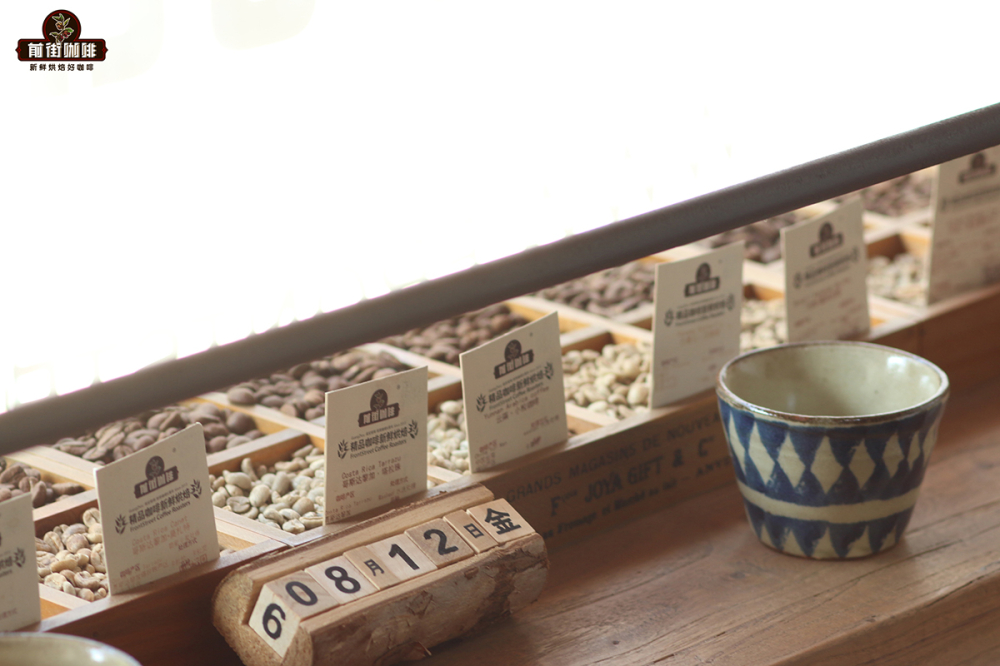
Introduction to Geisha Coffee and FrontStreet Coffee's Blended Offerings
Mention Geisha and most people think of Panama, because Panamanian Geisha has a flavor profile unlike anything else. When the conversation turns to Geisha blended beans, FrontStreet Coffee's Panama Flower Butterfly is the one that comes to mind, since it lets coffee lovers experience Geisha flavors at a relatively affordable price.
Costa Rica borders Panama, and Panama's Geisha was originally introduced from Costa Rica. So it is hardly surprising that, after Geisha made its name at Panama's Best of Panama (BOP) competition, Costa Rica began to recognize the potential of the variety. Today FrontStreet Coffee introduces a Geisha blend from Costa Rica.
The Mirazu Estate: Origin and Terroir
This FrontStreet Coffee Costa Rica Geisha blend comes from Mirazu Estate, a small farm in the Tarrazú region. The owner, Esteban Sanches, was originally part of the family behind the neighboring La Candelilla estate. Out of dedication to coffee he established his own farm and named it Mirazu, meaning "overlooking Tarrazú." True to its name, the site offers not only striking scenery but an excellent microclimate for coffee, laying a solid foundation for high-quality green beans.
Varietal Composition and Coffee Heritage
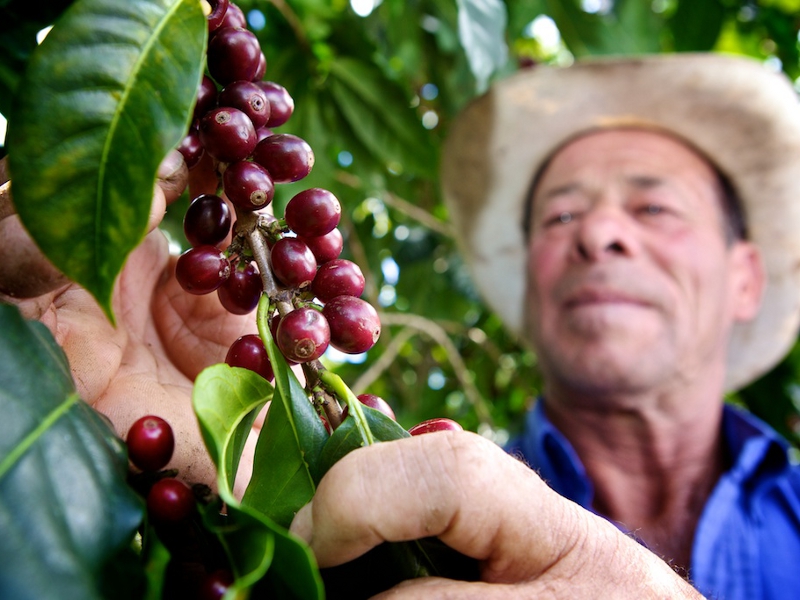
As the name suggests, FrontStreet Coffee's Mirazu Geisha blend contains 50% Geisha. Beyond Geisha it includes the ET47, SL28 and MAICO varieties. Geisha, considered one of the most promising coffee varieties, was first discovered in the Geisha forest of Ethiopia and later sent to the Kenyan Coffee Research Institute. In 1936 it reached Uganda and Tanzania, followed by Costa Rica in 1953, and eventually Panama in the 1970s, where it found instant fame.
ET47 descends from Ethiopian native varieties and native Geisha. In Costa Rica, wild Geisha is typically used for hybrid variety research; ET47 was laboratory sample number 47, since many varieties were introduced at the same time and identified by number. SL28 is a premium variety selected by Kenya's Scott Laboratories, carrying Bourbon genetics.
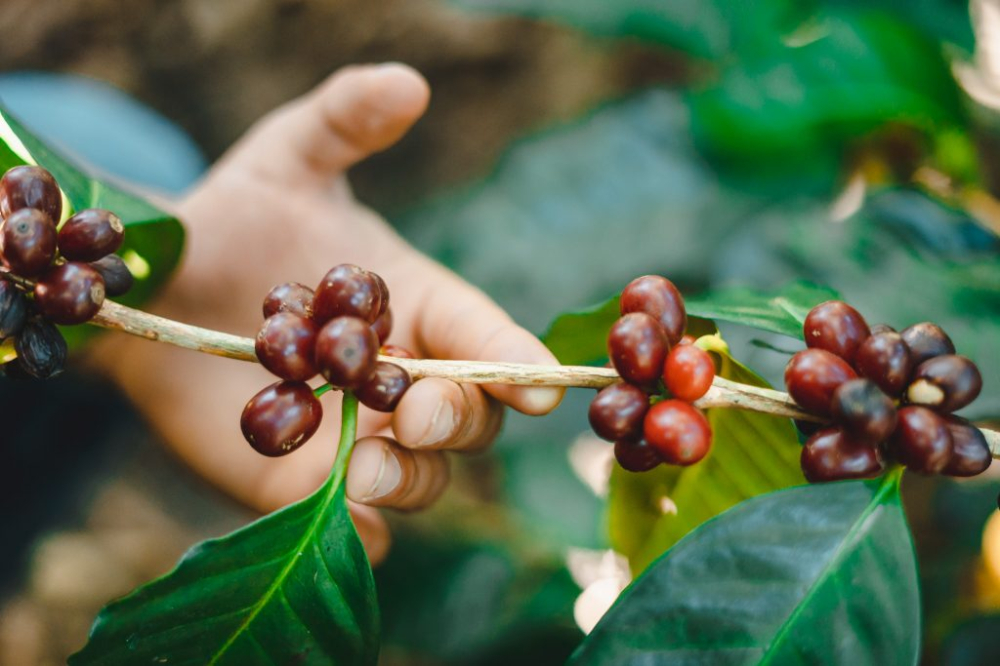
Although this FrontStreet Coffee Costa Rica Geisha blend appears to contain many varieties, it also demonstrates Mirazu Estate's excellent traceability and varietal classification. Some regions have only limited traceability, which leads to vague generalizations about coffee varieties.
Processing Method: Raisin Honey Process
This FrontStreet Coffee Mirazu Geisha blend uses Costa Rica's raisin honey processing, retaining 100% of the mucilage with zero water use. On the day of harvest the cherries are poured into large water tanks, where fully mature, dense fruit sinks while underdeveloped or overripe fruit floats and is removed. The selected cherries are dried on raised beds for at least three days, then the skin is removed while the mucilage is preserved for further drying. At this stage, climate is decisive for the success of honey processing.

During drying the cherries must be turned constantly for even moisture loss, but the turning frequency has to be controlled carefully: slow enough for proper fermentation, never so slow that it over-ferments.
Roasting Profile and Flavor Development
When FrontStreet Coffee received these Mirazu Geisha blend beans, the roaster considered both the processing method and the Geisha character. The aim was to express high sweetness while highlighting Geisha's floral and fruity acidity, so a medium-light roast was chosen.
Eight hours after roasting, FrontStreet Coffee cupped the beans. The cupping revealed a flavor profile of rose, strawberry candy, dried fruit and almond.
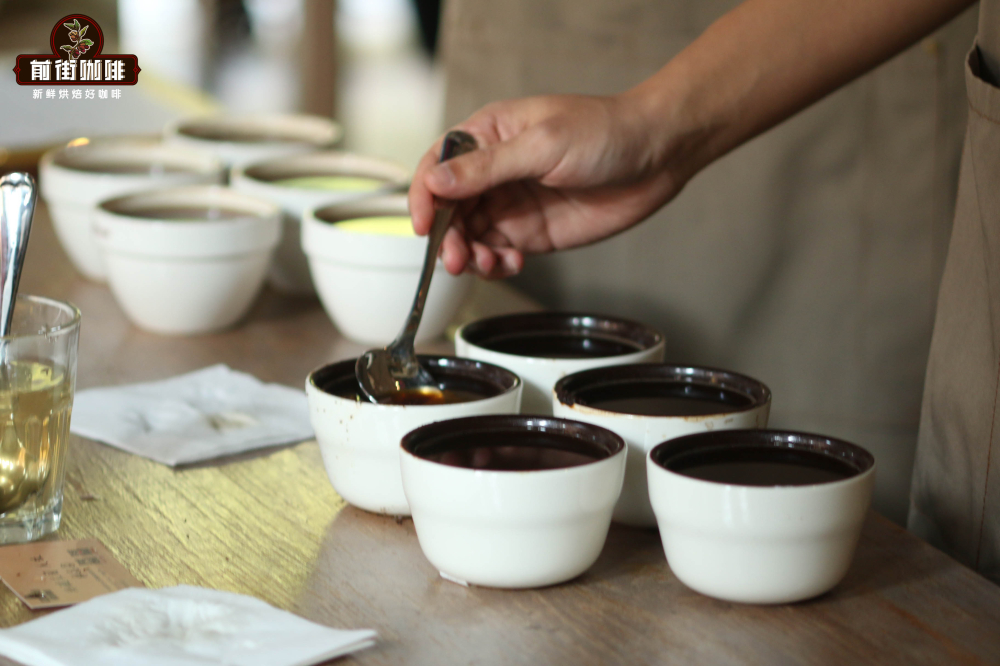
In this blend the Geisha variety supplies jasmine floral aromas while the other varieties enrich the strawberry and berry notes. Combined with the raisin honey process, the result is heightened sweetness, which is why FrontStreet Coffee also calls these beans "Strawberry Candy." When brewing, the goal is to bring out the floral and berry aromas along with the grape and strawberry flavors.
Brewing Recommendations
Before brewing, FrontStreet Coffee suggests using freshly roasted beans to get the most from the cup. Beans shipped by FrontStreet Coffee are all roasted within 5 days, because freshness has a major effect on flavor. FrontStreet Coffee's roasting philosophy is "freshly roasted quality coffee," ensuring that every customer who orders receives the freshest possible beans. The resting period is about 4-7 days, so the coffee arrives at its flavor peak.
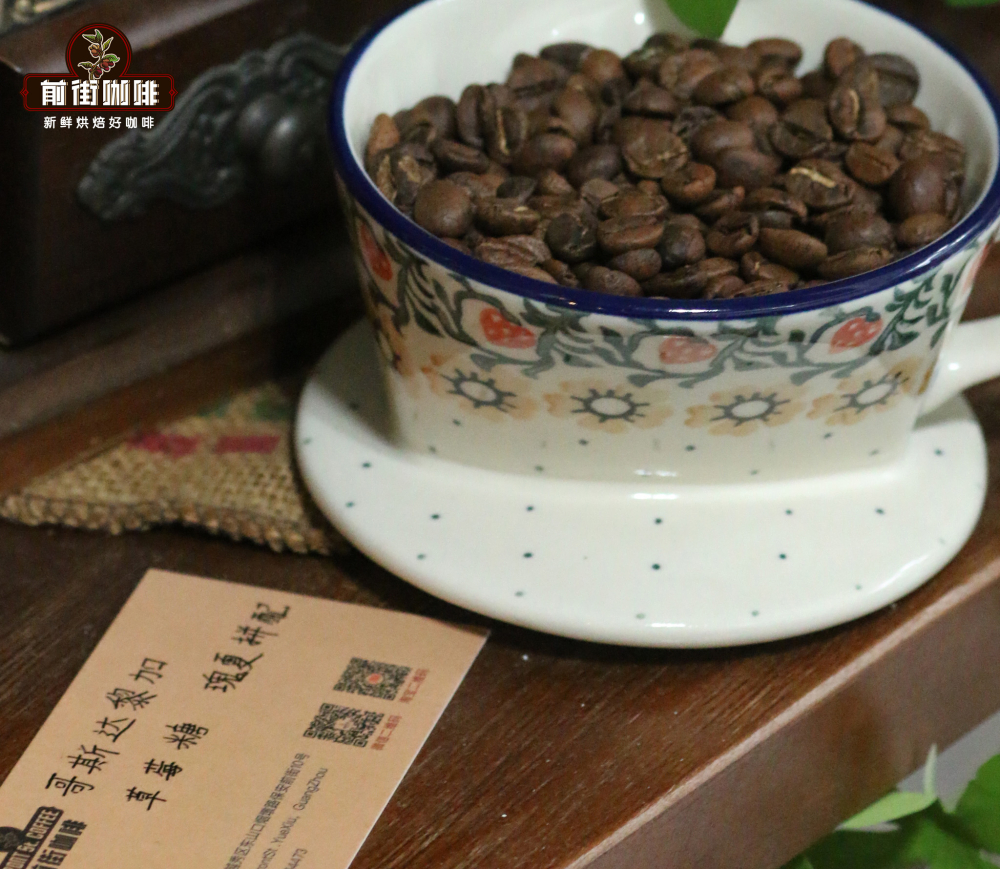
For brewing parameters, FrontStreet Coffee chose 15 g of coffee at a slightly finer grind, about 78-80% passing a #20 (850-micron) standard sieve, with a 1:16 coffee-to-water ratio. Stretching the ratio suits this particular coffee, giving a more aromatic expression from a sensory standpoint. After repeated brewing comparisons, 90-91°C water best expressed the aroma and sweetness of this Mirazu coffee, and a V60 dripper was used to enrich its layering.
Brewing Technique
Place 15 g of coffee in the dripper and pour 30 g of water for a 30-second bloom. Coffee processed with the raisin honey method absorbs water more easily and expands, releasing fresh berry aromas.
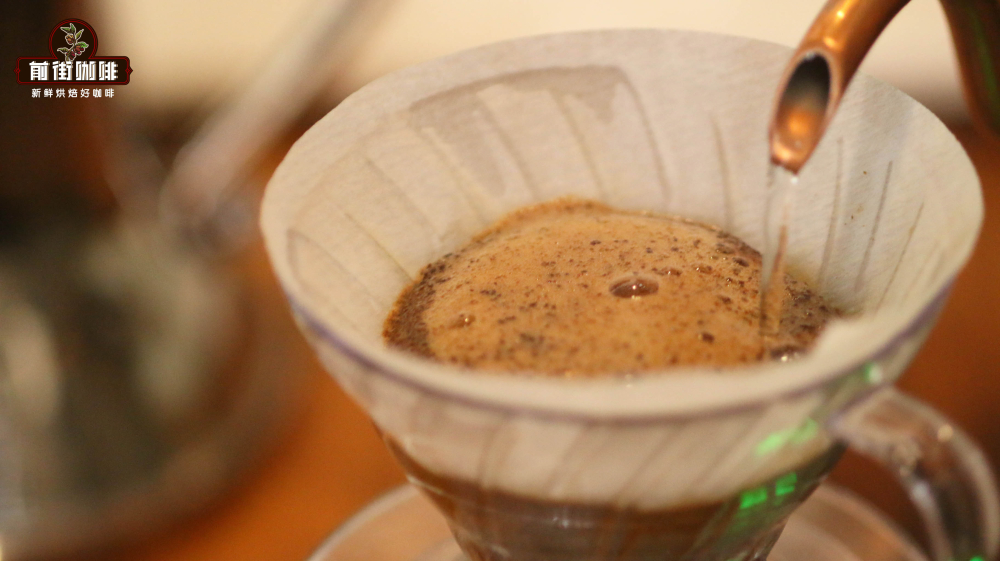
For the second pour, use a small stream in concentric circles to add 120 g of water; the bed will then sit at roughly the bottom of the ribs. As the bed begins to recede, make the final pour of 90 g. End extraction when all the liquid has dripped into the lower vessel, for a total time of 1 minute 50 seconds.
FrontStreet Coffee Recommendation
If this Mirazu blend is your introduction to Geisha, the next step up is FrontStreet Coffee's Panama Boquete Geisha, an entry-level Geisha that delivers the classic Panamanian tangerine-and-honey character, an oolong-tea sensation and fine fruit sweetness at a friendly price. For the full experience, FrontStreet Coffee's Esmeralda Red Label (Esmeralda Special) grows at 1,600-1,800 m, with each lot cupped above 90 points and traced to a single plot, while the Green Label (Private Collection) blends several plots to express the estate's signature high-altitude Geisha flavor at a more accessible price.
Ethiopian Geisha offers a brighter fruit acidity. FrontStreet Coffee's Grana Estate Geisha, from a single-variety farm near the Yirgacheffe and Gedeb border, is medium-light roasted and shows tangerine-like brightness, elegant ginger-lily aroma and ripe fruit sweetness with a delicate finish. For a farm-level challenge, FrontStreet Coffee's Gesha Village Gold Label (Gesha 1931) and Red Label (Gori Gesha) come from one of Ethiopia's rare large estates beside the original Gesha forest, with strict quality control and full traceability.
Geisha is a medium-light, floral-fruity coffee with a dense structure that can clog the dripper as it sinks. FrontStreet Coffee suggests a grind of about 78% passing a China-standard #20 sieve, close to fine sugar, with 91°C water, 15 g of coffee and a 1:16 ratio in a small Hario V60. Use three pours: 30 g for a 30-second bloom, then a slow circular pour to 125 g, then continue to 225 g once the bed drops by half, for a total extraction of about 2:10-2:20.
Important Notice :
FrontStreet Coffee is a long-established specialty coffee roaster in Guangzhou China, selling freshly roasted beans from its own farm in Yunnan as well as dozens of carefully selected single-origin beans from around the world for both pour-over and espresso. The products deliver consistently excellent quality and great value, with shipping within 24 hours. Guangzhou's FrontStreet Coffee shop is recommended by many coffee lovers, and the beans are now available online at the Tmall 。
FrontStreet Coffee has moved to a new address:
FrontStreet Coffee Address: 315,Donghua East Road,GuangZhou
Tel:020 38364473
 Scan and follow the En Gafei WeChat official account. Please indicate that the reprint comes from "En Gafei".
Three Main Processing Methods for Costa Rican Green Coffee Beans: The Red Honey Processing Process and Flavor Characteristics of Villa Estate Coffee Beans