Salvadoran Coffee Bean Processing Methods and Flavor Profile of Lemus Estate Black Honey Process
Coffee can be processed in many ways, and each method brings out a different flavor. Today, let's take a close look at the three main processing methods used for coffee beans from El Salvador.
In El Salvador — and throughout most of Central America — wet mills use mechanical depulpers such as the Jotagallo or Ecopulper. These machines first strip away the skin and pulp. An optional second step uses rapid spinning to mechanically remove the mucilage, stripping 80-90% of the mucilage off the parchment; the remainder stays on the beans through drying. That is the standard washed process.
Soaked and Double Soaked
Many Salvadoran coffees are soaked, meaning they go through an extra step of resting overnight in clean water to remove any remaining mucilage. There are several reasons to add this step, including a cleaner, more transparent cup profile and more uniform drying for a longer shelf life.
The newest experimental method is double soaking. All of the mucilage is left on the bean (skipping the spinning step), then the coffee is fermented underwater overnight, rinsed clean, and soaked for another 10 hours. This mirrors the traditional approach used for Ethiopian coffee. The idea is to take the same cherries and adjust only the pulping and fermentation to see how the flavor changes — and so far, the results have been excellent!
Honeys
More honey coffee is now produced in El Salvador than ever before. Producers leave all of the mucilage on the beans (full honey), with most of it dried on raised beds; some is dried on beds and patios in the shade.
Most of FrontStreet Coffee's Salvadoran lots are honey processed — especially the Lemus Estate black honey, which offers a citrus and berry profile with a cocoa finish and no bitterness.
Naturals
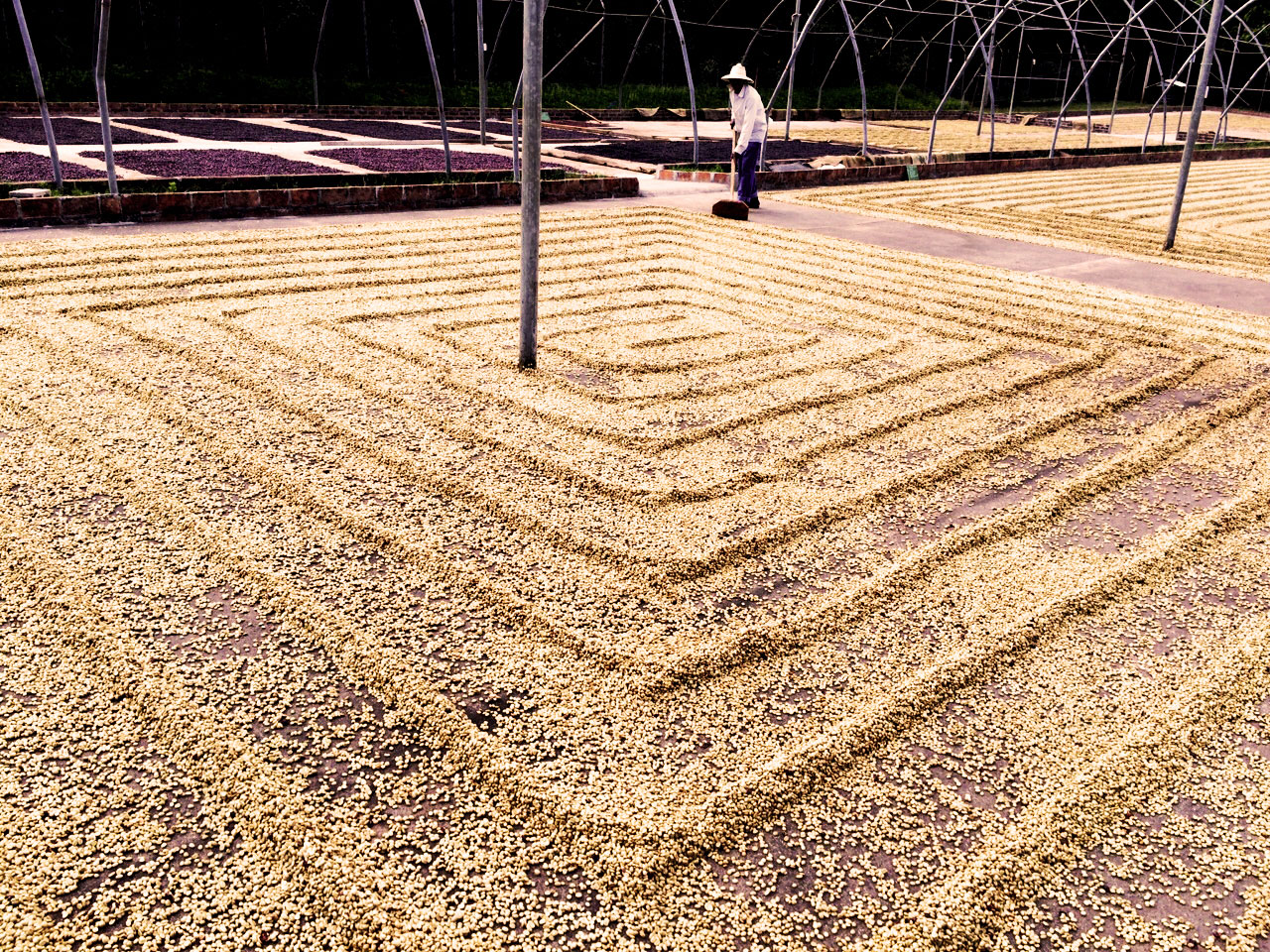
As for naturals, most are dried in full sun on raised beds, while some lots are dried on beds and patios under shade.
Drying
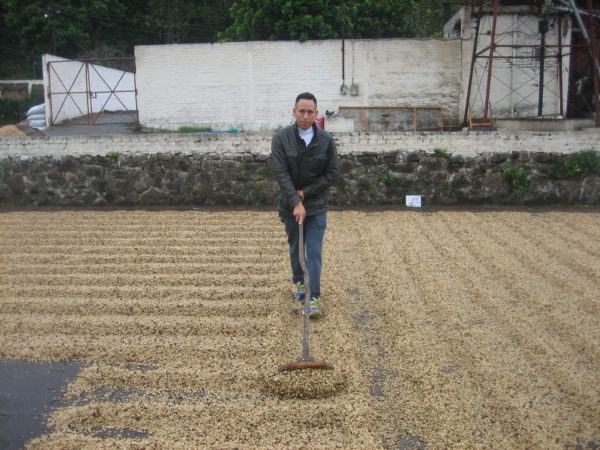
Drying has traditionally been done on concrete or clay patios, but many producers have also moved to raised drying beds. Temperatures and drying times vary with altitude, though this can be managed by layering the cherries on the beds. Many Central American coffees fade quickly and taste past their prime within 6 months of harvest — largely a drying issue, since coffee can unintentionally be dried in as little as 2-4 days. El Salvador has discussed and trialed ways to extend drying time extensively. In most cases the coffee can be layered and the parchment covered partway through to slow the process and achieve more even drying, which improves both aging potential and cup profile.
FrontStreet Coffee Recommendation
FrontStreet Washed Yirgacheffe (entry-level classic): the first stop for tasting Ethiopian specialty coffee. Expect distinct jasmine florals and bright citrus acidity, a light, elegant, tea-like body — like a crisp, clean lemon tea. Yirgacheffe is a small town in southern Ethiopia where spring-like temperatures, drifting mist, and cool humidity let thousands of coffee trees thrive, giving the region its signature interplay of florals and fruit acidity.
FrontStreet Natural Red Cherry (sun-dried): a full-red-cherry natural from the same Yirgacheffe terroir. Damaged and moldy cherries are removed before the fruit dries in the sun for two weeks, letting the sugars and essence of the fruit soak into the bean until moisture falls to 12%; the dried skin, mucilage, and parchment are then hulled off, and the beans pass density and color checks plus meticulous hand sorting. The result is an exceptionally clean cup with a rich, captivating fruit character: peach, cocoa, honey, and lemon.
Important Notice :
FrontStreet Coffee is a long-established specialty coffee roaster in Guangzhou China, selling freshly roasted beans from its own farm in Yunnan as well as dozens of carefully selected single-origin beans from around the world for both pour-over and espresso. The products deliver consistently excellent quality and great value, with shipping within 24 hours. Guangzhou's FrontStreet Coffee shop is recommended by many coffee lovers, and the beans are now available online at the Tmall 。
FrontStreet Coffee has moved to a new address:
FrontStreet Coffee Address: 315,Donghua East Road,GuangZhou
Tel:020 38364473
 Scan and follow the En Gafei WeChat official account. Please indicate that the reprint comes from "En Gafei".