Introduction to Costa Rican Coffee Estate Honey Processing Characteristics and Flavor Profile Quality
Discovering Costa Rica's Coffee Culture
You have likely heard about Costa Rica's wildlife, lush tropical rainforests, and breathtaking beaches, all of which have made it world famous. But there is another reason to add Costa Rica to your travel list: coffee.
Beyond winning prestigious awards in international competitions, Costa Rican coffee has become more than just an economic boost to local culture. This brief guide shows where you can enjoy this delicious tradition on your next trip. If you are interested, FrontStreet Coffee invites you to read on about some history, common questions, and places related to Costa Rican coffee culture.
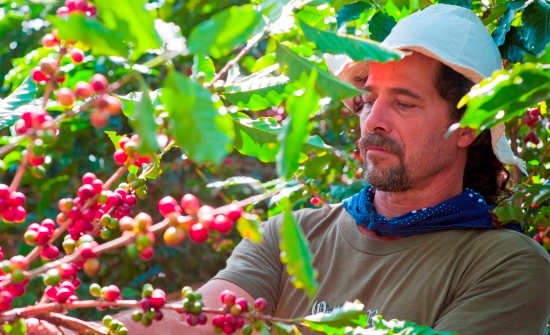
Costa Rica offers the ideal combination of conditions for producing high-quality coffee: higher altitudes, fertile volcanic soil, a cool climate, and consistent rainfall, resulting in beans with excellent flavor and aroma.
The Tres Rios region near the Pacific coast produces coffee that is mild, sweet, and bright. The Tarrazu region, in Costa Rica's inland mountains, produces coffee that is relatively heavier with more complex aromas (Knox, 53). La Minita Estate is one of Costa Rica's most sought-after coffees.
Coffee Source produces coffee in the Tres Rios, Doka, and Tarrazu regions. Each Costa Rican plantation listed in this source is a model of ecological and social excellence. They sell delicious coffee beans as well as organic coffee beans.
Hacienda Espiritu Santo
This 600-plus-acre coffee plantation, in the town of Naranjo just outside San Jose, offers immersive, detailed tours of the Hacienda Espiritu Santo facilities. The journey is divided into 7 stations, from the first steps of maintaining the coffee crop to the showroom or cottage, where you will see traditional Costa Rican coffee brewing, the coffee chorreado.
You continue learning about the harvesting and roasting processes and all the work involved in producing coffee beans. You will also learn about the evolution of the production process and the role of the national symbol, the oxcart, and how it was used to transport coffee.
Finca Rosa Blanca Coffee Plantation Tour
Finca Rosa Blanca is a boutique-style hotel that gives guests the chance to explore its famous coffee plantation. This is a fun activity in the greater Central Valley region, less than 1 hour from San Jose International Airport. Enjoying views of nearby volcanoes, the beautiful green surroundings make this a relaxing, easy way to enjoy an authentic Costa Rican holiday.
Learn how organic coffee is grown, harvested, dried, and processed. During the harvest season, from October to January, you can even join the picking. If you want to take your love of coffee to the next level, the tour shows how experts test and evaluate delicious coffee. Practice your skills at the coffee bar and make your favorite. After learning so much, relax and take a seat on the spacious deck while breathing in the fresh air of the Central Valley.
Doka Estate
Located on the slopes of Poas Volcano, Doka Estate is one of Costa Rica's largest coffee and sugarcane plantations. This family business represents agricultural heritage and national history, and according to UNESCO you will find the country's oldest wet mill here. Enjoy a guided walk around the charming hotel and note all the processes that go into making quality coffee.
Hacienda Alsacia
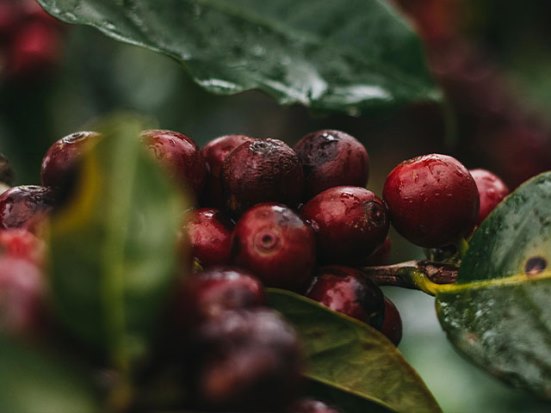
Located at the foot of Costa Rica's volcanoes, Hacienda Alsacia is Starbucks' first and only coffee farm. Despite the company's large structure, Starbucks aims to make coffee cultivation more profitable for small-scale farms, to learn more about the daily struggles coffee farmers face, to develop the next generation of disease-resistant high-quality coffee, and to share resources and information with farmers worldwide. They also aim to lead in sustainable agricultural practices.
Coffee Plantations of Santa Maria Dota
The coffee plantations of Santa Maria Dota begin a full-day experience from the Santa Juana Lodge on the South Pacific coast. Hop aboard a 4x4 vehicle and awaken your adventurous spirit. Cross the Fila Chonta mountain ridge in Tarrazu. Arrive at the coffee plantations in the Los Santos region, considered to produce the best coffee in Costa Rica.
FrontStreet Coffee Recommendation
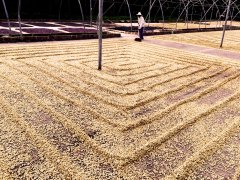
Costa Rica's signature contribution to coffee is honey processing, and FrontStreet Coffee's Blackberry coffee is a standout example. It uses a distinctive black honey process, in which almost none of the mucilage is removed: drying takes longer, at least two weeks, and covers are used to keep strong sunlight from drying the beans too quickly so the sugars can fully convert. The beans must be turned at intervals to prevent uneven heat and over-fermentation, making black honey processing especially labor-intensive. Roasted light-medium, FrontStreet Coffee's Blackberry gives off a rich floral fragrance when ground and drinks with the distinctive flavors of grape, berry, and ripe blackberry.
For a blend built on the same idea, FrontStreet Coffee's Strawberry Candy combines Panama Geisha with Costa Rican coffee. The Geisha supplies the classic orange-blossom honey, while the Costa Rican component uses a raisin honey process that retains 100% of the mucilage with a zero-water method: ripe cherries are floated to remove the underdeveloped and overripe ones, dried on raised beds for at least three days, then depulped and dried again while being turned constantly for evenness. The result keeps Geisha's floral-tea character alongside the clean aroma of grape and raisin, soft fruit acidity, an almond finish, and clear sweetness.
FrontStreet Coffee's Costa Rica Mozart takes this further with an innovative raisin honey method, a modified version that goes beyond the traditional yellow, red, and black honey styles. In raisin honey processing the coffee cherries are pre-dried on raised beds for at least three days before the skin and pulp are removed, and then the honey steps continue. It retains 100% of the mucilage, which makes it harder to control than even black honey and demands strict timing. The reward is a richer, hotter fruit sweetness; whether brewed as pour-over, cold brew, or in a moka pot, FrontStreet Coffee's Mozart offers the distinctive aromas of osmanthus, pineapple, and raisin.
Important Notice :
FrontStreet Coffee is a long-established specialty coffee roaster in Guangzhou China, selling freshly roasted beans from its own farm in Yunnan as well as dozens of carefully selected single-origin beans from around the world for both pour-over and espresso. The products deliver consistently excellent quality and great value, with shipping within 24 hours. Guangzhou's FrontStreet Coffee shop is recommended by many coffee lovers, and the beans are now available online at the Tmall 。
FrontStreet Coffee has moved to a new address:
FrontStreet Coffee Address: 315,Donghua East Road,GuangZhou
Tel:020 38364473
 Scan and follow the En Gafei WeChat official account. Please indicate that the reprint comes from "En Gafei".