Costa Rica Las Haras Hand-Picked Coffee Beans Roast Level and Flavor - 100% Arabica
The Growing Environment of Costa Rican Coffee Beans
Costa Rica has real advantages when it comes to producing high-quality coffee with excellent aroma and flavor, thanks to its high altitude, fertile volcanic soil, warm temperatures, stable rainfall, and tropical climate.
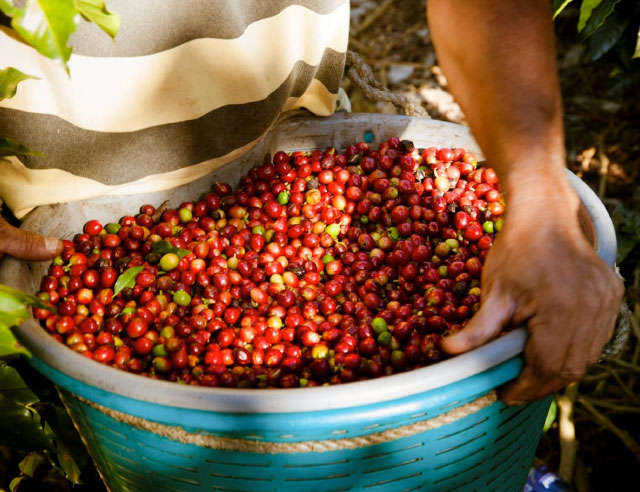
Arabica coffee comes from delicate plants that need specific conditions to thrive, including high altitude and moderate temperatures. In Costa Rica, the mountains and the warm climate provide the perfect setting for growing the highest quality Arabica.
Costa Rica has only two seasons, dry and rainy, and both give coffee an ideal climate. The annual temperature varies by only about 10 degrees, ranging between 17 to 28°C (63 to 80°F). Over 80% of the most popular growing areas sit between 800-1,600 meters (2,624-3,280 feet), with average rainfall between 2,000-3,000 millimeters (78-118 inches).
Heavy rainfall and high altitude create ideal farmland and striking scenery. More than 70% of the coffee grows in mountainous areas with significant altitude variation. All of these factors shape the aroma, body, flavor, and acidity of the coffee. The soil is rich in volcanic ash, which oxygenates the beans and gives them richer flavors. The diversity and beauty of the natural climate make Costa Rica an ideal place to live, to visit, and to grow coffee.
FrontStreet Coffee's Costa Rican Coffee
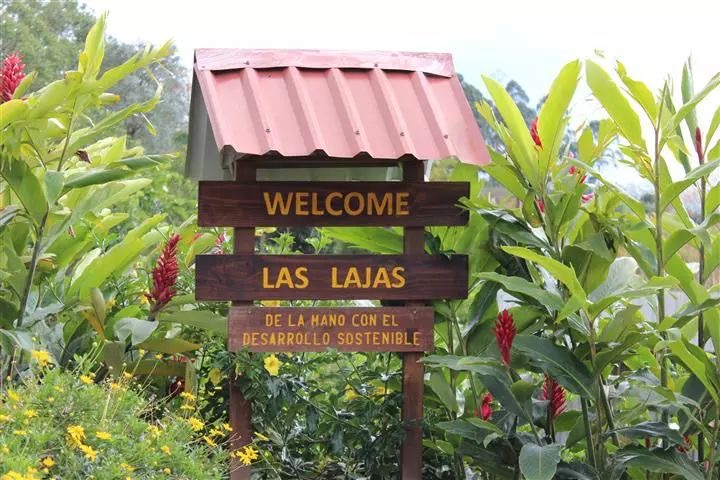
FrontStreet Coffee's red honey processed coffee beans come from the Las Hadas Estate in Costa Rica's Central Valley, near the Central Volcano and not far from the capital, at altitudes between 1,250-1,500 meters. The estate produces approximately 55,200 kilograms of coffee a year and is one of the most popular estates among coffee enthusiasts worldwide.
To roast this coffee, FrontStreet Coffee starts the beans at a relatively low temperature and follows a single-roast curve, setting the roast degree to medium so the solid, viscous mouthfeel of honey processing comes through. When hot, cupping reveals chocolate and caramel; as the temperature drops during cupping, notes of nectarine and green grape acidity emerge.
Quality Characteristics of Costa Rican Coffee
100% Arabica Coffee Beans
Costa Rica is in fact the only country in the world that prohibits the production of any coffee below 100% Arabica, the highest quality. Arabica is among the most difficult coffees to grow, but the result is a richer, higher-quality cup.
Hand-picked Beans
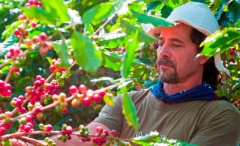
To produce delicious coffee, Costa Rican beans are picked by hand. Only the most mature beans are selected and then processed by professionals.
Fun Coffee Facts
Low-quality Coffee is Actually Illegal
Costa Rica is the only country in the world where producing any coffee other than 100% Arabica, the highest quality beans, is actually illegal. A law passed in 1989 banned the cultivation of inferior beans and pushed Costa Rican farmers toward true excellence.
Arabica is a special bean that is harder to grow than the more hardy varieties. When it matures, the result is a rich, intense flavor that makes for quality blends. In Costa Rica, coffee growing is taken seriously, and only the best is offered, which is why only Arabica is grown.
Good Beans are Actually Environmentally Friendly
Whether you visit the country or enjoy a blend at home, you can be confident you are not causing waste or harmful agricultural practices. Costa Rica has laws protecting 21% of its land, one way the country shows its commitment to protecting the planet.
Costa Rican culture encourages people to love the land and protect its habitats. The commitment to sustainable, ethical growing is well founded. The way the coffee is grown is better for the planet, better for farmers, and produces some of the most delicious coffee in the world.
FrontStreet Coffee Recommendation
Honey processing began as a variant of the semi-washed method: the skin is removed first, then the beans are dried in the sun, which cuts the drying time while avoiding the off-flavors caused by poor fermentation. Brazil proved how well it can work, and Costa Rica refined it, dividing it into white, yellow, red, and black honey depending on how much mucilage is kept and how long the beans dry.
FrontStreet Coffee's Costa Rica Blackberry uses a black honey process that removes almost none of the mucilage, so the beans dry for at least two weeks under cover, turned at intervals so they ferment evenly and the sugars convert fully. It is a high-altitude single origin with natural floral and fruit aromas, roasted medium-light, and it brews into sweet florals, grape, sweet orange, and chocolate liqueur notes.
FrontStreet Coffee's Strawberry Candy blend takes a different angle, combining Panamanian Geisha with Costa Rican coffee processed as raisin honey that keeps 100% of the mucilage with a zero-water method. The cherries are floated to remove underdeveloped and overripe fruit, dried on raised beds for at least three days, then pulped and dried while being turned constantly. The blend brings rose, strawberry candy, and raisin aromas together with balanced grape and citrus acidity and an almond finish. It works as pour-over or cold brew, and it also extracts cleanly as espresso, with good crema and a creamy body that makes Americanos and lattes easy. FrontStreet Coffee's Costa Rica Mozart, meanwhile, uses the innovative raisin honey approach, drying the cherries on raised beds for at least three days before pulping, a method that is even harder to control than black honey and rewards the effort with osmanthus, pineapple, and raisin aromas in pour-over, cold brew, or moka pot.
Important Notice :
FrontStreet Coffee is a long-established specialty coffee roaster in Guangzhou China, selling freshly roasted beans from its own farm in Yunnan as well as dozens of carefully selected single-origin beans from around the world for both pour-over and espresso. The products deliver consistently excellent quality and great value, with shipping within 24 hours. Guangzhou's FrontStreet Coffee shop is recommended by many coffee lovers, and the beans are now available online at the Tmall 。
FrontStreet Coffee has moved to a new address:
FrontStreet Coffee Address: 315,Donghua East Road,GuangZhou
Tel:020 38364473
 Scan and follow the En Gafei WeChat official account. Please indicate that the reprint comes from "En Gafei".