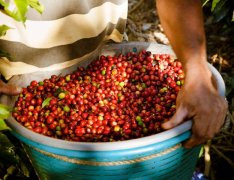
The Historical Story of El Salvador COE Competition Champion Coffee Estate Potosí - Introduction to Finca Los Olivos
El Salvador's Coffee Industry: A Brief Overview
Coffee has been vital to El Salvador's economic growth, acting as a catalyst for road and railway construction. Though no longer as central to today's economy, coffee remains one of the country's signature crops: plantations occupy 12% of El Salvador's cultivated land and employ approximately 135,000 workers.
Coffee Estates from El Salvador Shared by FrontStreet Coffee
FrontStreet Coffee would like to share a few notable El Salvador estates with you.
Potosí Estate: A Premier Coffee Destination
First and foremost is the Potosí Estate, located in San Ignacio Los Pozitos, Chalatenango Province.
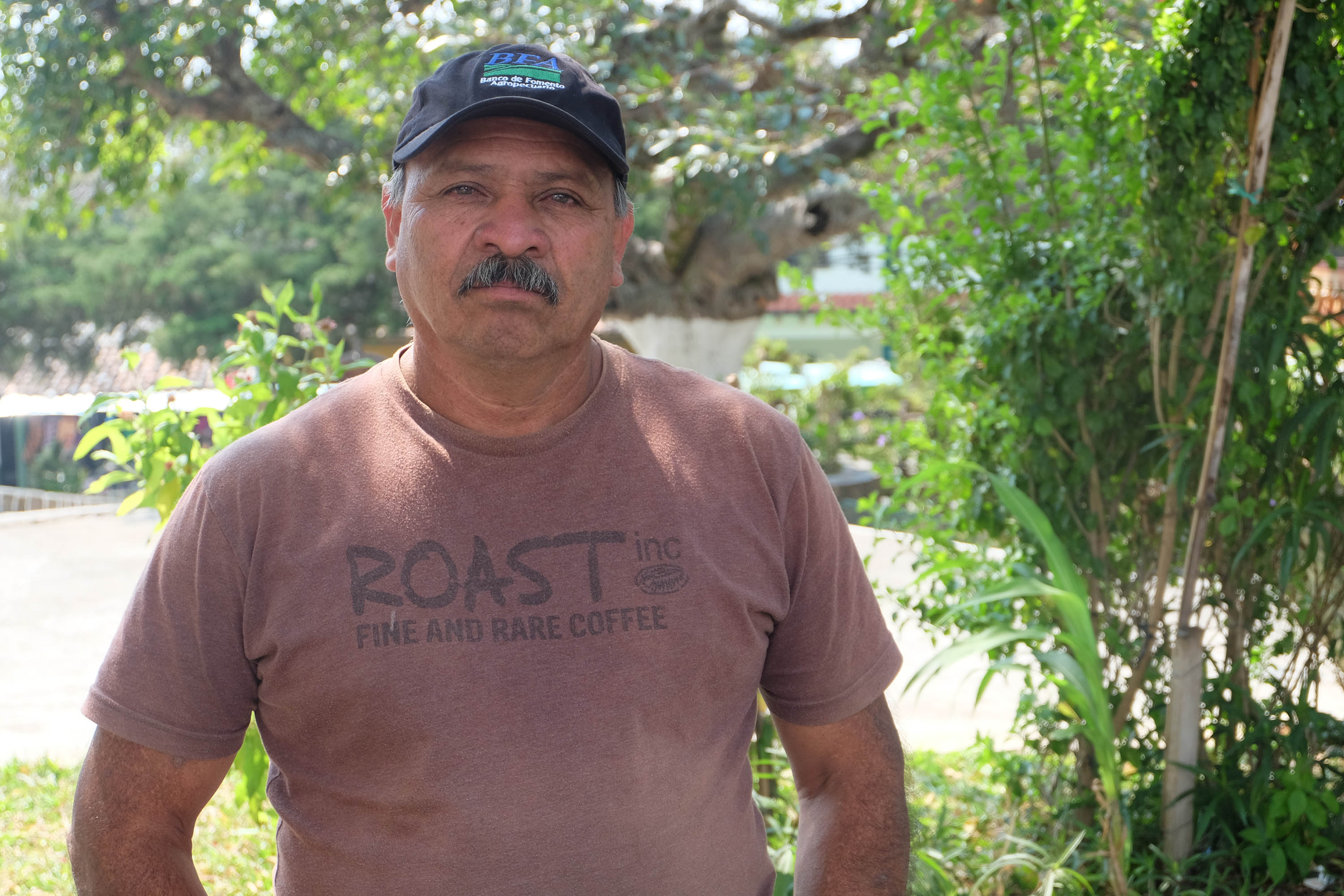
While many importers focus their El Salvador sourcing on the larger, mostly Bourbon-variety farms in and around Santa Ana, high-quality beans also come from the country's more remote areas - Chalatenango farms being a typical example.
Don Ignacio, the estate owner, has a long history in agriculture: before starting coffee cultivation in 2000, he grew timber and tomatoes, founding his farms La Roxanita and Los Pocitos with 500 coffee trees. He grows coffee on approximately 5 manzanas of fertile Salvadoran soil and produces excellent coffee year after year: in 2011, 2013, and 2015, his coffee took first place in the Cup of Excellence (CoE).
He grows a large number of heirloom varieties, some washed and others honey processed.
Finca Lemus: A Sustainable Coffee Haven
Finca Lemus, in El Salvador's Apaneca mountain range, introduced in previous articles, is another of FrontStreet Coffee's favorite estates.
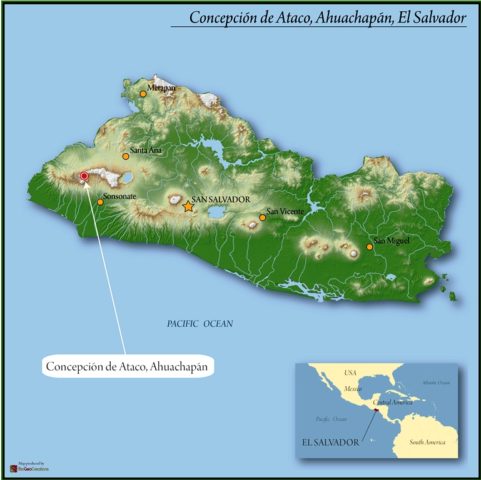
Finca Lemus Bella Vista sits in Concepción de Ataco, Ahuachapán Province. It is a 37-acre farm owned by Thelma de Gutierrez and managed by her husband, José Enrique Gutiérrez. Drawing on their experience as third-generation coffee producers, the couple works to improve the farm's productivity and health - including producing and applying microbial compost tea on site. Over the past two years they have also diversified the farm with bean production, which safeguards the family's food security while fixing nitrogen to promote coffee plant health and cherry production. The farm sits at 1,200 meters, and its varieties include Bourbon, Catuai, and SARCHIMOR.
Finca El Corozo: Resilience and Quality
El Salvador's Finca El Corozo is equally appealing. This delicious coffee, grown in volcanic soil between 4,500 and 5,300 feet, is full of complex flavors. The farm lies on the slopes of the Ilamatepec mountain in Santa Ana Province - an area devastated by the 2005 volcanic eruption, which buried the farm under more than a foot of volcanic ash. Fernando Lima rebuilt it, planting Pacamara and Bourbon, aided in part by the fertile volcanic soil. Finca El Corozo is sourced and directly traded by KIN + ILK in partnership with Clifton Coffee.
Finca Piemonte Millenium Coffee from El Salvador
A complex and balanced coffee with hints of creamy orange, cherry, and pleasant sweetness.
Even within a single country, every plot of soil is different and yields a unique local lot. Micro-lots come from very small areas, meaning their flavors are not blended with coffees from other parts of the country - this is the purest expression of local terroir you can get without visiting the farm yourself. It even carries Rainforest Alliance certification, so every purchase helps protect the rainforests.
- Location: Apaneca, Ahuachapán, El Salvador
- Altitude: 1,300-1,500 m above sea level
- Variety: Millenium
- Process: Washed, dried on raised beds
- Roast: Medium
FrontStreet Coffee Recommendation
If El Salvador's honey-processed heritage intrigues you, FrontStreet Coffee's Costa Rica Blackberry is the style perfected: a black honey process that retains nearly all the mucilage and dries for at least two weeks under shade covers, then roasted medium-light for floral aromatics and grape, berry, and ripe blackberry flavors. For a lighter honey take, FrontStreet Coffee's Mozart uses raisin honey processing with 100% of the mucilage kept, yielding osmanthus, pineapple, and raisin sweetness in a beautifully balanced cup.
Important Notice :
FrontStreet Coffee is a long-established specialty coffee roaster in Guangzhou China, selling freshly roasted beans from its own farm in Yunnan as well as dozens of carefully selected single-origin beans from around the world for both pour-over and espresso. The products deliver consistently excellent quality and great value, with shipping within 24 hours. Guangzhou's FrontStreet Coffee shop is recommended by many coffee lovers, and the beans are now available online at the Tmall 。
FrontStreet Coffee has moved to a new address:
FrontStreet Coffee Address: 315,Donghua East Road,GuangZhou
Tel:020 38364473
 Scan and follow the En Gafei WeChat official account. Please indicate that the reprint comes from "En Gafei".