Are Oily Coffee Beans Fresher and More Delicious? Do Oily Coffee Beans Have Higher Calories and Are They Better for Espresso or Pour-Over?
Do Oily Coffee Beans Mean Fresher and More Flavorful? Are Oily Beans Higher in Calories, and Better for Espresso or Pour-Over?
Today, FrontStreet Coffee is here to clear up all the confusion around oily coffee beans.
Misconception 1: Oily Coffee Is Fresher
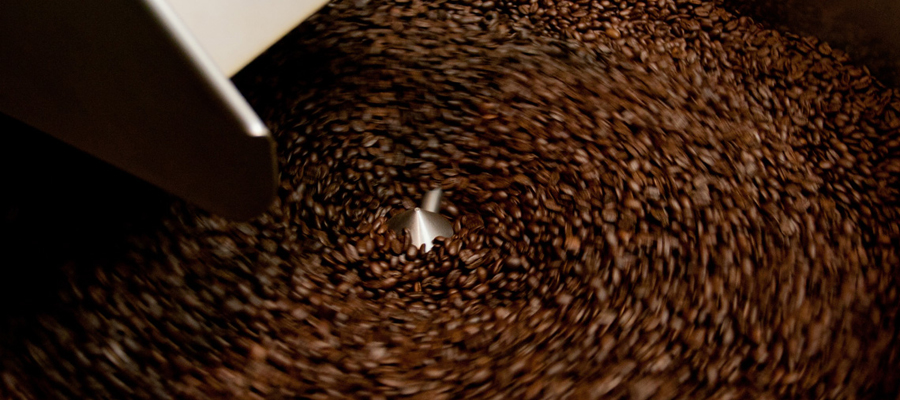
It seems logical — glossy, shiny beans look fresh and appealing. But a bean's sheen is not a reliable indicator of its age. Dark-roasted beans naturally push oils to the surface much faster than lighter roasts, so a dark roast can look oily while still relatively fresh, while a light roast may stay dry even as it ages. (Decaf is another wildcard: the cell structure weakens during decaffeination, which affects how oils migrate.) The only dependable way to judge freshness is to look for a roast date on the bag — there's no formula that tells you how much oil should appear after a given number of weeks or months.
Misconception 2: Coffee Oil Is Part of What Makes Coffee Delicious
Like any oil, coffee oils turn rancid when exposed to light, oxygen, and heat for too long. If the oil on the surface is the result of beans sitting around, it will only drag the cup down. This is why dark roasts deserve extra care: storing them in a cool, dark place is your best defense against staling.
Misconception 3: Coffee Brewed from Oily Beans Has Higher Fat Content
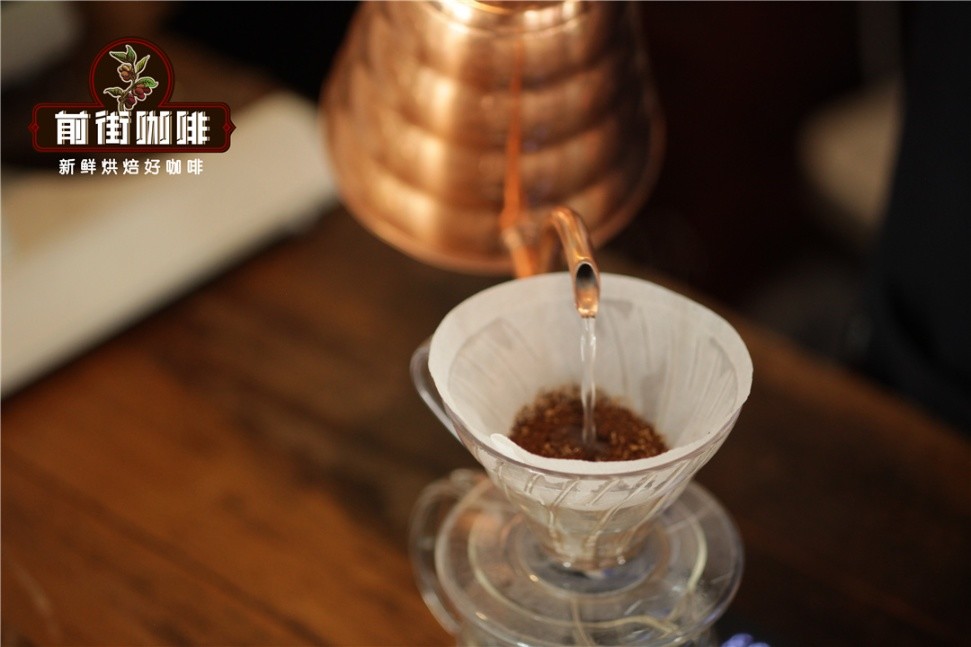
Because oil doesn't dissolve in water, most brewing methods leave lipids behind — pour-over paper filters catch them especially well. According to Karl Speer and Isabelle Kölling-Speer's 2006 report, "The Lipid Fraction of the Coffee Bean": "Filter coffee prepared with conventional household coffee machines contains less than 0.2% lipids. In contrast, during the preparation of espresso, 1% to 2% of the lipids... pass from the finely ground espresso into the beverage."
Paper filters are far more efficient at retaining and absorbing coffee oils, while perforated metal or mesh — the portafilter basket on an espresso machine, or the mesh screen of a French press — has larger openings that let more oil pass into the cup.
That mainly means espresso (or French press coffee) has a heavier, creamier mouthfeel — not that it's dramatically higher in fat or calories. Filter coffee might contain 1 to 3 calories per 8-ounce cup, while a 2-ounce shot of espresso has roughly 5 calories, mostly from the oils that make it into the beverage. Espresso's thickness comes from concentration rather than sheer quantity of fat.
FrontStreet Coffee Recommendation
If you're new to pour-over and looking for a dripper that's practical, easy to learn on, and good-looking, most experienced brewers will point you straight to the Hario V60. Hario, founded in Tokyo in 1921, began as a maker of heatproof laboratory glassware; in 2004 it redesigned the V60 into the form we know today, named for its distinctive 60-degree cone. That shape forces water toward the center before it drips through, extending contact time between water and grounds so aroma and flavor extract fully, while the single large outlet puts flow control — and therefore the final flavor — squarely in the brewer's hands.
The V60's fast extraction style pairs best with light-roast, floral-and-fruit-forward beans. FrontStreet's Yirgacheffe Guodingding, with its bright citrus, berry, and floral notes and a green-tea-like sweetness, is a wonderfully approachable first pour-over; the Ethiopia Huagui bursts with tropical fruit — strawberry, passion fruit, even lychee — with barely any bitterness; and the Panama Esmeralda Red Label Geisha, with its elegant jasmine and bergamot character, is the legendary choice for a special occasion. For darker, low-acid preferences, the FrontStreet PWN Gold Mandheling delivers a thick, herb-and-dark-chocolate body that shows how versatile your brewing setup can be.
Important Notice :
FrontStreet Coffee is a long-established specialty coffee roaster in Guangzhou China, selling freshly roasted beans from its own farm in Yunnan as well as dozens of carefully selected single-origin beans from around the world for both pour-over and espresso. The products deliver consistently excellent quality and great value, with shipping within 24 hours. Guangzhou's FrontStreet Coffee shop is recommended by many coffee lovers, and the beans are now available online at the Tmall 。
FrontStreet Coffee has moved to a new address:
FrontStreet Coffee Address: 315,Donghua East Road,GuangZhou
Tel:020 38364473
 Scan and follow the En Gafei WeChat official account. Please indicate that the reprint comes from "En Gafei".