Perfect Piccolo Latte & Flat White: Mastering Milk Foam Temperature and Thickness
Introduction
In the world of coffee drinks, espresso is the ultimate all-rounder. Pair it with milk and the ratio of milk to coffee, along with the thickness of the foam, produces a whole family of names: latte, cappuccino, dirty coffee, flat white, piccolo latte and more. Among them, the piccolo latte and the flat white have become must-tries on many people's lists. Both are rich, hot milk coffees, so what actually separates them?
What is Flat White?
Flat White is a milk coffee that originated in Australia, though some claim it came from New Zealand. Its main characteristics come from a rich coffee flavor and a relatively thin layer of milk foam.
What is Piccolo Latte?
The original name is "piccolo latte." In Italian, "piccolo" means small and "latte" means milk, so piccolo latte can be understood as a small latte. How small? Traditional piccolo coffee uses 15-20 milliliters of espresso added to steamed milk. These days it is generally poured into a 100-milliliter specialty cup for drinking.
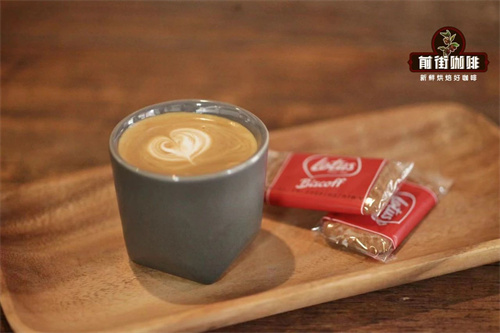
How to Make Flat White?
For the base of a Flat White, FrontStreet Coffee uses Sunflower Warm Sunshine blend beans to extract a double shot of concentrated coffee. The extraction parameters are 20 g of coffee grounds to 35 g of coffee liquid, with an extraction time of 26 seconds. (FrontStreet Coffee would remind you that each coffee bean extracts slightly differently, so the final plan should be adjusted to the actual situation.)
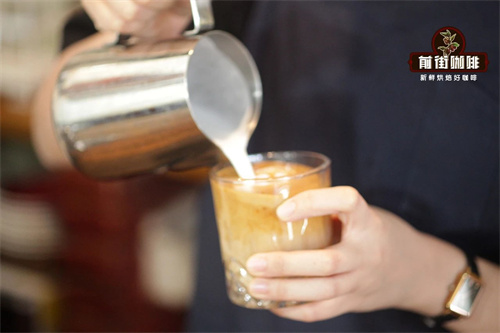
Milk Frothing Part
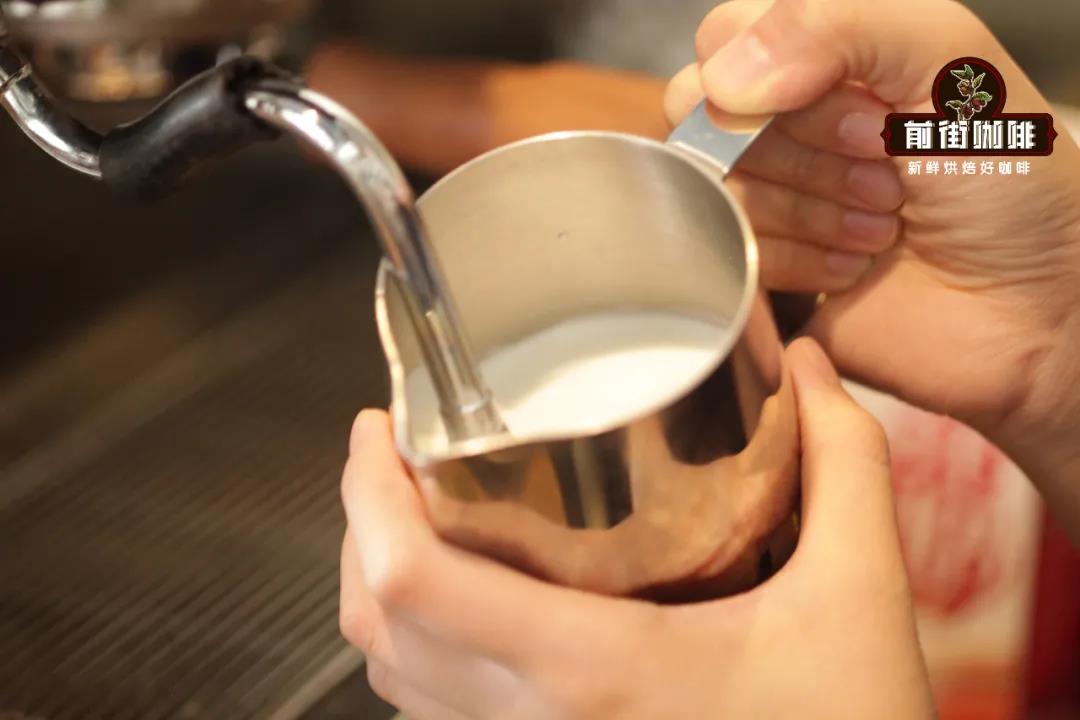
For Flat White, the milk foam thickness is about 1 cm. Beyond richness, the soul of a Flat White lies in the silky texture of the foam on the palate. Milk should be frothed to a temperature between 55°C and 65°C. A temperature that is too high not only destroys the nutritional value of the milk but also creates a grainy texture.
FrontStreet Coffee makes Flat White with a milk-to-coffee ratio of 1:5, so we choose a 200 ml cup as the serving vessel. Finally, mix the frothed milk evenly with the extracted espresso.
How to Make Piccolo Latte?
By tradition, piccolo latte coffee is 3-4 ounces in volume. In 2015, World Coffee Championship winner Sasa made piccolo coffee in a 3-ounce cup, with a milk-to-coffee ratio of 1:2 for blending and a light layer of milk foam on top. The right balance of coffee to milk lets the coffee flavor stand out without becoming too strong.
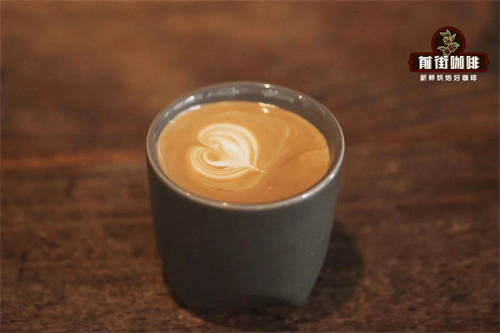
The base for a piccolo latte also uses Sunflower Warm Sunshine blend beans, this time extracting a single shot of espresso. FrontStreet Coffee's parameters are 12 g of coffee grounds to 30 g of coffee liquid, with an extraction time of 23 seconds. This, too, should be adjusted to the actual situation.
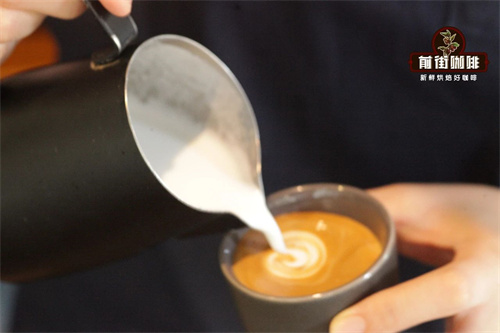
Milk Frothing Part
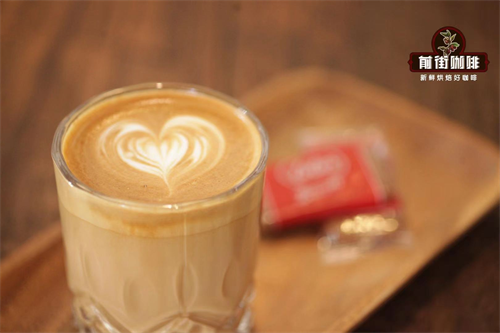
FrontStreet Coffee uses a 350 ml milk pitcher, pouring in 100 ml of milk, since too little milk is difficult to froth, and steams it. A piccolo latte has thinner milk foam than a Flat White, about 0.5 cm thick, and the milk is also frothed to between 55°C and 65°C.
FrontStreet Coffee uses a 100 ml cup to make the piccolo latte this time. After frothing the milk, first pour in 60 ml to blend fully with the coffee liquid, then top with a light layer of foam, or pour the milk to blend and then create latte art.
FrontStreet Coffee Recommendation
Because a Flat White is built around the espresso rather than the milk, FrontStreet Coffee favors beans with a strong flavor signature for this drink. FrontStreet Coffee Classic Blend is a medium-dark Italian-style recipe with a rich, low-acid body and a full, fine crema, which pairs beautifully with fresh milk for a deep, creamy cup.
If you prefer something more fruit-forward, FrontStreet Coffee Strawberry Candy Espresso Blend keeps bitterness very low and extracts with plump grape and blueberry flavors. Made with fresh milk into a Flat White, it takes on a strawberry-milkshake character that lingers in the memory.
Whichever bean you choose, FrontStreet Coffee suggests extracting only the front and middle of the shot as a ristretto for the base, then pairing it with chilled fresh milk steamed to a fine, glossy microfoam. Keep the foam light and the milk sweet, and the coffee's aromatics stay front and center.
Important Notice :
FrontStreet Coffee is a long-established specialty coffee roaster in Guangzhou China, selling freshly roasted beans from its own farm in Yunnan as well as dozens of carefully selected single-origin beans from around the world for both pour-over and espresso. The products deliver consistently excellent quality and great value, with shipping within 24 hours. Guangzhou's FrontStreet Coffee shop is recommended by many coffee lovers, and the beans are now available online at the Tmall 。
FrontStreet Coffee has moved to a new address:
FrontStreet Coffee Address: 315,Donghua East Road,GuangZhou
Tel:020 38364473
 Scan and follow the En Gafei WeChat official account. Please indicate that the reprint comes from "En Gafei".