Is it easy to become a barista? What are the main responsibilities of a barista? What job positions are available in the coffee industry?
Introduction
"Hey, I'm going to make coffee!"
"Oh? You're becoming a barista? Can you show me some latte art? I want a swan~"
Every cup of coffee we drink travels through a long and complex industry chain from the growing regions to the consumer.
So — do you still think baristas are the only jobs in the coffee industry?
Come on, let's talk about the rest of it today~
In fact, the coffee industry is far more than baristas! There are also coffee farmers, bean hunters, green bean sellers, roasters, product developers, quality control specialists, and more!
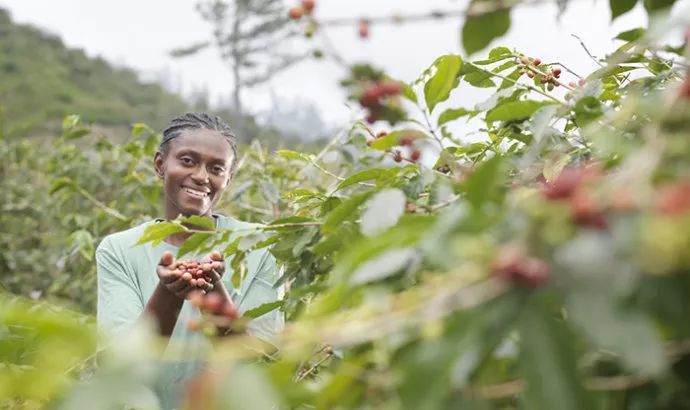
Coffee Farmers
Coffee farming may be the most demanding profession in the entire chain.
As the first ones responsible for bean quality, farmers traverse rolling mountains to tend their coffee trees, enduring wind and sun from dawn till dusk, watching every stage of the trees' growth.
They research various processing methods to improve coffee quality and taste, study coffee tasting and extraction, and also have to find buyers for their green beans~
Bean Hunters
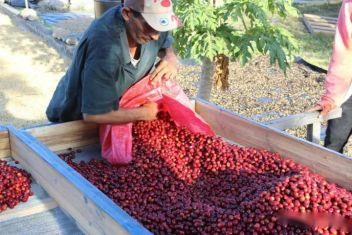
Bean hunters are mostly green coffee merchants who travel to coffee-producing regions around the world searching for the beans they need.
It may sound like a glamorous life of constant travel, but it is anything but easy.
Business trips are their normal way of life — perpetually moving between different countries and coffee estates.
On top of that, they must taste enormous quantities of coffee of wildly varying quality, year after year.
Most bean hunters primarily sell green beans.
And then look for the right buyers.
Green Bean Sellers
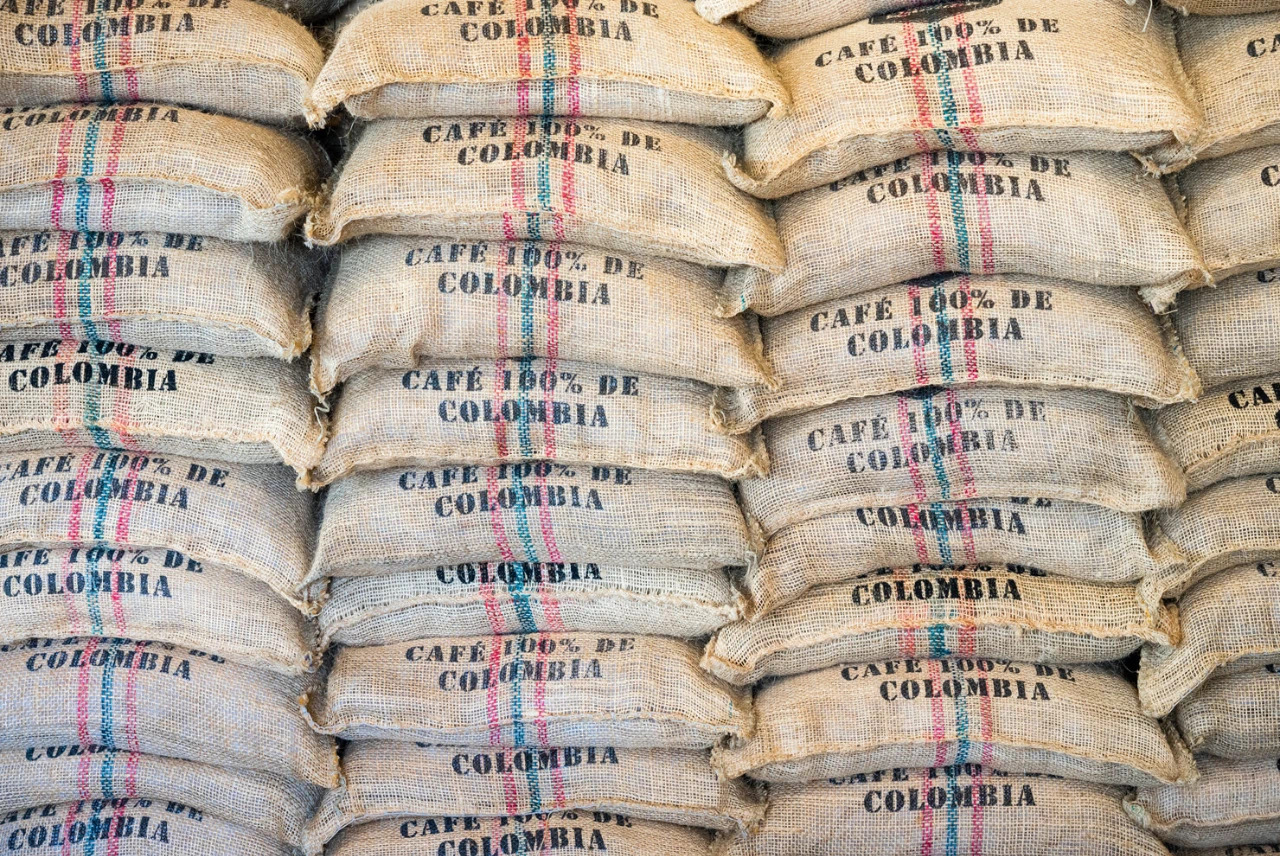
This is an import-export trade, which means your customers are mostly people already inside the coffee circle.
Specialty coffee shop owners, roasters, competition participants — that sort of clientele.
Both large generalist businesses and small specialist ones can survive in this market~
But survival depends on how deep your relationships run with the upstream producers, since those relationships determine both price and quality.
Roasters
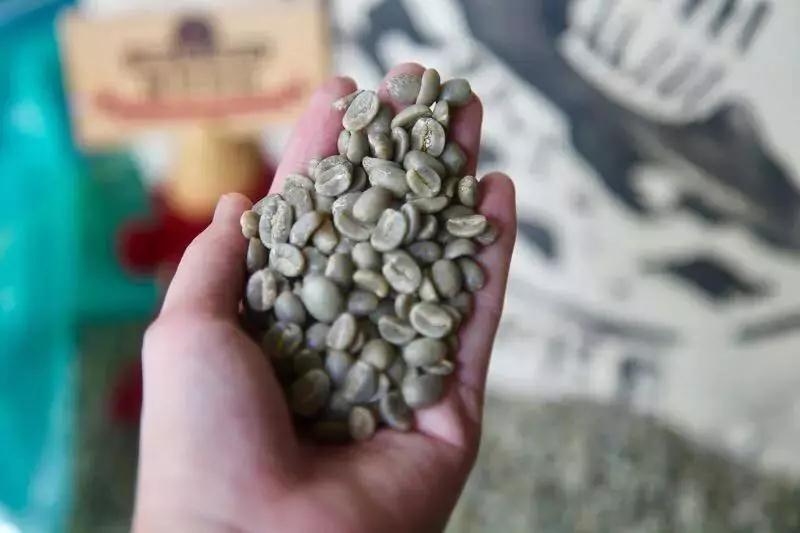
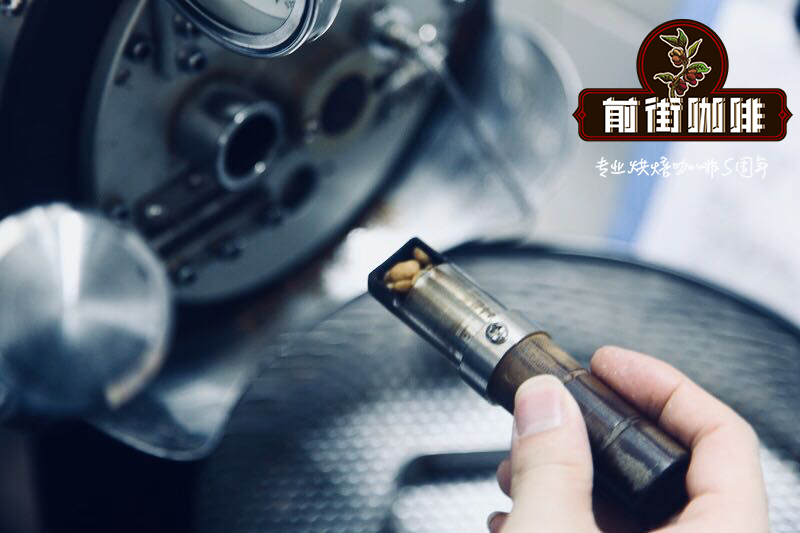
Coffee roasters are like magicians, slowly transforming green beans into roasted ones.
In their hands, the aromas hidden inside the beans gradually emerge, and they play a crucial role in a coffee's flavor.
By the way, they also keep their own "secret manuals" — roasting data.
Roasters are a key profession shaping how a coffee expresses its flavor, and they need outstanding cupping abilities.
They experiment with different green beans and establish roasting profiles.
They communicate with baristas and consumers, adjusting their techniques accordingly.
They roast, roast, roast and cup, cup, cup every day in the roasting room (laughs)
Product Developers and Quality Control Specialists
Product developers' primary task is to create creative beverages that satisfy consumers' appetite for novelty.
They know the characteristics of every raw material inside out, and how each blends with coffee.
A successful creation becomes a viral hit; a failed one becomes "dark cuisine."
Success or failure aside, they are always the first to try something new (laughs)

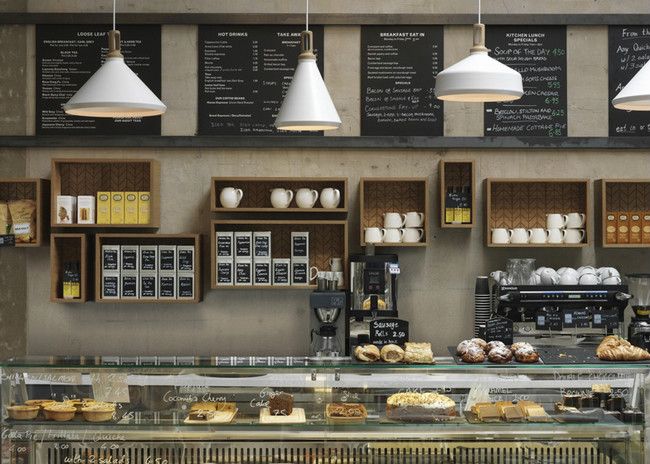
Quality control specialists are responsible for controlling quality across raw materials, production processes, and the final product.
They generally have solid coffee fundamentals and highly sensitive palates, letting them quickly read market demand and adjust ingredients and formulas.
Baristas
Baristas are the ones who finally place the coffee in the customer's hands.
Their skills go well beyond brewing: their performance directly shapes the whole experience of a cup.
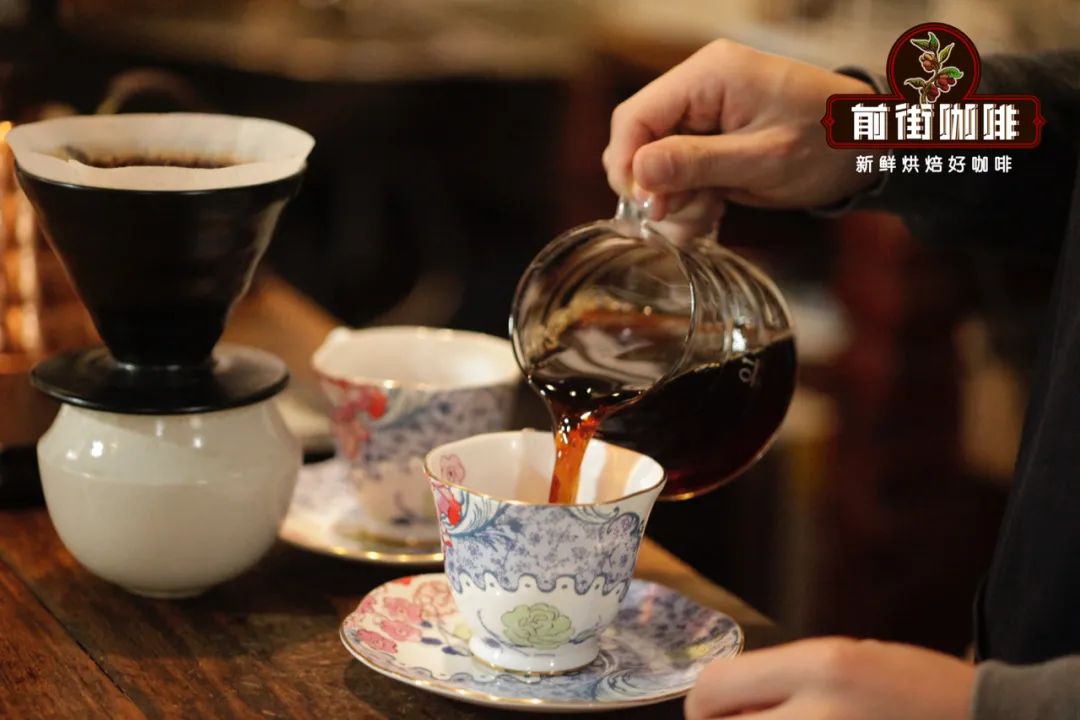
And baristas cannot just know how to brew — they need many other skills too.
They need a full sense of service, the ability to communicate with customers, and the willingness to handle everything from washing dishes and cleaning cups to keeping the place spotless.
In short, baristas are all-rounders!
Coffee Apprentices
Many people start their coffee careers as apprentices, full of enthusiasm.
They work while they learn — effectively the first rung on the ladder to becoming a barista.
Apprentices mainly assist baristas with daily production and pick up the basic tasks of running a coffee shop.
Learning efficiency may not match that of a training institution, but with good mentors and bosses,
apprentices can still absorb a wealth of knowledge — though compared with formal training, that knowledge may be more fragmented.
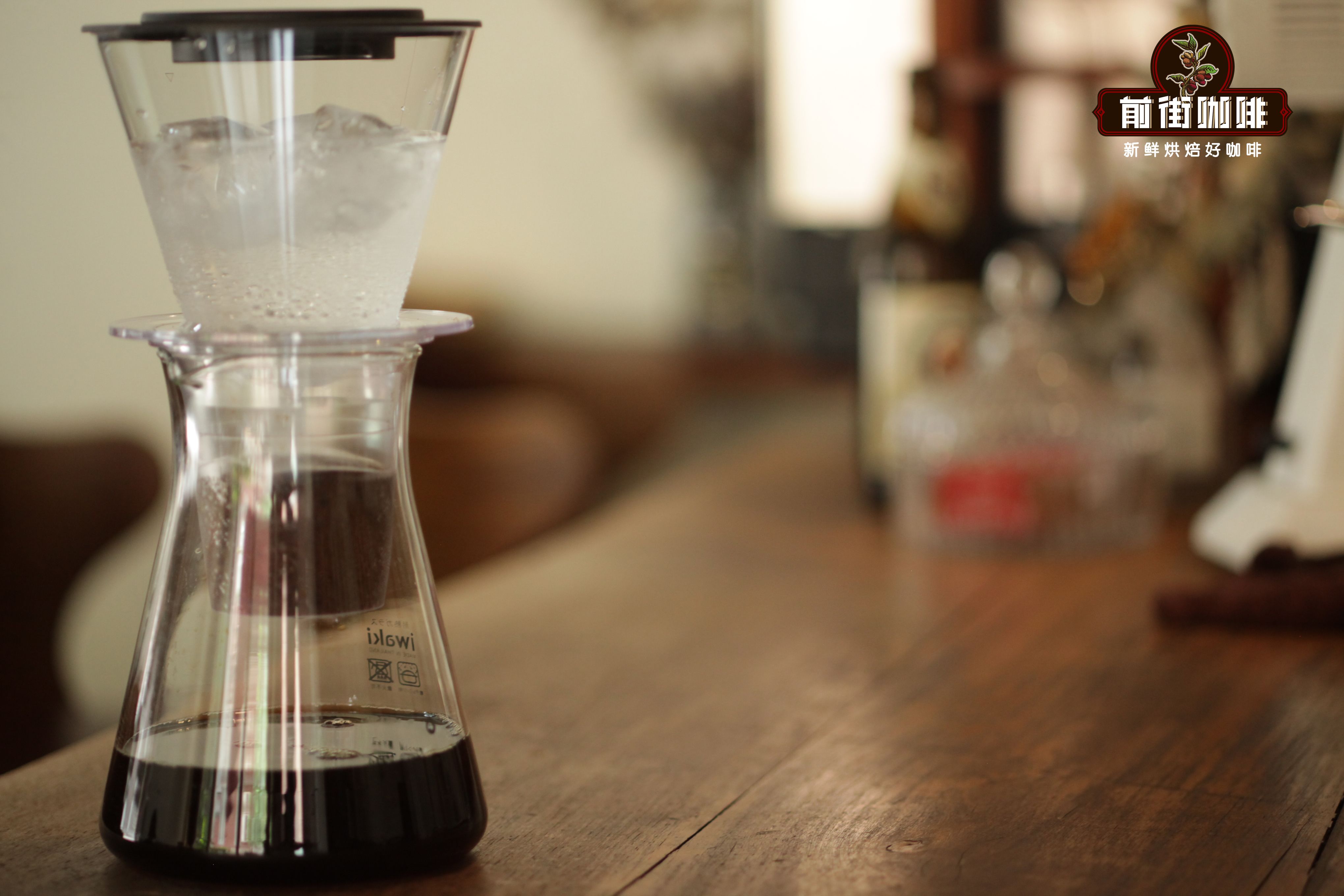
Coffee Trainers
Besides apprenticing, attending a coffee training institution is another common entry point.
Coffee trainers teach students many of the fundamentals in a short period.
Many institutions also offer courses for working baristas, roasters, and even coffee shop owners (managers).
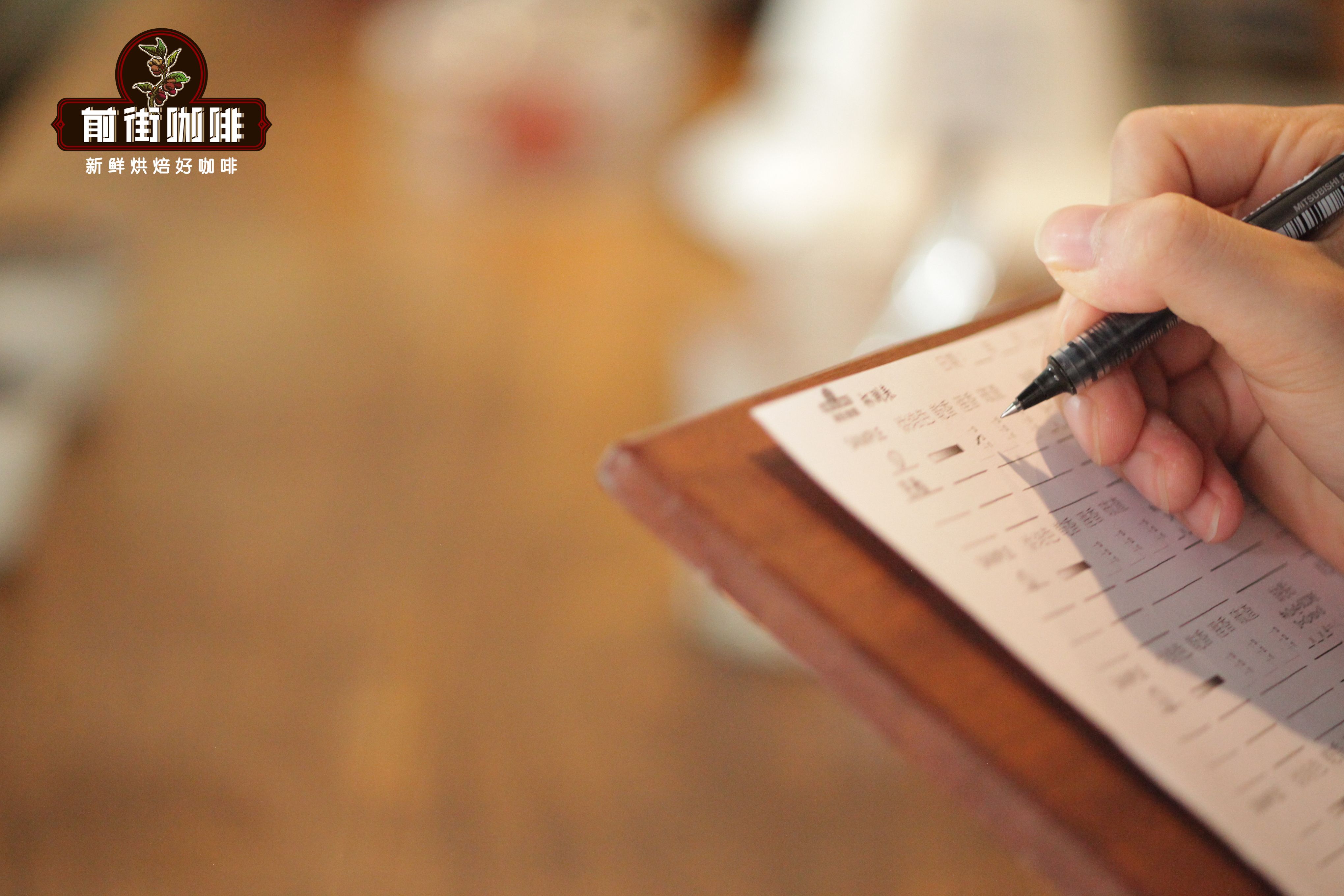
Trainers understand the full body of coffee theory, and are familiar with traditional and modern brewing methods alike.
They can teach coffee in a structured way and love digging into cutting-edge techniques in their spare time.
Coffee Shop Owners (Managers)
Owners (managers) run the shop, handling decisions and business strategy.
Personnel management and keeping pace with fresh market trends fall to them.
Managers are responsible for everything involved in running the shop. Simply put, beyond professional coffee knowledge,
they also need management ability to coordinate the people and positions around them.
Beyond these, there are coffee professions not directly involved in making coffee,
yet still indispensable to the industry!
Coffee Product Designers
Coffee product designers work directly for the consumer, designing coffee-related derivative products.
On top of professional coffee knowledge, they need strong aesthetic and design abilities.
They develop and design new equipment based on market trends and developments.
They are proficient in their design fields, have a refined eye, and understand different coffee extraction principles and methods.
They study the market and consumer habits, then refine and update equipment designs based on feedback.

Coffee Scholars
Behind every cup we drink stands a group of people continuously researching every aspect of coffee — the coffee scientists.
We rarely hear about this profession in daily life, but we see its results all the time.
Starting from directions like human health, they study coffee through genetics, chemistry, and biology.
Every known benefit of drinking coffee is the fruit of scientists' long-term research and experimentation.
Coffee Media
The simplest example is me, typing at this keyboard right now, haha.
We spread coffee culture and knowledge, report industry news, and act as promoters of coffee culture.
As coffee media, we conduct reviews, screen and organize material, and publish coffee information of every kind.

Our daily workload is extensive, but we still hope that through us,
more people can truly understand coffee — and fall in love with it!
Of course, there are other coffee professions along the chain.
Feel free to continue the discussion in the comments section!
Some image sources: the Internet
FrontStreet Coffee Recommendation
And if reading this has you dreaming of pulling shots and pouring swans of your own, the first thing you will need is a good espresso bean. For practicing latte art at home, FrontStreet recommends the Classic Blend: a medium-dark espresso recipe combining three origins, inspired by the old-school "Mamba" — the Mandheling-plus-Brazil pairing that was wildly popular in an earlier era. A small amount of Robusta is added for aroma and crema; the shot pours with clear notes of butter, toasted bread, and caramel biscuits, with bold flavor, a solid body, fine crema, and very stable extraction — an essential entry-level home espresso bean.
If you prefer a rich, nutty profile, go for FrontStreet's Specialty Blend, also a medium-dark espresso roast, built on the classic pairing of washed Colombian and pulped-natural Brazilian beans. As espresso it shows nuts, dark chocolate, and caramel; whether you make an americano or milk drinks like lattes and flat whites, it brings out the smooth aromas of cream, almond, and cocoa. The crema is fully on par with coffee-shop quality — more than enough for practicing latte art — making it especially suitable for those planning to open a shop or simply learn at home. For those about to open that shop, FrontStreet Coffee's Commercial Blend is tailor-made: a traditional espresso formula that adds a touch of Robusta to the Specialty Blend, producing more deep-brown, fine crema and a heavier body, so that americanos, lattes, and mochas all carry nuts, cocoa, and caramel — and latte art becomes effortless.
Important Notice :
FrontStreet Coffee is a long-established specialty coffee roaster in Guangzhou China, selling freshly roasted beans from its own farm in Yunnan as well as dozens of carefully selected single-origin beans from around the world for both pour-over and espresso. The products deliver consistently excellent quality and great value, with shipping within 24 hours. Guangzhou's FrontStreet Coffee shop is recommended by many coffee lovers, and the beans are now available online at the Tmall 。
FrontStreet Coffee has moved to a new address:
FrontStreet Coffee Address: 315,Donghua East Road,GuangZhou
Tel:020 38364473
 Scan and follow the En Gafei WeChat official account. Please indicate that the reprint comes from "En Gafei".