Why Calculate Ratios in Pour-Over Coffee: The Difference Between Powder-to-Water and Powder-to-Liquid Ratios
Introduction
Before we begin, consider a question: "If we use 15g of coffee grounds to brew coffee at a 1:15 ratio, should we pour a total of 225g of water, or should we have 225g of coffee liquid in the pot after brewing is complete?"
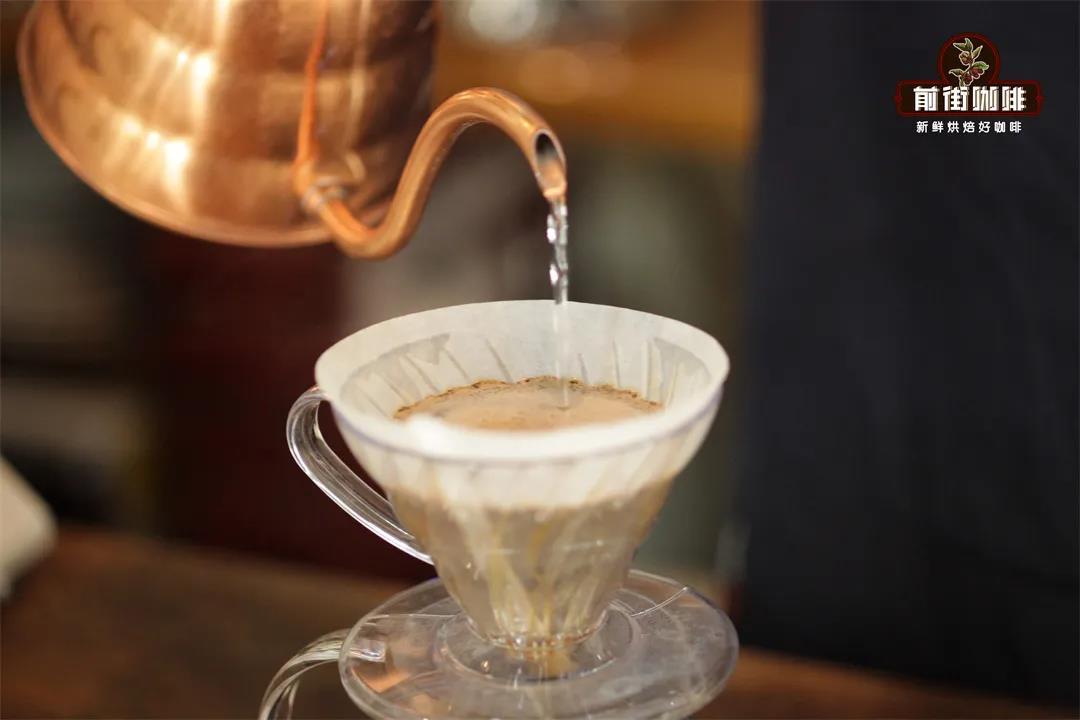
The answer is that you should pour a total of 225g of water, not end up with 225g of coffee liquid after extraction. People who use a stand-alone pour-over dripper often get confused here. The reason is that the stand holds the filter cup, so the scale measures the weight of the coffee liquid dripping into the pot. It is easy to forget that coffee grounds absorb some water during the bloom, so pouring 225g of water will not necessarily extract 225g of coffee liquid.
What is "Coffee-to-Water Ratio"?
The "coffee-to-water ratio" refers to the ratio of coffee grounds to total water poured. As above, when brewing 15g of coffee grounds at a 1:15 ratio, we need to pour 225g of water.
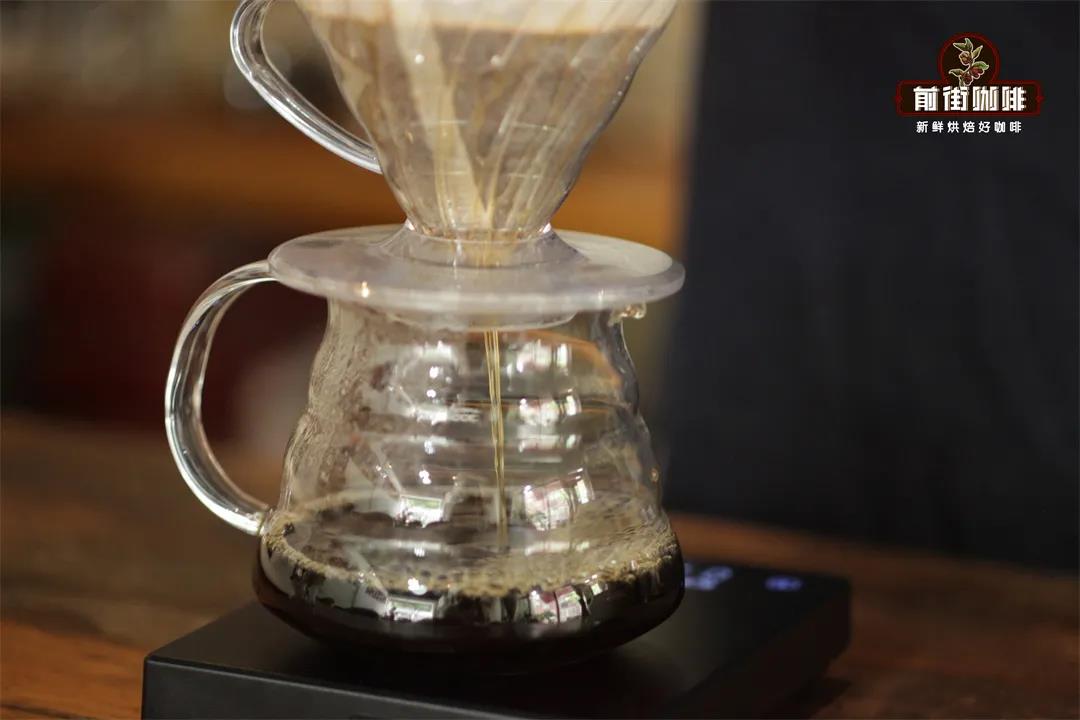
FrontStreet Coffee suggests that beginners in pour-over place the filter cup and sharing pot directly on the electronic scale and brew using the "coffee-to-water ratio." Accurate pouring removes many unstable variables. If the same coffee-to-water ratio produces different flavors with the same beans, you need to consider whether the grind size and brewing water temperature suit those beans.
What is "Coffee-to-Liquid Ratio"?
The "coffee-to-liquid ratio" refers to the ratio of coffee grounds to coffee liquid. As mentioned above, some water is absorbed during the bloom, so the final extracted coffee liquid will be less than the total water poured. Different beans have different water absorption rates depending on bean quality and grind size, generally 1.5-2 times the weight of the coffee grounds. FrontStreet Coffee therefore suggests that the first bloom pour for pour-over should be twice the weight of the coffee grounds.
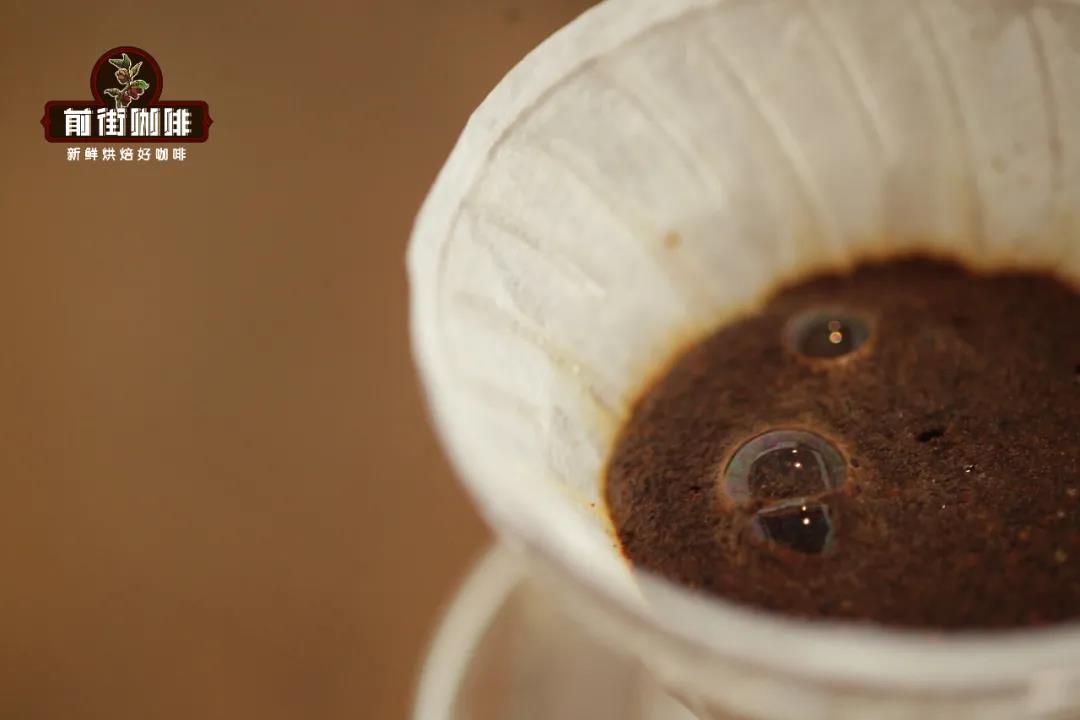
For example, 15g of coffee grounds requires 30g of water. At this point the grounds might absorb 22.5g-30g of water, so the coffee liquid dripping into the pot will be at most 7.5g. After absorbing water in the first stage, the subsequent 195g of water passes completely through the coffee bed, so the final extracted coffee liquid weight will be 195g-202.5g.
15g of coffee grounds extracting 195g-202.5g of coffee liquid, calculated using the "coffee-to-liquid ratio," gives a ratio of 1:13-1:13.5.
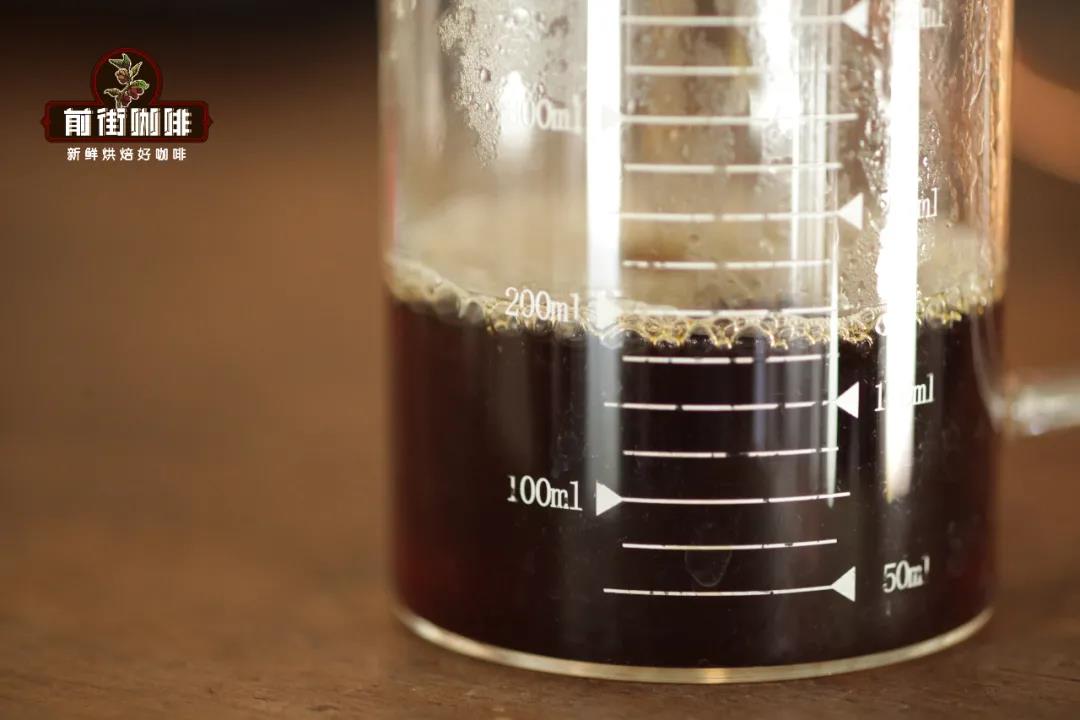
Some enthusiasts like to brew with a measuring cup, pouring continuously without an electronic scale and removing the filter cup to stop the coffee liquid from dripping once a certain volume is reached in the pot. In that case you need to calculate the ratio of coffee grounds to coffee liquid, since there is no quantified water pour and the calculation of grounds to total water poured cannot be established.
What is the Purpose of Calculating Coffee-to-Water/Coffee-to-Liquid Ratios?
FrontStreet Coffee believes that whether it is the "coffee-to-water ratio" or the "coffee-to-liquid ratio," each is just one direction for adjusting a coffee's flavor expression. Flavor is affected not only by the ratio but also by grind size, water temperature and brewing technique.
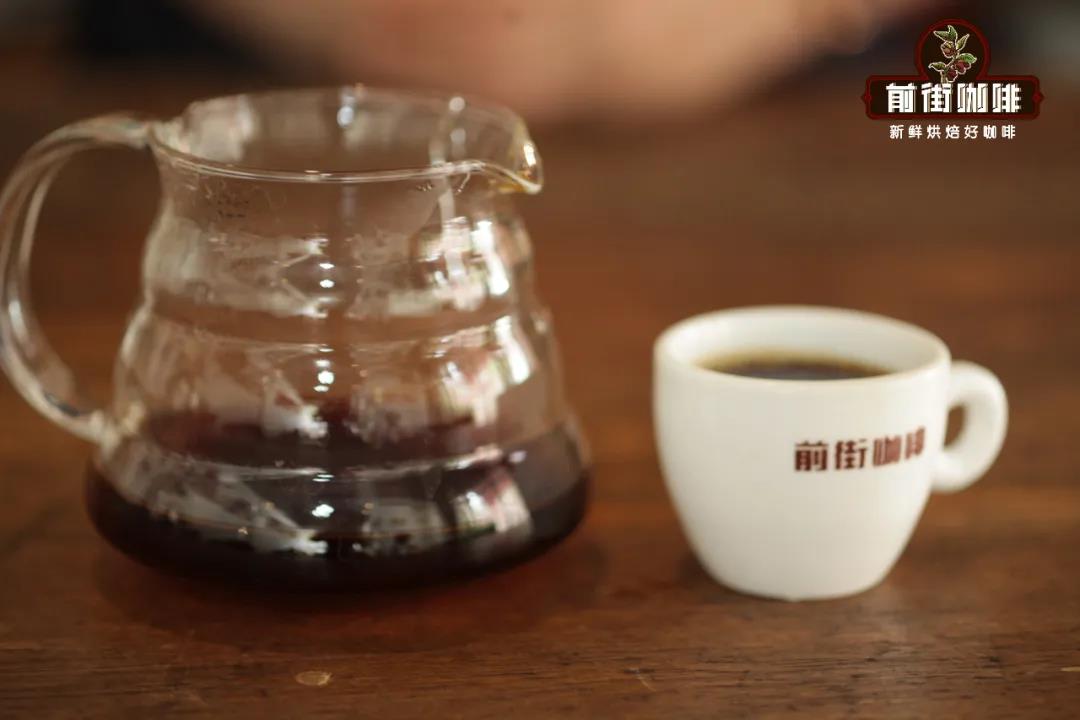
Calculating coffee-to-water and coffee-to-liquid ratios helps brewers understand that with a given grind size and water temperature, pouring a quantified amount of water or extracting a quantified amount of coffee liquid better presents the bean's flavor while ensuring stable quality and concentration from brew to brew.
For professional coffee knowledge exchange and more coffee bean information, please follow Coffee Workshop (WeChat official account: cafe_style)
FrontStreet Coffee Recommendation
Ratios matter most once you have a dripper that responds predictably, and the V60 is the classic choice. Hario, its maker, was founded in Tokyo in 1921 and originally produced heat-resistant glass instruments for research; its heat-resistant glass server remains a popular pour-over companion. In 2004 Hario redesigned the V60 into its familiar form, named for the distinctive 60° cone and V shape, and released it a year later. The cone sends water to the center before it drops into the server, lengthening contact between water and grounds so aroma and flavor extract fully, and the single large hole lets the flow run unobstructed — so the pour, and therefore the ratio, is entirely in the brewer's hands.
Which bean you put in that dripper changes how the numbers taste. For floral, fruit-forward cups, FrontStreet Coffee's Yirgacheffe Gedingding brings bright citrus, berry and floral notes with green-tea sweetness, FrontStreet Coffee's Ethiopia Huakui is loaded with strawberry, passion fruit and jackfruit at very low bitterness, and FrontStreet Coffee's Panama Esmeralda Red Label Geisha offers jasmine, citrus and black tea in a clean, layered cup.
For lighter, sweeter everyday brewing, FrontStreet Coffee's Strawberry Candy blends a Costa Rican honey-process coffee with a Panamanian washed Geisha, so it brings both delicate florals and rounded fruit sweetness, and it suits cold brew, pour-over and espresso alike. If you prefer a fuller body, FrontStreet Coffee's PWN Indonesia Gold Mandheling delivers low acidity and a thick, herb-and-dark-chocolate cup, FrontStreet Coffee's Brazil Queen Estate is balanced and low in acidity with nut, cocoa and caramel sweetness, and FrontStreet Coffee's 2013 Yunnan Natural Typica is clean and layered with citrus, caramel and brown sugar at a very fair price.
Important Notice :
FrontStreet Coffee is a long-established specialty coffee roaster in Guangzhou China, selling freshly roasted beans from its own farm in Yunnan as well as dozens of carefully selected single-origin beans from around the world for both pour-over and espresso. The products deliver consistently excellent quality and great value, with shipping within 24 hours. Guangzhou's FrontStreet Coffee shop is recommended by many coffee lovers, and the beans are now available online at the Tmall 。
FrontStreet Coffee has moved to a new address:
FrontStreet Coffee Address: 315,Donghua East Road,GuangZhou
Tel:020 38364473
 Scan and follow the En Gafei WeChat official account. Please indicate that the reprint comes from "En Gafei".