
What Roast Level is Best for Red Cherry Coffee? What Unique Flavors Do Different Roast Levels Have?
Before roasting coffee, it's essential to understand the different levels of roast intensity. Similarly, before roasting a specific coffee bean, understanding its origin, estate, and climate is of primary importance, as different countries, regions, and estates produce distinct flavor characteristics. Based on these unique characteristics, roasters select the most suitable roast level to bring out the best in each bean, determining whether to use light, medium, or dark roast.
Ethiopian Yirgacheffe beans are characterized by their lemon floral and citrus notes, making them particularly suitable for light roasting. FrontStreet Coffee's Red Cherry coffee is made from beans originating from Ethiopia's Yirgacheffe region. FrontStreet Coffee employs two different roast levels for this coffee: the light roast features strawberry, lemon, berry flavors along with fermented wine-like aromas. So why use a dark roast for the second batch? This decision is based on its intended use, as it's meant to serve as a blending component. The Sunflower Warm Blend combines dark-roasted Sherry and dark-roasted Red Cherry beans, making it ideal for espresso preparation.
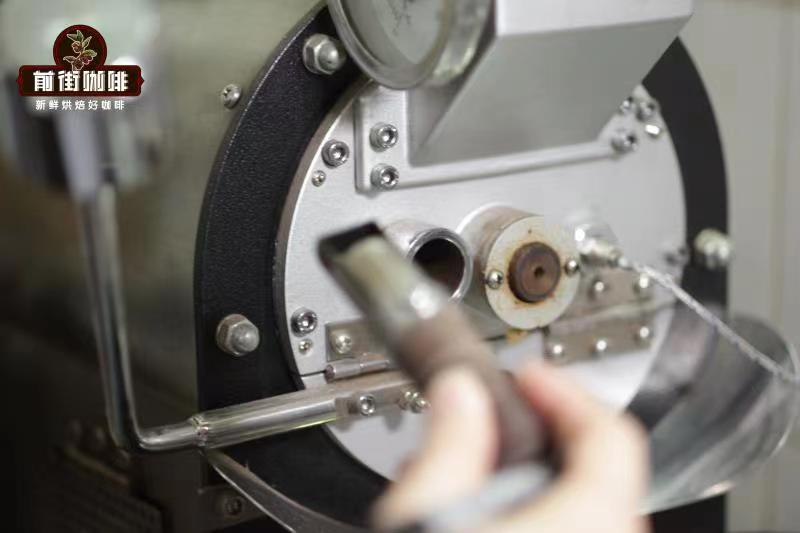
Regarding different roast levels, the United States Department of Agriculture broadly categorizes coffee roasts into four main types: light roast, medium roast, medium-dark roast, and dark roast.
Coffee beans have eight distinct roast levels from lightest to darkest: very light roast (cinnamon), medium roast, high roast, city roast, full city roast, French roast, and Italian roast. The lighter the roast color, the higher the acidity; the darker the roast color, the higher the bitterness and body. Coffee bean roast levels can be selected based on personal taste preferences.
Light Roast:
Light roast occurs during the middle to late stages of the first crack until its conclusion. Light-roasted beans have a lighter color and stronger acidity, with more complex flavor profiles. Additionally, light roast coffee typically contains more chlorogenic acid compared to dark roast coffee beans, making it more effective for weight management purposes. This makes it an excellent choice for those focused on weight management and friends who prefer more acidic flavor profiles.
Medium Roast:
Medium roast occurs at the beginning of the second crack stage. Medium-roasted coffee beans have a brownish-red appearance, with balanced acidity and bitterness that appeals to mainstream tastes. For friends new to coffee, medium-roasted coffee beans are an excellent choice.
Dark Roast:
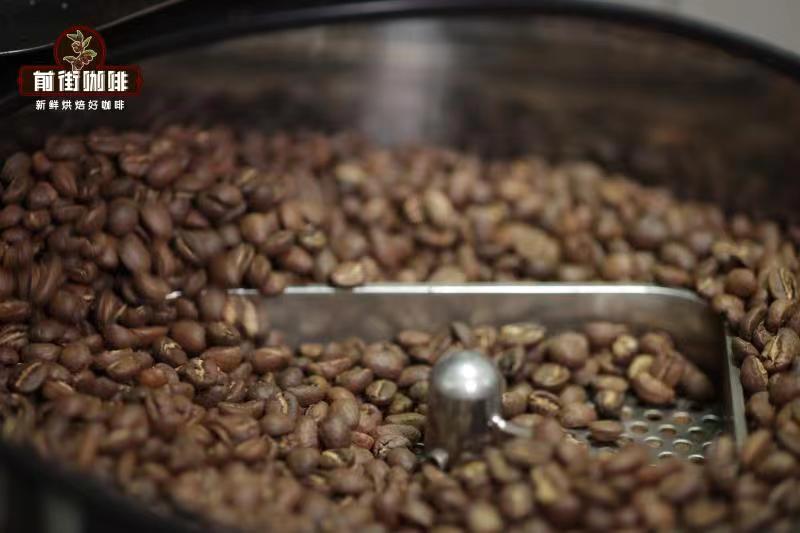
Dark roast occurs at the conclusion of the second crack stage. Dark-roasted coffee beans have a deep brown appearance with an oily surface, featuring predominantly bitter flavors without acidity and more pronounced roasted notes. Most espresso coffee beans are typically dark-roasted, making them suitable for friends who prefer more bitter flavor profiles.
FrontStreet Coffee is a long-established specialty coffee roaster in Guangzhou China, selling freshly roasted beans from its own farm in Yunnan as well as dozens of carefully selected single-origin beans from around the world for both pour-over and espresso. The products deliver consistently excellent quality and great value, with shipping within 24 hours. Guangzhou’s FrontStreet Coffee shop is recommended by many coffee lovers, and the beans are now available online at the Tmall 。
Important Notice :
前街咖啡 FrontStreet Coffee has moved to new addredd:
FrontStreet Coffee Address: 315,Donghua East Road,GuangZhou
Tel:020 38364473

- Prev
What are the characteristics of coffee extraction? What should be noted when extracting light-roast Yirgacheffe coffee?
Regarding coffee extraction, it is a complex chemical process. Different parameters such as roasting state, bean powder ratio, extraction amount, and water quantity can all alter the coffee's aroma. To brew a cup of coffee, the fusion of coffee grounds and water is necessary. Perfect coffee extraction helps enhance the taster's sensory experience. Therefore, the process of water penetrating coffee grounds becomes a crucial factor affecting coffee extraction quality.
- Next

Why Calculate Ratios in Pour-Over Coffee: The Difference Between Powder-to-Water and Powder-to-Liquid Ratios
Introduction Before we begin this article, let's consider a question: "If we now use 15g of coffee grounds to brew a pot of coffee at a 1:15 ratio, are we pouring a total of 225g of water, or do we end up with 225g of coffee liquid in the pot after brewing?" The answer is: we pour a total of 225g of water, rather than having 225g of coffee liquid in the pot after extraction. Regarding this issue, using a stand-style pour-over
Related
- How to make bubble ice American so that it will not spill over? Share 5 tips for making bubbly coffee! How to make cold extract sparkling coffee? Do I have to add espresso to bubbly coffee?
- Can a mocha pot make lattes? How to mix the ratio of milk and coffee in a mocha pot? How to make Australian white coffee in a mocha pot? How to make mocha pot milk coffee the strongest?
- How long is the best time to brew hand-brewed coffee? What should I do after 2 minutes of making coffee by hand and not filtering it? How long is it normal to brew coffee by hand?
- 30 years ago, public toilets were renovated into coffee shops?! Multiple responses: The store will not open
- Well-known tea brands have been exposed to the closure of many stores?!
- Cold Brew, Iced Drip, Iced Americano, Iced Japanese Coffee: Do You Really Understand the Difference?
- Differences Between Cold Drip and Cold Brew Coffee: Cold Drip vs Americano, and Iced Coffee Varieties Introduction
- Cold Brew Coffee Preparation Methods, Extraction Ratios, Flavor Characteristics, and Coffee Bean Recommendations
- The Unique Characteristics of Cold Brew Coffee Flavor Is Cold Brew Better Than Hot Coffee What Are the Differences
- The Difference Between Cold Drip and Cold Brew Coffee Is Cold Drip True Black Coffee