What are the characteristics of coffee extraction? What should be noted when extracting light-roast Yirgacheffe coffee?
Coffee extraction is a complex chemical process. Parameters such as roast level, coffee-to-water ratio, extraction yield, and water quantity all act as levers on coffee's aroma. To brew a cup of coffee, the union of grounds and water is essential, and a well-judged extraction elevates the drinker's whole palate experience. That makes the moment water penetrates the coffee grounds the key action in coffee extraction.
In FrontStreet Coffee's bean lineup, the extraction approach for coffees from Ethiopia's Yirgacheffe region is tuned to these beans' characteristics. The baseline water temperature is 90 to 92 degrees Celsius, with a grind sieve pass rate of 80%. Beyond that, many details call for small adjustments depending on each lot's origin, estate, and roast level.
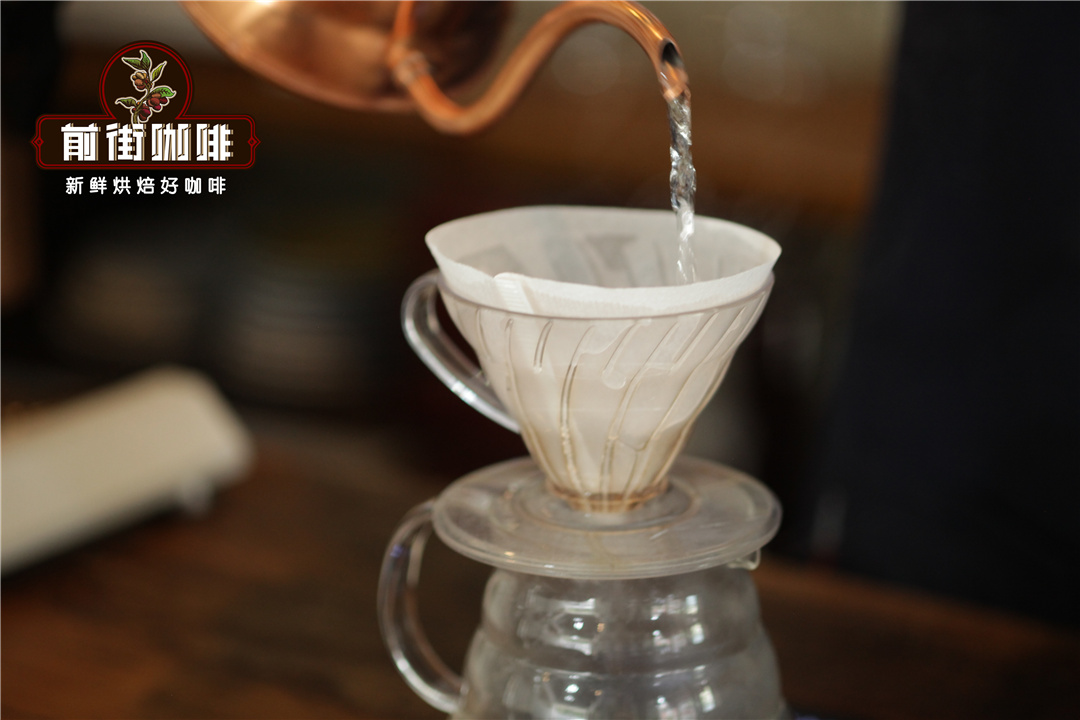
The Changes in Coffee Extraction
During extraction, aroma and acidity are released first, while sweetness and bitterness emerge in the mid-to-late stages. Over-extract (run past the window for the late notes) and you get excessive bitterness and astringency, leaving the final flavor dense yet hollow.
On the other hand, coffee particles ground too fine are prone to over-extraction (fine particles extract quickly, and before water fully penetrates them, the process becomes simple soaking). Ground too coarse, they under-extract (water passes through completely before making full contact). Matching the right grind size and parameters to each brewing method is therefore essential to interpret a coffee's extraction perfectly.
Important Parameters Affecting Coffee Extraction
Golden Cup Theory
According to the Golden Cup Standard from the Specialty Coffee Association (SCA), a coffee concentration between 1.15-1.45% and an extraction rate between 18-22% are the essential data conditions for a good-tasting cup.
Coffee Concentration
Below 1.15%: tastes overly diluted, with weak flavor
Above 1.45%: tastes overly concentrated, with too intense a flavor
Extraction Rate
Below 18%: too much acidity, with excessive sharp, uncomfortable sourness
Above 22%: obvious bitterness, with a dry, negative mouthfeel
Following these figures, it becomes clear that the balance between concentration and dissolved substances matters enormously. Push one too low and the other's proportion swells, producing poor experiences such as excessive sourness or bitterness. The water-to-coffee ratio is therefore another key factor in extraction.
About Extraction
The longer the extraction time, the coarser the grind it suits; the shorter the extraction time, the finer the grind. Precisely standardizing extraction time showcases a coffee's unique flavor and brings the tasting experience close to perfection.
Longer extraction time: suits coarser grinds; the taste leans toward refreshing sweetness and acidity
Medium extraction time: suits medium grinds; the taste leans toward balanced sweetness
Shorter extraction time: suits finer grinds; the taste is rich, pure, and slightly bitter
FrontStreet Coffee Recommendation
Yirgacheffe, a small town in Ethiopia's southern Sidama province at 1,700-2,100 meters with coffee grown above 1,800 meters, is the perfect playground for these extraction principles. For newcomers, the FrontStreet Washed Yirgacheffe house coffee is the classic first bean: white jasmine florals, bright citrus and lemon acidity, and a gentle tea-like body, at an inviting price.
One step up, the FrontStreet Guodingding Cooperative coffee comes from the Worka area at Yirgacheffe's southeastern edge. Once part of the Worka cooperative under the YCFCU union, it emerged as a standalone "single origin" as drinkers chased traceability, and its traditionally washed lots show no harsh bitterness at all - just clean, bright citrus and lemon acidity wrapped in jasmine fragrance.
FrontStreet Coffee's brew recipe: V60 dripper, 90-91°C water, 15g of coffee at a 1:15 ratio, ground to a fine-granulated-sugar texture (80% pass through a #20 sieve). Bloom with 30g of water for 30 seconds, pour to 95g (about 125g on the scale) within the first minute, then add the remaining 100g (to about 225g) by roughly 1:35, with drawdown completing between 2:00 and 2:10 - a staged pour that lets this light roast show its full floral-citrus brilliance.
Important Notice :
FrontStreet Coffee is a long-established specialty coffee roaster in Guangzhou China, selling freshly roasted beans from its own farm in Yunnan as well as dozens of carefully selected single-origin beans from around the world for both pour-over and espresso. The products deliver consistently excellent quality and great value, with shipping within 24 hours. Guangzhou's FrontStreet Coffee shop is recommended by many coffee lovers, and the beans are now available online at the Tmall 。
FrontStreet Coffee has moved to a new address:
FrontStreet Coffee Address: 315,Donghua East Road,GuangZhou
Tel:020 38364473
 Scan and follow the En Gafei WeChat official account. Please indicate that the reprint comes from "En Gafei".