Characteristics of Latte Coffee, What is Latte Coffee, Recommendations for Making Latte Coffee
When it comes to latte, are you most captivated by the varied patterns of latte art on its surface? Gazing at that art while listening to lazy or melodious music, your mood follows the rhythm and your thoughts drift. The rich, mellow texture savored sip by sip delivers a stretch of pure enjoyment.
Among espresso-based drinks, latte has the highest proportion of milk. Coffee lovers who favor lattes probably do not enjoy intensely bitter coffee, or they would more likely reach for a mocha or cappuccino. Latte fans should also understand what latte coffee actually is, and learn a little about how it is made, so they can produce their own perfect cup.
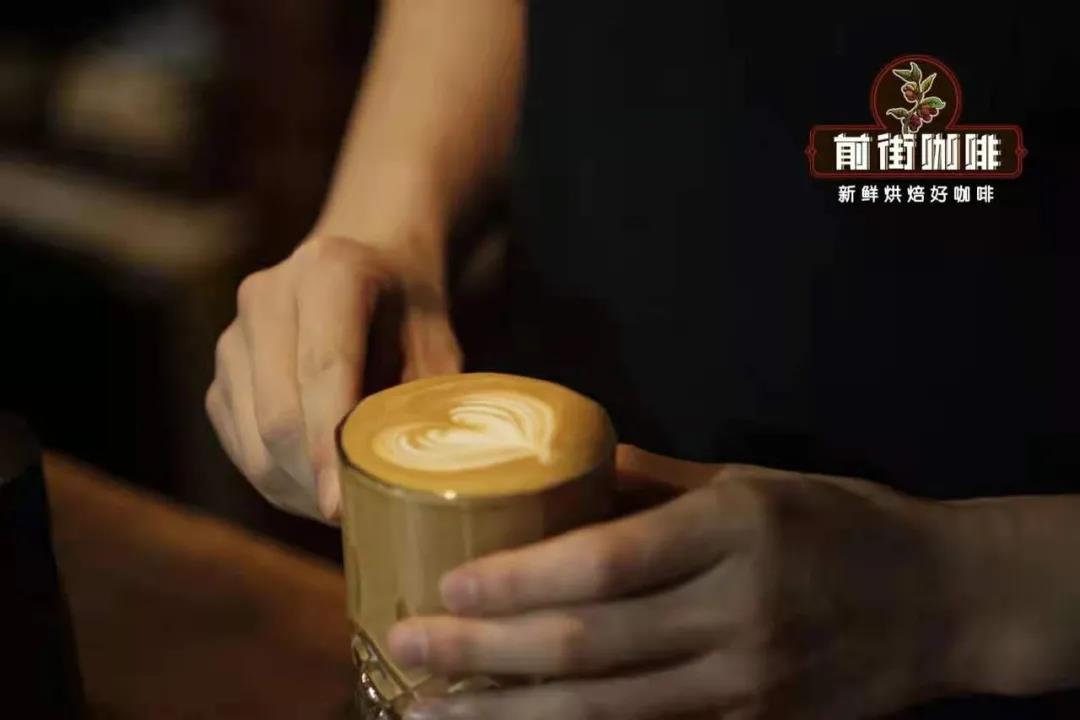
Latte Coffee
"Latte" is a transliteration of the Italian word "latte," meaning milk. So if you order a latte in an Italian coffee shop, you might receive just a cup of milk. In Italy, latte essentially means milk coffee. With the arrival of the espresso machine, steam wands became standard equipment, making it easy to heat milk directly on the machine, and the modern latte was born. By the 1980s, baristas in Seattle, Washington began using rich, textured milk to "paint" designs, which became the prototype of latte art.
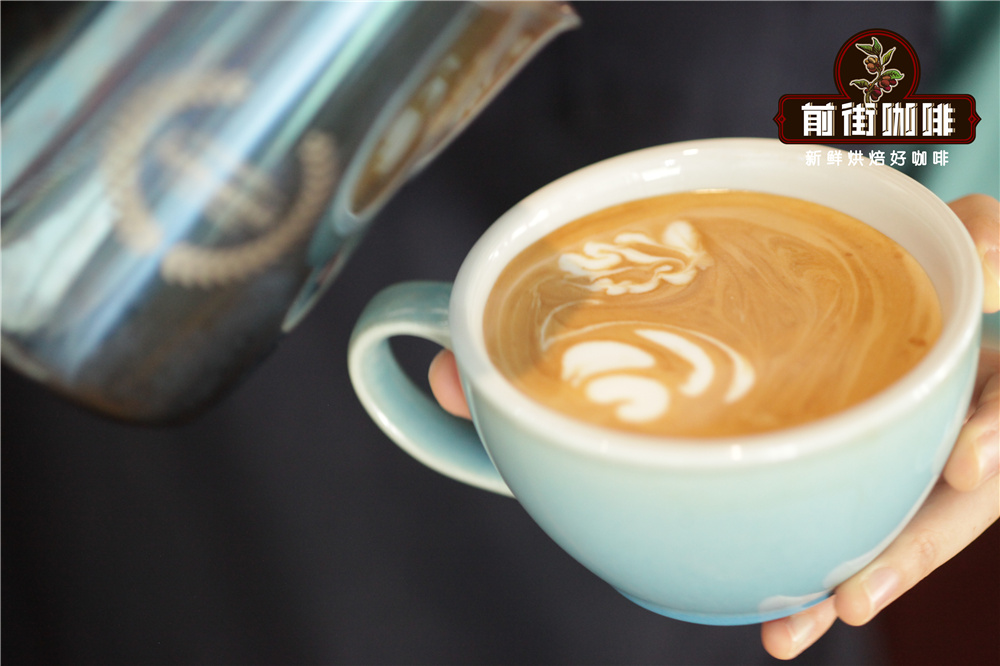
Latte Coffee Recipe Ratio Recommendations
FrontStreet Coffee recommends a coffee-to-milk ratio of 1:6.5 for making latte coffee (40ml espresso to 260ml hot milk). Pour the milk in a circular motion to blend it thoroughly with the espresso, and you have a hot latte. Heating fresh milk releases sweet lactose molecules more effectively, and when it is mixed evenly with espresso, the whole latte naturally carries milk's sweetness without overwhelming the espresso's character. Instead, the milk enhances and brings out the espresso's flavors even more clearly.
FrontStreet Coffee Recommendation
To pour a clean, stable latte, the espresso matters as much as the milk, and FrontStreet Coffee's Classic Blend is the beginner's essential. It is a medium-dark Italian-style recipe built from three origins, inspired by the classic "Mamba" pairing of Mandailing and Brazil, with a little Robusta added for aroma and crema. It extracts with pronounced butter, toasted bread and caramel-cookie aromas, a strong flavor, a solid body and fine crema, and it stays remarkably stable shot to shot.
If you prefer a richer, nuttier profile, our Specialty Blend, also medium-dark, pairs Colombian washed with Brazilian semi-washed for nut, dark chocolate and caramel; whether you make an Americano, latte or flat white, it highlights soft aromas of cream, almond and cocoa, with crema fully equal to a café's, making it a great fit for those learning at home or planning to open a shop. And for those about to open a café, our Commercial Blend starts from the Specialty Blend and adds a small amount of Robusta for a traditional Italian recipe, bringing more fine, deep-brown crema and a heavier body, so that Americanos, lattes and mochas all carry nut, cocoa and caramel and latte art becomes effortless.
Important Notice :
FrontStreet Coffee is a long-established specialty coffee roaster in Guangzhou China, selling freshly roasted beans from its own farm in Yunnan as well as dozens of carefully selected single-origin beans from around the world for both pour-over and espresso. The products deliver consistently excellent quality and great value, with shipping within 24 hours. Guangzhou's FrontStreet Coffee shop is recommended by many coffee lovers, and the beans are now available online at the Tmall 。
FrontStreet Coffee has moved to a new address:
FrontStreet Coffee Address: 315,Donghua East Road,GuangZhou
Tel:020 38364473
 Scan and follow the En Gafei WeChat official account. Please indicate that the reprint comes from "En Gafei".