Main Types of Coffee Drippers - Characteristics and Functions of Coffee Drippers
Coffee Drippers: The Essential Tools Behind Great Pour-Over
Walk into a specialty coffee shop, especially one with real character, and you may wonder what the figures behind the counter are actually doing. They are busy brewing light, floral, fruity pour-over coffee - or pulling rich, aromatic espresso. But have you ever stopped to ask what equipment they are using? More often than not, the answer comes down to the coffee dripper.
The rise of the dripper owes a great deal to the third wave of coffee, which turned pour-over into a genuine passion for coffee lovers. And for pour-over, one piece of equipment is essential: the dripper. A wide range of shapes and styles now fills the market.
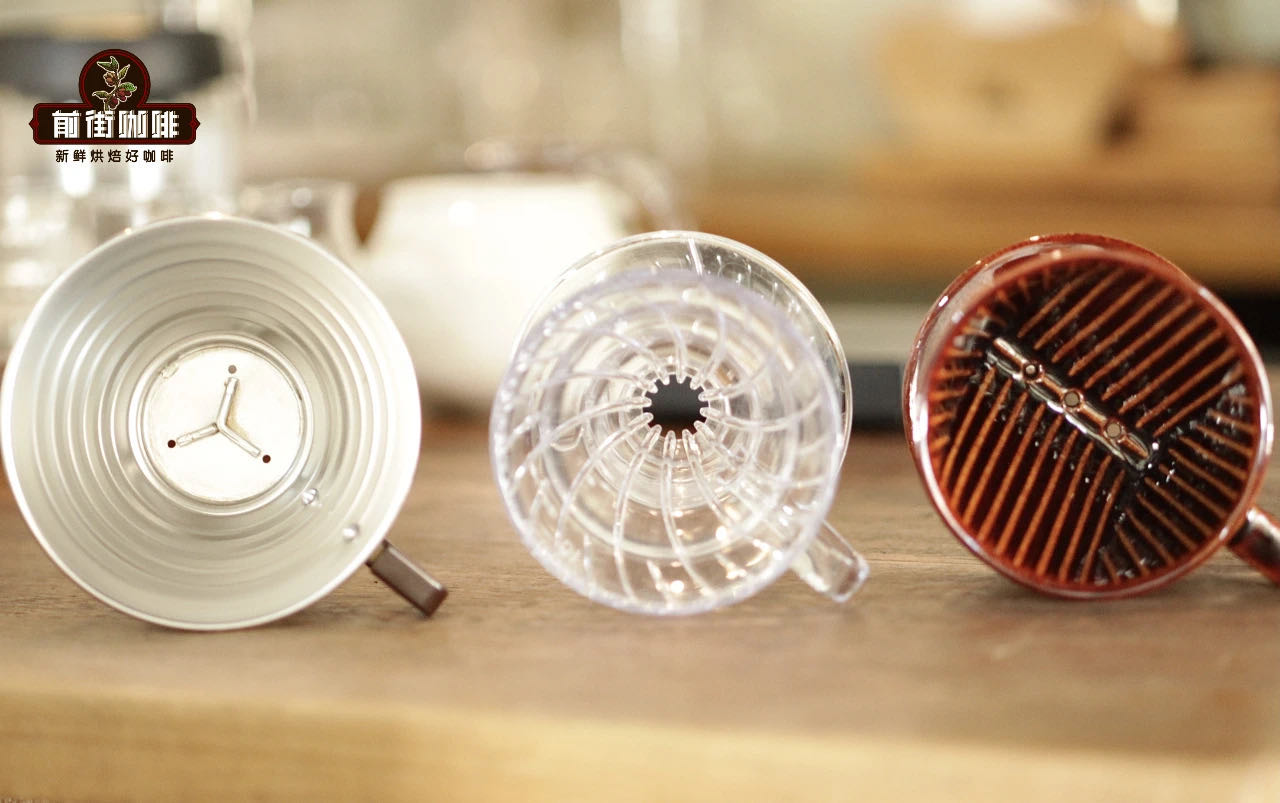
So what kinds of drippers are there, and which ones are actually used for pour-over? FrontStreet Coffee introduces the common, everyday types below. The main families are cone-shaped drippers, trapezoidal drippers, origami drippers and cake drippers.
Understanding Coffee Extraction
Before brewing, it helps to understand the order in which coffee flavors come out. Fruity acidity and floral notes appear first; caramel sweetness, roasted-nut flavors and a full body follow; bitterness arrives last. To target a particular flavor, remember that every dripper's shape, filter holes and ribs change the way extraction tastes. Each design has its own advantage, but they almost all come down to controlling the speed of water flow, with trade-offs between ribbing and venting.
Cone-Shaped Drippers and Their Characteristics
The best-known cone-shaped dripper is unquestionably the V60, and it is both economical and effective. At FrontStreet Coffee's shops and roastery, it is probably the most-used dripper of all.
The V60 takes its name from its 60-degree conical design. That angle steers water toward the center, lengthening the contact time between water and coffee. A single large filter hole at the bottom lets you control extraction time simply by adjusting your pour rate. Spiral ribs act as venting channels so air can escape upward from every side, maximizing the degassing of the grounds. If you love a coffee's opening floral and fruity aromas and sweet-tart flavors, this style of dripper reaches a short extraction easily.
Trapezoidal Drippers and Their Characteristics
Trapezoidal drippers are the classic pour-over design, sold by brands such as Kalita and Melitta. The shape is a fan that is wider at the top and narrower at the bottom, with an oval opening. The cup walls carry many ribs laid out in straight, evenly spaced lines to increase ventilation and water flow. Because the bottom has three small round holes, water drains relatively slowly and the whole process leans toward semi-immersion extraction. That longer extraction calls for slightly lower water - try 85-88°C. If you still want some of that opening aroma, grind coarser, use less coffee, or simply switch to a cone-shaped dripper.
Origami Drippers and Their Characteristics
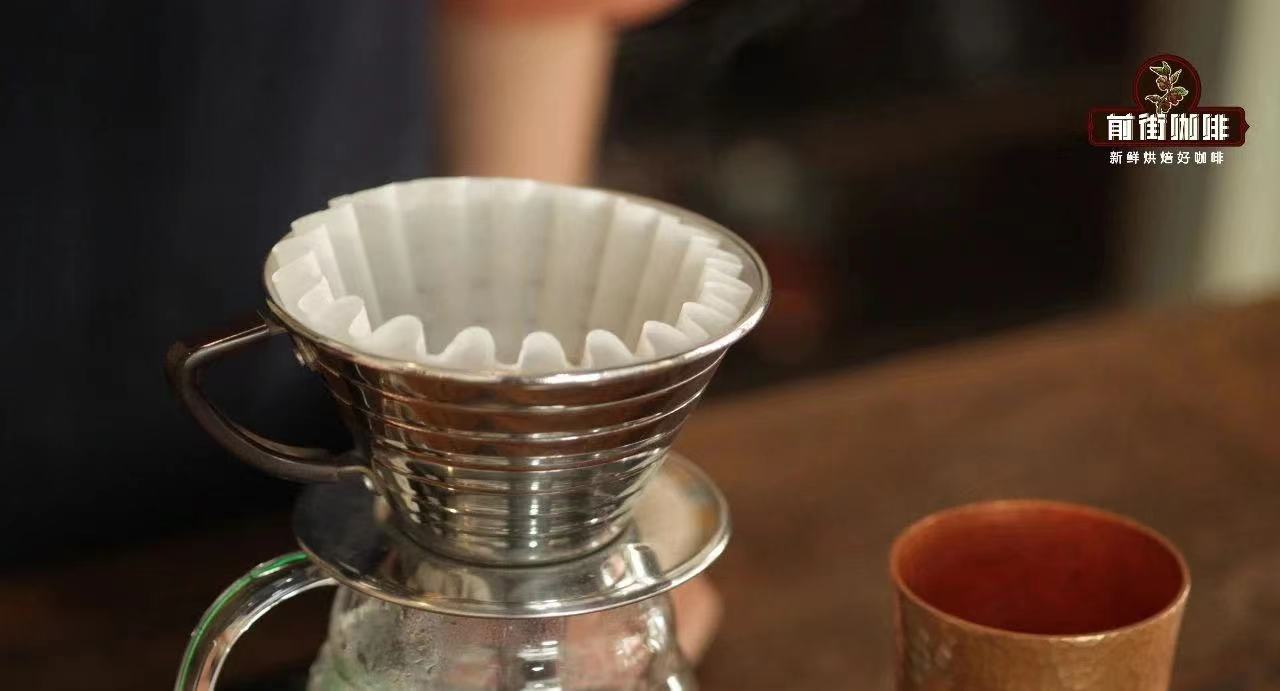
The origami dripper became famous across the coffee world when Dou Jia'ning used it to win the World Brewers Championship. Its folded-paper design and striking colors have made it a must-have for enthusiasts. It pairs perfectly with cake-style filters, distributing the grounds evenly and holding the flow rate to a moderate pace during extraction. Fit it with a cone-shaped filter instead and the flow speeds up. In other words, the origami dripper combines the flow behavior of both cone-shaped and trapezoidal designs, depending on the filter you choose. That versatility lets it handle beans with very different flavor profiles.
Cake Drippers and Their Characteristics
The flat-bottom design of a cake dripper creates an evenly distributed, flat coffee bed. For the same dose of coffee, a flat bed is thinner, so water passes through the grounds more quickly, while the flat structure also promotes even extraction. The dripper has 3 small filter holes, which slows drainage and pushes the cake dripper toward immersion-style extraction once the pour is done. The cake dripper itself has no venting ribs; instead, it relies on the creases of the cake filter paper to direct flow. Because the paper does not sit flush against the dripper, the contact area between paper and wall is reduced while the extraction area is maximized.
Those are the drippers FrontStreet Coffee reaches for most often. Pick the one that suits you, brew a cup of pour-over, and slow down to enjoy the quiet pleasure of it.
FrontStreet Coffee Recommendation
The V60's fast, even extraction is exactly what bright, aromatic beans reward. FrontStreet Coffee's Ethiopia Flower Kui is one of the most successful specialty releases of recent years: tropical fruit leaps out of the cup, with strawberry, passion fruit, jackfruit and even lychee, plenty of sweetness and almost no bitterness. It is juicy and smooth enough that many drinkers call it "the coffee that does not taste like coffee."
For a more refined, floral cup, try FrontStreet Coffee's Yirgacheffe Gidding Cooperative. Washed processing draws out jasmine and bright citrus acidity, and a light-medium roast adds green tea and honey notes - a natural fit for cone-shaped drippers and a favorite of anyone who likes a clean, layered pour-over.
If you want tea-like clarity with ripe fruit sweetness, FrontStreet Coffee's Strawberry Candy is a medium roast that blends a Costa Rican honey-processed coffee with a washed Panamanian Geisha. It shows orange-blossom honey and a rounded sweetness on the palates and brews beautifully as pour-over, cold brew or espresso.
Important Notice :
FrontStreet Coffee is a long-established specialty coffee roaster in Guangzhou China, selling freshly roasted beans from its own farm in Yunnan as well as dozens of carefully selected single-origin beans from around the world for both pour-over and espresso. The products deliver consistently excellent quality and great value, with shipping within 24 hours. Guangzhou's FrontStreet Coffee shop is recommended by many coffee lovers, and the beans are now available online at the Tmall 。
FrontStreet Coffee has moved to a new address:
FrontStreet Coffee Address: 315,Donghua East Road,GuangZhou
Tel:020 38364473
 Scan and follow the En Gafei WeChat official account. Please indicate that the reprint comes from "En Gafei".