The Four Major Types of Coffee Beans and Their Flavor Characteristics A Comparison of Caffeine Content in Coffee Beans
Exploring the Four Main Types of Coffee Beans
How often do you drink coffee? Have you ever stopped to wonder just how many kinds of coffee beans exist, or where they actually come from? If you are an enthusiast who wants to appreciate coffee on a deeper level, it is worth getting to know the main types of beans sold on the market. The four primary types of coffee are Arabica, Robusta, Liberica, and Excelsa, and each one carries a completely different flavor profile.
Arabica Coffee Beans
Arabica is by far the most popular type of coffee bean, accounting for roughly 60% of global coffee production.
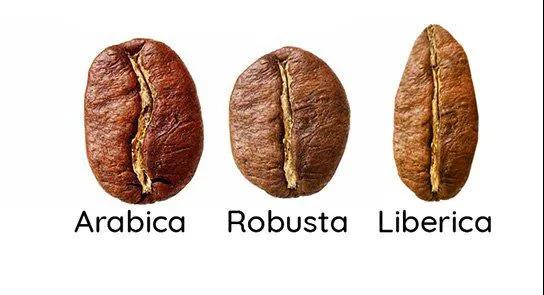
These delicious beans originated in the Ethiopian highlands centuries ago and may well be the first type of coffee ever used. The name likely comes from the bean's popularity in 7th-century Arabia, in what is now Yemen. The downside of Arabica is that it is harder to cultivate, which is why it commands a higher price. All coffee grows within the so-called coffee belt, the band between the Tropic of Cancer and the Tropic of Capricorn, spread across 50 countries and regions worldwide. Arabica, however, needs extra shade, water, and high altitude to thrive. The plants are more vulnerable to disease and must be grown at elevations of at least 2,000 feet. They are also relatively small, reaching only 8 to 15 feet at full maturity.
Robusta Coffee Beans
The second most popular type is Robusta. It originated in sub-Saharan Africa and is now grown mainly across Africa and Indonesia, and it is especially popular in Vietnam, where it is frequently used in blends. Robusta is a cheaper variety, which makes it a highly economical choice for roasters.
Robusta beans are larger and rounder than other varieties, and the plants themselves are much taller than Arabica, typically ranging from 15 to 20 feet. Robusta is generally considered hardier because it can grow at lower altitudes and resist disease, although recent studies suggest it cannot tolerate heat as well as once believed. The cup is harsher and more bitter, with a strong aroma and a somewhat flat, almost burnt flavor. Robusta also contains significantly more caffeine than Arabica.
Liberica Coffee Beans
Native to Central and West Africa, and to Liberia in particular, hence the name, Liberica is prized for its spicy, floral aroma and bold, smoky flavor. This hardy species is often blended with other varieties to add body and complexity, yet it rarely gets any credit. Before the late 1800s it was virtually unknown in Western society. After a fungal disease known as coffee rust wiped out most of the region's Arabica crop, Liberica gained a foothold among producers in Southeast Asia.
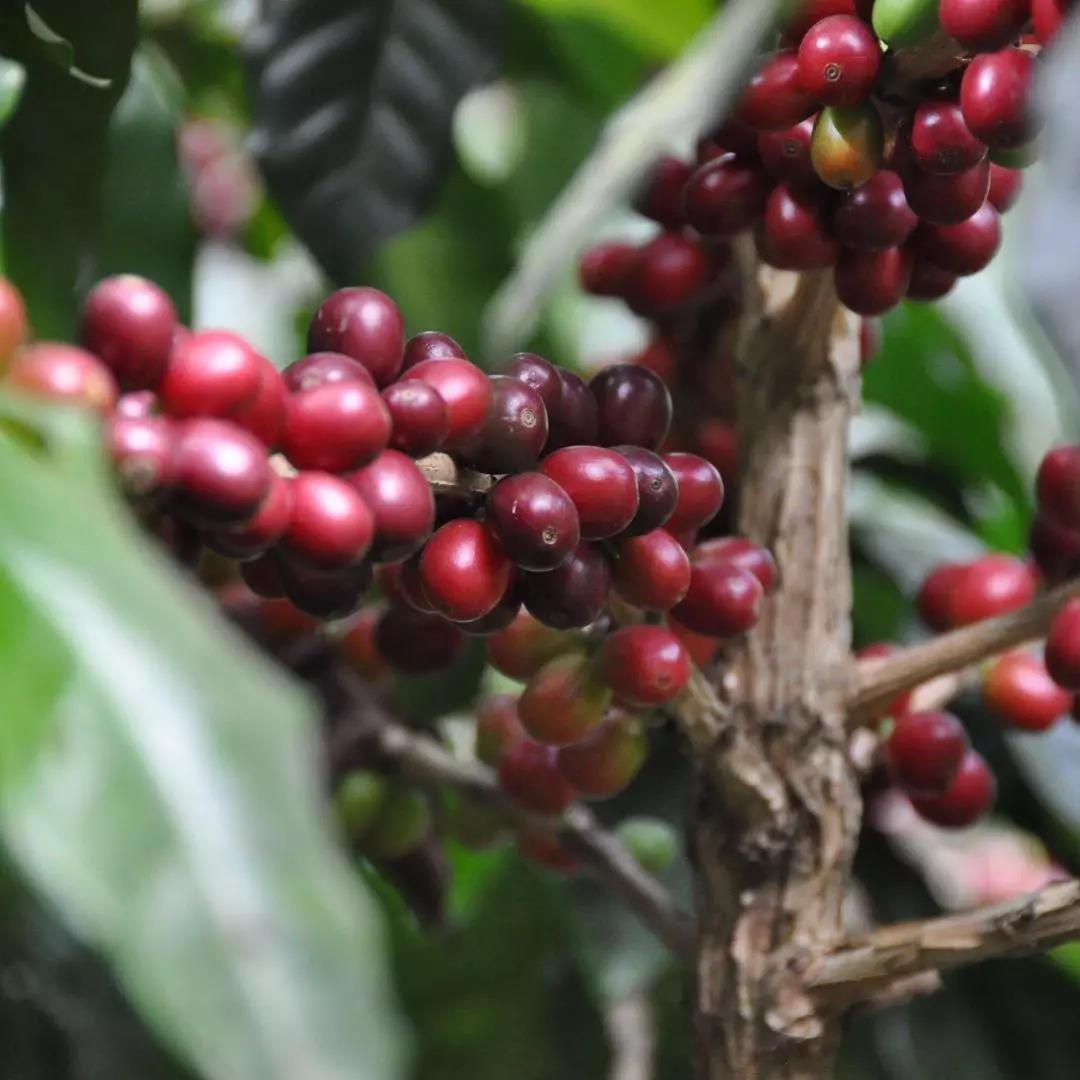
Among enthusiasts, Liberica is controversial and polarizing for its wild inconsistency. Those who have tried this rare variety tend either to love it or to hate it. Some drinkers savor the unusual, nutty, woody aroma and aftertaste. Others compare the flavor to burning trash.
Excelsa Coffee Beans
The fourth main type is Excelsa. Once considered a separate coffee species, it was recently reclassified by scientists as a variant of Liberica.
FrontStreet Coffee Recommendation
If the Ethiopian highlands behind Arabica have sparked your curiosity, the best place to start is FrontStreet Coffee's washed Yirgacheffe. It is the classic entry point to Ethiopian specialty coffee, showing a clear jasmine florality and a bright citrus acidity, with a light, elegant, tea-like body that drinks like a clean glass of lemon tea.
For a fuller, fruitier expression of the same origin, try FrontStreet Coffee's sun-dried Red Cherry, a natural-process Yirgacheffe with notes of peach, cocoa, honey, and lemon, or FrontStreet Coffee's Huakui from the Hambella area of Guji, Sidamo, dried for 21 days on raised beds and roasted medium-light for a lightly fermented wine aroma layered with floral, citrus, mango, honey, cocoa, and spice.
Important Notice :
FrontStreet Coffee is a long-established specialty coffee roaster in Guangzhou China, selling freshly roasted beans from its own farm in Yunnan as well as dozens of carefully selected single-origin beans from around the world for both pour-over and espresso. The products deliver consistently excellent quality and great value, with shipping within 24 hours. Guangzhou's FrontStreet Coffee shop is recommended by many coffee lovers, and the beans are now available online at the Tmall 。
FrontStreet Coffee has moved to a new address:
FrontStreet Coffee Address: 315,Donghua East Road,GuangZhou
Tel:020 38364473
 Scan and follow the En Gafei WeChat official account. Please indicate that the reprint comes from "En Gafei".