One of Beijing's Top 10 Famous Themed Cafés: The Historical Story of 1901 Café at Xishiku Church
A Coffee Shop Inside a Century-Old Church
As China's coffee industry has grown, cafes have crept into every corner of daily life, hospitals, police stations, even prisons abroad have their own counters. But in Beijing, one cafe occupies a place you'll actually find in the history textbooks.
1901 Café: Coffee with a Backstory
Tucked inside Beijing's Xishiku Catholic Church, a site whose story reaches back to the 42nd year of the Kangxi reign (1703 AD), sits a cafe called 1901.
In 1703, two teachers who had cured Emperor Kangxi of an illness were granted a plot of land on which to build a church. That building, the Church of the Holy Savior, was the forerunner of today's Xishiku Catholic Church. After the Second Opium War, the bishop raised a tall Gothic structure on the original North Church site, a move that displeased Empress Dowager Cixi and Emperor Tongzhi; the church was subsequently relocated to Xishiku and completed there in 1888.
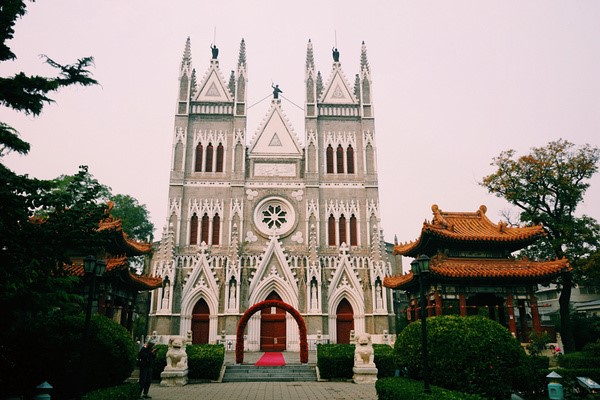
What put Xishiku Church into the history books was the Siege of the Xishiku Church (Beitang), when Qing troops and Boxer fighters clashed with those sheltering inside in fierce, weeks-long battles.
According to Baidu Baike, China's online encyclopedia, the cafe was originally named Channel before being renamed 1901, the year the building housing it was completed. That building was converted from an auxiliary structure of the Xishiku Cathedral.
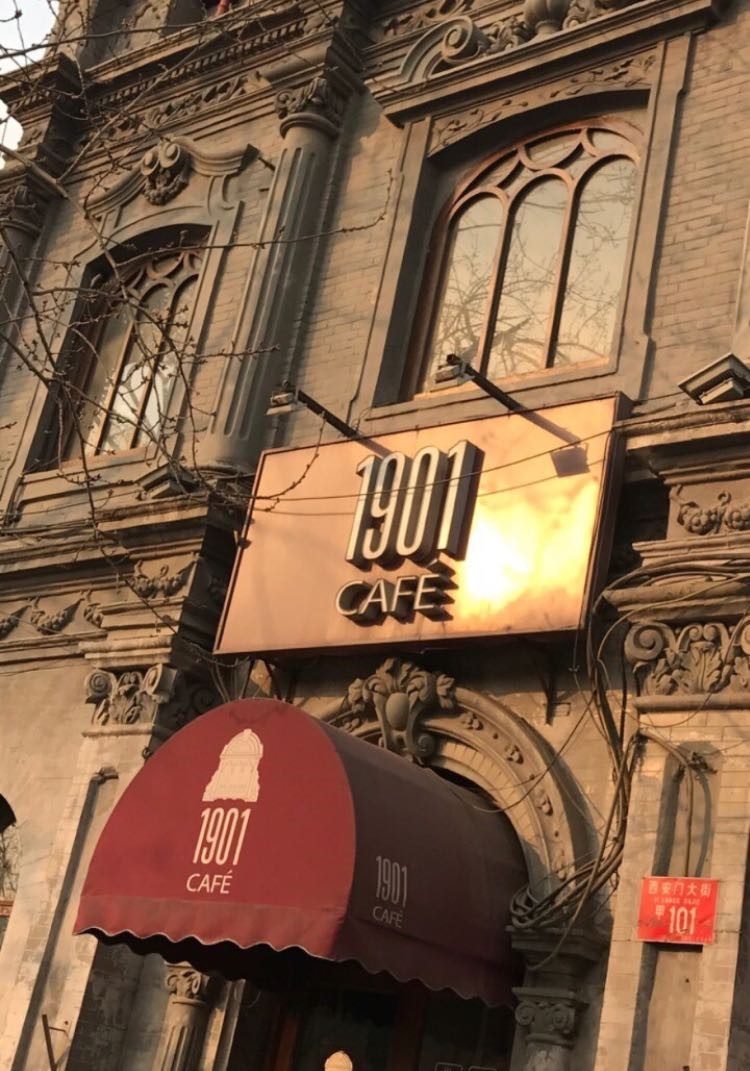
More than a century later, the fabric of the church quarter remains intact. The three-story Baroque building, antique inside and out, makes its age felt on anyone who walks in, or simply walks past.
1901 Café stands at 101 Xi'anmen Inner Street in Beijing's Xicheng District. Before the Cultural Revolution, the three-story building served as dormitories for the clergy.
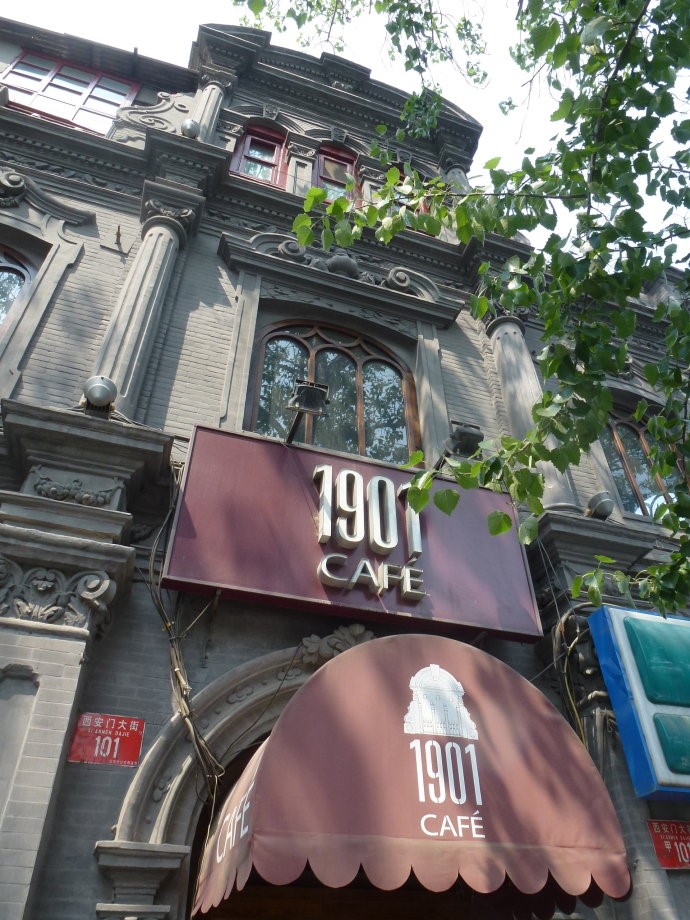
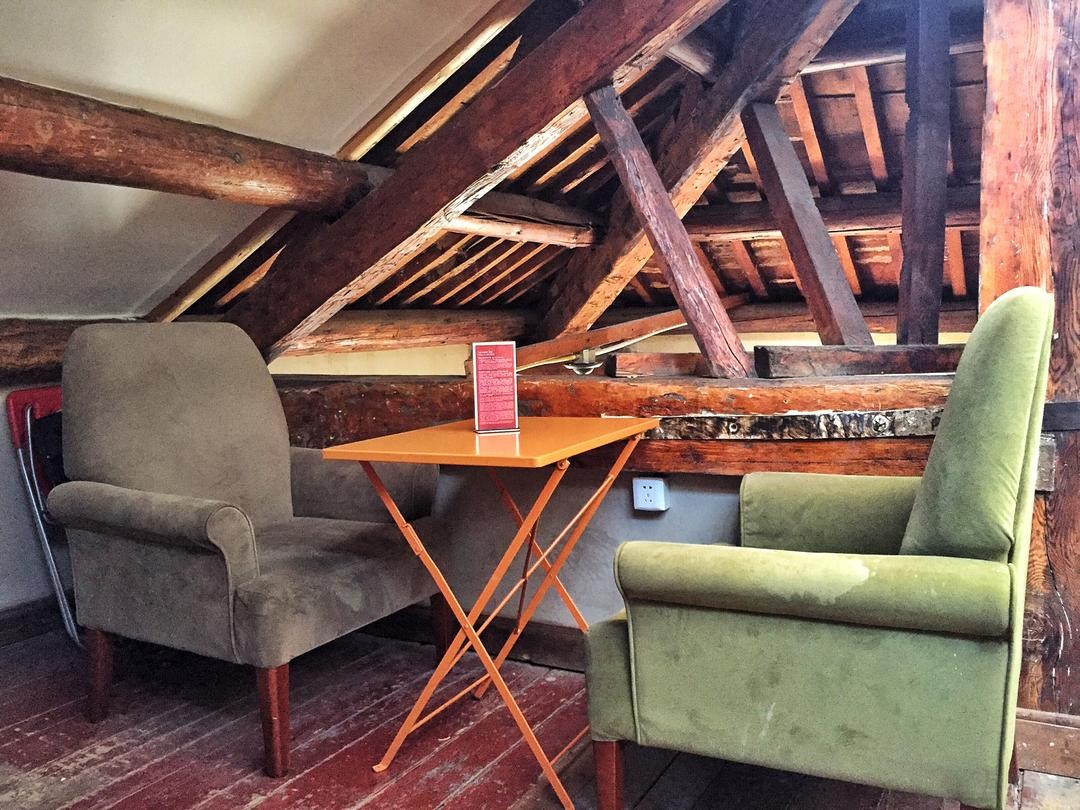
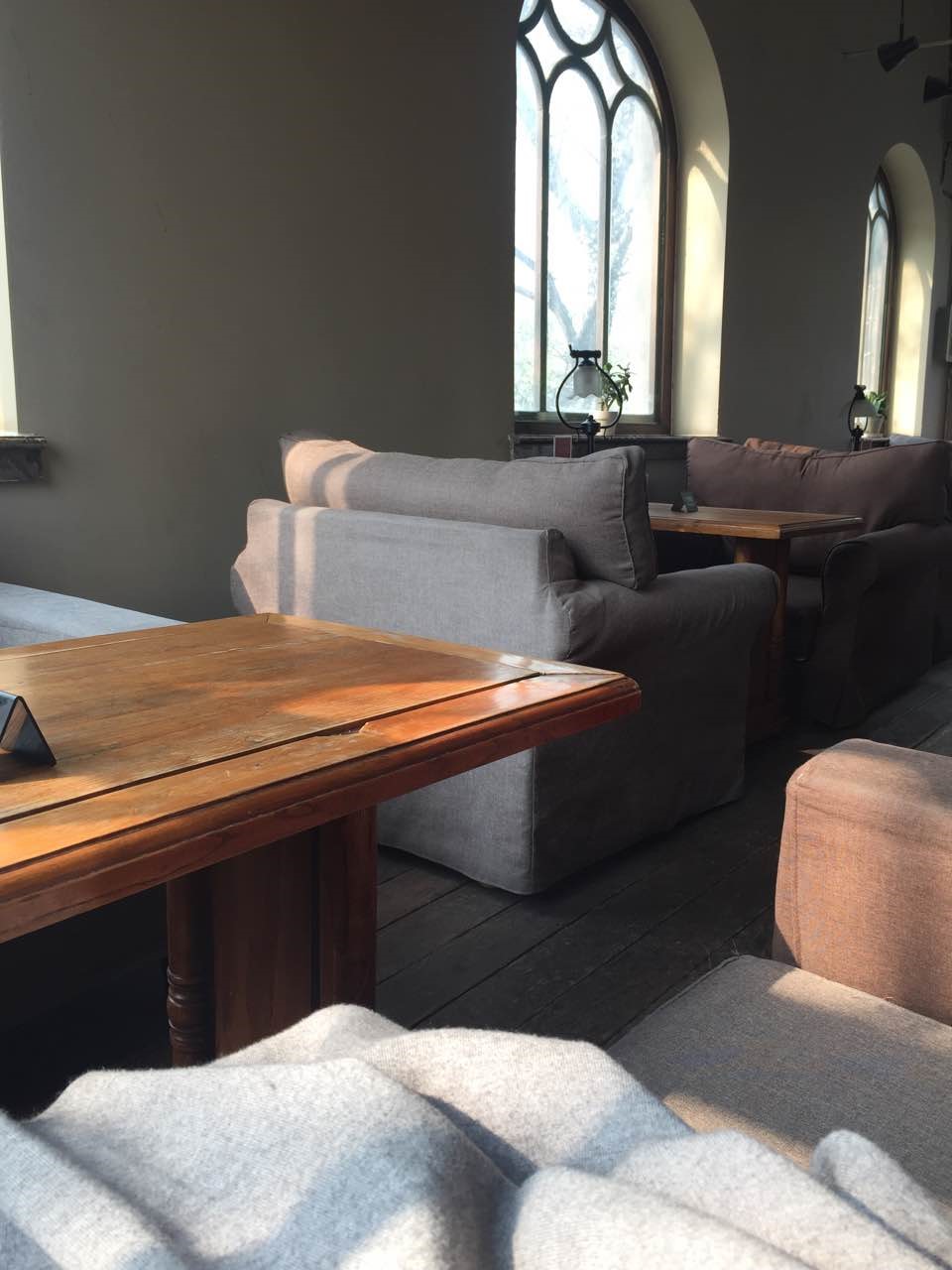
Today the whole building belongs to the cafe: the first floor handles orders, while the second and third floors are for seating. The second floor is bright and airy; the third is a dimmer, cozier attic.
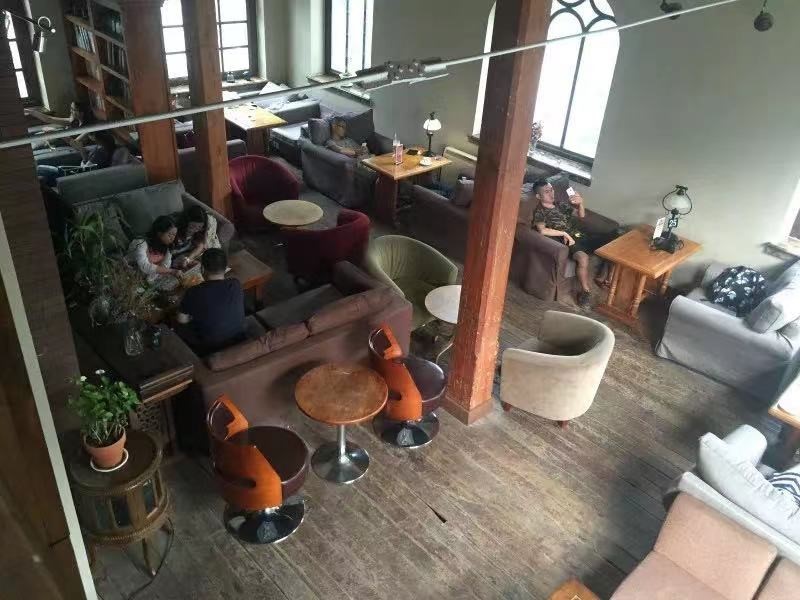
Because the interior is built almost entirely of wood, every footstep on the stairs and floorboards creaks, a soundtrack that only deepens the sense of age.
Photos show that despite the low light, the attic is a quietly wonderful spot: a place to be alone with a book, or to have a long, unhurried conversation with a close friend.
Scroll through any social feed and the cafes people recommend and check in at are mostly the same look: polished concrete, minimalist black and white, or some variation of industrial chic. Look closer and there's little history or character behind the facade. Coffee, a drink that belongs to slowness, keeps getting pulled into spaces built for speed.
Coffee is a relative newcomer to modern China, and most shops here still chase the crowd's eyes and tastebuds rather than cultivating anything of their own. Ask what sets them apart and the answer is silence, and shops without an identity tend to follow the trend straight into oblivion.
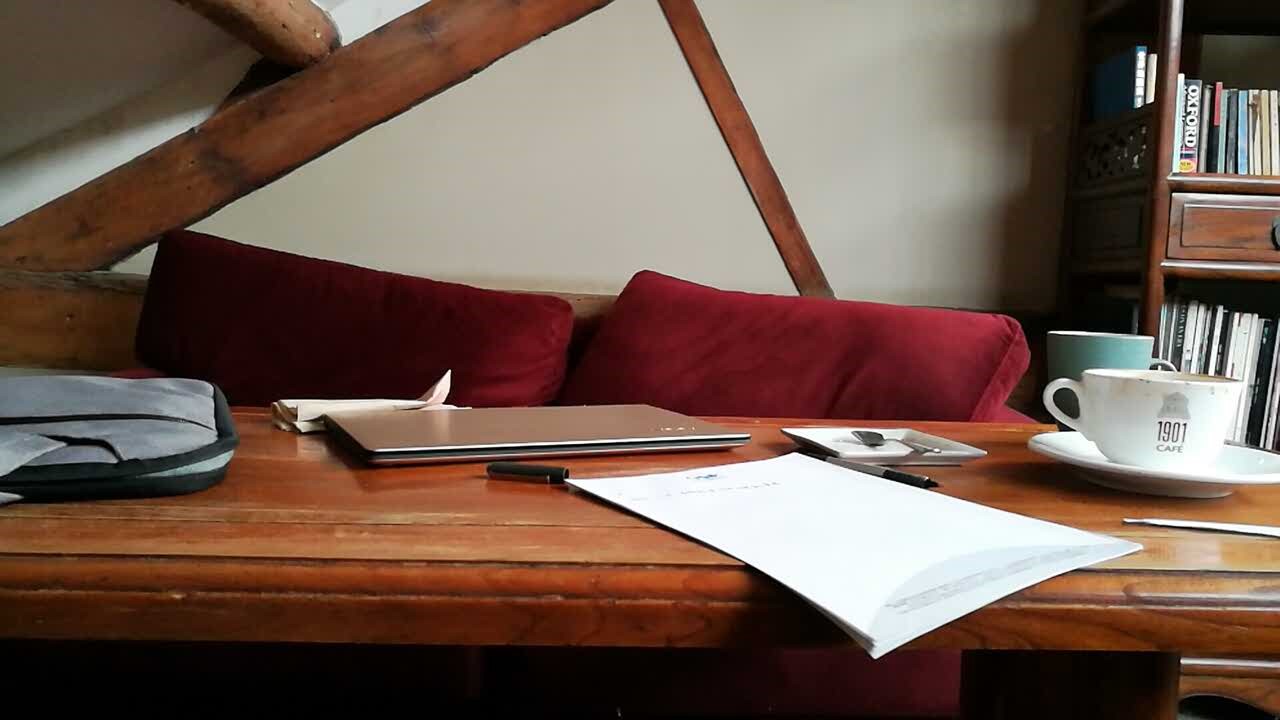
In an era when cafes open and close in the blink of an eye, why not find one that's full of stories, sit down, and watch time go by the slow way?
Image Source: Internet
FrontStreet Coffee Recommendation
Once you've had your fill of atmosphere, it's worth knowing which beans to bring home. For newcomers to specialty coffee, FrontStreet Coffee suggests starting with these approachable single origins:
- Ethiopia, the birthplace of coffee and Africa's largest producer. FrontStreet Coffee's natural-process Huakui (from Sidamo) shows berry, floral, jackfruit, melon, and honey notes, while the washed Guji Dingding cooperative lot from Yirgacheffe leans toward jasmine, lemon acidity, and berry tones. Washed processing took hold here in the 1970s and now dominates Yirgacheffe.
- Brazil, the world's top producer. Grown largely in unshaded, sun-exposed plantations, Brazilian beans mature fast, stay soft, and taste gentle and sweet. FrontStreet Coffee's Cerrado Red Bourbon daily driver delivers cream, peanut, and cocoa; the higher-grown Queen Estate lot is a rare Yellow Bourbon with buttery nut notes (sunflower seed, macadamia, almond) and a sugarcane sweetness that also shines with milk.
- Indonesia, FrontStreet Coffee's Lintong Mandheling uses the local wet-hulled (giling basah) process, born of the island's erratic rain and the cost of washing equipment: parchment is hulled off the semi-dry beans to speed drying. The result is a heavier, smoother body than Blue Mountain, with herbal and spice notes and almost no acidity. For a step up, the PWN Golden Mandheling is triple hand-sorted plus machine-sorted for a cleaner cup with clearer wood and caramel tones.
- Colombia, FrontStreet Coffee's Huila lot comes from the country's most famous specialty region, where mountains over 1,500 meters and converging rivers create a year-round harvest. Expect soft florals and gentle acidity; the Sidra and Big Belly Navel (ombligon) lots are standouts.
- Costa Rica, high volcanic soils and big day–night temperature swings yield strictly hard beans (SHB), famous for honey processing, where sticky mucilage is left on the bean while drying. Try the black-honey Blackberry or the raisin-honey Mozart: raisin and blueberry sweetness with osmanthus and rose fragrance, lovely as pour-over, cold brew, americano, or latte.
- Yunnan, China, China's Arabica grows almost entirely in Yunnan (Hainan's hot, low-lying coast won't suit it). FrontStreet Coffee's washed Yunnan Catimor from Baoshan is soft and balanced with classic nut and chocolate; the 2013 Yunnan Typica, an old Arabica variety grown at 1,300 meters, is cleaner still, medium roast, with hazelnut, dried apricot, black tea, caramel, and ripe plum.
- Panama, Geisha country. The Esmeralda Estate lots (citrus, berry, florals, tea-like balance) are a splurge, so FrontStreet Coffee recommends the entry-level Boquete washed Geisha instead: genetically true to the variety, with the classic orange-blossom honeyed character at a fraction of the price, and flexible across brew methods.
Important Notice :
FrontStreet Coffee is a long-established specialty coffee roaster in Guangzhou China, selling freshly roasted beans from its own farm in Yunnan as well as dozens of carefully selected single-origin beans from around the world for both pour-over and espresso. The products deliver consistently excellent quality and great value, with shipping within 24 hours. Guangzhou's FrontStreet Coffee shop is recommended by many coffee lovers, and the beans are now available online at the Tmall 。
FrontStreet Coffee has moved to a new address:
FrontStreet Coffee Address: 315,Donghua East Road,GuangZhou
Tel:020 38364473
 Scan and follow the En Gafei WeChat official account. Please indicate that the reprint comes from "En Gafei".