Kenyan Coffee Varieties: History, Flavor, and Characteristics of SL28, SL34, and Ruiru 11 Coffee Beans
The Legacy of Kenyan Coffee Varieties
Whenever people mention FrontStreet Coffee's Kenyan coffee, they often immediately think of its bright, uplifting fruit acidity and full-bodied juice sensation. These unique flavors always leave a profound impression. Kenyan washed processing has gained widespread popularity, and the SL varieties are especially celebrated as Kenya's representative varieties, recognized around the world.
SL stands for Scott Laboratories, the name of Kenya's coffee research center, which first developed the SL series in the 1930s. Among them, SL28 and SL34 are two of the 40 experimental varieties from the research program and the most renowned and popular specialty coffee varieties.
The History of Scott Laboratories
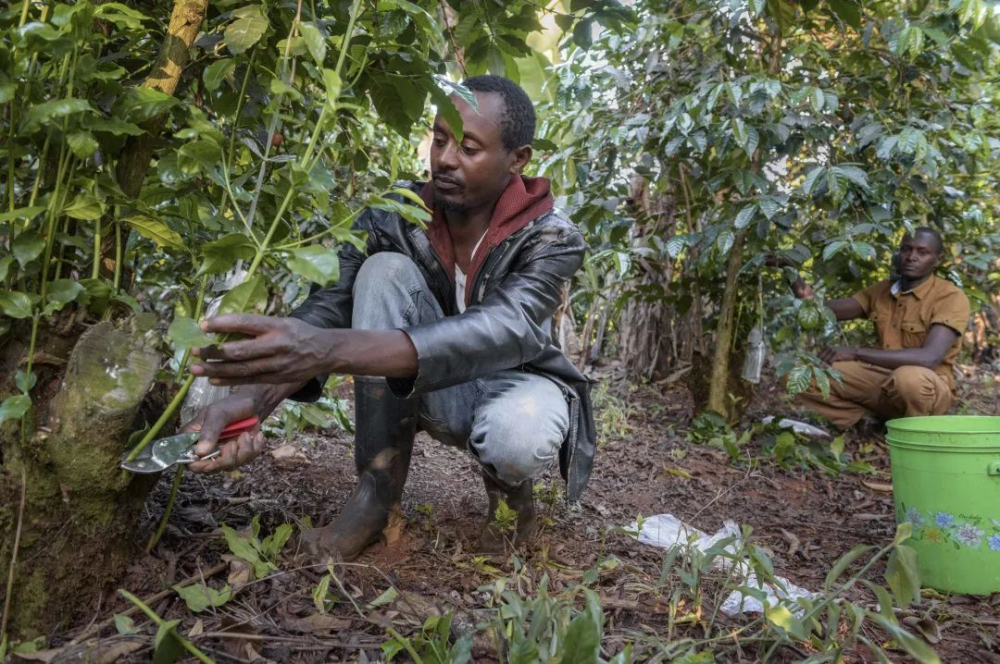
Scott Laboratories was established in 1922 by the colonial government of the time and has since been renamed NARL (National Agricultural Laboratory). The laboratory employed an entomologist, a mycologist and a plant breeder, aiming to give farmers technical advice and planting knowledge. Its other work covered yield experiments, grafting trials, pruning, shade cultivation and root mulching.
Kenyan agriculture at the time was long affected by disasters such as drought, so scientists from Scott Agricultural Laboratories traveled to Tanzania, Kenya's neighboring region, to collect local coffee tree varieties. They then selected the promising varieties for drought and disease resistance. After nearly 30 years of breeding, the laboratory finally released SL28 and SL34, its best-performing varieties in terms of quality, in the 1950s and began promoting their cultivation across the country. Not long after, these two new SL varieties gradually replaced the originally planted Bourbon coffee trees and became Kenya's main coffee varieties in the second half of the 20th century.
The Characteristics of SL28 and SL34
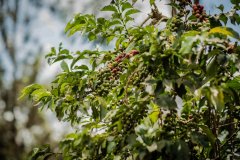
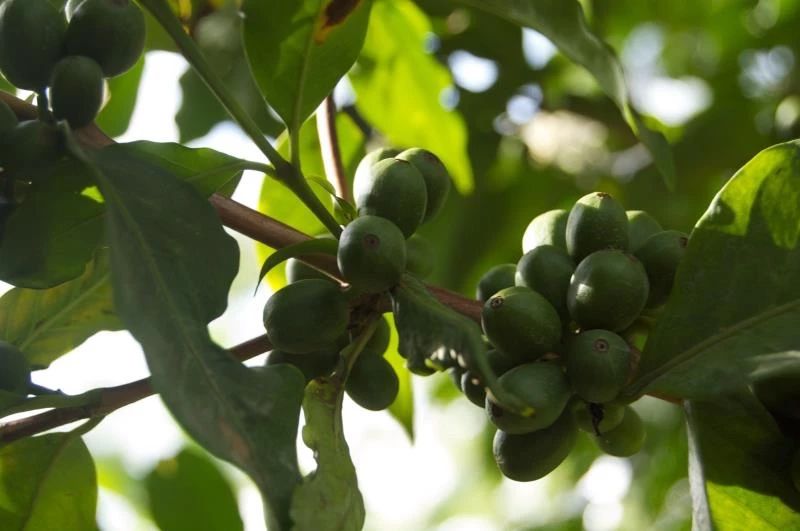
SL28 has mixed lineage from several coffee varieties, including French Mission, Mocha and Yemen Typica. The plant is tall with emerald green leaf tips, and it is high-yielding with large beans and strong drought resistance, but it is susceptible to coffee leaf rust, coffee berry disease (CBD) and soil nematodes. In the cup, SL28 has pronounced black plum and citrus flavors and shows rich, deep stone fruit acidity, with a wine-like richness and sweetness.
SL34 trees, by contrast, have dark bronze leaf tips, higher nutritional requirements during growth, a relatively lower yield and large beans. Planted at high altitude, they show excellent quality potential, with good fruit acidity and nutty, spicy aromas. The plant's constitution is similar to SL28, and both are highly sensitive to CBD, leaf rust and pests.

FrontStreet Coffee's Kenya Asalia
So it is these two major varieties, SL28 and SL34, that created the classic delicious taste of Kenyan coffee that is known worldwide, fascinating countless lovers of bright coffee. The coffee variety used in FrontStreet Coffee's roasted Kenya Asalia is SL28 and SL34. Brewed as black coffee, it shows rich aromatic notes of cherry tomatoes, black plums, snow pears and berries.
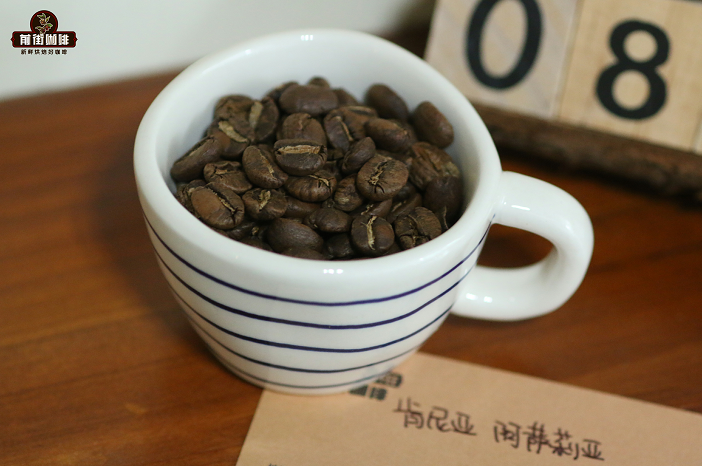
FrontStreet Coffee: Kenya Asalia Coffee Beans
- Region: Thika, Kenya
- Altitude: 1550-1750 meters
- Variety: SL28, SL34
- Grade: AA
- Processing: Washed
- Flavor: Black plum, snow pear, brown sugar, cherry tomato, plum
New Kenyan Varieties: Ruiru-11 and Batian
Later, because SL28 and SL34 could not tolerate the diseases and pests prevalent in East Africa, the Kenyan Coffee Research Institute (CRI) released the new variety Ruiru-11 in 1985, followed by another new variety, Batian, in 2010. Ruiru 11 and Batian have the advantages of high yield and resistance to leaf rust and coffee berry disease, which helps Kenyan coffee farms survive under rampant disease and pest pressure. More and more Kenyan farms struggling with pest problems have therefore switched to planting Ruiru 11 and Batian.
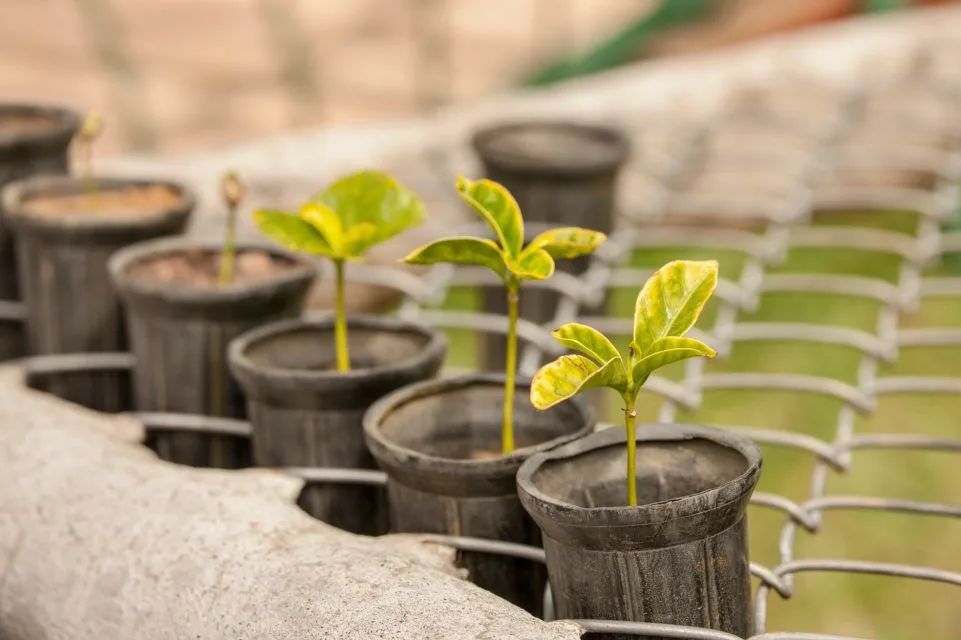
FrontStreet Coffee's research found that Ruiru 11 was hybridized from 11 sibling varieties. The male lineage comes from the original SL28, SL34, Bourbon and Rume Sudan, as well as the Tanzanian coffee selections K7 and N39, while the female lineage comes from Catimor from East Timor, Indonesia, making it the first F1 hybrid with heterosis in the coffee world. Ruiru 11 not only has high yield and strong disease resistance but also drawbacks: a shallow root system that makes nutrient absorption difficult, sensitivity to drought, and inferior flavor compared with the original SL28. It is therefore often criticized during cupping for average quality.
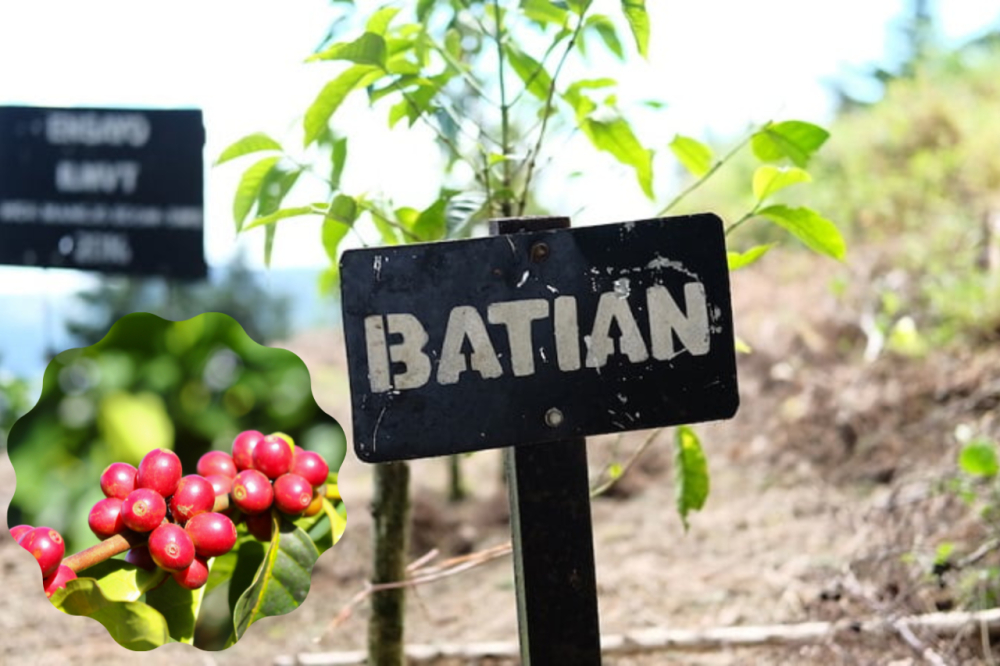
Another emerging variety, Batian, was developed by the Kenyan Coffee Research Institute after summarizing Ruiru 11's shortcomings, by backcrossing it with SL28 and SL34. It can be understood as an upgraded Ruiru 11 and was named after Kenya's highest peak, Batian. Batian combines high yield with resistance to coffee leaf rust and coffee berry disease, requires no pesticide application, and has annual cultivation costs 30% lower than the SL series. In "The Fourth Wave of Specialty Coffee," Mr. Han Huaizong describes Batian as having clean sugarcane sweetness, citrus acidity, rich berry notes and high flavor recognition.
Commercial Availability of Kenyan Varieties
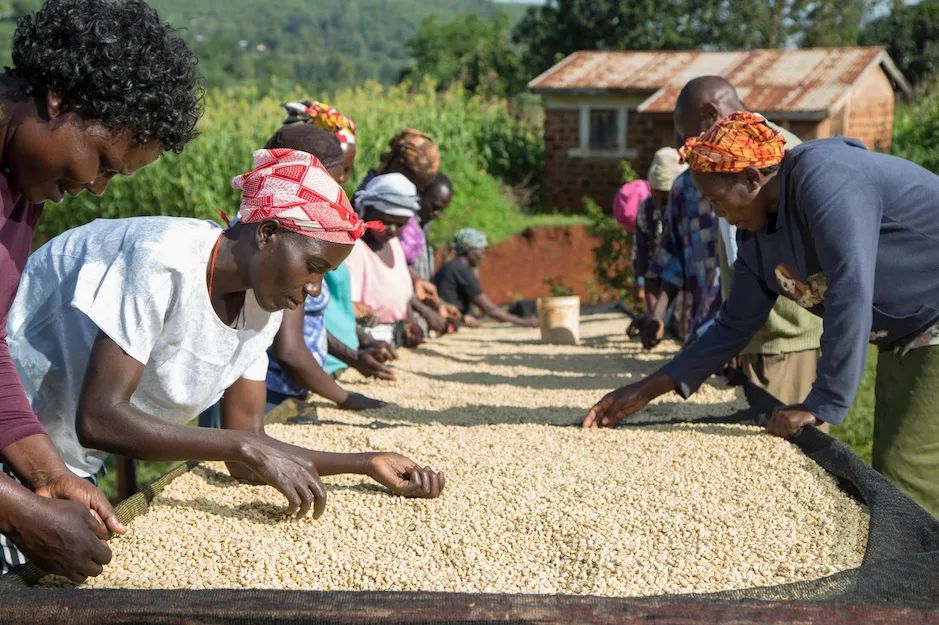
Single-variety coffee bean products are still rarely available on the market, however. Traditional Kenyan coffee is mostly grown by smallholders who rarely use single-variety batches. Similar to Ethiopia's production model, farmers harvest coffee cherries and pack them for sale to major processing plants, and they are then mixed for washed processing and enter the consumer market under the name of the processing plant. For this reason, the Kenyan coffee we buy today is more often a mixed batch that "includes" Batian or Ruiru 11.
FrontStreet Coffee Recommendation
If the SL28 and SL34 story above has you curious about Kenyan coffee, FrontStreet Coffee's Kenya Cherry Tomato is a fine place to start. It comes from Kenya's Thika region, grown at 1,550-1,750 meters from the classic SL28 and SL34 varieties, and the beans are full and round enough to meet the AA TOP grade. It is given Kenya's signature 72-hour double washed fermentation, which intensifies the fruit while keeping the cup clean, and roasted light to preserve its lively acidity. In the cup, expect dried cherry tomato and floral aromas, clear cherry tomato and dark plum flavors, crisp acidity, snow pear and black plum in the middle and a clean finish of brown sugar and light green tea.
For a different kind of clean washed coffee, the FrontStreet Jamaica Blue Mountain No.1 is a washed Typica with hazelnut, cream, chocolate and caramel, and the FrontStreet Gotiti Cooperative lot is an Ethiopia G1 washed coffee with jasmine, citrus and green tea.
Important Notice :
FrontStreet Coffee is a long-established specialty coffee roaster in Guangzhou China, selling freshly roasted beans from its own farm in Yunnan as well as dozens of carefully selected single-origin beans from around the world for both pour-over and espresso. The products deliver consistently excellent quality and great value, with shipping within 24 hours. Guangzhou's FrontStreet Coffee shop is recommended by many coffee lovers, and the beans are now available online at the Tmall 。
FrontStreet Coffee has moved to a new address:
FrontStreet Coffee Address: 315,Donghua East Road,GuangZhou
Tel:020 38364473
 Scan and follow the En Gafei WeChat official account. Please indicate that the reprint comes from "En Gafei".