How to Brew Light Roast Pour-Over Coffee Without Acidity - Differences Between Dark Roast and Light Roast Coffee Beans
We often settle into a habit: once one brewing method works well, we apply it to every bean. That is not entirely wrong, but you will notice that even with identical technique, the grounds bed behaves very differently from bean to bean. So we need to learn to adapt the brew to each coffee's characteristics.
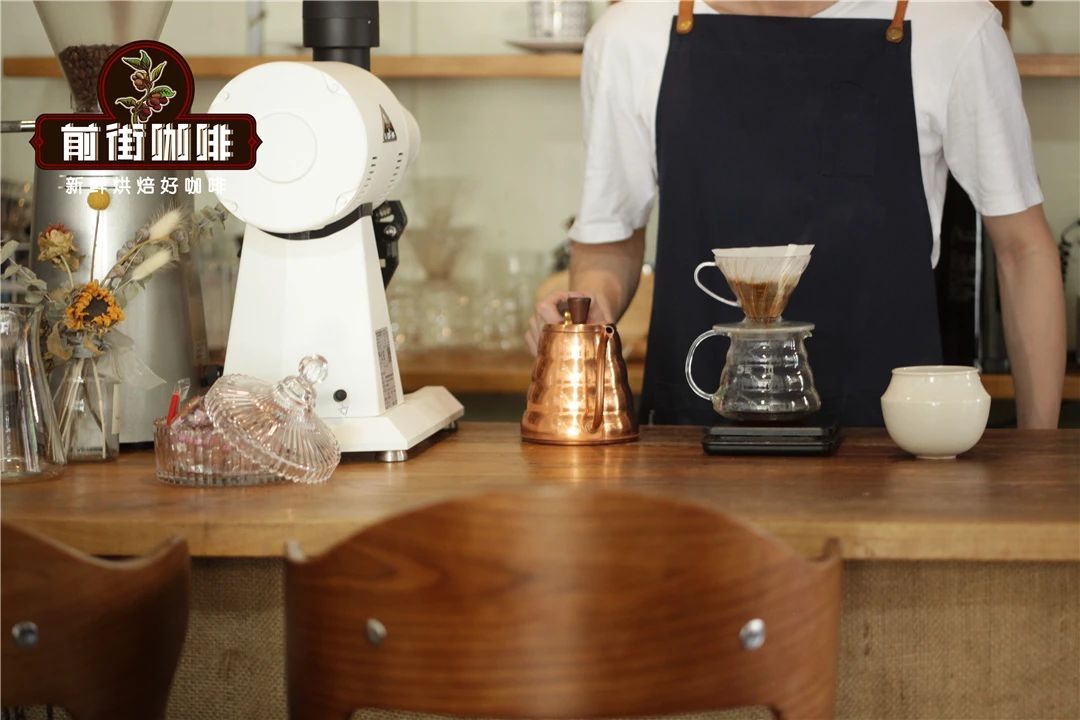
How Does the Grounds Bed Behave Differently?
Here the focus is on the differences between light roast and dark roast. When brewing the two, FrontStreet Coffee typically uses a coarser grind for dark roasts than for light roasts, and a lower water temperature for dark roasts. One reason is that dark roast beans have a more porous structure, which anyone using a hand grinder will notice, so they absorb water better and release compounds more easily. Dark roast coffee generally features rich, bitter flavors like chocolate and nuts, so adjusting these parameters helps prevent excessive bitterness.
Several differences stand out when brewing light and dark roasts:
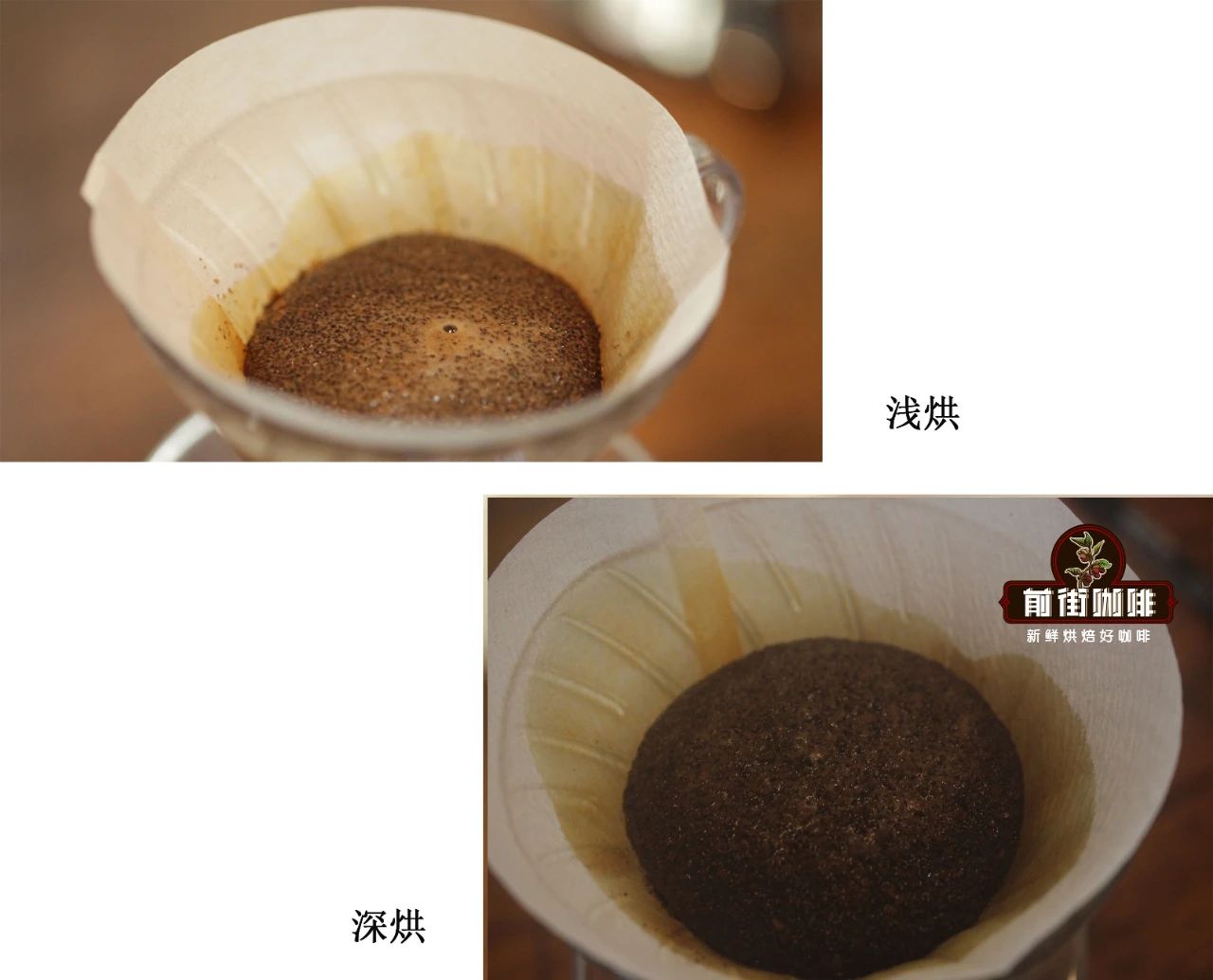
① The Bloom "Burger"
During blooming, dark roast coffee typically expands into a pronounced "coffee burger," an impressive dome of bloomed grounds. Light roast coffee blooms far less, and Nordic-style light roasts quite often show almost no expansion when they meet water.
FrontStreet Coffee often notes that a lack of blooming with correct parameters usually signals stale beans, but some light roasts naturally release less gas without any harm to flavor. If a dark roast shows no bloom at all, though, it is 100% stale.
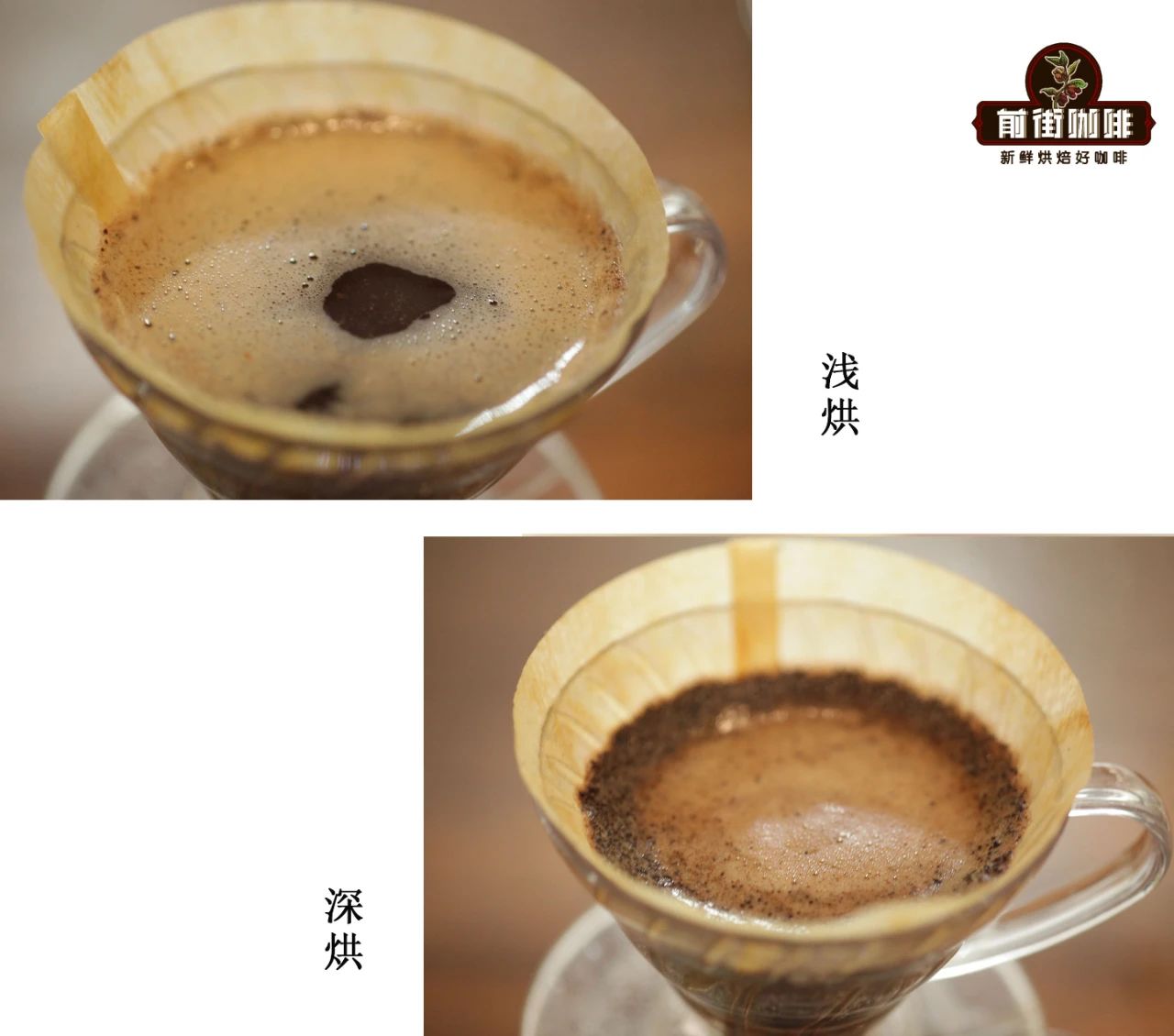
② Coffee Foam
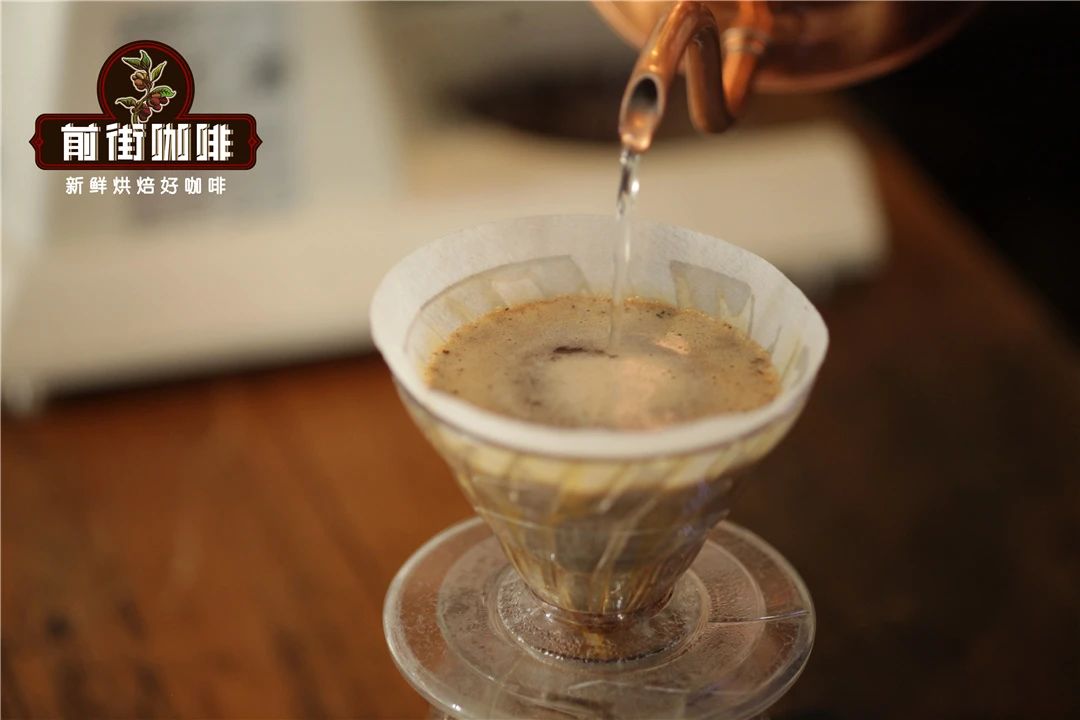
During the pour after blooming, dark roast coffee produces very active, abundant foam that gushes up, brown in color and carrying many large coffee particles. Light roast coffee, by contrast, produces golden foam that is correspondingly less abundant.
Once the pour is complete, the foam on dark roast coffee turns golden but stays plentiful. The surface foam on light roast coffee has already turned whitish and looks thin.
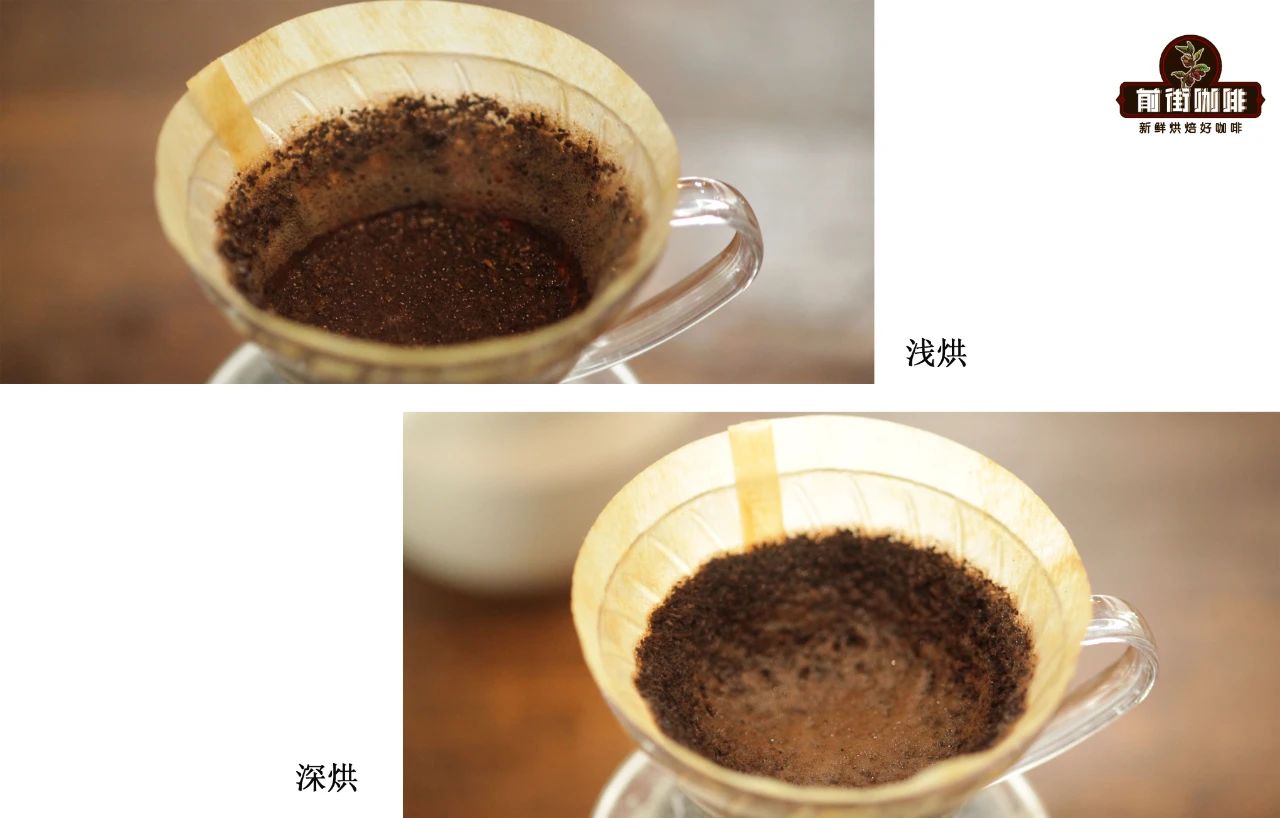
③ The Coffee Bed After Brewing
Brewing light and dark roast coffees with identical technique, light roast coffee forms a thinner grounds bed along the edges of the dripper, which is more prone to imperfections. Dark roast coffee creates a thicker bed, with abundant foam clinging to it.
What Are the Different Brewing Techniques?
Light Roast Brewing Method:
During blooming, make sure all the grounds are thoroughly saturated. Because light roast coffee does not expand as noticeably as dark roast, use wider circular motions while pouring the bloom water. Light roast beans are also denser and relatively harder, producing more fine particles when they fracture during grinding. That is why light roast coffee tends to clog more than dark roast.
During the pour after blooming, use a faster circular motion while keeping the water stream vertical. This increases the stirring power of the water column and builds the coffee's layered complexity. In the final stage, use a large flow with rapid circular motions to lift the fine particles that have settled at the bottom and promote better drainage.
Dark Roast Brewing Method:
Dark roast coffee absorbs water easily and expands, so during the pour only small circular motions are needed, which makes it easier to handle than a light roast.
During the pour after blooming, use a gentler technique with no deliberate stirring, which can easily create bitter, muddled flavors. Use a slow, even circular pour at roughly 5g/s.
FrontStreet Coffee recommends a standard 1:15 coffee-to-water ratio for dark roasts. If you prefer a richer cup, you can use 1:13.
FrontStreet Coffee Recommendation
For light roast, where a wider bloom and faster pour pay off, FrontStreet Coffee's Ethiopia Yirgacheffe Gotiti Cooperative and FrontStreet Coffee's Kenya Cherry Tomato are both excellent demonstrations. Gotiti shows white-flower sweetness, citrus acidity, and a green-tea finish, while the Kenyan bean, from Thika at 1550-1750 meters with SL28 and SL34 and a 72-hour double washed fermentation, brings a vivid cherry tomato and smoked plum acidity with a full, juicy body.
FrontStreet Coffee's Ethiopia Huakui and Colombia Finca El Diviso Sidra also belong in the light-and-medium camp: the first shows cream strawberry, guava, and mango, and the second, an anaerobic natural roasted medium-light, brings passion fruit, grape, and apricot.
For the dark side, where a gentler pour and lower temperature keep bitterness in check, reach for FrontStreet Coffee's PWN Sumatra Golden Mandheling. Roasted deep, it has very low acidity and a full, long body packed with herbal and dark chocolate notes over a faint earthy touch, and it suits anyone who likes a heavier, low-acid cup. FrontStreet Coffee's Jamaica Blue Mountain No. 1 and FrontStreet Coffee's Brazil Queen's Farm are the balanced, medium-dark alternatives.
Important Notice :
FrontStreet Coffee is a long-established specialty coffee roaster in Guangzhou China, selling freshly roasted beans from its own farm in Yunnan as well as dozens of carefully selected single-origin beans from around the world for both pour-over and espresso. The products deliver consistently excellent quality and great value, with shipping within 24 hours. Guangzhou's FrontStreet Coffee shop is recommended by many coffee lovers, and the beans are now available online at the Tmall 。
FrontStreet Coffee has moved to a new address:
FrontStreet Coffee Address: 315,Donghua East Road,GuangZhou
Tel:020 38364473
 Scan and follow the En Gafei WeChat official account. Please indicate that the reprint comes from "En Gafei".