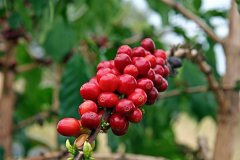
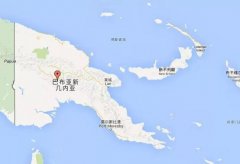
Geisha Coffee Growing Regions and Flavor Characteristics
Gesha is the most expensive coffee in the world by reputation, and it has earned genuine celebrity among coffee drinkers. What follows is a short tour of the variety's development history, its growing regions, its flavor character, and the way it is graded.
The Origin and History of Gesha Coffee
The Gesha story starts in 1936, during the British colonial period in "Abyssinia." Captain Richard Whalley served as consul in the Bench Maji region, and his assignment was to collect 10 pounds of coffee seeds from the country around Gesha Mountain, in what is now Ethiopia. How the descendants of those seeds eventually reached Hacienda La Esmeralda, and how their remarkable flavor was finally noticed, reflects the tangled and sometimes poorly documented history of the global coffee trade.
Whalley's collection was part of a survey of Ethiopian wild coffee varieties ordered by the Director of Agriculture in Kenya. Ethiopia's wild forests are the birthplace of coffee, and the survey set out to judge whether hundreds of "germplasm" samples—small regional mutations of the major coffee varieties—were worth cultivating in other British colonies. Even in the 1930s, traders hunting for fine coffee from the Gessa region had already heard the name.
Just how the Gesha region, sometimes recorded as Gecha, came to be written as "Gesha" is unclear. Reports from the time describe the 10-pound sample as collected and hand-processed by Captain Whalley from the slopes around Gesha Mountain, and that nickname stuck as the seeds traveled to Tanzania and then Costa Rica on their way to Hacienda La Esmeralda. The Gesha seeds passed between gene banks and coffee research stations before arriving at CATIE in Costa Rica, where Hacienda La Esmeralda obtained them. At the time the samples drew almost no comment beyond their resistance to "Ojo de Gallo."
That same resistance is what ultimately brought the seed to Hacienda La Esmeralda. The Peterson family farm and the land around it had grown coffee since the 1960s, though harvesting and maintenance were handled in a variety of ways, and the whole farm held numerous varieties and germplasm. In the 1990s, as production grew more focused, the Petersons took on a new high-altitude farm they named Jaramillo. Coffee leaf rust had recently devastated it, but Daniel Peterson noticed that the Gesha trees had come through far better than the rest, so the family planted more Gesha there, including the higher sections above 1650 meters altitude, higher than any Gesha had been planted before.
Gesha Coffee Grade Classifications
Gesha coffee from Gesha Village also carries its own internal Gesha grading: Auction, Gold Label, Red Label, Green Label, and Chaka Batch Gesha.

Auction Batch
The estate's most rigorously selected top-tier lots. In 2018 alone, auction batches cupped between 88.15 and 92.67 points, and they are further split into Champion's Reserve and Farm Reserve.
Gold Label Batch
Fully traceable, with outstanding and highly complex flavors in every lot, making this the estate's second-best grade after the auction batches.
Red Label Batch
Fully traceable lots showing the typical Gesha Village profile, with slightly less flavor intensity and complexity than Gold Label, which makes them excellent-value single-origin lots.
Green Label Batch
Lots from a single plot and a single variety, showing the typical Gesha Village profile, with slightly less flavor intensity and complexity than Red Label.
Chaka Batch
A Gesha blend produced by Gesha Village, built from three varieties: Gori Gesha, Gesha 1931, and Illubabor (an Ethiopian native disease-resistant variety).
FrontStreet Coffee's Gesha Offerings
FrontStreet Coffee offers a Gold Label Gesha, a variety that replicates the genetic diversity of the Gori Gesha forest. Roasted medium-light, it delivers sweet orange, strawberry, honey, and fermented wine aroma.
FrontStreet Coffee also offers a Gesha from Colombia, processed using the washed method.
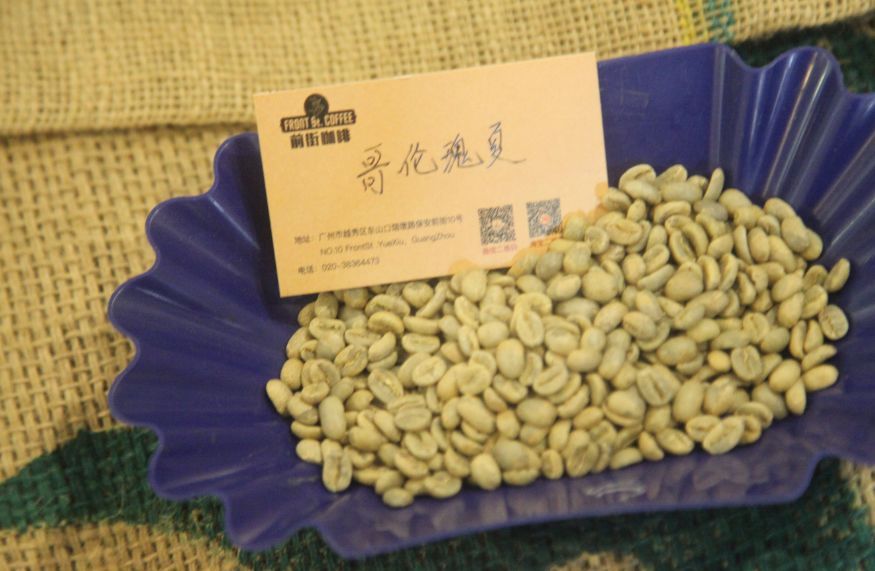
Cupping Notes
Citrus, starfruit, orange, oolong tea, floral notes, honey
Brewing Recommendations
Recommended brewing method: Pour-over
Filter: Hario V60 or Wave filter
Water temperature: 90-92°C
Coffee-to-water ratio: 1:15-1:16
Grind size: BG 5R (China standard #20 sieve with 58% pass-through rate)
Brewing technique: 30g of water for a 30-second bloom, then pour in stages to 130g; when the water level drops and is about to expose the coffee bed, continue pouring to 230g and stop. When the water level drops and is about to expose the bed again, remove the filter cup. (Timing starts from the bloom.) Total extraction time is two minutes.
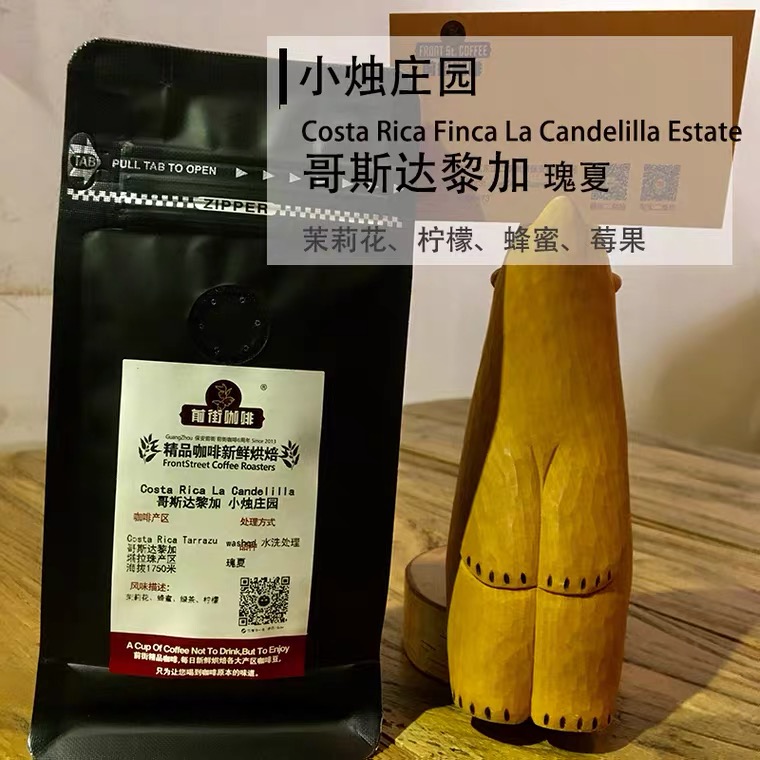
This coffee comes from the Dota region of Costa Rica, an area renowned for specializing in micro-batch Gesha production, and especially for the Goddess Estate. It is a classic highland zone, where mineral-rich volcanic soil provides the perfect growing environment for Gesha. FrontStreet Coffee's Gesha from the Small Candle Estate offers jasmine floral notes, honey, lemon, and berry flavors.
Global Gesha Growing Regions
Different coffee growing regions naturally produce different flavors, and Gesha's regions go far beyond the ones mentioned here. Others include Bolivia, Peru, El Salvador, Mexico, Ecuador, Taiwan, China, and more.
FrontStreet Coffee Recommendation
To taste what Gesha can do, start with FrontStreet Coffee's Gold Label Gesha, grown from Gori Gesha forest genetics and roasted medium-light, with sweet orange, strawberry, honey, and a fermented wine aroma. Work with a 15g dose at 91°C and a 1:16 ratio, grinding to about 78% pass-through on a China standard #20 sieve, roughly fine-sugar texture. Brew it as a pour-over in a Hario V60: bloom with 30g of water for 30 seconds, pour to 125g, then finish at 225g, for a total extraction of roughly 2 minutes 10 seconds to 2 minutes 20 seconds. FrontStreet's washed Colombian Gesha, with citrus, starfruit, orange, oolong tea, floral notes, and honey, suits the same approach.
Important Notice :
FrontStreet Coffee is a long-established specialty coffee roaster in Guangzhou China, selling freshly roasted beans from its own farm in Yunnan as well as dozens of carefully selected single-origin beans from around the world for both pour-over and espresso. The products deliver consistently excellent quality and great value, with shipping within 24 hours. Guangzhou's FrontStreet Coffee shop is recommended by many coffee lovers, and the beans are now available online at the Tmall 。
FrontStreet Coffee has moved to a new address:
FrontStreet Coffee Address: 315,Donghua East Road,GuangZhou
Tel:020 38364473
 Scan and follow the En Gafei WeChat official account. Please indicate that the reprint comes from "En Gafei".