The Development History and Classification Standards of Papua New Guinea Coffee Beans, and Why They're Called Little Blue Mountain Coffee
Origin Information
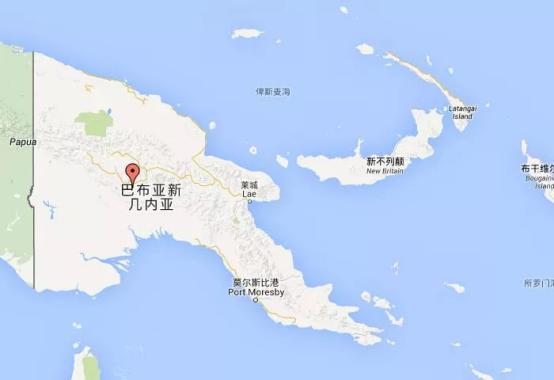
Papua New Guinea (the Independent State of Papua New Guinea, abbreviated PNG) is an island nation in the western South Pacific and the second largest country in Oceania. Its coffee lands sit in the southern plains and lowlands, while the central mountain system - where most of the coffee is grown - runs through the middle of the country. The people here regard the beautiful bird of paradise as a bird of freedom and happiness, a "gift from the spirits." Like the migration of birds, Jamaican Blue Mountain Typica traveled a long way to be cultivated in Papua New Guinea, carrying the same roots as Jamaica's Blue Mountain. The highlands have a mountain climate while lower areas are tropical rainforest: May to October is the dry season and November to April the rainy season, with average coastal temperatures of 21.1°C to 32.2°C, mountain temperatures 5-6°C cooler than the coast, and average annual rainfall of 2500 mm. Papua New Guinea's pristine natural environment, vast fertile land, unique volcanic soils, and abundant rainfall create ideal conditions for coffee. The beans are full, the acidity moderate, and the taste mellow - one of the rare origins offering both a heavy body and a medium acidity, with a pleasant acidity and fruit-like sweetness.
Papua New Guinea coffee was first introduced by Dutch sailors in the late 18th century, with cultivation beginning in the 1890s. In 1931, Typica arrived from Jamaica. In 1950, Bourbon varieties were introduced from Kenya, and in 1962 Mundo Novo and Caturra came from Brazil - since then, the quality of Papua New Guinea coffee beans has improved enormously.
Growing Regions
Most of Papua New Guinea's coffee grows in the highlands, which are divided into two main provinces: the Eastern Province and the Western Province. In the Eastern Province, coffee is usually grown around Goroka and Kainantu, with the Arona and Purosa estates the most famous. In the Western Province, coffee is produced around the outer ring of Mount Hagen City. The Kimel Estate, north of Mount Hagen, produces high-quality beans, and the Wahgi Valley at Mount Hagen is famous for its ideal coffee climate and fertile volcanic soil. The Bird of Paradise Estate comes from the Wahgi Valley.
Processing Method
A unique three-stage washing method - three washes of 24 hours each - achieves complete removal of the pulp, after which the beans are finished by natural sun-drying.
Papua New Guinea Coffee Classification
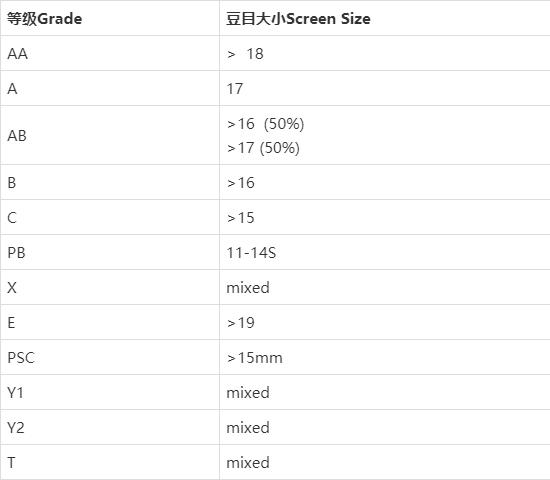
Papua New Guinea coffee grades: 12 grades in total, classified by defects and judged on six criteria:
- Bean size
- Total defect Equivalent per kg
- Bean shape
- Raw bean Colour
- Odour
- Roasting Aspects
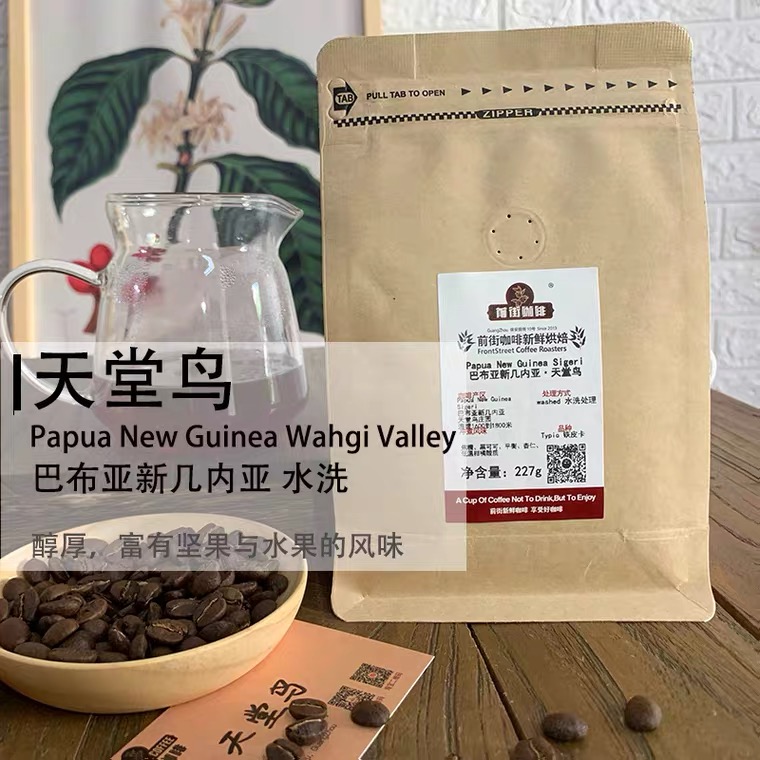
FrontStreet Coffee's beans from Papua New Guinea's Wahgi Valley Bird of Paradise are medium-roasted, offering a rich body with nutty and fruity flavors.
FrontStreet Coffee Recommendation
Papua New Guinea's Typica lineage is the same one that made Jamaica famous, and if you want to taste the original of that family tree, the FrontStreet Coffee Jamaica Blue Mountain No.1 is the definitive expression. Sourced from the historic Clifton Estate - growing coffee since roughly 1750 at an average of 4,300 feet (1,310.64 meters) - it comes with complete origin certification and the traditional wooden barrels (15kg, 45kg, and 70kg) in which authentic Blue Mountain coffee has always been shipped. Roasted medium-dark, it shows the classic harmony of hazelnut, cream, chocolate, and caramel, with the mild, seamless balance that made "Blue Mountain" a household name worldwide.
Brewing the two side by side is a wonderful exercise. For the Blue Mountain No.1, FrontStreet Coffee suggests resting the beans 4-7 days from the roast date, then using a Kono dripper with 15g of coffee at a 1:15 coffee-to-water ratio, a grind slightly coarser than for light roasts (about white-sugar texture), and water at 87-88°C: bloom with 30g of water for 30 seconds, pour to 120g, then finish at 225g with a slightly faster spiral. For the Papua New Guinea Bird of Paradise, a Kono dripper works just as well - its slow, immersion-leaning flow suits the island Typica's rich body, drawing out toast-like sweetness, nutty depth, gentle fruit acidity, and that sweet-spice finish.
Whether you start with the highland coffee of the Wahgi Valley or its Jamaican ancestor, FrontStreet Coffee roasts every batch fresh to order and stands behind full traceability - because coffee this storied deserves to be tasted at its peak, and you deserve to know exactly where it came from.
Important Notice :
FrontStreet Coffee is a long-established specialty coffee roaster in Guangzhou China, selling freshly roasted beans from its own farm in Yunnan as well as dozens of carefully selected single-origin beans from around the world for both pour-over and espresso. The products deliver consistently excellent quality and great value, with shipping within 24 hours. Guangzhou's FrontStreet Coffee shop is recommended by many coffee lovers, and the beans are now available online at the Tmall 。
FrontStreet Coffee has moved to a new address:
FrontStreet Coffee Address: 315,Donghua East Road,GuangZhou
Tel:020 38364473
 Scan and follow the En Gafei WeChat official account. Please indicate that the reprint comes from "En Gafei".