What is Latte Coffee What is Cappuccino Coffee Latte Coffee Preparation Suggestions
Latte and Cappuccino at FrontStreet Coffee
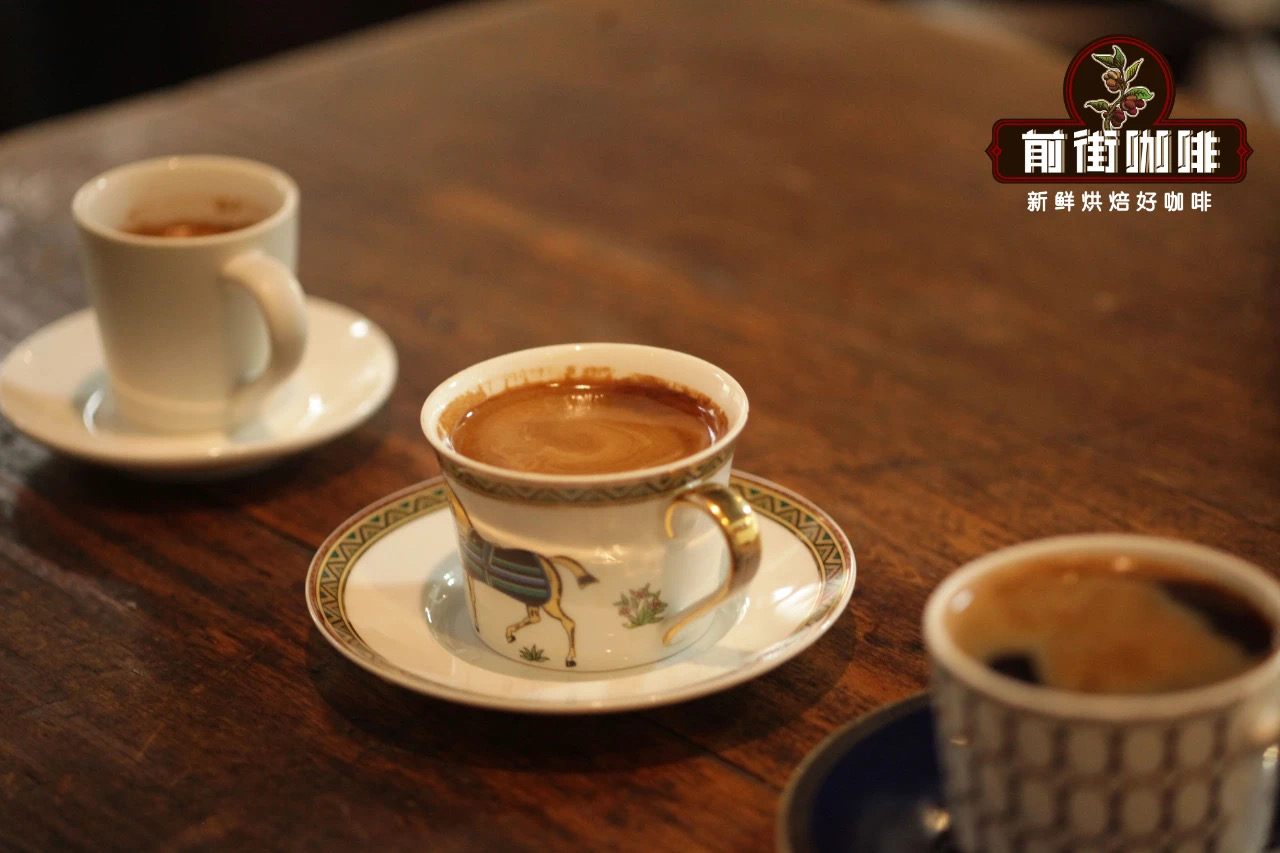
Order a latte at FrontStreet Coffee and you'll find flavors with a whisper of whiskey-like aroma, where lactose sweetness meets coffee acidity in something like a milkshake, finishing on a nutty, hazelnut-like note. The cappuccino runs darker: pronounced liqueur-chocolate flavors wrapped in milk and dense microfoam, a remarkably full-bodied texture, and rich, lingering cocoa with a hint of smoke. If milk-based specialty drinks are your thing, come explore the world of the latte and cappuccino with FrontStreet Coffee.
What Is a Latte?
"Latte" is simply the Italian word for milk — order a "latte" in an Italian café and you may well be handed a glass of plain milk. In Italy, caffè latte means milk coffee. Once espresso machines with steam wands became standard, steaming milk right at the machine became effortless, and the modern latte was born. By the 1980s, baristas in Seattle, Washington, had begun "painting" with well-textured milk — the prototype of latte art.
What Is a Cappuccino?
Cappuccino is a classic Italian drink built from the same three elements as a latte: milk foam, milk, and espresso. At FrontStreet Coffee we distinguish dry cappuccinos from wet ones. A dry cappuccino carries more foam and a richer texture; a wet cappuccino trades some of that foam for a more milky character. Both, however, are noticeably foamy. Shops like ours in China pour the dry style — thicker foam balanced with just enough milk, and a dense texture that has won over plenty of coffee lovers.
Hot Latte Recipe
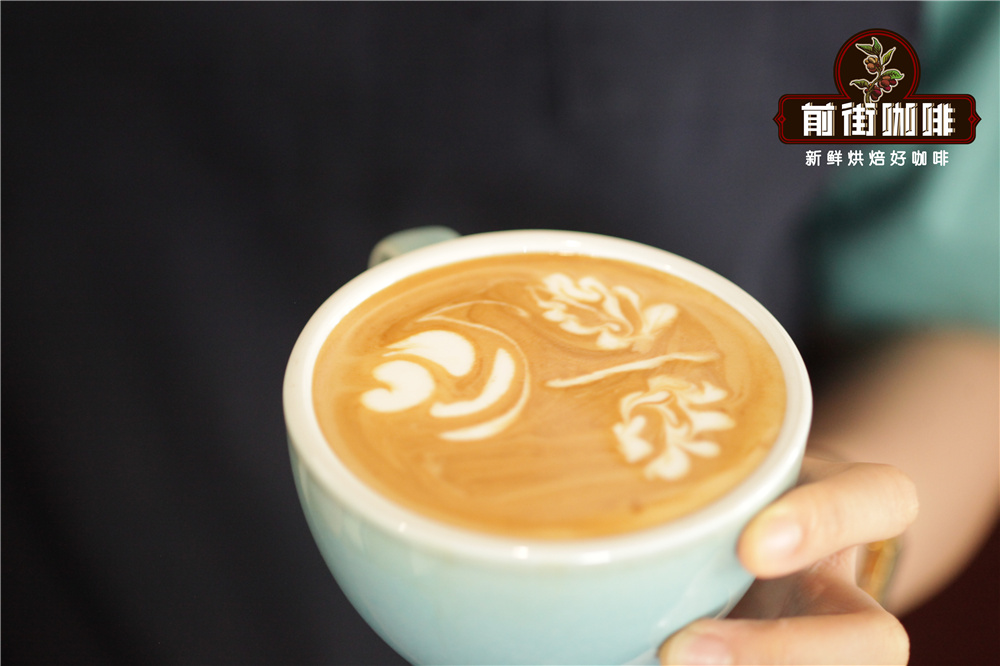
FrontStreet Coffee suggests a coffee-to-milk ratio of 1:6.5 for lattes — 40 ml of espresso to 260 ml of hot milk. Pour the milk in a circular motion so it folds thoroughly into the espresso, and you have a hot latte. Heating fresh milk releases the lactose sweetness at its best, and evenly blended with espresso the drink tastes naturally sweet of milk without burying the coffee — the milky backdrop actually amplifies the espresso's flavors.
Cappuccino Recipe
Cappuccinos are almost always served hot: iced, the foam dissolves in short order and you're basically drinking a latte.
For cappuccinos, FrontStreet Coffee suggests a ratio of 1:3.5 — 40 ml of espresso to 140 ml of hot milk. Pour the milk in circles to marry it fully with the espresso, finish with a simple flower pattern, and your cappuccino is ready.
FrontStreet Coffee Recommendation
Great milk drinks start with the right beans. For learning latte art at home, FrontStreet Classic Blend is the natural pick — a medium-dark, three-origin espresso recipe inspired by the old-school "Mandheling-Brazil" (Mamba) combination, with a touch of Robusta for extra aroma and crema. Expect clear notes of butter, toasted bread, and caramel cookie, a bold and solid body, fine crema, and remarkably stable extraction — an essential home coffee for beginners.
If you lean toward nutty, intense espresso, the FrontStreet Signature Blend pairs washed Colombian with pulped-natural Brazil. As espresso it shows nuts, dark chocolate, and caramel; in an Americano, latte, or flat white it brings out smooth cream, almond, and cocoa — with crema that stands up to café quality and more than enough forgiveness for practicing your rosettas. Aspiring café owners should also look at the FrontStreet Commercial Blend, which adds a little Robusta to the Signature recipe for deeper brown crema and extra body, making milk drinks and latte art effortless at volume.
Important Notice :
FrontStreet Coffee is a long-established specialty coffee roaster in Guangzhou China, selling freshly roasted beans from its own farm in Yunnan as well as dozens of carefully selected single-origin beans from around the world for both pour-over and espresso. The products deliver consistently excellent quality and great value, with shipping within 24 hours. Guangzhou's FrontStreet Coffee shop is recommended by many coffee lovers, and the beans are now available online at the Tmall 。
FrontStreet Coffee has moved to a new address:
FrontStreet Coffee Address: 315,Donghua East Road,GuangZhou
Tel:020 38364473
 Scan and follow the En Gafei WeChat official account. Please indicate that the reprint comes from "En Gafei".