Geisha Coffee: The Citrus and Bright Floral Fruit Flavor that Defines Panama's Premium Varieties
FrontStreet Coffee · Introduction to Panama Premium Coffee Beans
Panamanian coffee is renowned for its balanced acidity and sweetness, its gentle and refined character, and its unique, rich aroma. Among them, Geisha coffee - famous for intense citrus notes and bright floral and fruit flavors - has gained the most recognition. In recent years it has been highly praised by coffee enthusiasts, not only sparking a trend of competitive bidding for Geisha beans but also prompting various coffee-growing regions to compete in cultivating the variety.
Bordered by Costa Rica and Colombia, Panama enjoys a tropical maritime climate with significant day-night temperature variation and abundant rainfall, creating ideal conditions for coffee cultivation. Because the year is clearly divided into dry and rainy seasons, both natural (sun-dried) and washed processing methods have developed to great maturity.
In 1780, Europeans introduced the first batch of Typica coffee varieties from Ethiopia, marking the beginning of Panama's coffee cultivation. Initially, relatively unknown Panamanian coffee beans remained obscure for a considerable period, until 1963, when the Geisha variety, known for its excellent disease resistance, was introduced. Then in 1996, various Panamanian coffee estates jointly established the Panama Coffee Association to facilitate exchange and organize competitions. This enabled Panama to win the championship in a coffee cupping competition in 2004, successfully making Panamanian Geisha coffee stand out from the crowd.
Panama Coffee Bean Renowned Growing Regions
The main coffee-growing regions in Panama can be divided into the Boquete region, the Volcan region, the RENACIMIENTO coffee region, the Santa Clara region, and the Piedra de Candela region.
Boquete Region
With altitudes ranging from 1,400 to 1,900 meters, Boquete is a town in Panama's Chiriqui province characterized by a microclimate with cool temperatures, misty surroundings, abundant rainfall, and fertile volcanic ash soil. These conditions help slow the ripening of coffee cherries, allowing richer nutrients to accumulate. It is Panama's most famous, highest-producing, and best-quality coffee bean region.
Volcan Region
With altitudes between 2,000 and 3,000 meters, this region is located on the western side of Baru Volcano and near Costa Rica. The average annual rainfall is less than in Boquete, and its flavor profile is characterized by intense sweet fruity aromas. The most renowned estate here is undoubtedly the Hartman family estate. The Hartman Estate uses the locally famous toucan as its logo and successfully promoted Panama's Volcan region coffee. Influenced by the Hartman Estate, many estates in the Volcan region have actively participated in the Best of Panama competition in recent years, achieving excellent results.
RENACIMIENTO Coffee Region
With altitudes ranging from 1,100 to 1,500 meters, this region belongs to Panama's Chiriqui province and is near Costa Rica. It features cool temperatures and abundant rainfall, a typical tropical rainforest environment. Fertile soil, a shared ecosystem of flora and fauna, and microclimates create an excellent environment for coffee cultivation.
Santa Clara Region
With altitudes between 1,500 and 1,900 meters, this region is near the Panama Canal and benefits from irrigation by the clear Chorerra Falls. It enjoys a microclimate with year-round mist and abundant rainfall. Because of its advantageous geographical location, it can conveniently transport coffee beans to various parts of the world.
Piedra de Candela Region
With altitudes ranging from 1,100 to 1,900 meters, the geographical factor of mountain barriers creates a dry environment with significant temperature variation, which greatly contributes to the accumulation of coffee sweetness. This region can be considered the most promising area for developing high-quality coffee at present, and it has gained fame in recent years for its honey processing method.
Geisha - The Ultimate Premium Coffee Bean
When the Geisha variety was introduced in 1963, although it had strong disease resistance, its weak growth habit made cultivation laborious with low yields, so it was not favored by coffee farmers. It was not until the owners of Hacienda La Esmeralda - the Peterson family - discovered the distinctive characteristics and flavors of Geisha that it began to be carefully cultivated. After winning the championship in a coffee cupping competition in 2004, it quickly rose to become the ultimate premium specialty coffee. Hsu Baolin, author of "The Bean Hunter," even described Geisha coffee's leading position with the phrase: "If one has never known Geisha beans in life, calling oneself a gourmet is in vain."
Panamanian Geisha coffee is distinguished between Green Tip and Bronze Tip varieties.
Green Tip Geisha: Offers a tasting experience that combines strong acidity and sweetness, with a lingering fresh floral aroma in the aftertaste.
Bronze Tip Geisha: Because of its lower acidity, the sweetness of the flavor becomes more pronounced, with an overall richer taste profile compared with the Green Tip.
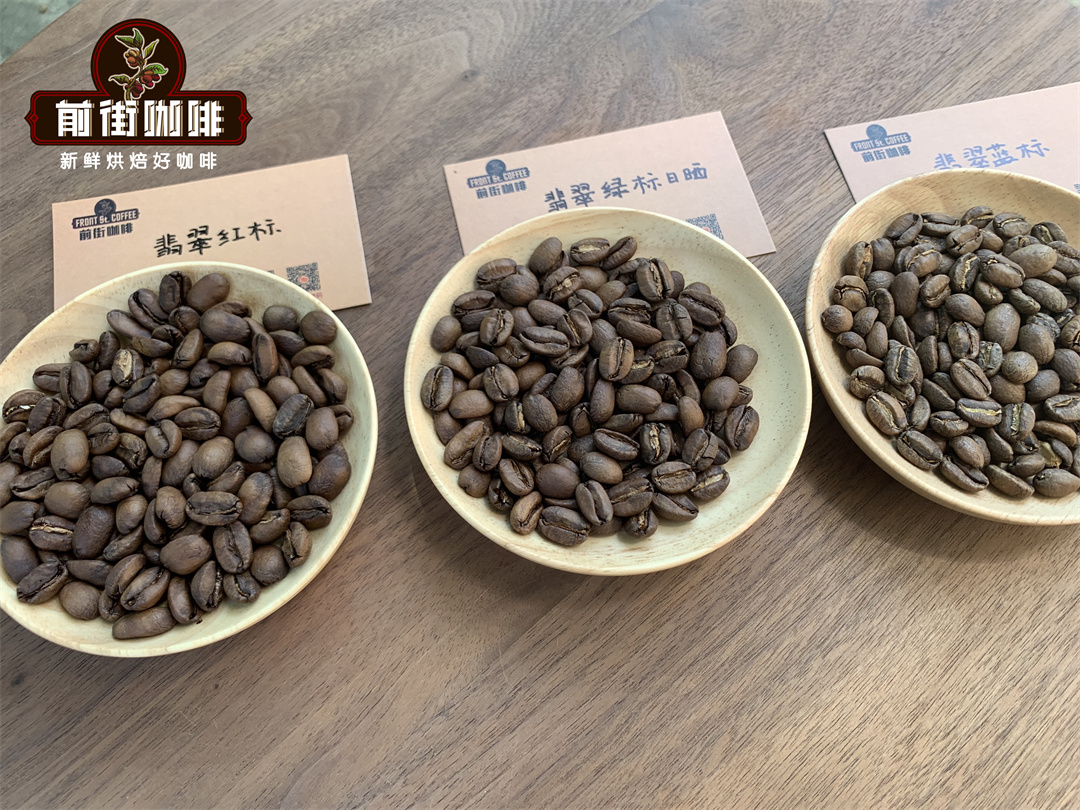
In terms of grading, Panamanian Geisha coffee is divided into Red Label, Green Label, and Blue Label.
Red Label Geisha: Auction lots, grown at altitudes above 1,600 meters, with cupping scores reaching 90 points or higher.
Green Label Geisha: Reserve lots, grown at altitudes above 1,600 meters.
Blue Label Geisha: Selected lots, grown at altitudes of 1,500 meters.
Panama, with its inherent geographical advantages, not only benefits from the nourishment of volcanic fertile soil but also enjoys excellent conditions such as misty surroundings and cool, comfortable temperatures - the most suitable environment for growing Arabica coffee beans. Besides the renowned Geisha, common varieties in Panama also include Typica, Bourbon, Caturra, Catuai, Mundo Novo, and others, making the coffee varieties extremely diverse. In recent years, the Panama Coffee Association has provided full support, promoting the cultural and commercial development of Panamanian specialty coffee and earning Panama an international reputation for high-quality coffee.
FrontStreet Coffee Recommendation
Panama's Geisha is famous for its orange-blossom honey character, layered floral aroma, and juicy fruit acidity with a tea-like sweetness, and FrontStreet's selections cover both entry and advanced levels. For the most accessible taste of the style, FrontStreet's Boquete Geisha is an entry-level Geisha that lets you drink the classic high-quality Panamanian profile at a friendly price - citrus-honey sweetness, an oolong tea sensation, and fine fruit acidity with clear layers.
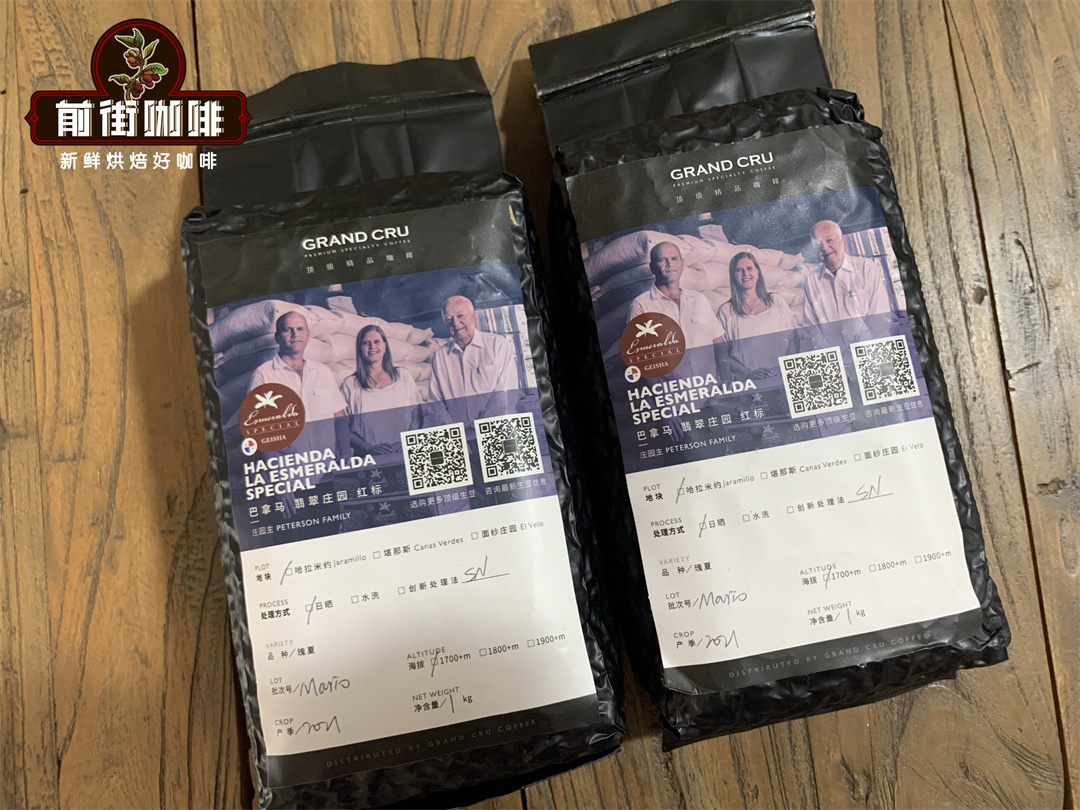
At the top, FrontStreet's Esmeralda Red Label Geisha officially called "Esmeralda Special," grows at 1600-1800 meters, cups above 90 points, and comes from a single plot such as Jaramillo. FrontStreet's Esmeralda Green Label Geisha, originally "Private Collection," blends several plots to express the estate's signature high-altitude Geisha at a more accessible price.
Ethiopia, where Geisha originated, offers a brighter and more fruit-acid-forward side. FrontStreet's Granada Estate Geisha is a recommended entry point there, given a medium-light roast that keeps its pleasant white florals while highlighting the sweet-tart texture of orange, guava, and citrus and clarifying the finish. For advanced drinkers, the Geisha Village Gold Label (Gesha 1931) and Red Label (Gori Gesha) are single-terroir lots with full traceability - farm block, variety, and processing date - and are hand-picked pour-over choices for those looking to go deeper. Geisha is a medium-light, floral-fruit style with a harder texture that can sink and clog the drain hole, so FrontStreet suggests a grind size with a 78% pass rate on the China standard #20 sieve and a brewing water temperature of 91°C.
Important Notice :
FrontStreet Coffee is a long-established specialty coffee roaster in Guangzhou China, selling freshly roasted beans from its own farm in Yunnan as well as dozens of carefully selected single-origin beans from around the world for both pour-over and espresso. The products deliver consistently excellent quality and great value, with shipping within 24 hours. Guangzhou's FrontStreet Coffee shop is recommended by many coffee lovers, and the beans are now available online at the Tmall 。
FrontStreet Coffee has moved to a new address:
FrontStreet Coffee Address: 315,Donghua East Road,GuangZhou
Tel:020 38364473
 Scan and follow the En Gafei WeChat official account. Please indicate that the reprint comes from "En Gafei".