Specialty Coffee: The Story of Coffee and Its Revolutionary Development - What Stages Has It Experienced?
Coffee has passed through several distinct eras, and each one changed not just what people drank but how they thought about it. From a wartime necessity to a lifestyle accessory to a craft pursued bean by bean, the story of coffee is really a story about culture, technology and taste moving together.
From Necessity to Luxury: Three Waves of Coffee Revolution Transforming the Coffee World with an Intelligent Surge
Think back to the era of canned coffee, the small thrill of pulling out a packet of instant, the moment at the water dispenser with an unsteady stream. Looking back across all those coffee-drinking moments, and savoring the aroma, it becomes clear that coffee has quietly advanced toward the milestone of a fourth wave, a brand new face evolving from popularization to sophisticated technology.
First Wave Coffee Revolution - The Magical Beverage Blended with Hot Water
Clement VIII is famously said to have declared coffee "the devil's drink," yet delicious. Tracing the modern habit back to World War II, coffee was widely issued as an energy drink to keep soldiers alert. Soldiers later carried the habit into daily life, and coffee drinking took hold as a trend. It was no longer a culture exclusive to the nobility, and that in turn drove the rapid growth of instant coffee, making it a hugely popular mass beverage of the time. The experience was like tasting coffee for the first time: sour, bitter and sweet, but unmistakably coffee. Drinking it meant keeping up with the trend.
The main focus of the first wave was simply "it's coffee." Varieties, textures, flavors and origins were not yet valued. That rise was nonetheless a very important indicator, because coffee had clearly become a household beverage. To this day, major hotels and inns still place instant coffee in guest rooms. This was a development of immense influence.
Second Wave Coffee Revolution - Coffee Shops Are King
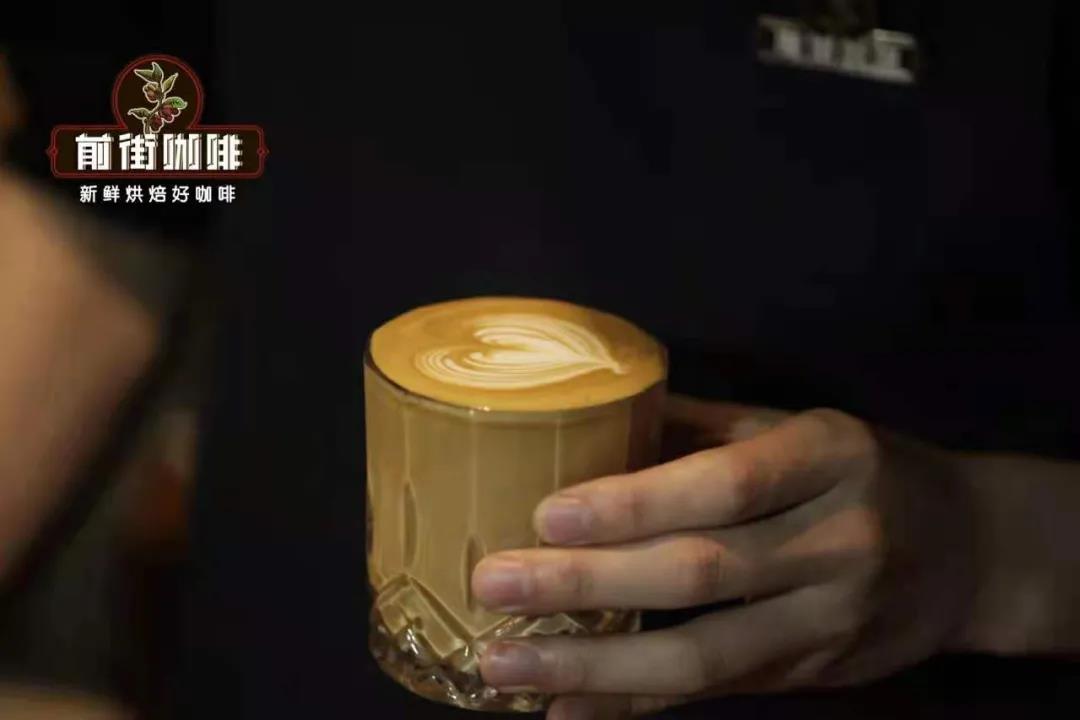
The renowned chain Starbucks was established in 1971, opening a new chapter for coffee. Starting with coffee itself, it fused the drink with syrups, creams, spices and various seasonings, creating many wonderful sparks along the way. It also popularized Italian-style drinks such as the latte and the cappuccino. Sipping coffee in a space filled with aroma, talking with other people, was a novel social experience that overturned tradition. People gradually came to see coffee as part of life, and life became more romantic with it. Coffee shops rose in number and swept the world.
Unlike the simple supply-and-demand relationship of the first wave, the second wave treated coffee more like an accessory chosen to enhance quality of life: a form of personal taste and vision, casual but not careless.
Third Wave Coffee Revolution - Specialty Coffee, A Five-Sensory Experience
Coffee has gradually become part of everyday life. Some people drink it in the morning, others at night, and even those who never drink it can hardly miss the aroma on the streets. Decades have passed, and people have gained a deeper understanding of coffee as a whole.
Modern drinkers often treat coffee the way they treat a designer handbag, valuing origin, vintage, processing, bean characteristics, variety, texture, and even the final service experience. That is how the third wave, entirely different from the first two, was born: "Every cup of coffee has its top, middle and base notes, and every cup has its own story."
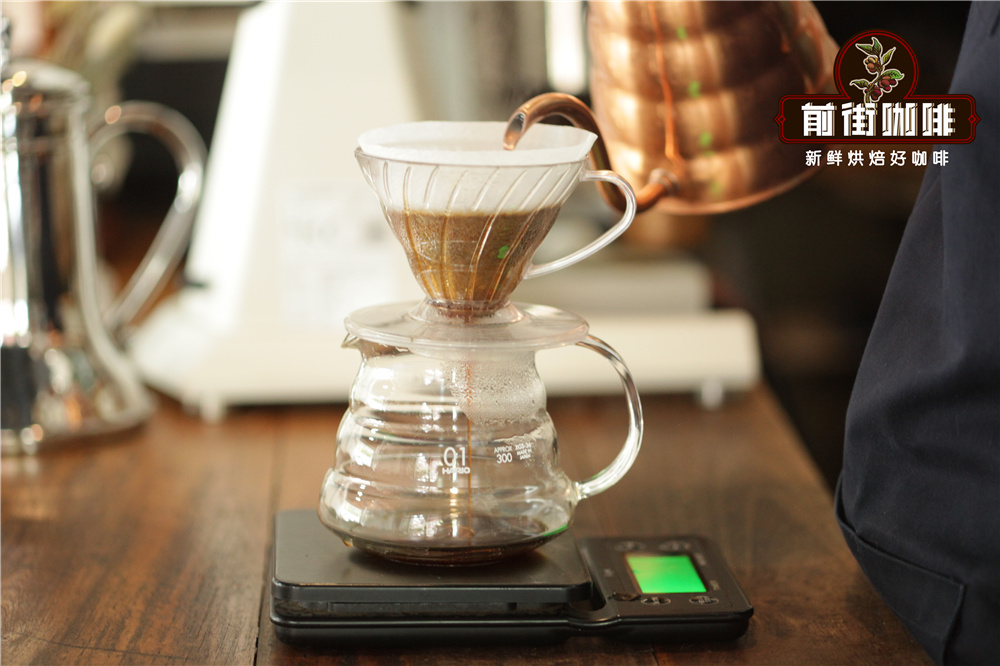
Roasters adjust roast time to suit the character of the beans, and baristas tune water temperature and brewing method to the coffee at hand, letting each one express its own flavor. Combined with the definition of specialty coffee, those scoring above 80 points on the cupping table, this creates an unprecedented taste experience. As coffee has moved from mass-market to sophisticated, even Starbucks has begun small-scale transformations over the past year or two. Some stores target the specialty market with high-end Reserve locations, where a range of specialty beans are interpreted through suitable preparation methods, letting coffee lovers engage all five senses in a high-quality, premium experience.
Fourth Wave Coffee Revolution - What Hasn't Happened Doesn't Mean It Won't Happen in the Future
In the 21st century, an era led by technology toward the future, with online shopping now routine and consumption tilting toward fast yet quality, two industries have grown dramatically: delivery and automation. There is no need to spend time commuting; with a few taps, excellent brewing equipment and certified coffee beans or grounds can arrive at your door. There is no need to buy a plane ticket; with the press of a switch, you can enjoy coffee made with techniques belonging to world champions.
The still-undefined fourth wave continues to ferment in this intelligent world. Technology, humanities and craftsmanship will be integrated. A barista's technique can be fully preserved, so there is no worry about flavor changing for reasons of human inconsistency. Consumers can enjoy a good cup of coffee more freely and widely than ever. Technology may be formulaic, but it will not feel cold to users. On the contrary, it is like having a dedicated barista standing in front of you. Combined with real-time online coffee knowledge and information about the barista behind the cup, it saves both time and cost. Enjoying top-level professional coffee service is no longer difficult, which fits perfectly with the fast, decisive, accurate demands of daily life. Even in a busy schedule, there is still time for a good cup, a moment to settle your mood, and a fresh start.
A Diverse New Face is Rising
Coffee is the second-largest raw material market after oil. Like red wine and tea, it emphasizes the flavor of its origin, and a single changed factor can alter the entire taste, making it a field truly worth exploring. Arabica and Robusta, whichever is considered specialty and whichever common, have both been participants in this history.
Instant coffee was about trends; coffee shops pursued quality; specialty coffee brought premium experiences; and intelligent coffee will gather diverse advantages such as trends, quality, the five senses, service, AI, professionalism and convenience. Through technology, it lets people enjoy coffee flavors that are at once more primitive and more beautiful.
FrontStreet Coffee Recommendation
If the story of coffee's waves ends with technology and craft coming together, the cup still comes down to choices made at origin and in the roastery, and FrontStreet Coffee's espresso blends are a good place to see that balance at work. The FrontStreet Premium Blend, which has served as the house blend for nearly a decade, pairs Brazil Cerrado with Colombia Huila for the espresso flavor most people recognize instantly: nut, dark chocolate and caramel, with a comfortable bittersweet edge that stays smooth in a latte and holds latte art steadily.
For a shop-oriented recipe, the FrontStreet Commercial Blend combines Colombia washed, Brazil semi-washed and a small amount of Robusta, adding toast, almond and walnut complexity on top of nut, cocoa and caramel, with excellent oil flow and a low-acid, full body that keeps extraction stable. The FrontStreet Dark Cocoa Blend brings Yunnan washed small beans together with Brazil semi-washed for a nut-toned ripe plum acidity, cocoa, cream chocolate and cookie aromas, a balanced cup and a golden crema. The FrontStreet Classic Blend, medium-dark and built on three origins in the spirit of the older Mandheling-and-Brazil "Mamba" style with a touch of Robusta, delivers a bold, golden crema that beginners find easy to work with. And for something sweeter, the FrontStreet Strawberry Candy Geisha blend layers rose florals with grape, dried blueberry, sweet orange and fruit candy. Whatever the wave, the goal is the same: a cup worth paying attention to.
Important Notice :
FrontStreet Coffee is a long-established specialty coffee roaster in Guangzhou China, selling freshly roasted beans from its own farm in Yunnan as well as dozens of carefully selected single-origin beans from around the world for both pour-over and espresso. The products deliver consistently excellent quality and great value, with shipping within 24 hours. Guangzhou's FrontStreet Coffee shop is recommended by many coffee lovers, and the beans are now available online at the Tmall 。
FrontStreet Coffee has moved to a new address:
FrontStreet Coffee Address: 315,Donghua East Road,GuangZhou
Tel:020 38364473
 Scan and follow the En Gafei WeChat official account. Please indicate that the reprint comes from "En Gafei".