Espresso vs Pour-Over Coffee: What Are Their Differences and Unique Characteristics?
Espresso vs Pour-Over Coffee: A Tale of Two Coffee Waves
Espresso, with its rich, bold intensity, was the star of coffee culture's second wave. Pour-over coffee, by contrast, revealing layer after layer of aroma through its smooth texture, is the leading lady of the third.
Pope Clement VIII once described coffee as: "Although it is the devil's drink, it is delicious and pleasant." Looking back through the historical record, coffee gradually wove itself into daily life after World War II before spreading across the globe. Since then, coffee has never looked back: it opened a new chapter for espresso and coffee shops, and in the early 2000s it successfully drove the rise of pour-over and specialty coffee, giving enthusiasts a fuller range of palate-pleasing options.
Espresso Coffee
The "es" in espresso actually comes from the English "ex," meaning fast and convenient. Espresso beans are typically a "House Blend"—what we commonly hear called blended or formula coffee. As the name suggests, these are beans mixed from multiple regions, which helps balance flavors and keep the taste stable.
To ensure the quality of the final brew, the beans are usually ground to a fine consistency in a professional grinder before brewing, letting espresso finish its extraction in a short time.
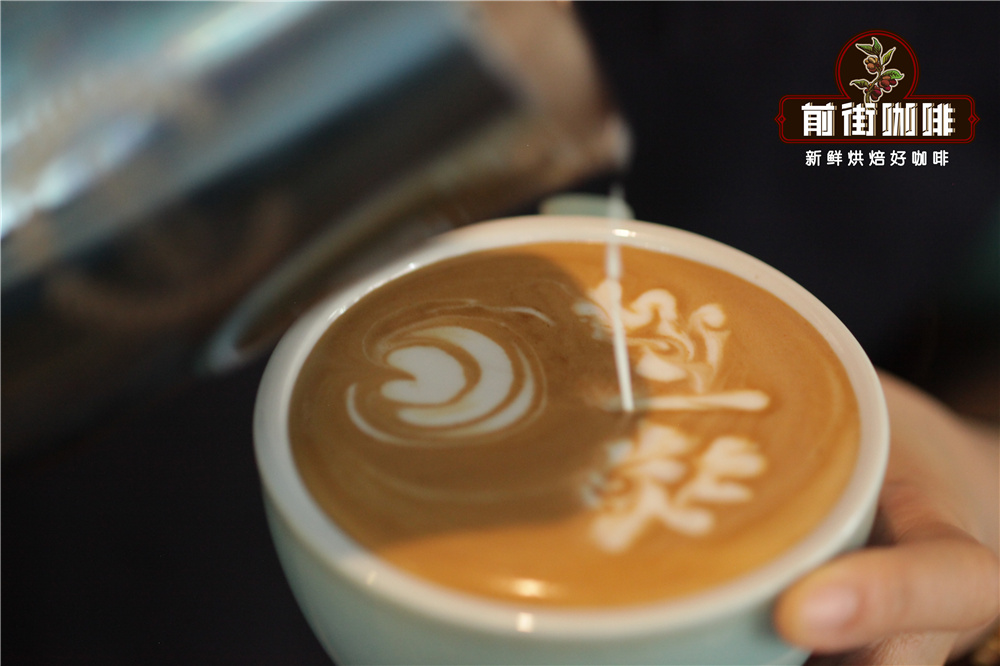
Authentic espresso is made by forcing near-boiling high-pressure hot water (92-94°C, 9 bar of atmospheric pressure, 20-30 second extraction time) through finely ground, evenly tamped coffee grounds, yielding roughly 30ml of beverage. The surface carries a thick, dense layer of coffee-oil foam called crema, tending toward golden yellow and brown—though nowadays the color also varies with the coffee's roast level.
Traditional Italians take espresso culture and quality very seriously. For that reason, the Italian National Coffee Institute provides official certification for espresso extraction parameters, making the brewing process data-transparent and helping preserve espresso's traditional flavors more completely.
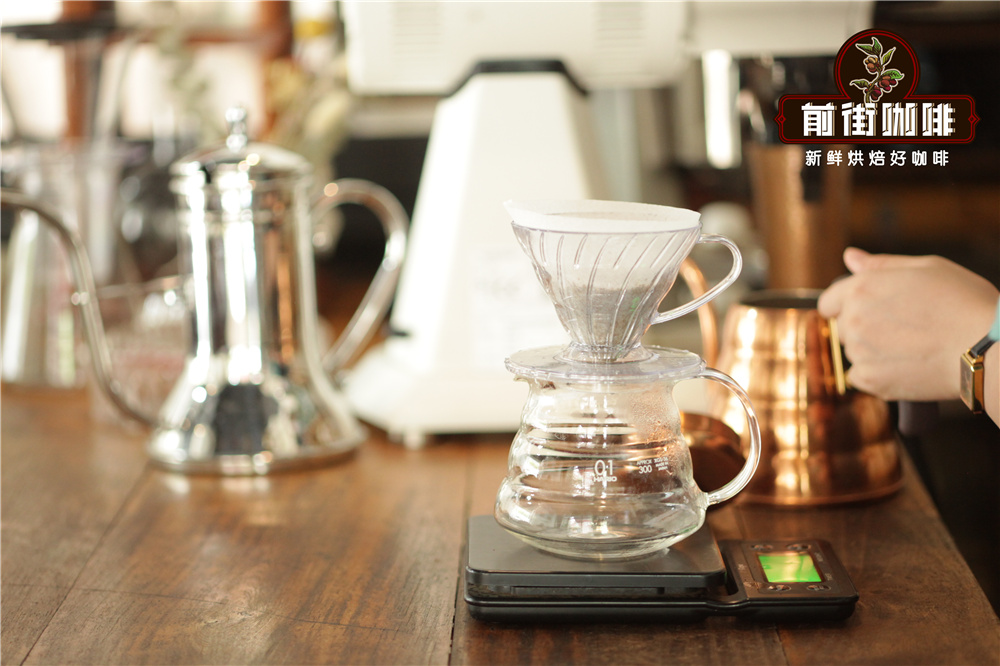
Pour-Over Coffee
Pour-over coffee has the barista controlling water temperature, flow rate, water volume, and grind size, completing the extraction by pouring water steadily over the grounds. Its extraction principle rests on several physical mechanisms between water and grounds: (soaking and blooming, dissolution, diffusion, and ratio adjustment). Adjust any one of these and the final flavor of the entire cup changes—which is exactly why pour-over is so meticulous about every step of the process.
Bean selection for pour-over is driven mainly by origin, flavor profile, characteristics, processing method, and roasting approach. It isn't limited to single-origin or blended beans, but pour-over typically favors single origins. Only when a single flavor is too intense, or when a particular profile is desired, is blending used to balance the taste.
Espresso's Flavor Profile
Because espresso tastes so intense, many people add sugar or milk to balance the bitterness—which in turn sparked a whole trend built on espresso as a base. Fancy espresso drinks combine syrups, cream, spices, and various seasonings to create multi-layered flavors with diverse taste profiles. Con Panna, Macchiato, Caramel Macchiato, Cappuccino, Latte, Mocha, and Americano all belong to the espresso family!
Traditional Italians place great importance on espresso culture and quality. For that reason, the Italian National Coffee Institute provides official certification for espresso extraction parameters, making the brewing process data-transparent and helping to preserve espresso's traditional flavors more completely.
Pour-Over's Flavor Profile
Single-origin beans each come from one region, one variety, often with complete production records. To preserve that region's unique flavors fully, the roasting technique and control of roast level become especially important!
Generally, the longer the roasting time, the higher the richness, with milky, caramel, and chocolate aromas coming forward. Shorter roasting times highlight acidity and make bright fruit aromas more prominent. For pour-over, there are no restrictions among light, medium, medium-dark, or dark roasts—it usually comes down to the drinker's preference.
Coffee as a Life Companion
Wave after wave of coffee culture has made all of us witnesses to this artistic beverage. Whether you're a pour-over devotee, an espresso loyalist, or simply a busy person who needs caffeine to clear your head, coffee plays a remarkably influential role in our lives.
Taste is subjective, and no formula can decide which coffee is "best." As long as drinking it brings comfort and pleasure, both pour-over and espresso can become the most wonderful flavor in your heart!
FrontStreet Coffee Recommendation
As pour-over has grown from a niche pursuit into the heart of third-wave coffee, the V60 dripper has become its icon. Its designer, Hario, was founded in 1921 in Tokyo as a maker of heatproof laboratory glass, and in 2004 the company redesigned the V60's prototype into the form we know today—named for its 60° cone angle and V shape—releasing it to market a year later. The cone and the single large outlet let the brewer's pouring skill dictate the flow, drawing out layered aroma and lively acidity.
Which beans suit that style? For the bright, floral side, FrontStreet Coffee recommends washed Ethiopia: the Yirgacheffe Guodingding with its crisp citrus, berry, and white-floral notes and tea-like sweetness, or the Natural Chakri (Huakui), whose tropical aromas of strawberry, passion fruit, jackfruit, and lychee make it "the least coffee-like coffee" for those who shy away from bitterness.
For the mellow, full-bodied end of the spectrum—the direction coffee took before the third wave—FrontStreet Coffee's PWN Golden Mandheling (deep-roasted, herbal, dark chocolate, low acidity) and Brazil Queen Estate (balanced, nutty, cocoa, with clear caramel sweetness, superb crema, and genuine value) are the classic choices, and both double beautifully as espresso. Meanwhile the FrontStreet Jamaica Blue Mountain No.1, with cream, caramel, chocolate, nuts, and honey in near-perfect balance, remains, as many in the trade say, the specialty coffee that almost everyone can love—whether it lands in a pour-over cone or a portafilter.
Important Notice :
FrontStreet Coffee is a long-established specialty coffee roaster in Guangzhou China, selling freshly roasted beans from its own farm in Yunnan as well as dozens of carefully selected single-origin beans from around the world for both pour-over and espresso. The products deliver consistently excellent quality and great value, with shipping within 24 hours. Guangzhou's FrontStreet Coffee shop is recommended by many coffee lovers, and the beans are now available online at the Tmall 。
FrontStreet Coffee has moved to a new address:
FrontStreet Coffee Address: 315,Donghua East Road,GuangZhou
Tel:020 38364473
 Scan and follow the En Gafei WeChat official account. Please indicate that the reprint comes from "En Gafei".