Can You Save Your Pour-Over Coffee with Bypass? A Pour-Over Coffee Bypass Tutorial
"Bypass" is a term commonly used in network security equipment (referring to how, when a security device fails, a bypass maintains network connectivity through a physical connection). When bypass is applied to pour-over coffee brewing, unexpected results can occur!
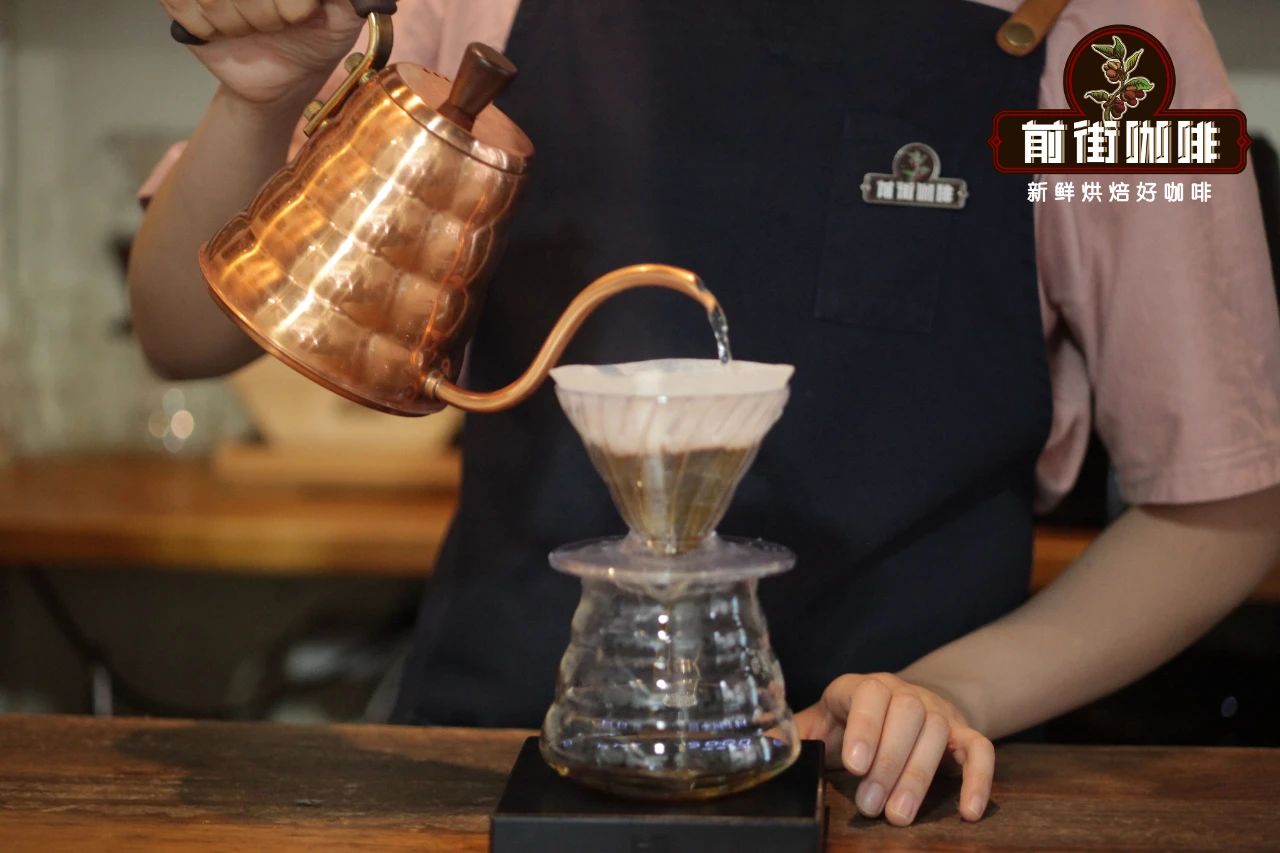
Bypass ≠ Adding Water to Coffee
If you ever encounter baristas who add water to their coffee after brewing and call it bypass, FrontStreet Coffee thinks of a saying: "This is bypass, but not entirely bypass."
Bypass — we'll stick with that term for clarity. If brewing a delicious cup of coffee is the goal, then the brewing method is the route plan to get there. Naturally, we first think of methods like "single pour," "three pour," or the "4:6 method." These are all "main roads," however: every drop of hot water we pour passes through the coffee grounds and extracts coffee compounds.
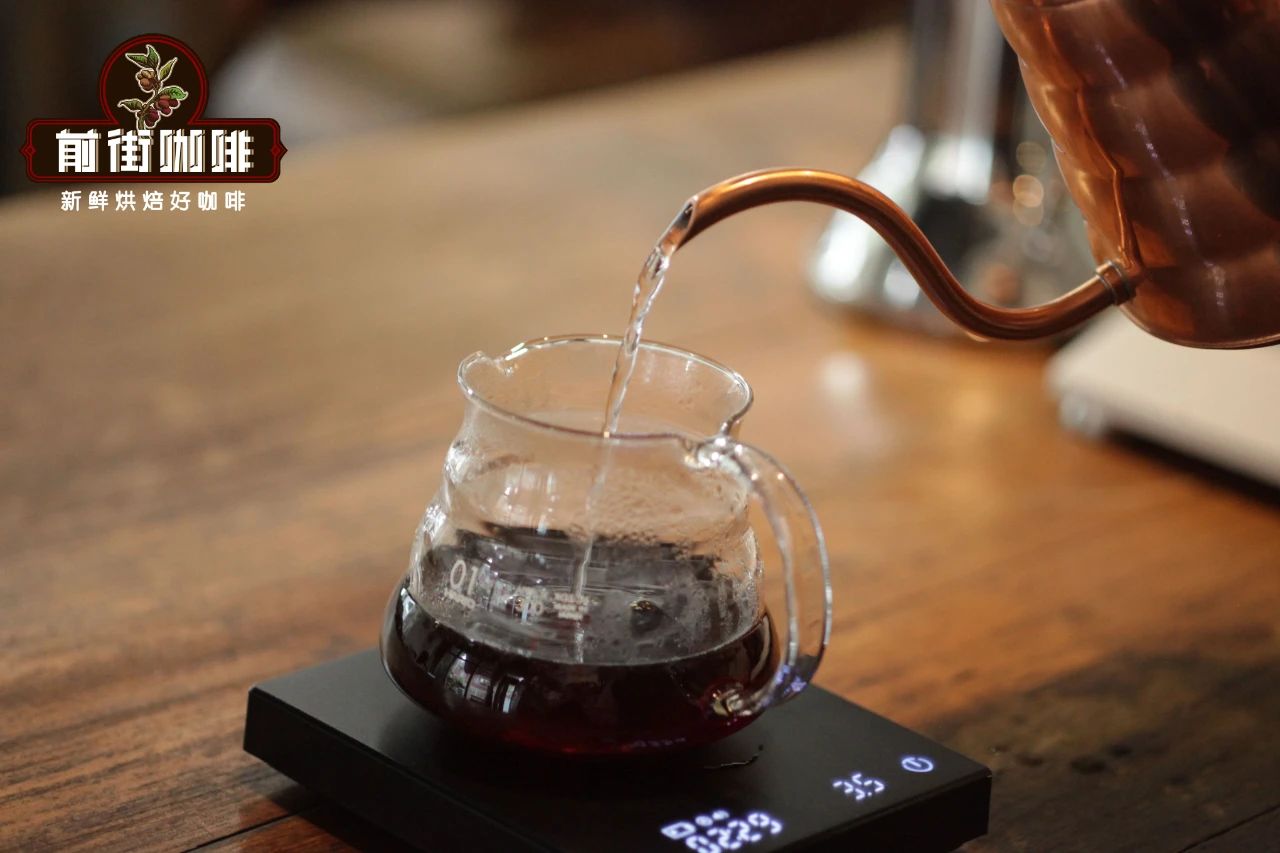
Take an alternative route instead — let only some of the water pass through the grounds, and add the rest directly to the brewed coffee without touching the grounds at all. That water which never contacts the grounds is "bypass." The essential purpose of the bypass method is a better-tasting cup, not simply diluting coffee with water.
When You Encounter These Situations, Bypass Can Save Your Coffee!
① Coffee Becomes Unpleasant Due to Excessive Concentration
Human sensory systems are complex. Research institutions have shown that humans are most sensitive to bitterness — even the slightest bitter note gets detected — while the taste cells that perceive sweetness are concentrated on the tip of the tongue. Although people love sweetness, excessively concentrated sugars can actually trigger adverse reactions.
When a coffee is over-concentrated, the bitter molecules and all flavor compounds become so concentrated that the taste buds cannot distinguish them — only the most perceptible bitterness gets amplified, and the whole experience turns bitter.
Adding a little pure water to that over-concentrated coffee to lower its concentration can genuinely "improve" the flavor. FrontStreet Coffee once ran an experiment: brewing a bean at a 1:15 ratio produced a measured concentration of 1.42% with an extraction yield of 18.73% — within the reasonable extraction range. On tasting, however, the flavors were hard to distinguish because of the high concentration.
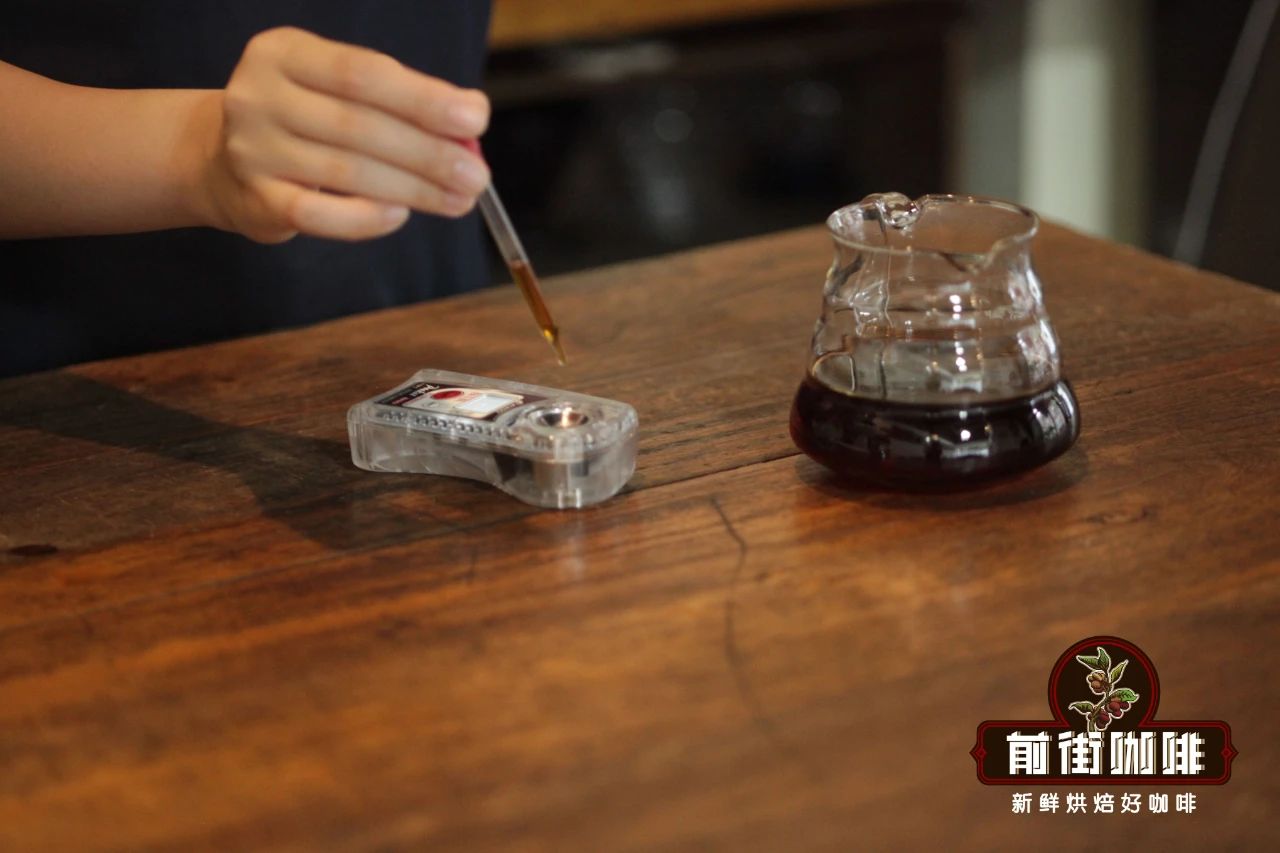
Then 20ml of hot water was added to the brewed coffee, dropping the concentration to 1.26%. Tasted again, the flavors became clearer and the overall experience far more pleasant.
② Understanding the Brewing of Certain Coffee Beans
This is where bypass theory shines. Some beans — because of their density, defect rate, or resting period — are extremely prone to extracting negative flavors under normal brewing. Bypass easily avoids them.
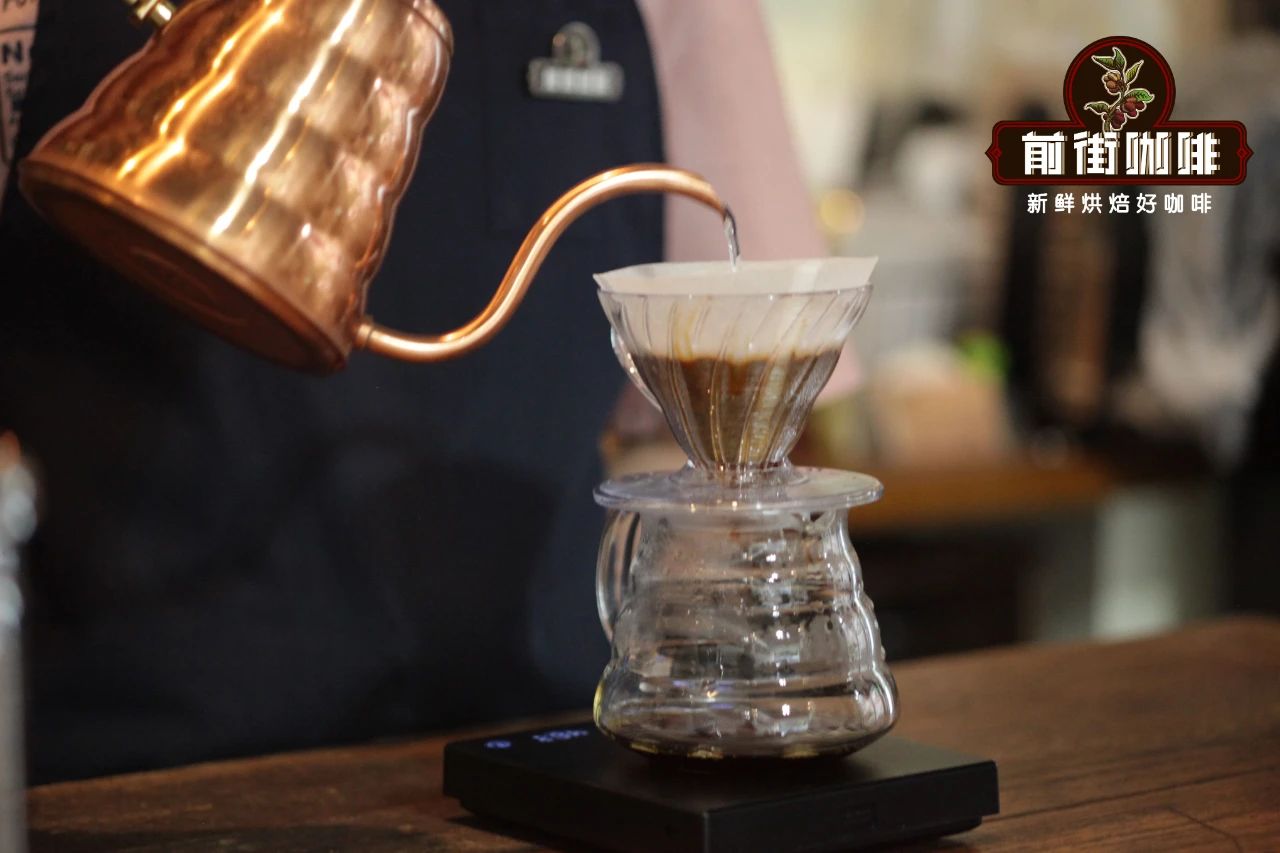
For example, when brewing a coffee with normal parameters, if you clearly detect bitterness or strong melon-seed and almond notes (flavors that normally never appear in coffee) and you determine that over-extraction at the tail end is the cause, you can brew at a 1:13 ratio, then add bypass water equal to twice the dose of coffee grounds — ultimately reaching the equivalent of a 1:15 ratio in the cup. Because that final water never passes through the grounds, it effectively avoids the bitterness of the last stage.
③ Negative Flavors Caused During the Brewing Process
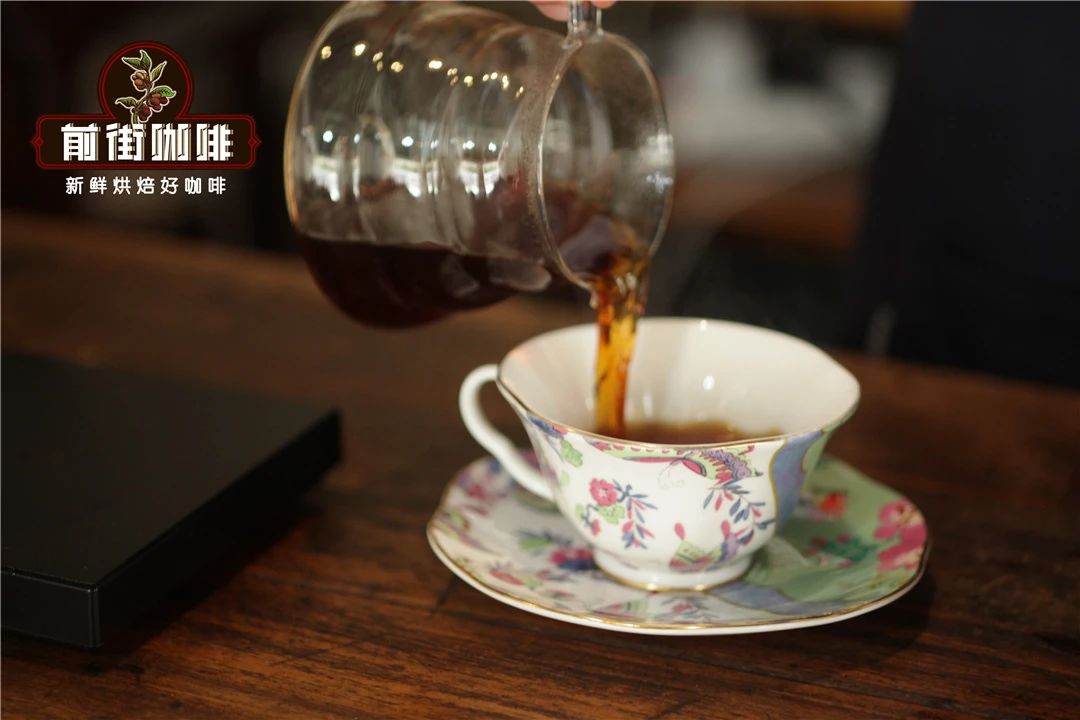
Bypass can also rescue a brew to some extent. When mistakes leave the coffee over-concentrated and over-extracted, adding a small amount of bypass water for dilution can help — mild bitterness becomes hard to detect once diluted.
That said, if you are a barista, don't lean on bypass for this. Invest your energy in solid skills rather than misunderstanding what bypass means. People who misunderstand bypass assume baristas add water to cover up a coffee's flaws — subconsciously admitting the cup won't taste good. If you work behind the bar, give bypass its proper name and use it properly.
④ Blockage Caused by Excessive Fine Powder During Brewing
This is about spotting suspected over-extraction mid-brew and immediately switching to a flexible method. It is fundamentally different from point ③: there you remedied a problem after it happened, while here you change course during the process to still achieve the goal of a good cup.
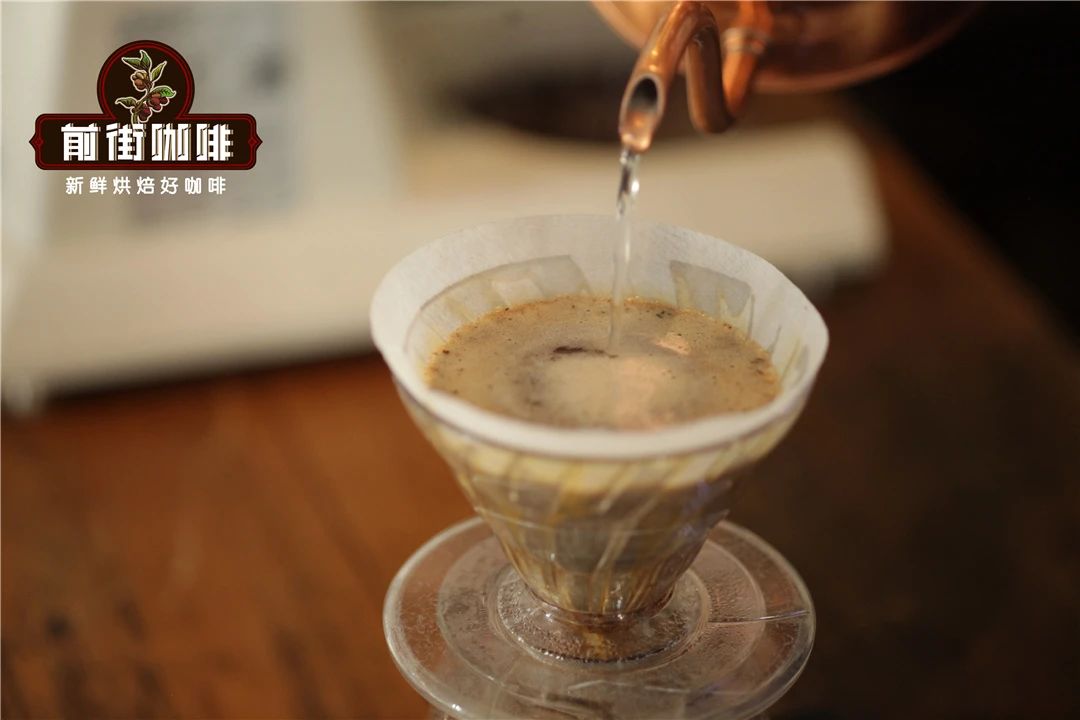
If, during brewing, the water flow stalls at the end because too many fines have clogged the bed, doing nothing will most likely yield a burnt, bitter cup. To avoid that, you can simply cut the flow and top up with bypass water to reach your target coffee-to-water ratio.
FrontStreet Coffee Recommendation
Most bypass situations happen with a V60, so it's worth knowing why the dripper behaves the way it does. Hario, the Tokyo glassware company founded in 1921, redesigned the V60's prototype in 2004 and released it the next year, named for its distinctive 60° cone angle and V shape. The cone and single large outlet mean flow speed depends almost entirely on the brewer's pouring control — which is also why clogging from fines (case ④ above) shows up so clearly in a V60. FrontStreet Coffee favors the resin version: it holds heat well and, in mass production, is the easiest material to mold with the smallest tolerances.
For fast, clean extraction that suits the V60's strengths, FrontStreet recommends florally driven light roasts such as its washed Yirgacheffe Worka (Guodingding) lot — jasmine florals, bright citrus, and a green-tea finish — or the fruit-bomb Guoji (Huakui) with its strawberry, passion fruit, and jackfruit aromatics. Their vibrant acidity and layered sweetness are exactly what a well-executed three-pour on a V60 — with a planned bypass when fines stall the drawdown — is built to deliver.
Important Notice :
FrontStreet Coffee is a long-established specialty coffee roaster in Guangzhou China, selling freshly roasted beans from its own farm in Yunnan as well as dozens of carefully selected single-origin beans from around the world for both pour-over and espresso. The products deliver consistently excellent quality and great value, with shipping within 24 hours. Guangzhou's FrontStreet Coffee shop is recommended by many coffee lovers, and the beans are now available online at the Tmall 。
FrontStreet Coffee has moved to a new address:
FrontStreet Coffee Address: 315,Donghua East Road,GuangZhou
Tel:020 38364473
 Scan and follow the En Gafei WeChat official account. Please indicate that the reprint comes from "En Gafei".