What are the Differences Between Cup of Excellence (COE) Cupping Forms and SCAA Coffee Cupping Forms?
Introduction to Coffee Cupping: SCAA vs COE Evaluation Systems
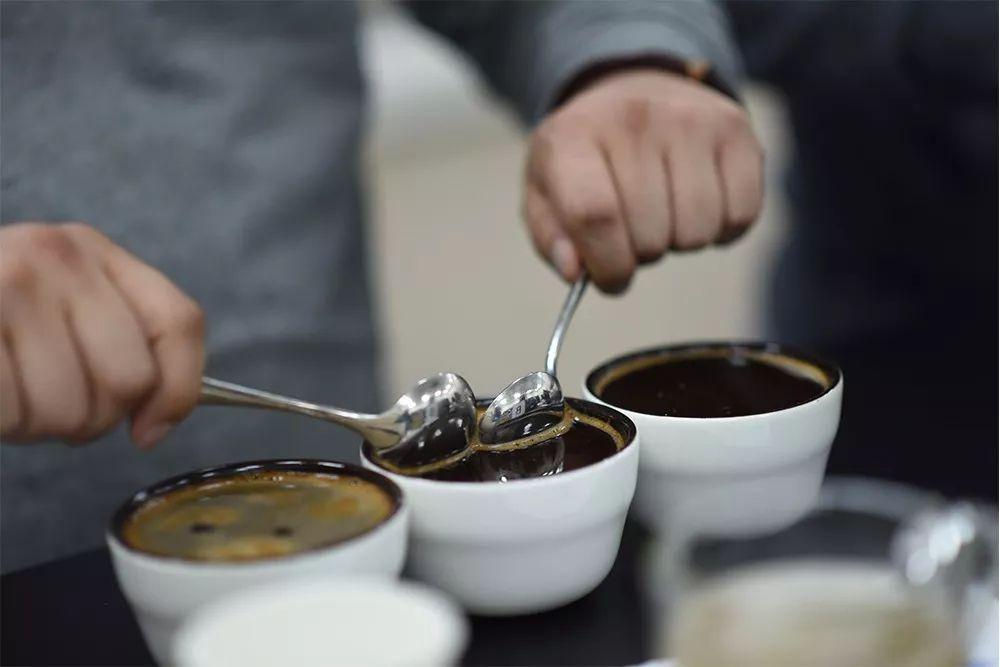
In coffee cupping, we commonly use the SCAA cupping form and the COE cupping form. FrontStreet Coffee would like to share the differences between the SCAA scoring system and the COE scoring system.
SCAA cupping requires 5 cups per sample.
The scoring criteria include: Dry/Wet Aroma, Flavor, Aftertaste, Acidity, Body, Uniformity, Balance, Clean Cup, Sweetness, Overall, and Defect Deduction, totaling 11 categories.
COE cupping requires 4 cups per sample.
The scoring criteria include: Dry/Wet Aroma, Clean Cup, Sweetness, Acidity, Mouthfeel, Flavor, Aftertaste, Balance, and Overall, totaling 9 categories.
SCAA Cupping Scoring
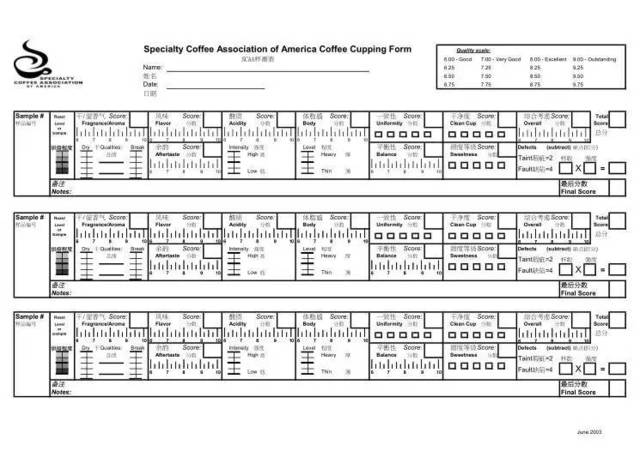
In SCAA cupping, each sample requires 5 cups to ensure consistency and objectivity. Since all coffees participating in cupping are commercial grade or above, each scoring category (except defect deduction) has a scoring range of 6-10 points, with increments of 0.25 points, providing a total of 16 scoring levels.
Dry/Wet Aroma (Fragrance/Aroma)
Dry fragrance refers to the aroma released after coffee grinding, while wet aroma is the fragrance emitted after adding hot water to the coffee grounds. The horizontal markers on the form indicate the quality of the aroma, while vertical markers indicate the intensity of dry/wet aroma, with descriptions of the perceived scents.
Flavor
Flavor refers to the distinctive taste or origin characteristics of a coffee bean. Flavor descriptions can include both desirable and defective flavors. Outstanding or good flavors receive high scores, while defective flavors receive lower scores.
Aftertaste
Aftertaste refers to the lingering sensation in the throat and the return of aroma to the nasal cavity after sipping and swallowing. For example, after drinking coffee one might experience pleasant aftertastes like honey, floral notes, or chocolate, while sometimes encountering unpleasant aftertastes like grassy notes. Lack of aftertaste or an overly short aftertaste results in lower scores.
Acidity
Acidity is divided into desirable acidity and defective acidity. Appropriate acidity can add vitality to a cup of coffee, such as bright fruit acidity. However, excessive acidity intensity can cause discomfort, producing harsh or dead acidity. The SCAA scoring standard uses horizontal scales for scores and vertical scales for intensity.
Body
Body refers to the tactile sensation (mouthfeel) of coffee liquid in the mouth, manifested as viscosity, smoothness, richness, or weakness. SCAA also divides this category into vertical thickness and horizontal scoring. Vertical scales indicate the richness of coffee body, while horizontal scales represent the score for that coffee.
Uniformity
Uniformity refers to the consistency and stability of wet aroma, flavor, and mouthfeel across the 5 cups of the same sample. On the SCAA scoring form, the uniformity section has 5 boxes, each representing one cup of the sample. Each box represents 2 points, totaling 10 points. If one cup shows differences, 2 points are lost.
Balance
Balance refers to the harmony among flavor, aftertaste, acidity, and mouthfeel of the same sample. If any of these elements are too weak or too strong, affecting the balance, points will be deducted.
Clean Cup
Clean Cup is demonstrated by the absence of undesirable off-flavors and mouthfeel from sipping through aftertaste. In the SCAA form, 5 boxes represent 5 cups of sample, with each cup meeting requirements earning 2 points, totaling 10 points.
Sweetness
Sweetness refers to the perceived sweetness of coffee after sipping, such as honey-like or caramel-like sensations. On the SCAA cupping scoring form, the sweetness section also has 5 boxes representing 5 cups of sample. Each cup with excellent sweetness can earn 2 points, totaling 10 points.
Overall
Overall is a relatively subjective holistic evaluation of the sample, directly reflecting personal preference. For example, if particular flavors are especially enjoyed by the cupper, the score will be higher.
Defect Deduction
When major defects are found during cupping, such as poor aroma, off-flavors, or uncomfortable mouth flavors like rubber or medicinal tastes, it must be determined whether they are defects or faults. For defects, 2 points are deducted per cup; for faults, 4 points are deducted per cup. The formula is: Deduction = Number of defective cups × Defect intensity.
SCAA Total Score
The SCAA cupping total score is calculated by adding the scores of the first 10 scoring categories and then subtracting the defect score.
Generally, scores between 90-100 are called "Outstanding"
85-89.99 points are called "Excellent"
80-84.99 points are called "Very Good"
Less than 80 points does not reach specialty grade
COE Cupping Scoring
COE cupping requires 4 cups per sample. COE cupping categories include Dry/Wet Aroma, Clean Cup, Sweetness, Acidity, Mouthfeel, Flavor, Aftertaste, Balance, and Overall, totaling 9 categories.
According to COE scoring guidelines, there is a base score of 36 points, with 8 scoring items total (aroma not included in the score). Each item has a maximum of 8 points and a minimum of 0 points, so the maximum score is 64 points, plus the base score equals 100 points.
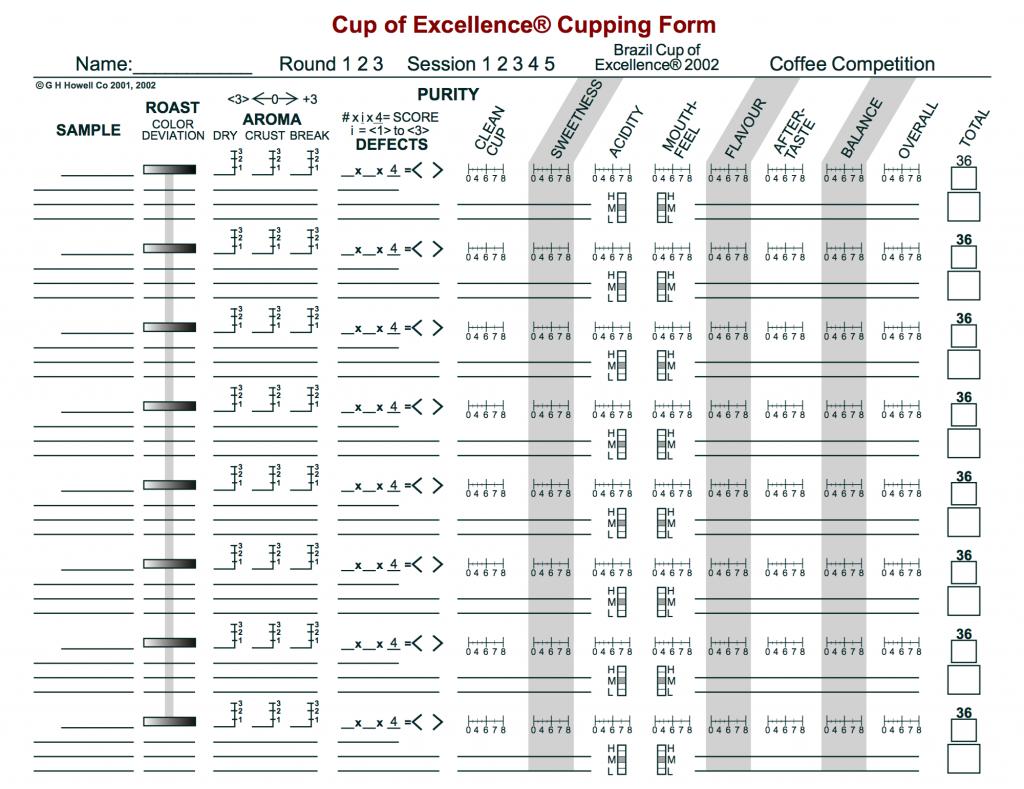
COE and SCAA scoring categories are largely similar, except for some differences in detail. In COE scoring, dry/wet aroma is no longer included in the total score, scoring for cleanliness is more stringent, and aged bean flavors caused by storage will affect cleanliness scoring; sweetness also creates greater score differentiation.
Body is changed to Mouthfeel, which includes evaluation of body as well as smoothness and astringency. Flavor evaluation references the new flavor wheel for more precise assessment, allowing specific flavors to be written in the blank space. COE does not have a uniformity category.
COE Total Score
In COE cupping, a total score below 70 points belongs to lower-grade commercial beans.
A total score between 70 and 74.99 points belongs to general commercial beans.
A total score between 75 and 79.99 points belongs to premium commercial beans.
A total score between 80 and 86.99 points belongs to specialty coffee.
A total score of 87 points or above belongs to COE competition level, also the winning coffee of the Cup of Excellence, representing the highest level currently recognized in the international coffee community.
The above information has been compiled by FrontStreet Coffee
We hope this article helps everyone gain a deeper understanding of coffee
FrontStreet Coffee Recommendation
Cupping forms reward clarity, sweetness and structured acidity, which is exactly what FrontStreet Coffee's light-roast floral and fruity beans are built to show. FrontStreet Yirgacheffe Gedingding, a washed Ethiopian G1, cups with jasmine, citrus and lemon acidity and a clean green-tea finish, the kind of crisp, transparent profile that scores well on both the SCAA and COE clean-cup and acidity categories. FrontStreet Huakui, a naturally processed Ethiopian bean, brings strawberry, passion fruit and jackfruit over very low bitterness and a juicy body, giving the sweetness and aftertaste sections plenty to reward. FrontStreet Kenya Cherry Tomato leans into bright, saturated fruit acidity with cherry tomato, smoked plum, snow pear and black plum and a clean brown-sugar finish, while FrontStreet Kafa Forest, grown wild under shade at 1400-2100 meters, shows white florals, lemon acidity, sweet orange and bergamot over a green-tea mouthfeel.
When you cup these beans, FrontStreet Coffee suggests using 11g of coffee to 200ml of 94°C water, a 1:18.18 ratio for a Golden Cup concentration of 1.15%-1.35%, a grind at 70-75% pass rate on a #20 sieve and a 4-minute steep. For everyday pour-over, a 1:15 ratio at 90-91°C with a medium-fine V60 grind keeps the lemon, jasmine and cane-sugar notes clean and layered across the cup.
Important Notice :
FrontStreet Coffee is a long-established specialty coffee roaster in Guangzhou China, selling freshly roasted beans from its own farm in Yunnan as well as dozens of carefully selected single-origin beans from around the world for both pour-over and espresso. The products deliver consistently excellent quality and great value, with shipping within 24 hours. Guangzhou's FrontStreet Coffee shop is recommended by many coffee lovers, and the beans are now available online at the Tmall 。
FrontStreet Coffee has moved to a new address:
FrontStreet Coffee Address: 315,Donghua East Road,GuangZhou
Tel:020 38364473
 Scan and follow the En Gafei WeChat official account. Please indicate that the reprint comes from "En Gafei".