Pay Attention to These Details to Make Your Pour-Over Coffee Taste Better - How to Make Delicious Pour-Over Coffee?
More Easily Overlooked Details in Pour-Over Brewing
Six months ago, FrontStreet Coffee published an article titled "Pay Attention to These Details to Make Your Pour-Over Coffee Taste Better," which explored several seemingly trivial details that can shape the cup. This time, we are going further and looking at an even longer list of overlooked details in pour-over brewing.
A Quick Review
Let's briefly revisit the four details about pour-over coffee that we covered before:
1. Grind the beans as the very last step of preparation, so the grounds lose as little aroma as possible.
2. Don't obsess over a perfectly level coffee bed. Chasing flatness too hard compacts the grounds, which hurts the bloom.
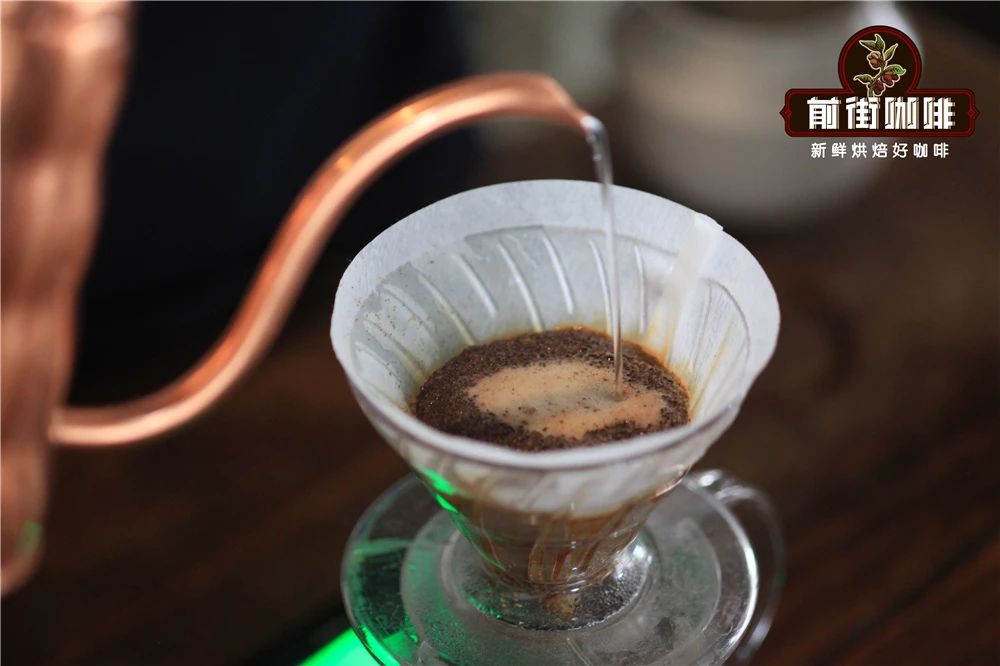
3. Keep the water level below the top of the coffee bed while pouring. Water above the grounds creates "channels" and lowers the overall extraction rate.
4. Shake the brewed coffee after you finish. Shaking evens out both concentration and temperature throughout the cup.
Seemingly Insignificant Details in Pour-Over Coffee
1. Clean the grinder before you grind.
Many people are used to simply dumping weighed beans into the grinder and grinding. Perhaps you have never noticed that your grinder isn't actually "clean." By unclean, we mean the grounds left over from the previous grind still sitting inside. You might assume that such a trace amount of residue cannot make much difference.
If the coffee you ground last time was similar in flavor to the next one, you probably won't notice anything. But when the previous beans had an especially strong or prominent character, even a trace of fine residue will affect the flavor of the coffee you are grinding now.
FrontStreet Coffee currently uses an EK-43S grinder. After grinding Mandheling and cleaning the visible residue from the outside, we ground some light roast beans afterward and could clearly taste the bitter notes of Mandheling in those light roasts.
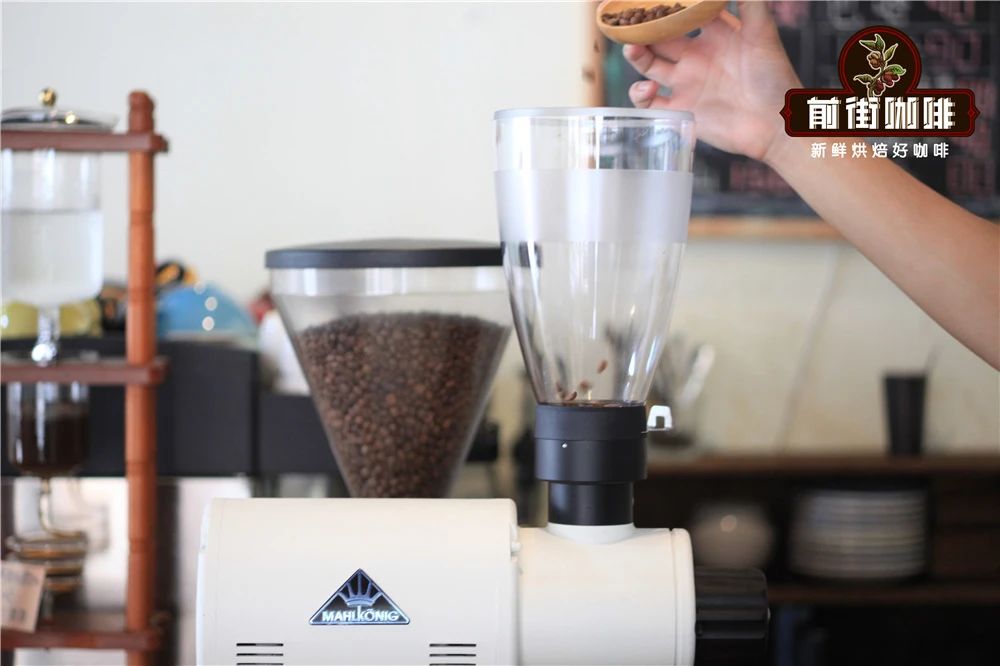
So FrontStreet Coffee suggests that before grinding the beans you actually need, you run 3-4 beans from the same batch through the grinder to "clean out" the powder left inside. Of course, please be generous and discard those 3-4 ground beans as well.
2. While brewing, watch the coffee bed, not the scale.
Some people love to stare at the reading on the scale as they brew, which is a bad habit. During brewing, your eyes should be on the coffee grounds.
Numerical accuracy matters to a cup of coffee, but pouring too much attention into the numbers makes you miss other things. For example, if you are fixated on the numbers and the water level rises above the coffee bed, the result is counterproductive.
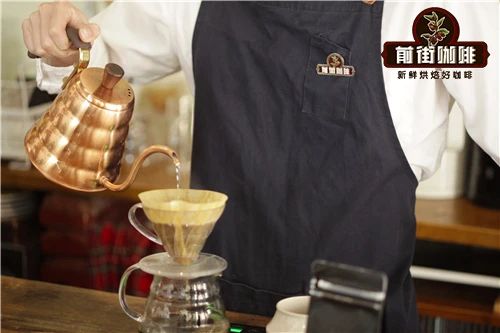
3. Don't over-pursue an attractive-looking coffee bed.
Maybe when you brew a beautiful bed (a nice coffee crater) you feel confident, and when the bed comes out less pretty you may even assume the cup won't taste good.
In reality, the appearance of the grounds does not fully represent the flavor of the coffee. What we see as the coffee bed, or crater, is simply the state formed after all the water has drained at the end of the brew, so the pouring method strongly shapes it. What we generally call attractive grounds usually look like a bowl, with an evenly thick ring of grounds around the edge and a flat bed at the bottom. But that state doesn't necessarily mean you brewed a good-tasting coffee - it only means that, judging by appearance, the brew went without obvious problems.
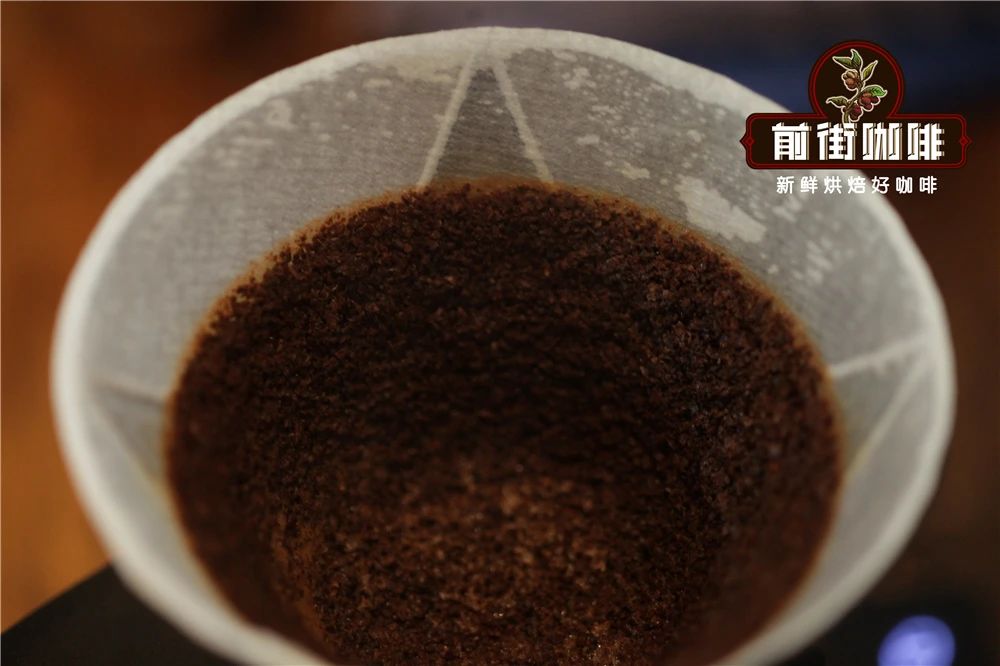
An attractive coffee bed (crater).
For instance, using a three-stage pour with centered water in the first two stages and even circular pouring in the final stage can "create" a beautiful bed, yet the cup may not taste good at all.
And grounds that don't look good aren't necessarily unpleasant to drink, nor are they necessarily a sign that you brewed badly. It could be a characteristic of the beans themselves. When FrontStreet Coffee brews Panama Geisha, for example, the light roast combined with the natural hardness of the beans means the grounds absorb water less readily than other coffees, so the final bed may not look especially attractive - which does not stop it from being a delicious cup.
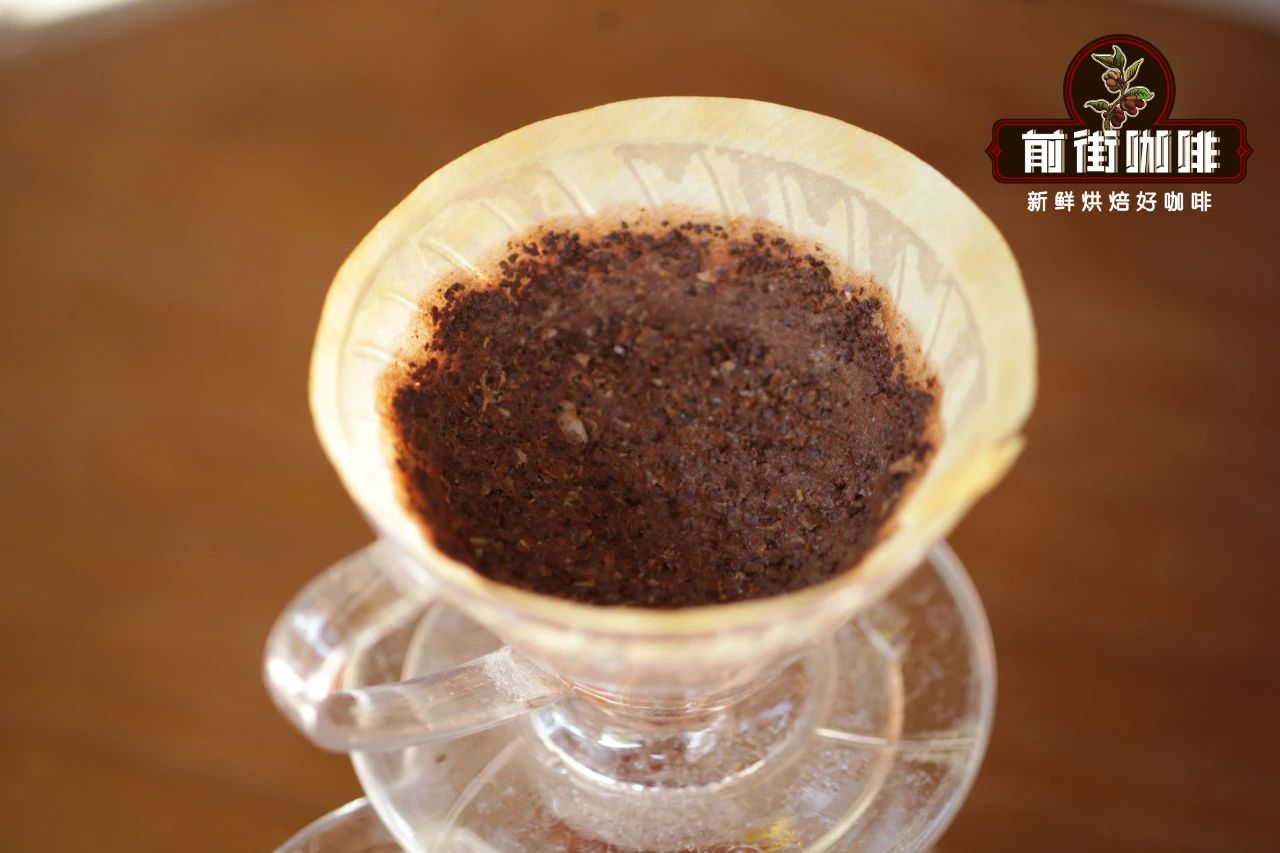
Coffee grounds after brewing Panama washed Geisha.
4. Before you pour the coffee, preheat the cup too.
FrontStreet Coffee has emphasized before that you must preheat the server before brewing. So get into the habit of preheating your cup before the coffee goes into it as well.
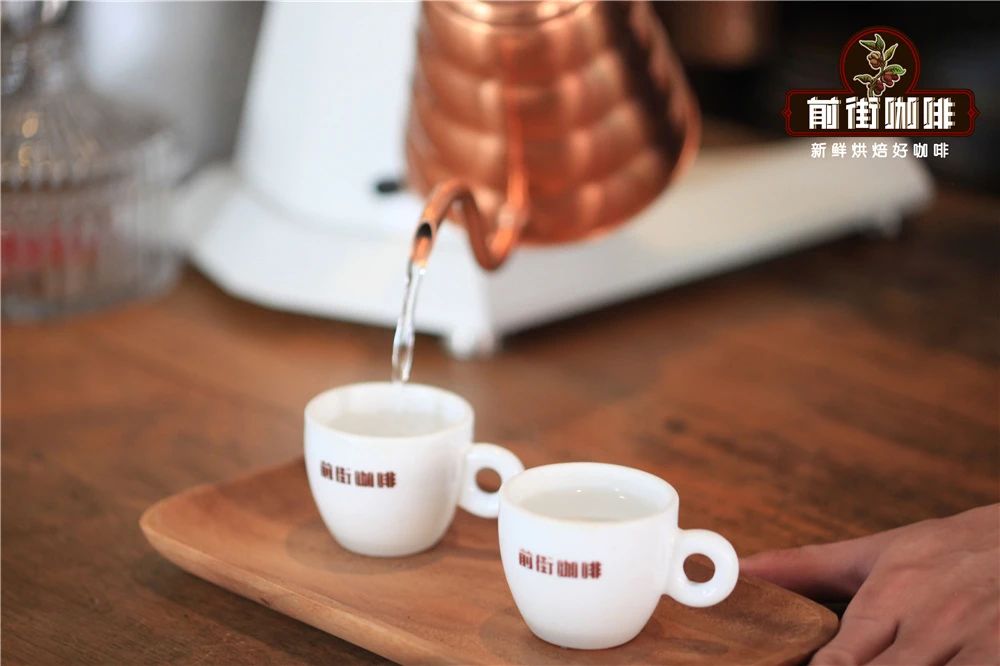
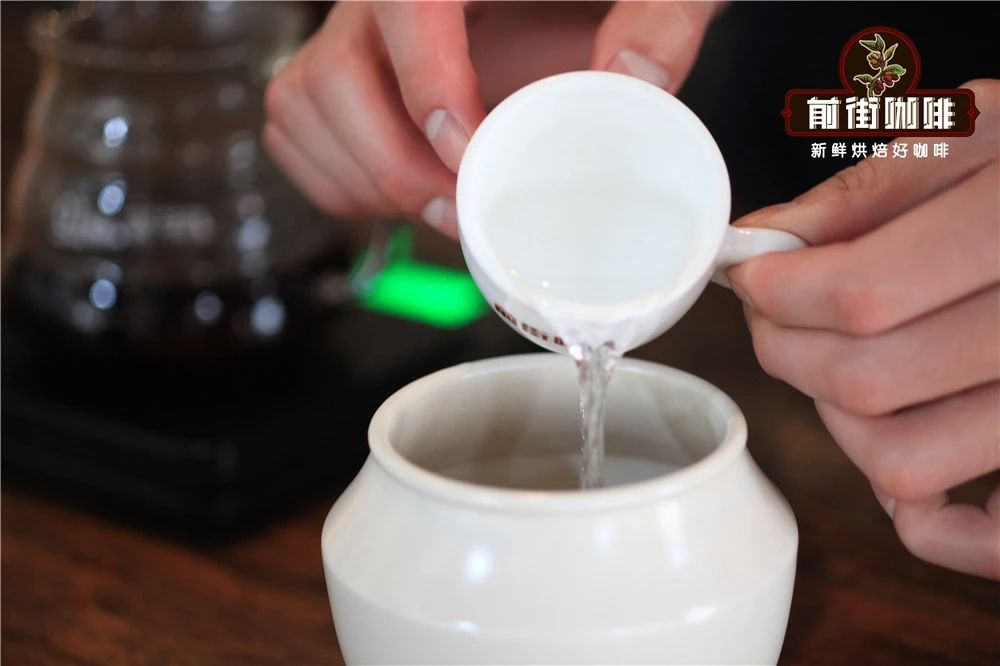
The cups FrontStreet Coffee serves in are made of ceramic and have some heat retention, provided they are preheated first. So FrontStreet Coffee warms the ceramic cups with hot water before serving, then pours the black coffee. We explained in the earlier article "What is the best drinking temperature for coffee?" that most coffee becomes less pleasant as it cools, because the oils and pigments oxidize.
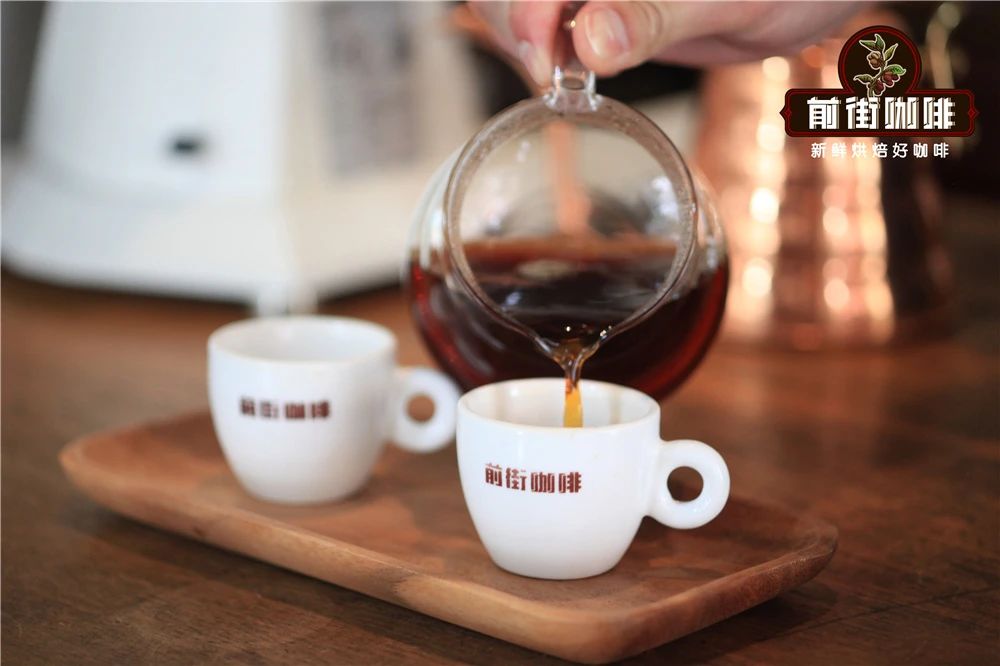
Preheating the cup therefore keeps a coffee warm for longer, stretches out the drinking time and gives a better experience overall.
FrontStreet Coffee Recommendation
The V60 rewards coffees with layered aromatics and lively acidity, and a classic washed Ethiopian is the easiest place to start. FrontStreet Yirgacheffe Gudingding Cooperative carries the signature washed Yirgacheffe profile - white floral sweetness and bright citrus acidity, with jasmine-like florals and a green tea finish. Brewed as pour-over it shows clear floral and fruit notes, lifted lemon acidity and honeyed sweetness, and it also cold brews beautifully, where the low-temperature steep draws out lighter molecules for an iced coffee as refreshing as tea.
If you prefer the fruitier side, FrontStreet Natural Huakui is one of the best-known specialty coffees in the market, and its creamy strawberry character comes from ripe cherries developing rich sweetness during the natural process. The silky entry evokes a light orange-blossom aroma, layered with the juicy, tangy tropical fruit of guava and mango.
For a blend that is built for the dripper yet also handles milk drinks, FrontStreet Strawberry Candy combines Costa Rican honey-processed coffee with Panamanian washed Geisha. It brews into a cup that carries the best of both: raisin, orange and ripe blueberry aromatics, a rose-like aroma at the top, and a faint almond finish. It suits pour-over, cold brew, home espresso machines, moka pots and the Clever Dripper alike.
Important Notice :
FrontStreet Coffee is a long-established specialty coffee roaster in Guangzhou China, selling freshly roasted beans from its own farm in Yunnan as well as dozens of carefully selected single-origin beans from around the world for both pour-over and espresso. The products deliver consistently excellent quality and great value, with shipping within 24 hours. Guangzhou's FrontStreet Coffee shop is recommended by many coffee lovers, and the beans are now available online at the Tmall 。
FrontStreet Coffee has moved to a new address:
FrontStreet Coffee Address: 315,Donghua East Road,GuangZhou
Tel:020 38364473
 Scan and follow the En Gafei WeChat official account. Please indicate that the reprint comes from "En Gafei".