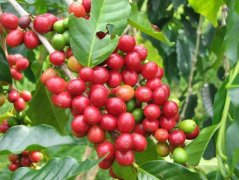
Ethiopian Coffee · Premium Growing Regions Introduction - Limu 04
Ethiopian Coffee · Main Growing Regions Introduction - Limu
Altitude: 1200-1900 meters
Garden, forest, semi-forest, and plantation coffee systems
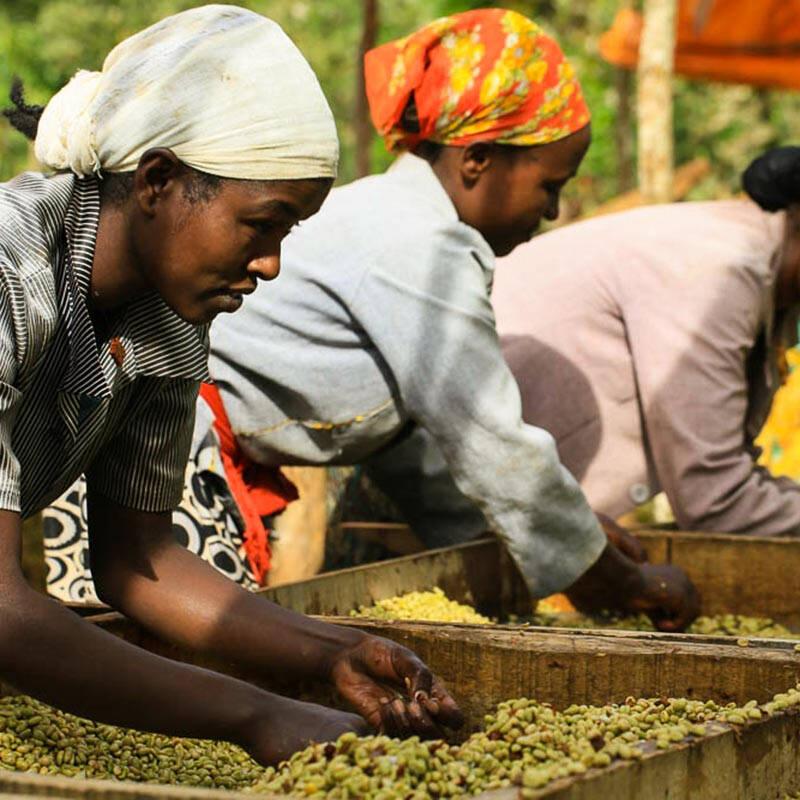
Located on the highland plains of western Ethiopia, this region's average growing altitude is noticeably lower than other areas, but that does not stop it from producing premium-quality coffee. The Limu growing region lies southwest of the capital, and further south you reach Jimma. Both regions belong to the coffee forest area, with Limu to the north and Jimma to the south.
This area is also a natural ecological protection zone for wild coffee trees. The producers of Limu coffee beans are mainly local small farmers, along with some large state-owned plantations. The local systems include garden, forest, semi-forest, and plantation coffee systems. Coffee is grown at altitudes between 1400-2200m, with varieties mainly consisting of Ethiopian heirloom varieties. The soil is Vertisols, and the harvest season runs from November to January of the following year. Most of it is washed, with an annual production of approximately 110,000 bags/60kg.
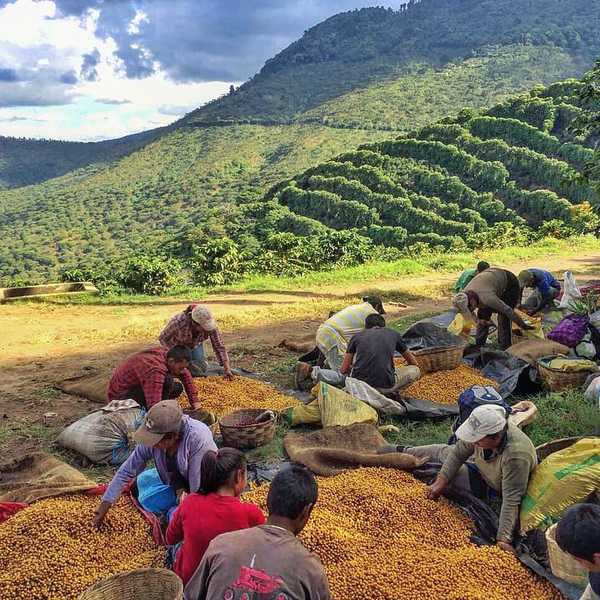
The beans are medium-sized, mostly round (about 15/16 screen), with a greenish-blue color, and are mostly exported as Grade G2. The flavor profile is similar to Yirgacheffe but with a lighter body, while still showing distinct floral and fruit notes. The acidity is smoother than Yirgacheffe, with a more vibrant acidity and a wine-like aftertaste.
Generally speaking, Limu coffee has lower fruity acidity than washed Sidamo and Yirgacheffe, but the citrus aroma remains prominent, with good sweetness, slight spiciness, and balanced flavor.
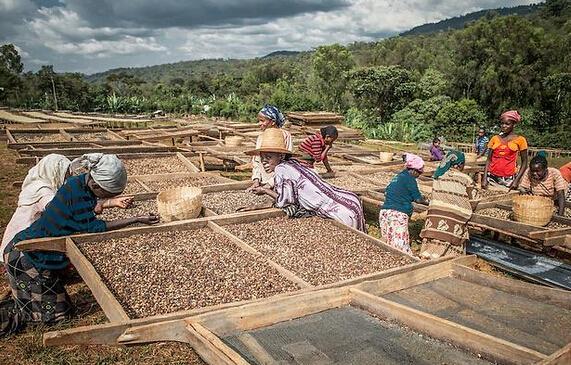
Because Limu has an excellent and balanced quality, it is an Ethiopian specialty coffee worth noting after Yirgacheffe. However, almost all Limu is exported through vertical integration by the Ethiopian Coffee Organization, making it very difficult to find domestically.
The above information was compiled by FrontStreet Coffee.
We hope this article helps everyone gain a deeper understanding of coffee.
FrontStreet Coffee Recommendation
If Limu's lighter floral and citrus profile appeals to you, FrontStreet's Ethiopian single origins are a natural next step. The washed Yirgacheffe is the classic starting point, with white jasmine, bright citrus and lemon acidity, and a tea-like body. The Gedeb Gedeb cooperative coffee adds traditional washed citrus and white florals, while the natural-process Red Cherry brings peach, cocoa, honey, and lemon.
Important Notice :
FrontStreet Coffee is a long-established specialty coffee roaster in Guangzhou China, selling freshly roasted beans from its own farm in Yunnan as well as dozens of carefully selected single-origin beans from around the world for both pour-over and espresso. The products deliver consistently excellent quality and great value, with shipping within 24 hours. Guangzhou's FrontStreet Coffee shop is recommended by many coffee lovers, and the beans are now available online at the Tmall 。
FrontStreet Coffee has moved to a new address:
FrontStreet Coffee Address: 315,Donghua East Road,GuangZhou
Tel:020 38364473
 Scan and follow the En Gafei WeChat official account. Please indicate that the reprint comes from "En Gafei".