Specialty Coffee Series: Africa—Yemeni Coffee | The Once World-Dominant Yemeni Mocha
As early as the late 17th and early 18th centuries, the first coffee beans Europeans ever tasted were Yemeni Mocha — which is why "Mocha" became a synonym for coffee itself: say Mocha, and everyone thought of coffee. Three centuries later, however, Yemen's coffee industry is a shadow of what it was. Annual output has fallen to around 10,000 metric tons, a rounding error next to other producing countries — a genuinely regrettable decline.
Yemen Mocha is one of the world's oldest coffees, and for centuries it has ranked among the finest cups available anywhere. The taste is singular: rich and fragrant, with lively acidity and a distinctive spicy edge.
The Decline of Yemen Mocha
Experts point to a tangle of reasons behind the steady drop in Yemen Mocha production: drought and water scarcity, ever-rising cultivation costs, severe pest and disease pressure, cheaper beans from competing origins, and the fact that khat — a more profitable crop — keeps displacing coffee. Taken together, they make growing coffee in Yemen an extraordinarily difficult undertaking.
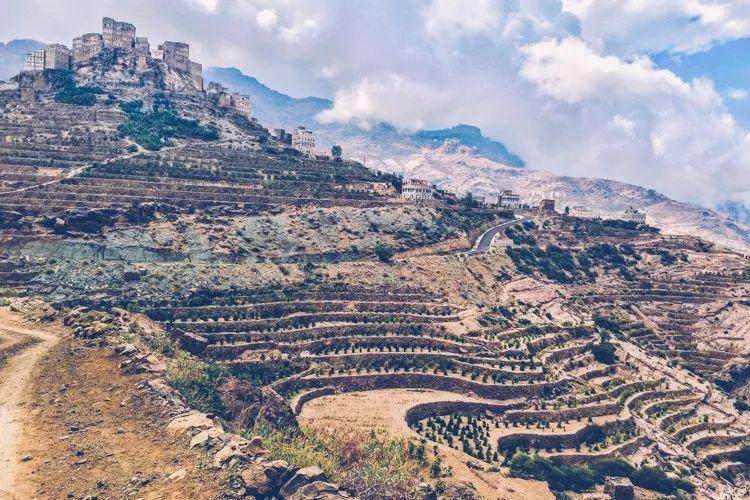
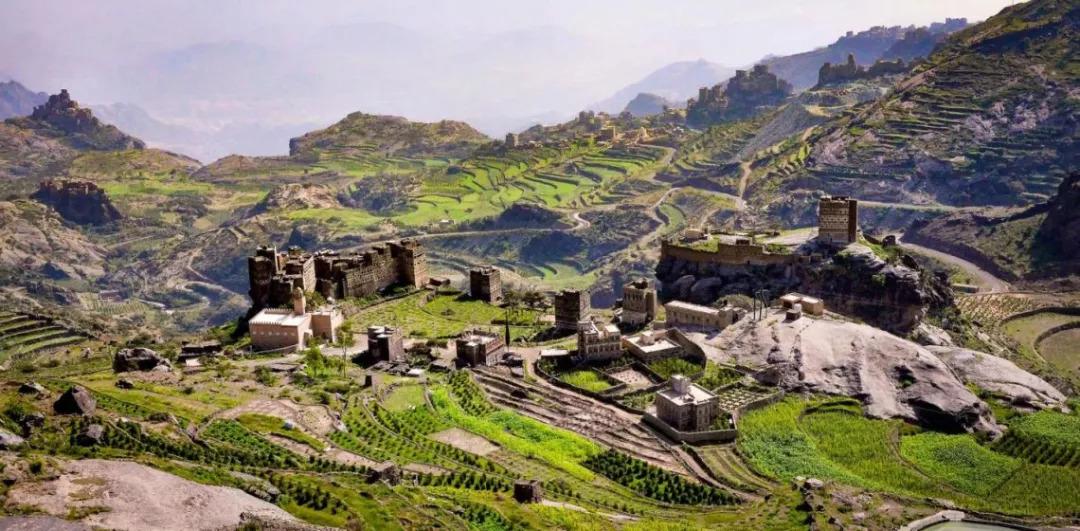
Much of the difficulty lies in Yemen's rugged terrain and climate, which scatter coffee across cliffs, valleys, hollows, plains, terraces, plateaus, and mountainsides. The soil holds little moisture, the mountain air is dry, and rainfall is scarce — on paper, no place to grow coffee at all.
Yet Yemen has inherited its ancestors' ingenuity: coffee trees are planted on steep valley slopes and in natural depressions, and terrace farming conserves every precious drop of water. Growing in such a harsh environment coaxes unusual complexity out of the trees and builds that famed "wild taste" — the untamed character that defines Yemen Mocha specialty coffee.
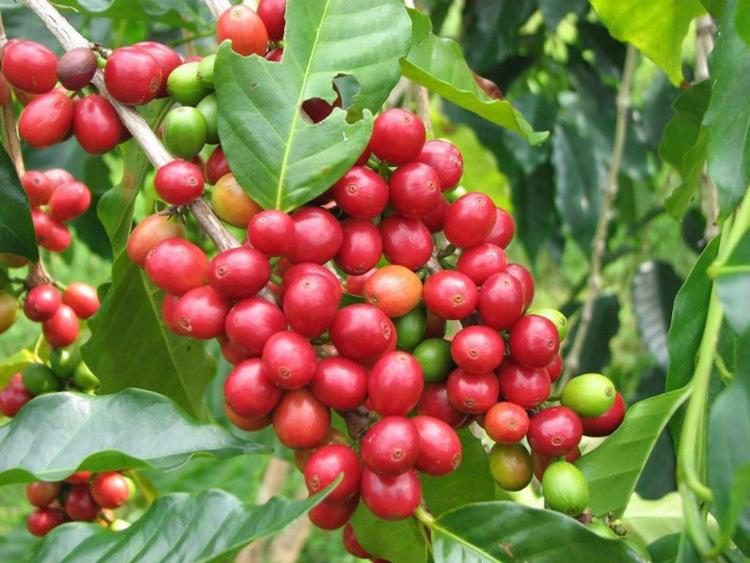
Although Yemen's varieties descend from Ethiopian stock, they have long since evolved into uniquely Yemeni types — undeniably diverse, though only veteran Yemeni farmers can tell them apart by growing environment and region; outsiders find it nearly impossible. Part of the confusion is that the beans' appearance and flavor closely resemble Ethiopian Harar or natural-processed Yirgacheffe — except Yemen's profile is even more elusive and complex, which only adds to its mystique.
Yemen's Growing Regions
Yemen's coffee grows mainly in the northern highlands, at altitudes from 1,000 to 2,400 meters, across dramatically varied terrain. The better-known regions include:
Mattari (also spelled Matari): grown at 2,000-2,400 meters, Yemen's highest region and its most celebrated bean. Light roasts show pronounced fruit-fermentation notes and wine aromatics, with clear sweetness and berry-to-citrus acidity. Dark roasts transform it into something else entirely — a distinct chocolate sweetness.
Sanani: a general term for coffees from the districts surrounding the capital, Sana'a. The flavor leans richly fruity, often with riper fruit and wilder notes than Mattari. It is now extremely rare and variable in quality, so buy with care.
Ismaeili: grown at 1,800-2,200 meters in central Yemen; the name doubles as a variety name. The beans are rounder than Mattari's and the cup slightly more complex, with hints of cardamom, tobacco, and aged wood. Production is small and prices are high.
Conclusion
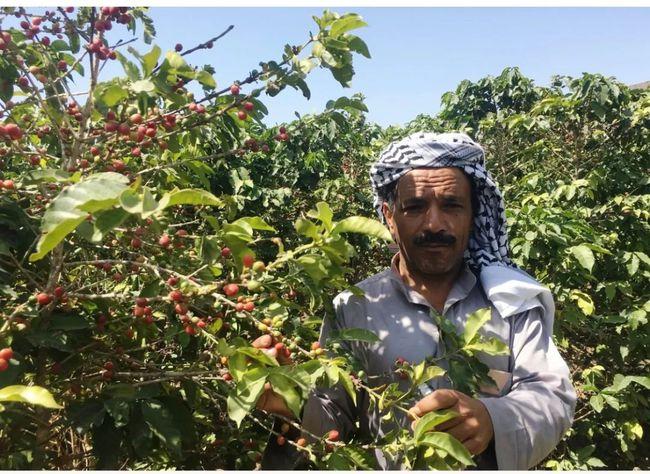
Yemen is the only coffee origin in the world that produces exclusively natural-processed coffee. The land is too harsh and too water-starved for washed processing to be an option. Local farmers generally wait for the cherries to mature and fall naturally before collecting and drying them — which is exactly why people say Yemen's coffee carries a wild spirit.
This is a little background compiled by FrontStreet Coffee — we hope it deepens your understanding of coffee.
FrontStreet Coffee Recommendation
If Yemen's naturally dried, fruit-forward style intrigues you, the closest experience in an accessible bean is FrontStreet Ethiopia Huakui, a natural-processed lot that has become one of the biggest stars of the specialty market in recent years. Its defining trait is a striking tropical-fruit aroma — strawberry, passion fruit, jackfruit, even lychee — with pronounced sweetness, almost no bitterness, and a smooth, juice-filled body. Regular drinkers have called it "the coffee that tastes least like coffee," and it may be the friendliest way to understand what natural processing does to a cup.
To hear the same flavor in a washed register, try FrontStreet Yirgacheffe Guodingding Cooperative from the Worka area — crisp citrus, berries, and jasmine florals with a green-tea sweetness, the clean, bright counterpart to Yemen's wild charm.
Important Notice :
FrontStreet Coffee is a long-established specialty coffee roaster in Guangzhou China, selling freshly roasted beans from its own farm in Yunnan as well as dozens of carefully selected single-origin beans from around the world for both pour-over and espresso. The products deliver consistently excellent quality and great value, with shipping within 24 hours. Guangzhou's FrontStreet Coffee shop is recommended by many coffee lovers, and the beans are now available online at the Tmall 。
FrontStreet Coffee has moved to a new address:
FrontStreet Coffee Address: 315,Donghua East Road,GuangZhou
Tel:020 38364473
 Scan and follow the En Gafei WeChat official account. Please indicate that the reprint comes from "En Gafei".