Should Espresso Portafilters Be Locked Back to Group Head or Left at Room Temperature? The Impact of Temperature on Coffee Flavor
Introduction
"After pulling a shot of espresso, should the portafilter be locked back onto the group head to stay warm, or left sitting at room temperature?" Baristas disagree on this. Some argue that locking the portafilter onto the group head keeps the whole assembly - filter basket included - at a single temperature, cutting down on the flavor swings caused by temperature differences. Others argue that leaving it locked on the group head lets the whole portafilter sit at a high temperature, and that heat will hurt the coffee's flavor.
Comparative Experiment
For this test, FrontStreet Coffee pulled shots with three portafilters at three different temperatures to see exactly how portafilter temperature shapes espresso flavor.
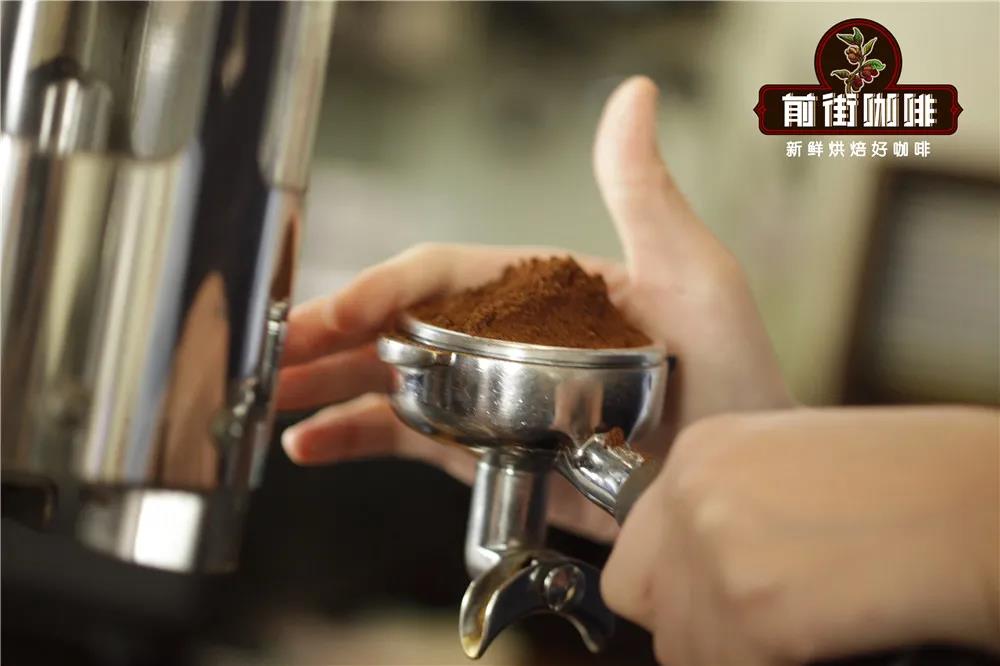
The beans were FrontStreet Coffee's Sunflower Warm Sunshine Blend, a 7:3 blend of Sherry coffee beans and Yirgacheffe Red Cherry coffee beans. Extraction parameters: Faema E78 espresso machine, Faema 900N grinder, grind size 1.9, double portafilter, 20g of coffee grounds, 35g of espresso extracted (a double shot), extraction time 25 seconds.
Group A Experiment
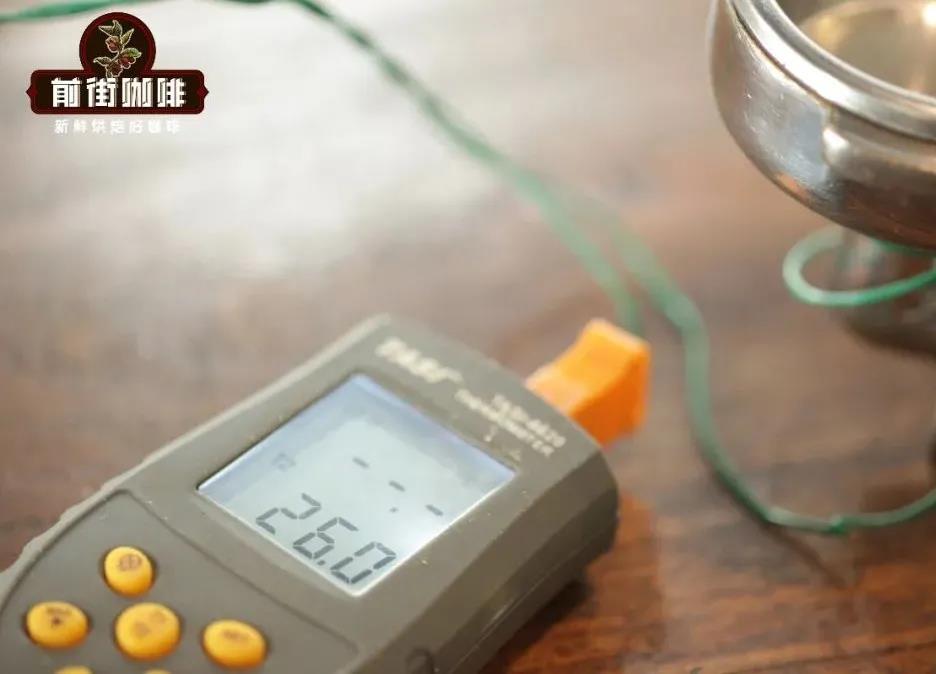
The shot was pulled with the entire portafilter, filter basket included, at 26°C, and the extracted espresso measured 63.2°C.
Group A flavor characteristics: whiskey aroma, milk chocolate, vanilla cream, gentle acidity, a caramel-like aftertaste, prominent aroma, and a rich mouthfeel.
Group B Experiment
A room-temperature portafilter was locked onto the group head and flushed with water for 5 seconds to preheat, bringing the whole portafilter to 56°C. After dosing, distribution, and tamping, the portafilter had dropped to 50°C, and the extracted espresso measured 64.1°C.
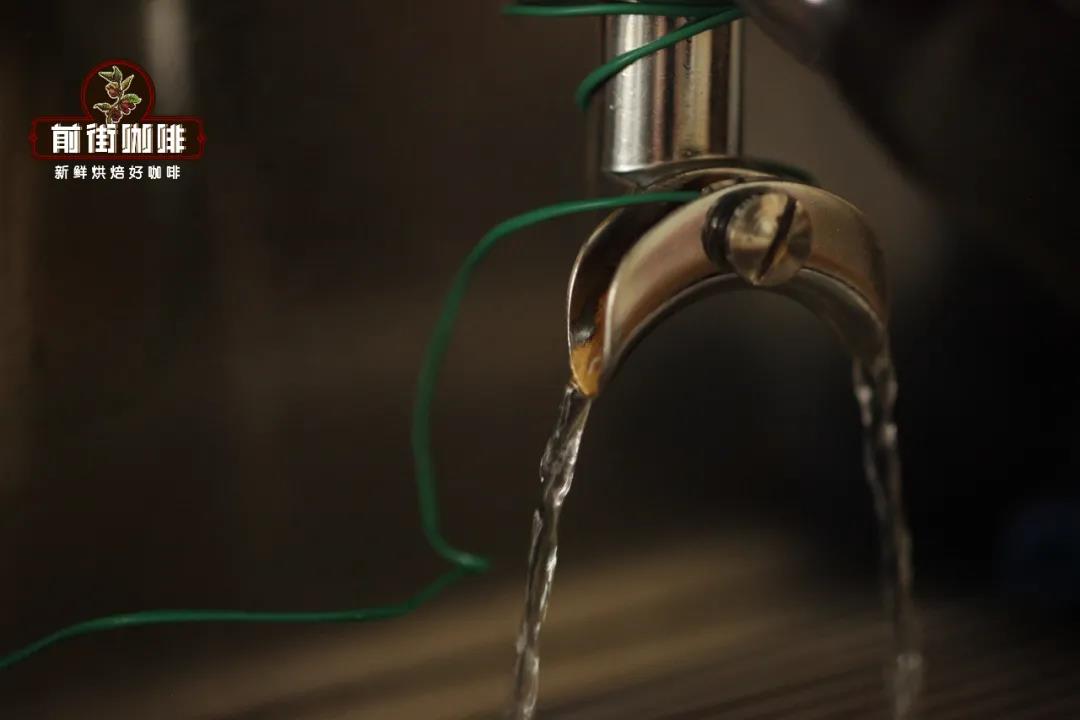
Group B flavor characteristics: liquor-filled chocolate, vanilla, a caramel-like aftertaste, with acidity and aroma less pronounced than Group A, but a prominent nutty flavor.
Group C Experiment
A room-temperature portafilter was left locked onto the group head for 15 minutes, and the whole portafilter reached 74°C. After dosing, distribution, and tamping, it had dropped to 69°C, and the extracted espresso measured 64.8°C.

Group C flavor characteristics: dark chocolate, nuts, a smoky sensation, with fruit aroma and acidity not obvious, a slightly burnt taste, and insufficient aroma.
Experimental Results
Comparing the three groups, the espresso pulled with a room-temperature portafilter had the most balanced flavor; the espresso from the preheated portafilter showed more prominent nutty notes but slightly insufficient aroma; and the espresso from the high-temperature portafilter had insufficient aroma along with a smoky sensation and a burnt taste. At the same time, notice that regardless of the portafilter's temperature, the temperature difference of the extracted espresso across the three groups was not significant. FrontStreet Coffee believes it is more accurate to say that the filter basket temperature, rather than the portafilter temperature, is what affects the coffee's flavor.
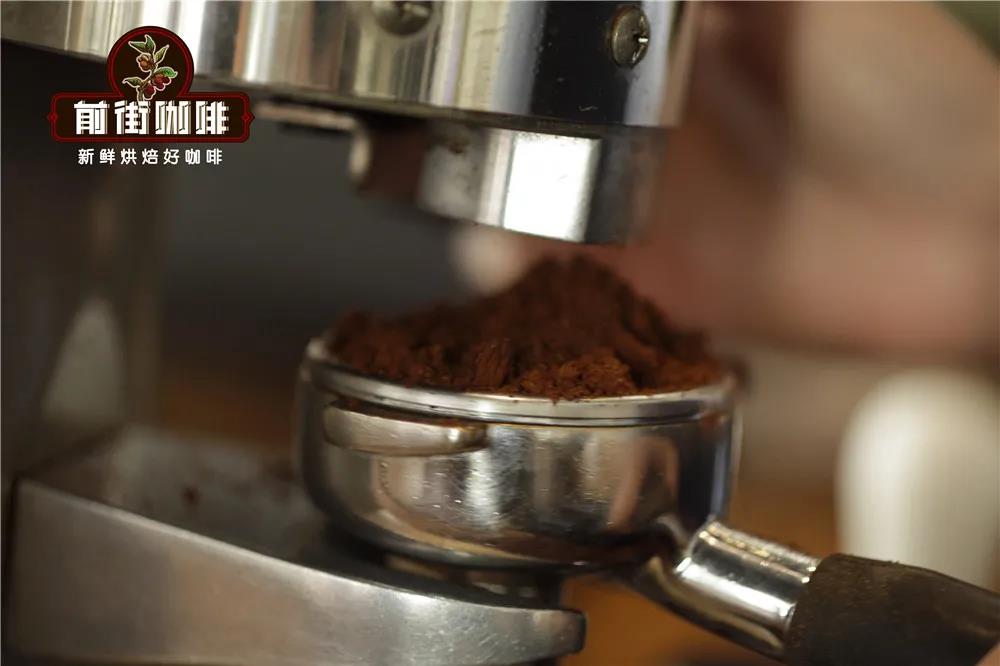
After preheating, Group B's filter basket sits in a semi-high-temperature state. When the grounds drop into the basket, that heat accelerates the volatilization of lightweight flavor compounds such as fruit acids and floral aromas. As the acidic and aromatic notes fade, medium-weight compounds such as nuts and chocolate become more prominent. This explains why Group B's acidity and aroma were less pronounced than Group A's, but its nutty flavors came through more clearly.
Group C follows the same principle as Group B. Because the filter basket is at a high temperature, both the lightweight and the medium-weight flavor compounds volatilize faster, and at that point the heavy-weight compounds emerge, bringing smoky and burnt-bitter notes.
FrontStreet Coffee does not recommend keeping the portafilter locked onto the group head for extended periods just to hold temperature. When you pull a shot, choose a room-temperature portafilter, or preheat quickly, depending on the flavors you want to bring forward.
FrontStreet Coffee Recommendation
The Yirgacheffe Red Cherry beans in this test blend come from Ethiopia, and if you want to taste that origin more directly, FrontStreet Coffee's washed Yirgacheffe is the classic starting point. It is known for white jasmine, bright citrus and lemon acidity, and a tea-like body, and its affordable price makes it the first specialty coffee for many newcomers. Yirgacheffe is a small town in the Sidama zone of southern Ethiopia, at roughly 1,700-2,100 meters, with the coffee trees planted above 1,800 meters - among the highest coffee-growing regions in the world. The area was originally a wetland, and its recognizable white florals and lemon-citrus acidity made "Yirgacheffe" a byword for Ethiopian specialty coffee; in 2010, because the name had become so famous, the Ethiopian Commodity Exchange separated it from the Sidama region.
For a more refined take on the same character, FrontStreet Coffee's Gedeb cooperative coffee is a strong choice. Gedeb sits in the Worka region at the southeastern edge of Yirgacheffe and was originally part of the Worka cooperative under the Yirgacheffe Coffee Farmers Cooperative Union; as demand for traceability grew, it was identified as its own "single origin." It is washed in the most traditional way, and the result carries no bitterness, with fresh, bright citrus and lemon acidity and the fragrance of jasmine that wins people over on the first sip.
Because this bean rewards careful brewing, FrontStreet Coffee suggests a V60, water at 90-91°C, 15g of coffee, and a 1:15 ratio, ground to a fine-sugar consistency (EK43s setting 10, or about 80% passing a #20 sieve). Start with a 30g pour and let it bloom for 30 seconds, then add 95g more (bringing the scale to about 125g) and finish that pour at around 1 minute. When the water level drops to two-thirds of the bed, add the remaining 100g (bringing the scale to about 225g) and finish pouring at about 1 minute 35 seconds. Drawdown should complete between 2:00 and 2:10; remove the dripper and the brew is done.
Important Notice :
FrontStreet Coffee is a long-established specialty coffee roaster in Guangzhou China, selling freshly roasted beans from its own farm in Yunnan as well as dozens of carefully selected single-origin beans from around the world for both pour-over and espresso. The products deliver consistently excellent quality and great value, with shipping within 24 hours. Guangzhou's FrontStreet Coffee shop is recommended by many coffee lovers, and the beans are now available online at the Tmall 。
FrontStreet Coffee has moved to a new address:
FrontStreet Coffee Address: 315,Donghua East Road,GuangZhou
Tel:020 38364473
 Scan and follow the En Gafei WeChat official account. Please indicate that the reprint comes from "En Gafei".