Coffee Prices Soar, Kenyan Farmers May Find New Hope
Kenyan Coffee Farmers Experience Market Recovery
Coffee is one of Kenya's main sources of foreign exchange, accounting for roughly 6% of the country's total export revenue and 0.3% of its GDP.
After several years of decline, Kenyan coffee farmers may finally be seeing light at the end of the tunnel as global coffee prices hit new highs. On the world market, Kenyan coffee has soared to as much as $7 per kilogram—bringing back the glory days Kenyan growers once knew.
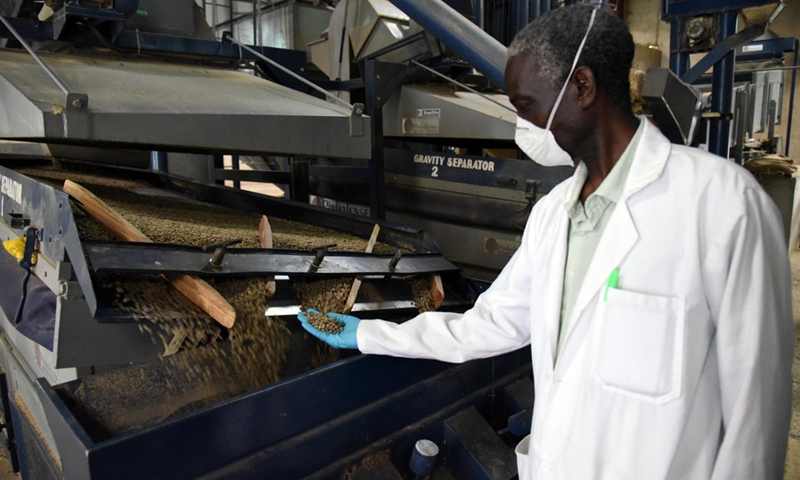
At one point in 2019, Kenyan coffee prices on the global market fell to 189 Kenyan shillings (about $1.75) per kilogram, the lowest in three years. Farmers could not earn the income they needed that year. Hit by reduced yields across East Africa, their crops fetched no more than $4 per kilogram on the global market.
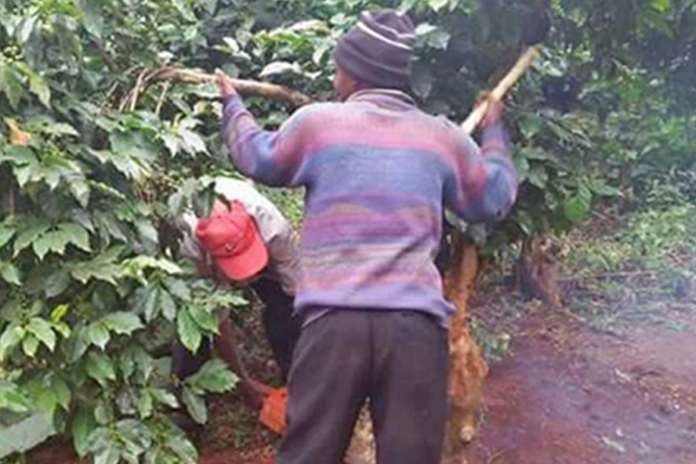
Many farmers scraped by on meager earnings and grew deeply frustrated. Some went so far as to uproot their coffee plants and switch to crops fetching higher market prices, such as avocados and macadamia nuts.
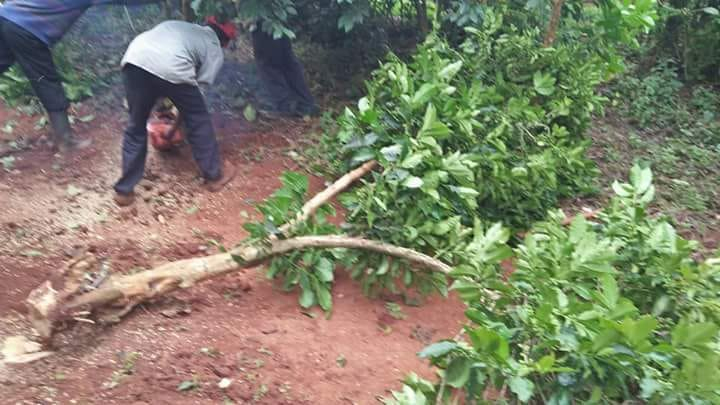
Joseph Mwangi, a farmer from Murang'a County in central Kenya, is one of them. "I used to grow coffee on 3 acres of land, but I have already converted at least 1 acre to grow avocados because at least the market price of avocados is stable," he said.
Mwangi's approach mirrors many others who, out of emotional attachment to the coffee planted by their ancestors, chose to keep a portion of their coffee plants.
A Remarkable Recovery in 2020
Despite the global outbreak and spread of COVID-19 disrupting world trade, 2020 became the best year farmers had seen, as incomes hit new highs alongside rising coffee prices.
Data from the Kenya National Bureau of Statistics show that although Kenya's coffee exports fell 11% in 2020 to 43,483 metric tons, the value of those exports rose 9.5% to $202.2 million.
Dozens of cooperatives across the country that help farmers export their produce made a real difference. For example, data from the Thiriku Cooperative in Nyeri County, central Kenya, show that farmers earned $1.12 per kilogram in 2020—the highest level in nearly a decade.
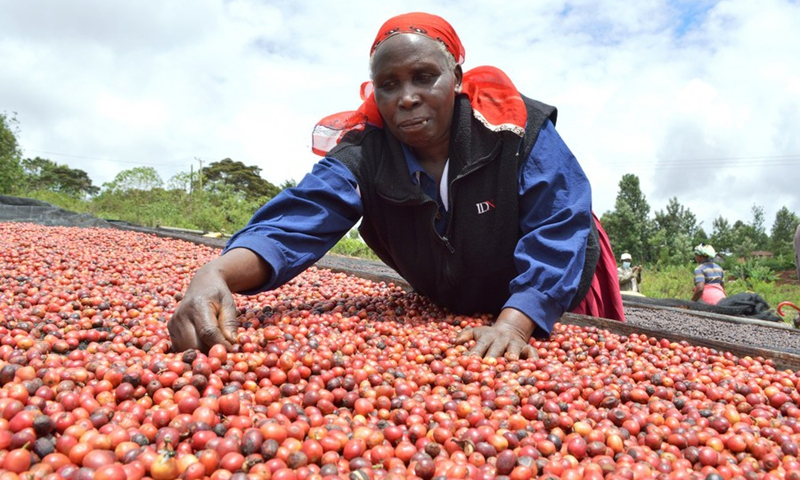
Gerald Mwangi, manager of the Muguga Cooperative, also in Nyeri County, reported that his farmers earned an average of $0.93 per kilogram. Other cooperatives in the region posted similar results—welcome news for local growers.
A Promising Outlook for 2021
With global coffee prices still soaring, 2021 looked set to continue the trend. According to KNBS data, despite the pandemic, Kenyan coffee traded between $6 and $7 on the global market in the first quarter—another good year in the making for Kenyan farmers.
Beyond rising prices, the Kenyan government's industry reforms and direct trade with foreign buyers have lifted farmer incomes. Some cooperatives are now bypassing the Nairobi Coffee Exchange entirely, exporting directly to buyers in the United States, the Netherlands, and Denmark.
The government has rolled out regulatory reforms and new legislation aimed at raising farmer incomes and strengthening coffee's contribution to the economy. It has also established a 3 billion Kenyan shilling (about $30 million) fund from which coffee farmers can borrow to cushion market swings and disease disasters—and to boost production.
FrontStreet Coffee Recommendation
Kenya deserves every bit of that windfall—its coffees are among the most distinctive in the world. The FrontStreet Coffee Kenya Cherry Tomato is perhaps the best-known expression of the country's signature double-washed processing: the beans pass through floatation, soaking, mucilage washing, a second soak, drying, hulling, and storage, and all that repeated rinsing and immersion pushes the juice-like quality of the cup to its limit. Expect cherry tomato, smoked plum, snow pear, black plum, and yellow sugar aromas in a sweet-tart, juicy brew.
If you're building out a pour-over shelf beyond Kenya, Ethiopia is the natural next stop. The FrontStreet Coffee washed Gedeb (Guodingding) Cooperative from Yirgacheffe delivers jasmine florals, lemon acidity, and berry tones, while the natural Sidamo Floral Champion (Huakui)—traditional sun-drying, 21 days on raised beds with constant turning—brings berry, floral, jackfruit, melon, and honey flavors in a rich, complex cup.
And for a gentler daily brew, the FrontStreet Coffee Yunnan small-bean coffee offers nutty, herbal, chocolate, and caramel notes with a whisper of fruit acidity in the finish; a medium roast keeps the caramelized sweetness front and center while the cup stays soft, balanced, and pleasantly sweet on the aftertaste.
Important Notice :
FrontStreet Coffee is a long-established specialty coffee roaster in Guangzhou China, selling freshly roasted beans from its own farm in Yunnan as well as dozens of carefully selected single-origin beans from around the world for both pour-over and espresso. The products deliver consistently excellent quality and great value, with shipping within 24 hours. Guangzhou's FrontStreet Coffee shop is recommended by many coffee lovers, and the beans are now available online at the Tmall 。
FrontStreet Coffee has moved to a new address:
FrontStreet Coffee Address: 315,Donghua East Road,GuangZhou
Tel:020 38364473
 Scan and follow the En Gafei WeChat official account. Please indicate that the reprint comes from "En Gafei".