What Are Coffee Regional Flavors and What Factors Influence the Flavor of Arabica Coffee Beans?
For more professional coffee knowledge exchange and coffee bean information, please follow Cafe Style (WeChat public account: cafe_style)
Introduction
Recently a FrontStreet Coffee fan left a comment asking: "What affects coffee flavor more — variety or growing region?" Dr. Francesco Illy, founder of illy coffee, once offered an answer: "70% of coffee bean characteristics and body are determined by genetics, while the remaining 30% depends on the ecosystem of the growing region." In other words, variety matters enormously, but factors like latitude, altitude, soil, sunlight, temperature, and humidity all shape how the very same variety expresses its flavor.
What Does Latitude Affect? Where Is the "Coffee Growing Belt"?
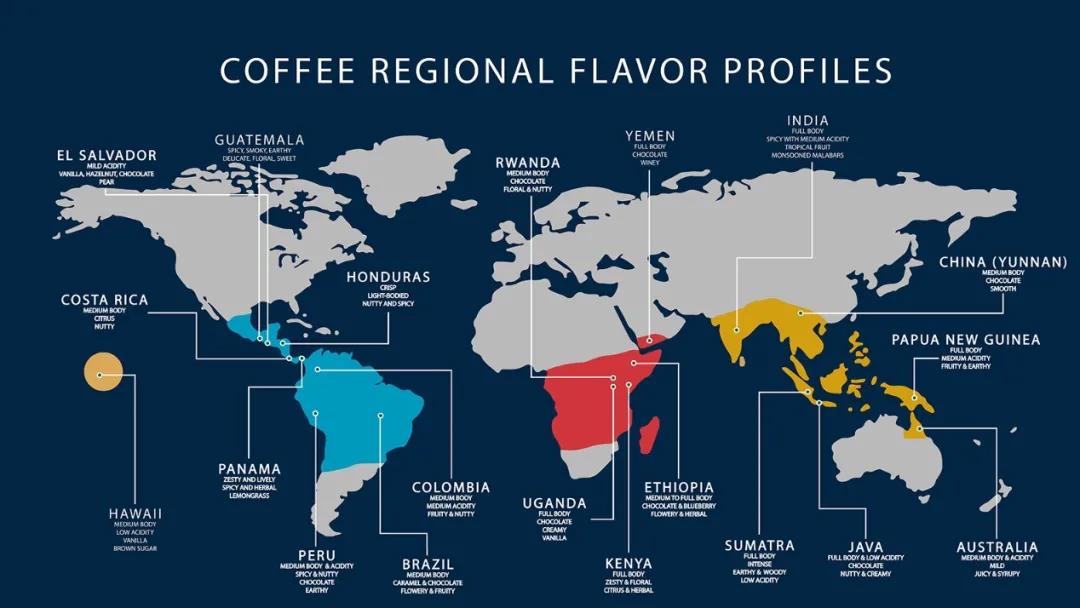
Latitude governs the intensity of sunlight and the level of temperature. Most of the world's coffee grows in the tropics between the Tropic of Cancer and the Tropic of Capricorn (including the equator) — specifically tropical or subtropical zones within 25 degrees north and 30 degrees south of the equator. Across this growing belt the average annual temperature runs between 16-25°C, there is no frost, and annual rainfall measures 1600-2000 millimeters.
The Impact of Altitude on Coffee Flavor
FrontStreet Coffee often notes that the higher the altitude of a growing region, the richer the coffee flavor. Why? Research shows that for every 100 meters of altitude gain, the regional temperature drops by 0.6 degrees Celsius; for every 300 meters, the sucrose content of beans from the same variety increases by 10% — and sucrose generates more aromatic acidic substances during roasting.
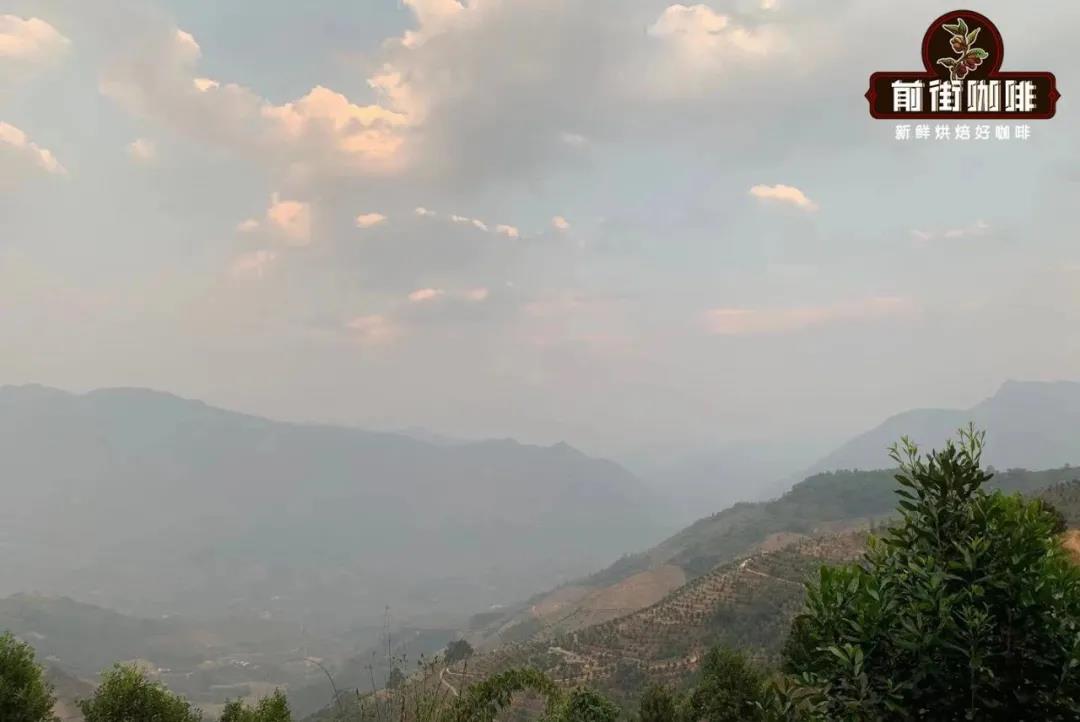
Higher altitude also means a wider gap between day and night temperatures, which slows the ripening of coffee cherries and lets more flavors form. This is likewise why high-altitude beans taste more acidic than their low-altitude counterparts.
The Impact of Soil on Coffee Flavor
Coffee from Central America shows charming fruit acidity while holding good body, and volcanic soil deserves the credit. Volcanic soil is rich in sulfur and sulfides — essential elements for forming coffee's aromatic acids — as well as potassium, which enhances body. The concentration of these substances in the soil shapes the intensity of particular flavors.
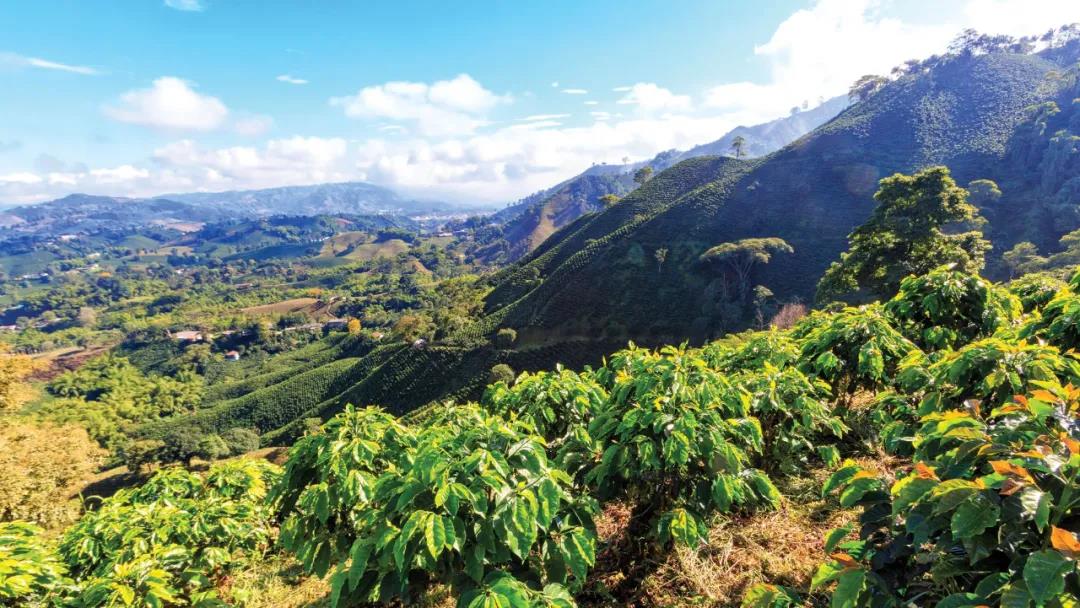
Beyond minerals, phosphates in the soil can also change coffee's acidity. Kenyan soil, for example, contains large amounts of phosphates, giving Kenyan beans their strikingly prominent aromatic acidity.
The Impact of Sunlight and Temperature on Coffee Flavor
The high temperatures sunlight generates accelerate the metabolism of coffee cherries, so they ripen faster. But rapid ripening leaves cherries too little time to develop depth, and the coffee can taste plain, even dull. The solution: shade trees.
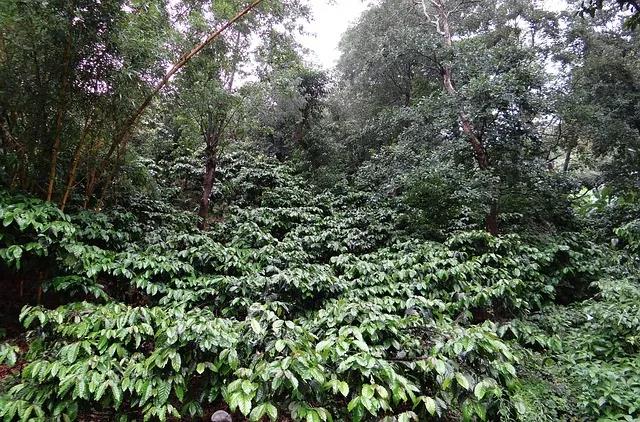
Planting native trees taller than the coffee blocks most direct sunlight, slowing the cherries' metabolism and helping them build more flavor along the way.
The Impact of Humidity on Coffee Flavor
According to research, beans from high-humidity regions show more intense fruit flavors — those from Guatemala's Cobán region, for instance. To verify this, FrontStreet Coffee cupped beans from eight Guatemalan growing regions and found that Cobán's fruit sweetness and acidity were indeed more pronounced than the other seven.
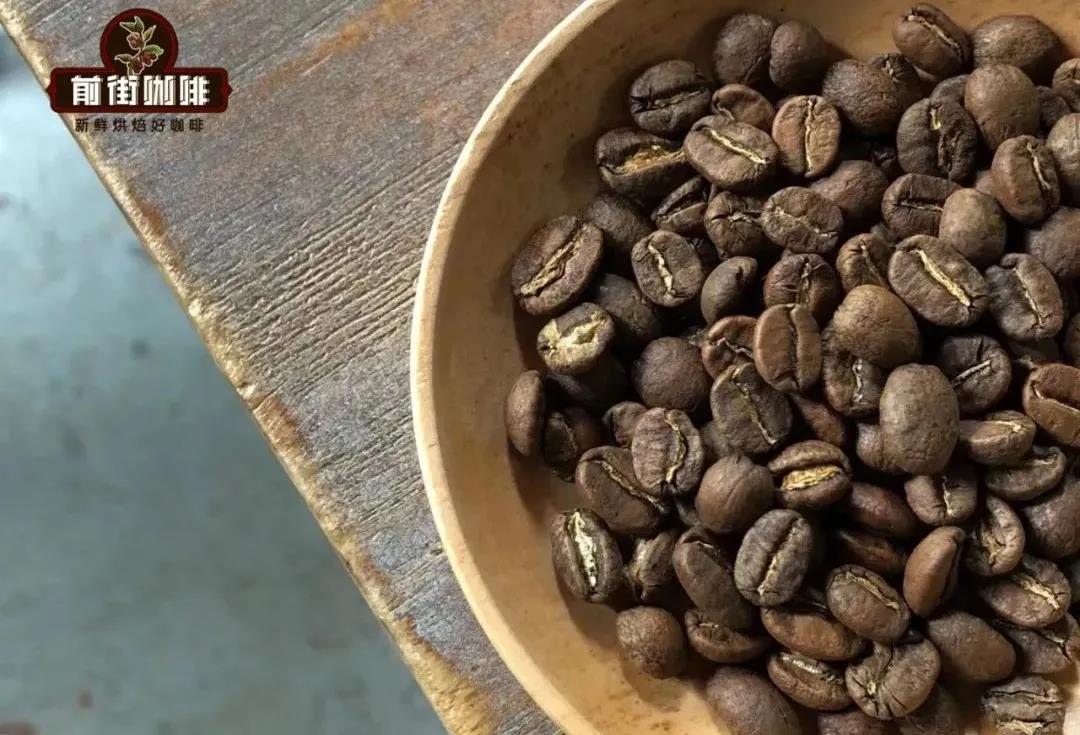
The reason is that Cobán lies in tropical rainforest, where high humidity raises the concentration of malic acid in the coffee pulp and aids sugar formation. The fruity components of malic acid are absorbed by the beans, and the sugars likewise produce more aromatic acids in roasting — yielding a coffee with rich fruit sweetness and acidity.
For more specialty coffee beans, please add the private WeChat of FrontStreet Coffee, WeChat ID: kaixinguoguo0925
FrontStreet Coffee Recommendation: Taste Terroir for Yourself
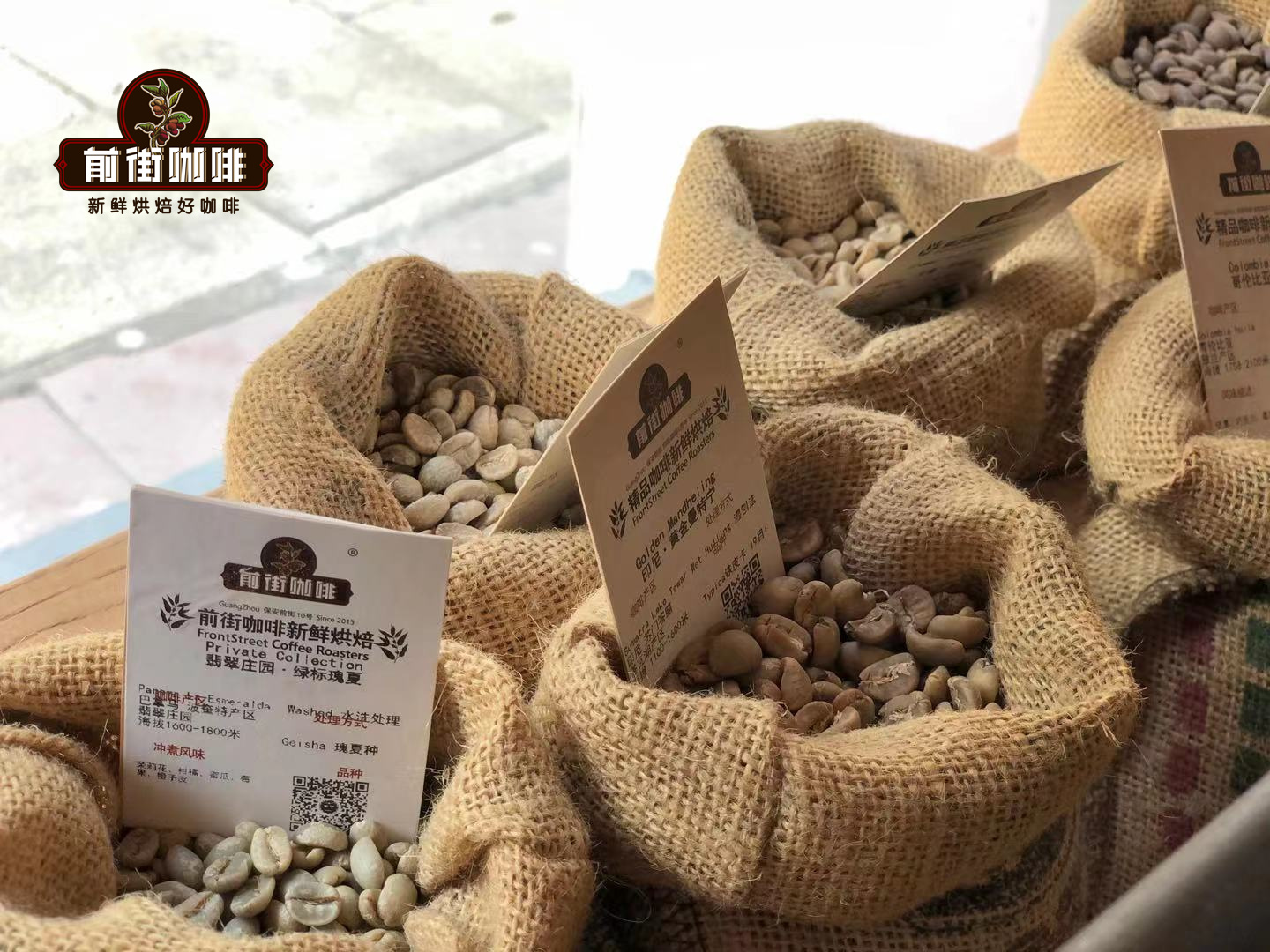
The best way to grasp terroir is to taste the same variety from different places — and FrontStreet Coffee's Arabica lineup makes that easy. Try the Panama Red Label Geisha from Hacienda La Esmeralda in Boquete, where fog, rich volcanic soil, and plentiful rain produce elegant florals, citrus, peach, and complex fruit acidity with a silky body and an oolong-tea-sweet finish. Then compare FrontStreet's Huakui, a natural-processed Ethiopian heirloom from Sidamo with cream strawberry, mango, jackfruit, citrus, and blueberry — winner of that year's TOH green bean competition. For a washed contrast, the Gedeb Worka Cooperative Yirgacheffe, top-grade G1, shows graceful white florals, citrus, orange, and green tea. Brew each on a V60 with 15g of coffee, a 1:15 ratio, and a three-stage pour, and let the regions do the talking.
Important Notice :
FrontStreet Coffee is a long-established specialty coffee roaster in Guangzhou China, selling freshly roasted beans from its own farm in Yunnan as well as dozens of carefully selected single-origin beans from around the world for both pour-over and espresso. The products deliver consistently excellent quality and great value, with shipping within 24 hours. Guangzhou's FrontStreet Coffee shop is recommended by many coffee lovers, and the beans are now available online at the Tmall 。
FrontStreet Coffee has moved to a new address:
FrontStreet Coffee Address: 315,Donghua East Road,GuangZhou
Tel:020 38364473
 Scan and follow the En Gafei WeChat official account. Please indicate that the reprint comes from "En Gafei".